YouTube SEO Strategy: How to Turn Channel Data Into Better Video Performance

 AUTHOR:
Dan Titmuss
AUTHOR:
Dan Titmuss
At this week’s Google I/O conference, Google unveiled an AI-powered overhaul of Search centered around what it is calling the new “intelligent search box”. This was described as the biggest change to Google Search in more than 25 years. It’s not every day that a Google update makes the NYTimes, so we can assume that this is big news. Here’s what happened. (And if you want to talk directly with our in-house experts, get in touch!)
Users can now interact with Google Search in a much more conversational way, asking longer and more complex questions while receiving AI-generated summaries, recommendations, and follow-up prompts directly within the search experience. Rather than simply returning a list of links, Google is increasingly synthesizing information and guiding users toward answers. It’s just like searching with chatbots such as ChatGPT, even allowing search with uploaded documents and images.
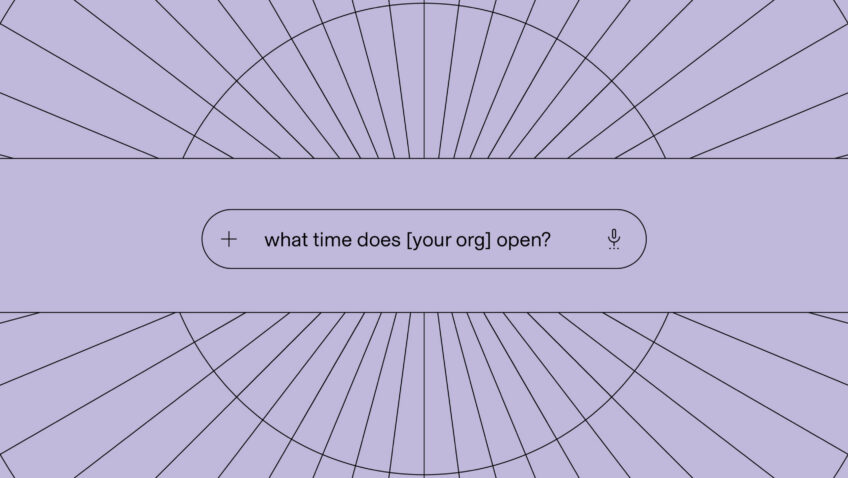
AI-driven search helps users get to the information they are looking for more quickly, especially for research, quick answers, and upper-funnel discovery queries. Think prompts like:
Rather than sorting through multiple webpages to research and synthesize information themselves, users increasingly receive AI-generated summaries directly within the search experience.
Google is evolving from a platform that primarily surfaces links toward one that increasingly generates contextualized answers.
Here’s a preview of the reimagined search function:
In many ways, this announcement is less a surprise and more a confirmation of trends that have been shaping search for years. Google has already been moving toward AI-assisted search experiences through semantic search, AI Overviews, Gemini integration, and increasingly conversational search behavior (partly because of the threat from ChatGPT, with 74% of Americans under 30 using chatbots to search in some capacity).
We explored many of these shifts in our earlier article, What Does AI Mean for Organic Search?, where we discussed how AI would likely reshape discovery while reinforcing the importance of authoritative, well-structured content.
This latest announcement largely confirms the direction search has already been heading.
This is also an important reminder that while “search as a function” is not disappearing, “search as a channel” will continue to evolve.
“Search as a function isn’t disappearing. Search as a channel is evolving.”
For arts and culture organizations, the fundamentals still matter. Your patrons, visitors, and fans are still searching for art, culture, and experiences that enrich their lives, but they are increasingly searching in ways that are more conversational, contextual, and AI-assisted.
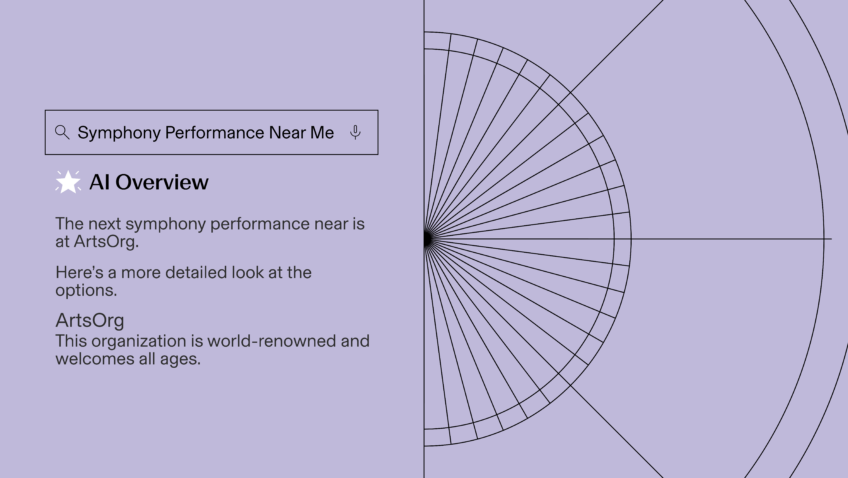
Take a look at the forthcoming seamless AI search experience:
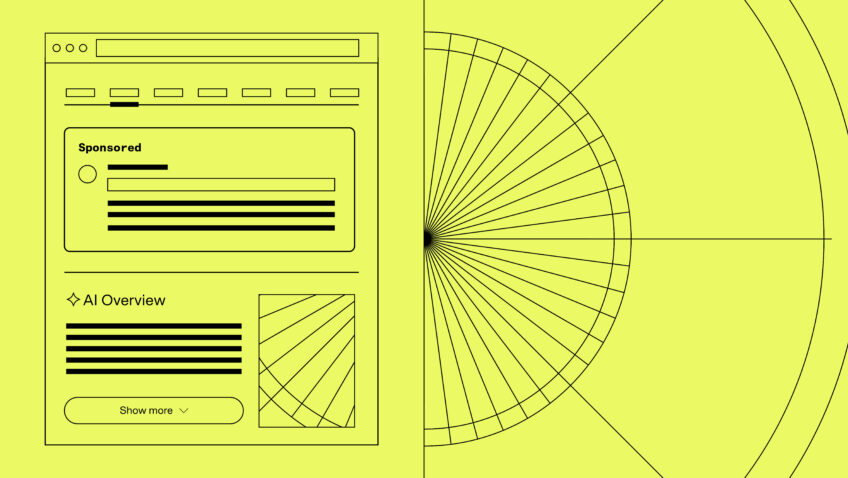
That shift will have real impacts, which is something we already explored in a recent blog post. Organizations should expect continued movement toward AI-generated answers, more zero-click discovery experiences, and fewer visits from certain types of informational searches as users start to get all of the information they need before even reaching the site.
The crucial challenge we have now is making sure that patrons and visitors still get that information where they are searching. But don’t panic. Many of the same practices that support strong traditional SEO performance also help organizations appear in AI-generated search experiences.
These systems still rely heavily on authoritative content, strong technical foundations, trusted organizational signals, and clearly structured information that answers audience questions.
Now is the time to double down on your SEO efforts, as that is the best way to ensure that your organization remains discoverable as search continues moving from “10 blue links” toward AI-generated overviews and summaries.
As search evolves, organizations should focus on strengthening the foundations that support both traditional SEO visibility and AI-driven discovery: also known as Answer Engine Optimization or AEO.
AI-powered search systems still rely heavily on the same signals that traditional search engines use to understand and trust content. High-quality content, technical SEO foundations, clear site architecture, metadata, and well-organized information all continue to matter.
Organizations already investing in strong SEO practices are often better positioned for AI-driven visibility because they are creating the kinds of signals these systems rely on.
AI-generated search experiences increasingly prioritize content that clearly answers user intent. FAQs, artist information, exhibition details, visitor guides, and educational resources all help search systems better understand and surface your organization.
The clearer and more useful your content is, the easier it becomes for both traditional search engines and AI systems to interpret and reference it.
As AI-generated search becomes more common, trusted organizational signals become even more important. Clear About pages, strong institutional messaging, artist and program information, and consistent branding across platforms all help establish authority and credibility.
AI-generated answers still rely on source material. Original storytelling, institutional expertise, curatorial perspectives, and distinctive programming insights remain highly valuable because they provide the unique context AI systems cannot generate on their own.
While headlines declaring that “SEO is dead” continue to circulate every few years (see also: “email is dead,” “Instagram is dead,” “Elvis is dead”), this moment is probably better understood as an evolution in how discovery happens online.
Search is becoming more conversational, contextual, and AI-assisted. But the organizations investing in strong content, trusted authority, and clear audience communication will continue to be discoverable as these experiences evolve.
Google: A new era for AI Search
NYTimes: Google Changes Its Search Box for the First Time in 25 Years
Search Engine Land: Google’s new intelligent Search box
TechCrunch: “Google Search as You Know It Is Over”
Capacity: What Does AI Mean for Organic Search?