YouTube SEO Strategy: How to Turn Channel Data Into Better Video Performance

 AUTHOR:
Madelyn Frascella
AUTHOR:
Madelyn Frascella
Google’s latest announcements at I/O and GML changed the conversation around search again.
Right now, the strategic next steps around SEO are actually much more clear-cut than around paid search (or SEM), and any agency making confident promises about how these new AI search experiences will perform from a paid standpoint is moving without the full picture or data at this point. Most of these announcements are less than two weeks old. Some features haven’t even launched yet.
This is not a time to panic or abandon paid search—we’re always going to recommend letting real data lead the way, not a knee-jerk reaction.
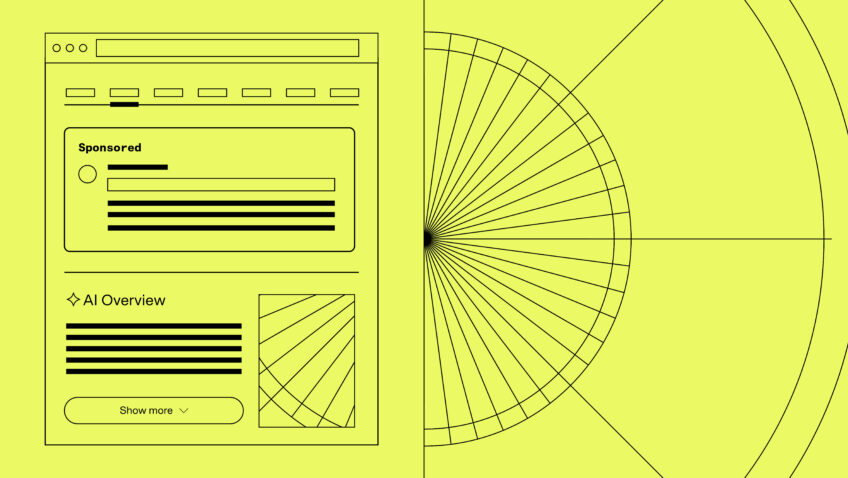
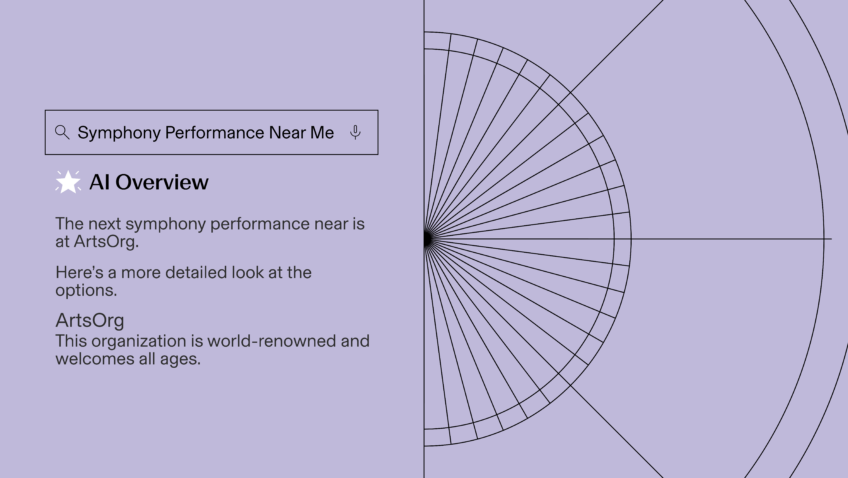
AI Overviews have absolutely changed the SERP for both paid and organic search. With less traditional SERP real estate available, both ads and organic listings have reduced visibility, especially for non-branded, informational queries.
As Search becomes increasingly AI-powered, ads will be matched to longer, more conversational queries and inferred intent—not just keywords. New ads in AI Mode will appear directly within AI-generated responses, making them part of the answer experience.
Google’s vision for ads that live alongside AI-driven Search will be designed to answer questions, surface offers, and guide decisions. New formats like Conversational Discovery Ads, AI-powered Shopping Ads, and Business Agent for Leads reflect this shift.
AI Max is emerging as Google’s preferred approach to Search optimization, using AI to expand reach and capture intent beyond traditional keyword targeting. Success will depend less on keyword management and more on strong creative, data, landing pages, and audience signals.
Google is positioning YouTube and Demand Gen as full-funnel performance drivers, not just awareness tools. New features like Maps placements, expanded product feed integrations, and Campaign Type Attribution are designed to better connect upper-funnel activity to measurable business outcomes.
With Universal Commerce Protocol and Universal Cart, Google is building the foundation for AI-assisted shopping across Search, YouTube, and Gemini. These tools aim to help consumers discover, track, and purchase products more seamlessly—potentially without ever leaving Google’s ecosystem. This is will be for retail advertisers with product feeds.
Branded and high-intent searches have been less affected.
For entertainment and live events, that distinction matters. Searches in this category tend to be more transactional or branded, which means AI Overviews currently appear less frequently than they do in other industries.
On the paid side, Google also can’t afford to undermine advertising. Ads still represent an estimated 70–80% of the company’s revenue, so the direction is certainly not going to be “fewer ads” (it’s different ads).
Google has already been testing ads within AI Overviews on a limited basis, and GML introduced additional formats that will expand those placements significantly. Features like AI Max in Search, which launched roughly a year ago, are designed to help ads appear alongside these new AI-driven experiences and for searchers increasingly using longer-tail, lower-volume queries.
The challenge is visibility into how all of this actually works in practice. There’s currently no reporting around where ads appear relative to AI Overviews, inside them or alongside them, how often they surface, or what performance patterns look like. Google also hasn’t committed to providing that data yet.
What hasn’t changed is the importance of relevance: Google continues to emphasize that search is becoming more conversational and question-driven, and that “the best ads are answers.” That aligns closely with how we’ve always approached search strategy: prioritize strong relevance, stay focused on efficient bottom-of-funnel performance, and use other channels as primary acquisition drivers.
That’s also why we’ve never treated impressions or clicks alone as primary KPIs. The focus remains on conversions, high-quality traffic, and measurable business outcomes.
There’s also been some concern around Google’s newly announced AI-powered checkout experiences that could bypass websites entirely. At this stage, those features are aimed at retail advertisers using product feeds, which generally doesn’t apply to live events or entertainment brands.
The bigger takeaway is this: the search landscape is changing quickly, but it’s still too early for definitive answers. Anyone claiming to have fully solved AI search performance today is overstating what’s knowable right now.