Cheers to Content: Inspiration from the Beer Industry for Arts Marketers

Some of the best marketing inspiration comes when you least expect it. For me, it came over a pint at Rhinegeist Brewery in Cincinnati in 2025. Their marketing and communications team is whip-smart and creative, and our conversation about beer and brand sparked ideas that translate beautifully to arts marketing.

The big takeaway? Don’t just sell the thing. Sell the experience around it. And remember that a lot of the marketing magic happens in the little nudges people share as they make plans.
Here’s how that pint helped me reframe CI’s content strategy advice for arts orgs using three clear instructions.
1. Sell the Product
First, beer brands get people excited about the beer itself — its taste, style, design, and ingredients.
For arts orgs, you can think of this as your classic content, including:
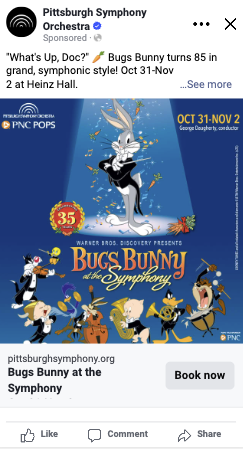
- Key art + trailers
- Show descriptions focused on the plot
- Artist bios + interviews
- Sets, costumes, or exhibit designs
The Takeaway
Arts marketers are often our art form’s biggest fans. Keep sharing stories about your art itself through your marketing. Your team is already nailing this!
2. Sell the Experience
Rhinegeist reminded me that beer marketing isn’t just about the beer – it’s about what people do while they’re holding the beer. Trivia with friends. Cheering on a team. Sharing a pint on date night.
For the arts, that’s just as true. What do people do when they’re holding our proverbial beer in the arts? They…
- Cheer with the crowd in a full theater
- Walk with their friends into a buzzing lobby
- Enjoy watching their kids go wide-eyed with wonder at the ballet
- Hold hands with a loved one as the lights go down
The Takeaway
Sell the vibe, not just the thing. People come for the product, but they stay for the memory. (Plus, we can back this with data!)
IMPACTS Experience found that the number one reason people come to the arts isn’t about what’s on display or what’s being performed live. Consistently, the top reason for attendance was to be together with their loved ones, which means if our marketing forgets to tell stories about togetherness and to turn our attention to the crowd, we’re missing the most important part of the equation.

3. Tap Into the Process
A beer outing doesn’t start with the first sip. It starts when someone texts a friend, drops “brewery night” on a calendar, or adds “grab six-pack” to the grocery list.
Arts orgs can lean into the same casual reminders. Ask yourself how you started the conversation about your most recent arts experience. Did you:
- Text a friend
- Create a calendar invite
- Google things to do this weekend
- Create a notes app to-do list to prepare
- Share an excited Voice Memo with the person you’re bringing that the tickets are ready and you can’t wait
- Leave a note on the fridge or post-it for a loved one

The Takeaway
Some of the most effective marketing doesn’t look like marketing. It feels like a natural part of the planning process. (We call this Lo-Fi content here at CI – read more about it here.)
4. AI Can Help, Too
Feeling stuck about this 3-step way of crafting content? Consider using AI to help map it out. Share the show, then share the existing ideas you have underway that live in the classic bucket of content. Ask the AI to help you brainstorm, refine or refresh ideas for the same show to compliment the classic content, in the Lo-Fi and/or experiential content categories.
AI shouldn’t craft the content — that’s your creative team’s job. But it can help:
- Push you to think of other Lo-Fi formats and POVs
- Help you refine your text messages to be more realistic between friends or parents
- Stress-test messaging against different demographics
- Suggest more ideas for experiential content that speaks directly to different factions of your target audience.
The Takeaway
You don’t need AI to do this work, but it can help you refine the final result, or help you go from an empty page to a first draft.
Want to rethink your content strategy without reinventing the wheel? Start with three questions: What are we selling? What does it feel like? And how do people plan around it?
Need a thought partner to pressure-test ideas or brainstorm Lo-Fi gems? You know where to find me!