Orchestra Digital Campaign Benchmarks: YoY Performance Trends
 AUTHOR:
Capacity
AUTHOR:
Capacity
Summertime is fast approaching, and for many of us in the arts industry on a fall-to-spring season schedule, that means it’s time to gear up for single-ticket on-sales. At CI, we’ve collectively run hundreds of campaigns to promote these big moments. Here’s a roundup of successful tactics we’ve seen, and things to keep in mind as you build your strategy!
Your single-ticket on-sale can be a huge opportunity to feature your organization’s brand experience, generate excitement, and lock in revenue early for programming happening throughout the season to come. Even if your organization doesn’t see a strong ROI on your single ticket on-sale campaign, you’re still collecting valuable data that will help you remind your audiences to buy tickets as your season gets underway.
When single tickets go on sale, your campaign doesn’t have to be singularly focused on the artists and programs gracing your stage in the upcoming season–especially if you’re facing the all-too-common challenge of waiting on artist permissions to finalize assets and creative. Focusing on your brand experience during the on-sale period can jump start your single-ticket on-sale campaign with engaging, effective storytelling that uses assets already at your fingertips.
That could mean showing—not telling—your prospective patrons what it’s like to visit your venue and experience your art. It could also mean highlighting your organization’s vibrant history and legacy.
Venue Experience:
History and Legacy:
TEE IT UP EARLY
Start with Search
If you are running a paid search campaign (and we do recommend that you strongly consider this), you’ll want to start running ads 1-2 weeks prior to the date of the on-sale itself to give the algorithm a head start on gathering data. This will ensure that the campaign completes its initial learning and momentum-building stage by the time you’re on sale and ready to maximize your sales and visibility on the search engine results page!
Video Views & Lead Generation
What if we told you that you could build your database of first-party data AS you build anticipation for your on-sale?! You can do just this by leveraging campaigns with Lead Generation or Video Views objectives.
With a Lead Generation campaign, you can drive an email sign-up in exchange for priority access to your upcoming on-sale (or some other incentive). If your focus is on bringing in new patrons, you can exclude your existing email list– or, you can skip that step and use this opportunity to create a new list of your most highly-engaged, excited patrons who are ready to buy ASAP (including both new-to-you patrons and not).
Based on their responses to your content, you can tailor email messaging to these leads as the season progresses. You also have the option to specifically retarget people who engaged via your paid digital campaigns once tickets are on sale.
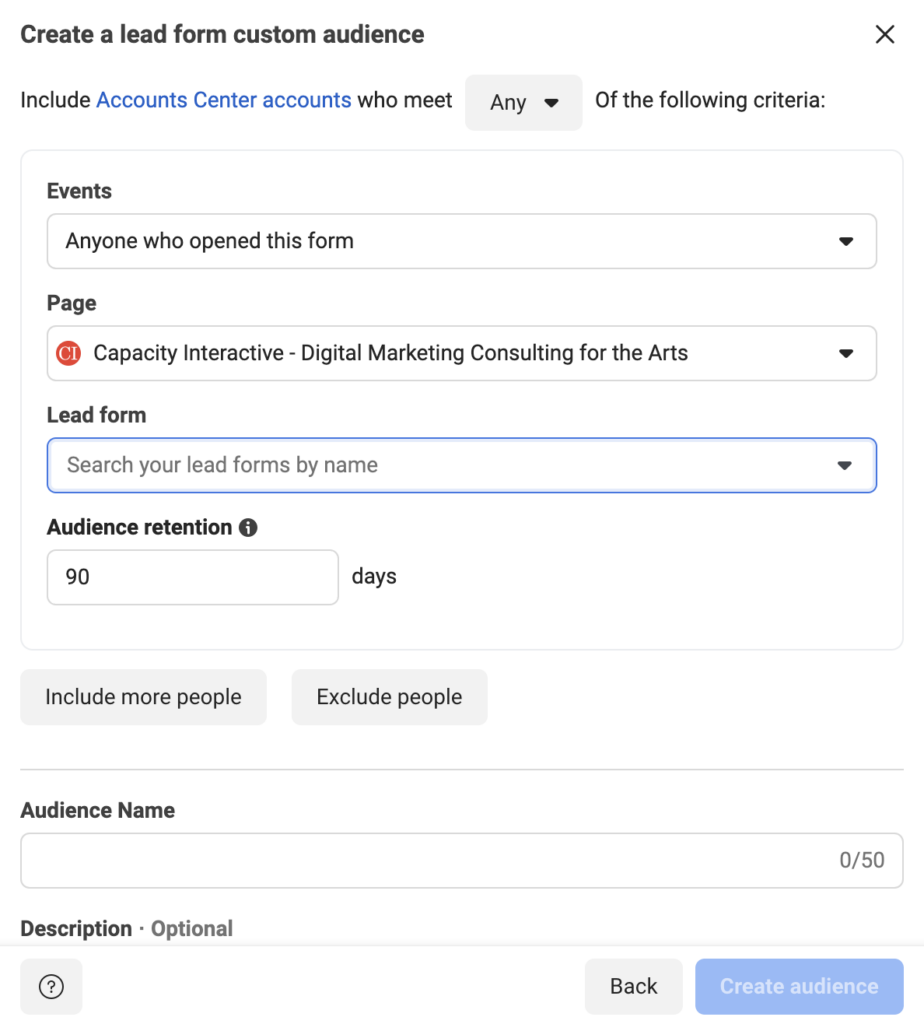
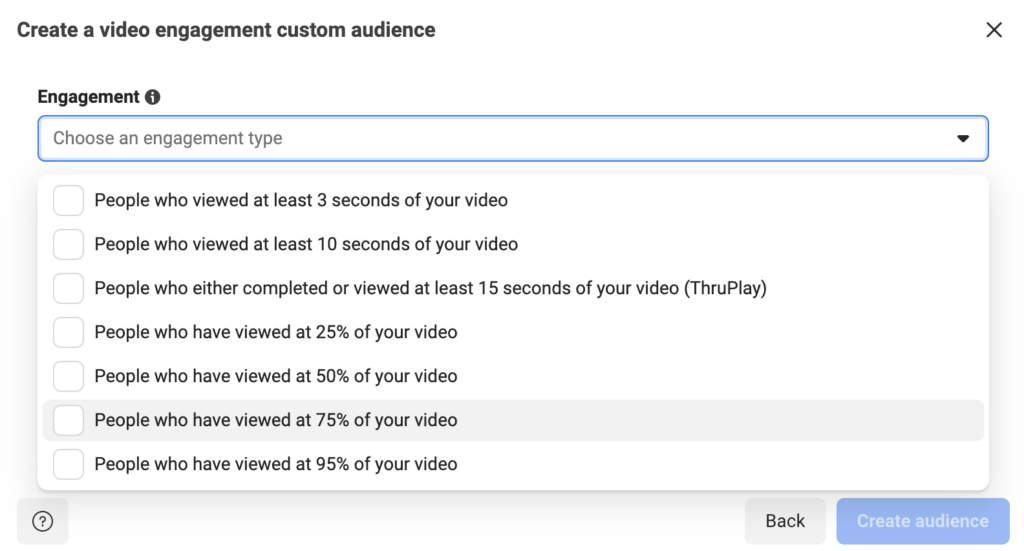
We see a similar opportunity with Video Views campaigns. If you’ve been promoting that fantastic brand experience content leading up to your single-ticket on-sale, why not retarget the people who engaged deeply with that video?
Here’s a little sneak peek of some data from our upcoming study, 2024 Cultural Compass: Digital Benchmarks to Guide Arts and Cultural Institutions (stay tuned or sign up for our email list to get the full download in June!).
Take a look at the average spend (per client) on Meta across all CI clients in 2023, by quarter*:
Now, here is the average CPM (cost per thousand impressions) on Meta across all CI clients in 2023, by quarter*:
Do you see what we see? The months of Q3 (July – September) currently have some serious untapped potential. This quarter often sees the smallest budget investment, yet also has some of the strongest results and lowest CPMs of the year. Why does this matter? Often, CPMs are highest for targeted mid- and bottom-of-funnel audiences during the season—yet these are the same folks that you are trying to reach during summertime campaigns focused on subscriptions, memberships, and of course…single-ticket on-sales. Low CPMs support lower CPA and higher ROI, plus the surge of traffic to your site will build up valuable retargeting pools for the coming season when advertising is more expensive (including Black Friday/Cyber Monday!).
*Note: in the full study, we’ll break these numbers down by region, genre, and organization size!
Get in touch with our Digital Advertising team to determine the best strategy for your on-sale milestones—and the 2024-25 season ahead!