Arts Marketing Myths: GA4 Tracking, ChatGPT Ads, and Diversifying Creative
 AUTHOR:
Capacity
AUTHOR:
Capacity
Have you ever sat down to create content and wondered, can this be used for paid ads? Or, what’s the difference between organic and paid content, anyway? Well, we’ve got the deets and worthwhile inspiration to set the record straight on how, when, and why you might create different content for your paid and organic content strategies.
And no matter whether you’re a social media manager or a marketing director (or both—we know nonprofit marketers wear a lot of hats!), content is essential to your marketing strategy. Organic content is still important, but its reach has been on the decline for years—did you know only .07% of Facebook fans interact with a page’s organic content, despite Facebook being the most-used social platform? Or that only 40% of social media managers believe paid campaigns yield a more effective ROI than organic? It’s time to level up your digital strategy.
What we’ll cover:
Paid Content
Identifying Your Audience for Paid Content
Ideas for Creating Paid Content that Converts
Organic Content
An Overview of Organic Content
Ideas for creating organic content that delights, with examples
Ideas for creating organic content that sells
Getting Started
4 Questions to Connect with Audiences
The largest distinction between creating organic and paid content is who you’re talking to and what your key performance indicators (KPIs) are. Whether your content is organic or paid informs the types of messaging and storytelling you include because you’re looking to achieve different results.
For Paid Content, you need to be crafting content that is rich in storytelling and brand presence because:
For these reasons, effective paid content is often flashier, more time-intensive to create, and includes unique points of view that will resonate with different subsets of audiences. This may look like trailers with storytelling, dynamic carousels that educate audiences about an offering, brand awareness or experiential videos, and more.
CI offers Content Strategy services in which we partner with arts and culture organizations to deliver expert creative direction, design, copywriting, and holistic strategy support for promoted campaigns. Here are a few standouts we created for paid campaigns that effectively show new audiences why they should care:
UGC or other paid content that doesn’t “look like an ad” (like this one!) can also be an effective creative style because it blends more into feeds, meaning it could clock a few extra seconds of watch time. Still, consider how infusing brand presence into these styles can increase recall for those ‘new to you’ audiences because most customers need to see a brand at least 7 times before purchasing. This could be as simple as ensuring captions and overlays utilize your brand colors and fonts.
Tailor Paid Content For Your Audience—And Your Marketing Funnel
New Audiences (Top of Funnel)
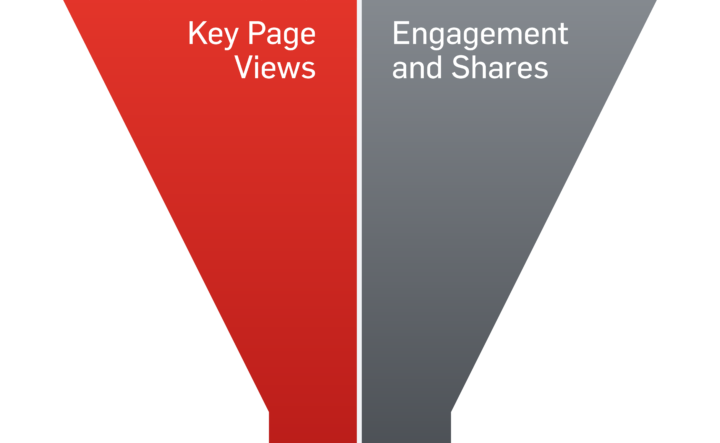
Suggested KPI: Key Page Views
The examples above are largely strategies that are going to create your best “Top of Funnel (ToF)” or “Acquisition” content. The goal of this content is to grab viewers’ interest and drive them to the landing page to learn more. These folks are new to your organization—just starting to enter your marketing funnel—and may require more time or messaging to turn them into purchasers. Once you capture their interest and drive them to the landing page, they’ll move down your funnel to be retargeted for those follow-up messages.
Those PREVIOUSLY ENGAGED (Bottom of Funnel)
Suggested KPI: Conversions (a.k.a. Sales)
For “Bottom of Funnel (BoF)” content—the content you create for those folks who are familiar with your brand—you have an opportunity to dive deeper with your content because they may not need as much additional context about who you are and what you do.
This type of content has the opportunity to connect with audiences by:
Pro Tip: Keep in mind that any ToF audiences that engage with your ad are likely to receive your BoF content too, so your messages for these segments should complement each other, but offer unique insights.
Let’s say your organization is presenting a Shakespeare play. Here are some ways in which you can frame these two types of paid content:
Paid Content
? Idea: You could leverage a popular direct quote from Shakespeare’s work, either as a graphic overlay on your visual asset or as a headline in your post caption.
Why it works: Someone who loves Shakespeare will instantly recognize and gravitate toward the Bard’s words. Once you stop them in their tracks with something they’re familiar with, it’s important to translate the additional, unique benefit to them that your production offers. Ask yourself why your production is unique, and share that with your audience to help contextualize their passion for Shakespeare into a can’t-miss experience at your organization.
Bottom of Funnel
? Idea: You could interview the director about how they translated Shakespeare’s work for this production.
Why it works: Someone familiar with your organization is more likely to know and care about the director—hearing from them will feel personal and relevant! Furthermore, because this person is interested in Shakespeare, the director’s expertise on that subject matter creates a unique opportunity to dive deeper into the work with education and insight which will help this audience member feel even more connected to something they already love.
Paid Content
Top of Funnel
? Idea: You could create a video trailer showing off the audience experience of attending a live production, pairing experiential video with production video of this particular work.
Why it works: Someone who loves live theater is invested in the communal experience, so pairing evergreen video showcasing a joyful theater experience helps them envision how their night out at your organization would be. This is about selling the overall experience, and pairing that framing with exciting production video helps to drive interest in why they should see this production right now.
Pro Tip: Experiential footage can be remixed and used again, so it’s worth investing in.
Bottom of Funnel
? Idea: Ask one of your actors to give a behind-the-scenes glimpse into what a day of putting on your production looks like.
Why it works: Behind-the-scenes content showcases the art of theater-making. Someone who loves live theater is interested in seeing how it comes to be, not just the result! Showing audiences the in-progress work on your production is perfect for audiences already familiar with the high-caliber nature of your theater experience. Therefore, this content can be more casual and doesn’t need to be as shiny and polished as your top-of-funnel content.

Now that we’ve got a solid grip on the paid side of things, let’s dive into organic content. For organic content strategy, you likely adopt the 70/30 organic content rule:
70% of the time: Deepen your relationships with your existing audiences
30% of the time: Sell to these audiences.
Your 70% content can be divided into two types of content:
Let’s break down how you can leverage these two types of organic content and what KPIs you should be focusing on.

Organic Content
Suggested KPI: Engagements and Shares
What: For deepening relationships with existing audiences, you’ll want to lean into exclusive content, be it behind-the-scenes content, team spotlights, or talent spotlights.
Why: People want to feel like they’re in the know, so it’s important to pull back the curtain and shine a spotlight on the how and why of your organization. You can also leverage content that builds trust and shows off the community you’re building through social proof.
? Creative: Great types of content for building trust and community are UGC from your existing audiences and sharing press coverage and reviews, or other buzzworthy ways people talk about your organization.

Organic Content
Suggested KPI: Reach and Follows; Engagement and Shares
What: To attract new audiences, you’re going to want to craft shareable content that has a strong point of view—the goal isn’t to be for everyone, it is to be for your people. Think about the range of interests your potential audiences would have, what current events they’re responding to, and how their values, interests, or how they view the world aligns with your organization and craft shareable content around those themes.
Why: The goal of these posts is to delight audiences. Ensure that this content is timely and relevant for them.
? Creative: Try creating a meme of a current event, share your take on an upcoming holiday, get at the core of your shared interest with a fascinating fact or statistic about your industry, or share your hot take on a disputed subject matter.

Pro Tip: Struggling to stay inspired? Download the Social Media Content Calendar for Arts Marketers! It’s free and chock-full of daily and monthly holidays, artist birthdays, and other ideas to keep your content wheels turning and even drive revenue—after all, 90% of consumers buy from brands they follow on social.
With 70% of organic content in your strategy that engages, delights and informs, you’ve now earned the right to sell to your audiences with the remaining 30% of your organic content.
What: Your 30% content is where you move the needle on conversions in your organic strategy.
Why: This content further educates your fans about your offerings and explicitly asks for the sale, donation, or other action with a clear and concise call to action.
? Creative: Look for unique ways to educate, inspire, and emotionally connect with audiences through content, like having a personal video invitation from an artist to buy tickets or a post that dives even deeper into the process of making the art with a designer on your staff.
Pro Tip:
The simple act of incorporating a call to action makes it 30% content, but that doesn’t mean this content should only ask for the sale. Be sure to sprinkle in what audiences want from social in every post: delight, education, and/or connection. Don’t miss your chance with this content to highlight the unique value you’re offering, and the benefit it will bring to your audience.
get started
To make the most of your content at every stage of the funnel, tailor your approach and make sure you’re identifying who you want to connect with and what the goal (or KPI) of that content is. This will ensure that strategic, thoughtful content goes out into the world and you’ll be even closer to reaching your goals!
Remember, you should always ask yourself these guiding questions to steer your content creation process:
Use the answers to quickly assess which type of content approach will best serve the result you’re hoping for, whether that’s building your community, increasing engagement, or making those sales!