Join host Monica Holt as she reflects on the moments that defined the Fall 2025 season, and hear cultural leaders remind us why connection, creativity, and collaboration are more important than ever.
Attract and engage your patrons with a fully-managed ad strategy across all your platforms.
We'll help your organization use AI to save time and spark creativity while staying grounded in your values.
Your creative assets + our impeccable execution = thumb-stopping social content.
Let's harness your website’s data and uncover opportunities to optimize and grow.
We’ll partner on a strategy to level up your email program and help your ROI shine.
Ensure visibility across the search landscape with a technically sound website and content that deserves to rank #1
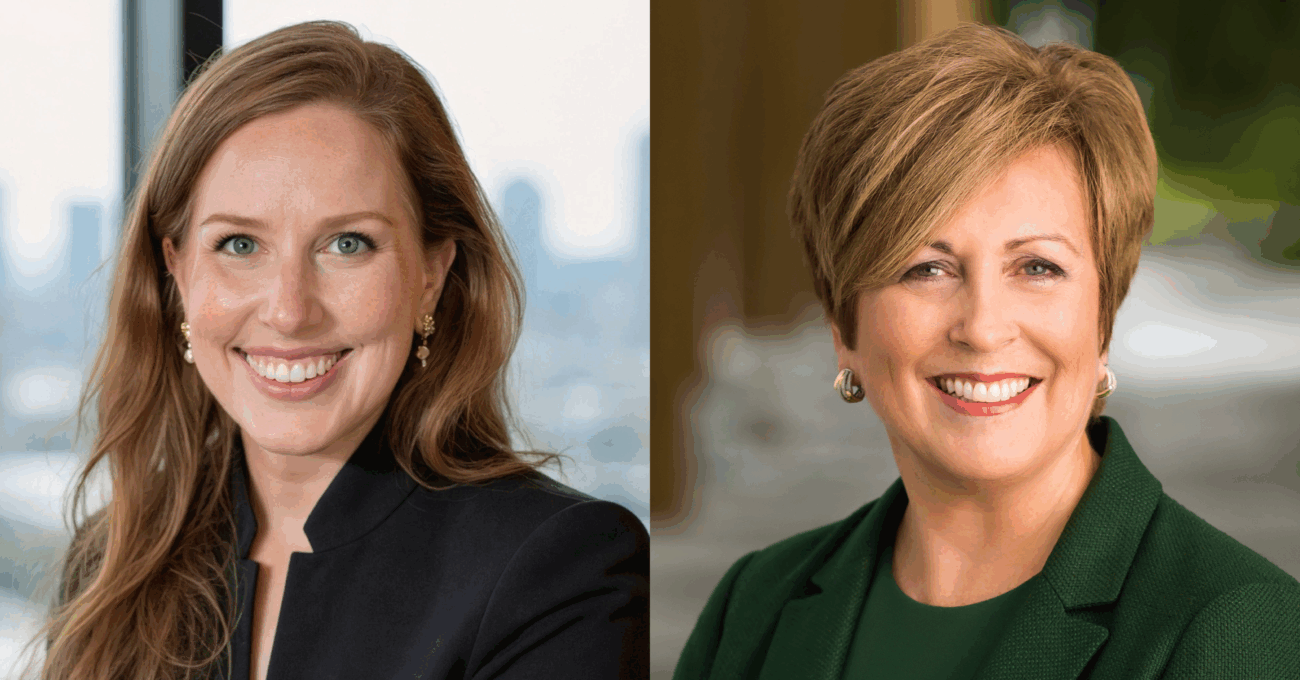
This episode is hosted by Monica Holt.
The future of arts and culture depends on leaders who can innovate, adapt, and inspire—and Deborah Rutter has been doing it at the highest levels. With five decades of experience leading premier cultural institutions across the United States, she knows what it takes to drive meaningful change while keeping artists and audiences at the center.
In this live episode from Boot Camp 2025, the former President of the Kennedy Center and current Vice Provost for the Arts at Duke University shares lessons from her career on leading through periods of transformational growth and building the financial and operational resilience needed to sustain our organizations.
Monica Holt: Welcome back to CI to Eye. I’m Monica Holt. Before the abrupt takeover in February 2025, Deborah Rutter had led the Kennedy Center for nearly 11 years, navigating economic crises, a global pandemic, and the complex politics of running our nation’s cultural center. But Deborah, of course, didn’t start at the top. She started in third grade picking up a violin because her teacher said everyone in the class needed to choose their musical instrument. In many ways, that moment is what forever linked her with the music. From Los Angeles Philharmonic to the Seattle Symphony, from the Chicago Symphony Orchestra to the Kennedy Center, and now as the Vice Provost for the Arts at Duke University, Deborah has built a career on a simple principle. The mission comes first. Not the ego, not the optics, but the stewardship of arts for every life. I had the great fortune of working with Deborah and learning from her across my time at the center. I was so grateful that she agreed to share some of that mentorship in an interview live from Capacity Interactive’s Boot Camp this year. So today we’re going to go back to the beginning: how a public school kid from Southern California became one of the most influential arts leaders in America, what it takes to run an organization that does 2,000 performances a year, and what happens when you have to lead through fires — both figurative and quite literal. Let’s dive into this special live recording of CI to Eye.
Good morning, Deborah. Thank you for being here. I’m going to surmise that all of us know quite a bit about Deborah Rutter and her pretty incredible career trajectory. And I’m not going to surprise you by saying that I have far too many questions for the amount of time allotted. So we’re going to jump right in and we’re going to start today by a little bit of a… What was your entry point into the arts and was this the career and the life that you envisioned for yourself when you were growing up?
Deborah F. Rutter: Good morning. One of the things about talking to a friend that you have known for a number of years is that she has heard every story a million times.
Monica Holt: They’re all good, though.
Deborah F. Rutter: So she knows this story. I grew up in Southern California where — in a public school. I went to public school. I didn’t grow up in public school. I grew up at home. And in the third grade, my teacher opened the cabinet and said, what instrument will you play? Not would you like to play, but will you play? It was a part of the curriculum and I chose the violin. And so I say that is the moment that has brought me here. My family has a love for music and it has been a part of — Everybody in the family has been involved in music in one way or another, but not working in it. Mostly just appreciating it, enjoying it, supporting it. But that moment of choosing the violin meant that every single decision for the rest of my life was around music and it led me to where I wanted to go to school, how I wanted to spend my time, and ultimately got me my first job at the Los Angeles Philharmonic. And so from there, that’s the story. Is that okay? Is that the story you were expecting?
Monica Holt: We’re doing great so far. When did you first know about a career in arts administration and stewarding the arts?
Deborah F. Rutter: Yeah, so my mother was the volunteer manager of the American Youth Symphony that I was a part of while I was still in high school. And it was through that program that she came to understand there was something called the American Symphony Orchestra League, now the League of American Orchestras. And the manager of the league said, well, why is your daughter working at Litten Industries doing inventory when she could work in the arts? And we really didn’t know that there was a career. So that dates me a little bit, as you can tell. And he introduced me to the folks at the LA Philharmonic. So I started working there the summers before my junior year in college, and that’s when I realized that you could actually work and have this as a career and I never looked back.
Monica Holt: Yeah, your career through certainly in classical music and understanding your origin story if we will with that makes a lot of sense. But I think a part of all of that is learning to build an artistic aesthetic alongside your kind of leadership philosophy. How does one start to develop a point of view on the arts?
Deborah F. Rutter: So I think I have some clarity about this now, but I didn’t know it that I was doing it at the time. And that same seed of interest that took me into making every decision, life decision, around music also led me to be curious about going to performances. And I go to performances all the time, from the time I was in high school through college and certainly after that I just went to see things and it wasn’t just music, it was whatever was being offered. And what’s really great was Los Angeles at that time was overflowing with music of all sorts. And so I was able to, yes, I heard a lot of classical music, but I heard a lot of jazz. I heard a lot of contemporary music. This is when all of those fantastic bands were young living in Los Angeles and performing at the Troubadour or in Universal Studios or the Greek Theater. And I just went to lots of shows. And so I say this to young interns coming into the field and others, which is in order to build your personal taste and your understanding and your ability to evaluate quality, you have to see a lot. It isn’t innate, it comes with consuming. It is like you don’t really know what great food is until you’ve eaten a lot of food.
And so it’s the same with this. And so I loved being at the Kennedy Center because we had absolutely everything and I could build my skills and my aesthetic skills in some of those art forms that I didn’t feel like I knew quite as well as others. But it really just means, go immerse yourself. Go, go, go. Because you’ll never be able to say, ‘Well, I think this is a project worth producing even though maybe we won’t sell as many tickets’ if you don’t know what the quality is and how it compares to what you’re doing elsewhere. And so for me to be able to have the larger job that I did meant that I really needed to have a full spectrum and appreciation for all of the arts.
Monica Holt: Yeah, I think that’s something that you imparted on many folks, certainly me in my earlier days in your tenure at the Kennedy Center, and I really took [it] to heart. And before I took the last position I had, I remember us sitting down, you looking me in the eyes and saying, you’re going to be here almost every night. And making sure that was really what I wanted. It absolutely was, obviously. But as someone who had had, previous to my work in the programming team, really been more of a theater kid focused on maybe theater, a little opera, a little ballet… taking advantage of any opportunity to go see the art is something that you really imparted in me. And also in creating employee programs so that they could have access, more access, to tickets. I know some folks have those programs up there, organizations, and I think continue to advocate for that. As you progressed throughout your career, how did you balance this kind of openness for new things and learning about new art that was out there with the need for you to be also making decisions about the programming and the quality of that programming that was a known factor?
Deborah F. Rutter: So you all are here at this conference so you understand the need for analysis and data to make decisions as well as your aesthetic and mission, passion for the arts. It is always different. And I will tell you that my heart and my very being is that, ‘Oh, I want to be able to do everything and I hate to pass up any really great opportunity.’ But ultimately for your institution to be successful long-term, you have to balance the scale of the programming that you offer. And this is where having gotten a business degree for me was very helpful because I could figure out how to evaluate the financial implications of some of the programming decisions as well as the aesthetic. And so from a very early time, I was looking at ways in which you could find those sources of revenues that support, that are higher, that support the programs that may bring in less revenues and balance that throughout the season.
Even when I was at the LA Chamber Orchestra, a small organization that only did 13 programs a year, we were looking at those concerts that where we could have higher program margin to support the ones that were lower and then figure out through the season what the balance should be, how many of the riskier ones could we take as long as we were balancing it out with the ones that were making more money as it were. And that is how we have approached it, whether you were doing 13 weeks or 2,000 performances a year, we were always looking at the data to tell us how to make those decisions and then marry that with the aesthetic. Is this really within our mission or is this a little too far outside of our mission?
Monica Holt: That’s right. And I think what always impressed me too was that your curiosity about what was out there, your interest in new programs or works that were being developed by artists that were either part of our family or that you had known were out there and wanted to start developing a connection with, it was a very impressive thing for you to be holding space for, as you were also running a very large organization. I am wondering how did you make time to stay curious and engaged in what was next or what was new when I know for instance that your calendar was booked 8:00 AM to… question mark in any given day, plus there were fires, sometimes literal, to be put out. So how did you maintain a space for that type of exploration?
Deborah F. Rutter: Well, I think that we all need to understand, what is the fuel that makes you run? And for me it is certainly… responsibility was one of those things that just kept me going all the time. I have a big sense of responsibility that keeps me focused, but what regenerates me, refreshes me, excites me is that exploration. So it’s really important for me to have those moments to do that, and I need to give in and give over to the time to do that. But I think it’s really important for us to understand when you are in a mission-driven role, which we all are, it’s not about counting the minutes that you do what, and that’s a hard thing to say, particularly in a world where we really want to think and need to think about work-life balance. So the question always is, to what degree are you getting re-energized by continuing to go to a show? Frankly, sometimes I think, oh my God, I’ve got to go to a show tonight, and then I sit down and immerse myself in it. And at the end I’m so grateful that I did. It is important for us to understand that this work is not nine to five. You can’t expect it to be. And that it is life’s work. That’s why I love saying art for life’s sake for a variety of different reasons. Both the one that says, you immerse yourself in this because it is your life.
I hope you’re okay with that. But also that it will make your life so much better. And so for me, it is about evaluating week to week, month to month to make sure that I’m having enough that fuels me. So for instance, I’ve only been on my job for two months and I realized about a month in that I was just about to miss going to see Mason Bates and Gene Scheer’s and Bartlett Sher’s new opera, The Amazing Adventures of Kavalier and Clay. And I looked at the week and I looked at the schedule and I said, oh my God, really? Am I going to fly up on Thursday afternoon and come home Friday morning because I have to be here in Durham, la la la? And I did because I cared about them and I really wanted to see this, and I’d been following it, and it was the best thing I’d done artistically all month because it took me to another place. It made me start thinking about the story. It was telling how it was using it, what the ingredients were. And so you don’t always know, but you have to give in and be smart about refueling the tank even when it doesn’t always seem like the right thing to do. Does that make sense?
Monica Holt: Yeah. I’m glad you talked about that. I think the arts as a lifestyle is such a key phrase. We both get the question a lot about work-life balance. Something I’ve even talked about with the capacity team is that work-life balance isn’t a one size fits all, right? The idea that there is a work-life balance for everyone that is universal as a myth, but it’s all about what are your priorities and what is your personal expectation of how you want your life to look and is your day-to-day in balance with that expectation? And I think that kind of reframing, understanding that we have chosen this lifestyle of being in the arts…
Deborah F. Rutter: Let me just add to that if I may. I have a 27-year-old daughter and she was —
Monica Holt: Shout out Jillian.
Deborah F. Rutter: Yeah, my daughter has decided that all of my friends are her friends, plus all of her friends as well that are not my friends. But I essentially was a single mom most of that time because her father lived in another city and my husband, while she was in the five to now age, lived in another city. I figured out while she was in school how to be as present for her as I possibly could, but it meant that I didn’t do other things. I worked and I was a mom. And for those 15 – 17 years, that was what I did. And in the time before that and the time after that, I had my other social life, the other things I got to do, but I figured out how to do it. It doesn’t mean that you don’t do stuff. These are all personal decisions and there is a way to be able to do that.
Monica Holt: That’s right. So in 2014 you became the president of the Kennedy Center, first female president of the Kennedy Center. I would say this was not just another CEO job. You had successfully been the head of organizations, for the Chicago Symphony Orchestra, for the Seattle Symphony… But what did it feel like to take on that mantle in that moment or of what even was the process like?
Deborah F. Rutter: So this is where Monica Holt and I are very different. She is analytical, thoughtful, process oriented, and just really goes through all the pros and cons. And I say, ‘Oh, that sounds great!’
Monica Holt: So you just said, ‘Sign me up.’
Deborah F. Rutter: And that’s why we’re friends and that’s why we work so well together because we balance one another. I was really, really interested in being in a place where I could hopefully have an influence around arts education and being in a place that had a mandate for arts education. And that [idea of] being an advocate for it across the country, which the Kennedy Center has in its legislation, was very appealing to me. I also had gotten really itchy feeling like I was in a box supporting just an orchestra because so many of those aesthetic and financial decisions were constrained by needing to support the orchestra activity. And you couldn’t take as many risks with genre-defining or -breaking programming.
And I was really interested in blending art forms and blurring the boundaries between art forms. And I knew at the Kennedy Center we would have every single art form and we could experiment a little bit more with that. So I was really excited by those two things and those are what brought me to the Kennedy Center. And then I realized how complex the organization was and what its human needs were, its social needs were, and its political, I mean political with a small P, just how it connected to the federal government. And that was hugely stimulating. So I got the bonus of what I came there for, but then I had the stimulation of really learning a lot very quickly by going there.
Monica Holt: Were there moments in the kind of early days of being in the role where the weight of the national presence of the organization, the expectations, the scrutiny, where all of that was heavier than you had imagined? How did you handle being in a very different equation, perhaps? You know, Chicago Symphony Orchestra is a national presence certainly, but the Kennedy Center is a different mandate.
Deborah F. Rutter: I have an innate ability to ignore certain things. So I was more worried about the organizational structure because the organizational structure that I inherited was a little looser than I needed because I needed to have some greater leverage points and more financial analysis and more support for the staff than the organization had when I inherited it. How did I do?
Monica Holt: Excellent. Very good.
Deborah F. Rutter: Also very true, because when you start a job in September, it’s hard because you’re already in the budget process and the planning process for the next season, but you’ve barely even started your own season and you’re still trying to figure stuff out, which guess what? I’m doing that right now. And so I focused so much on what was going on inside that beautiful white box rather than worrying about what was happening outside of it. And every time I went outside of it, I was like, oh, that’s fun. That’s interesting. It was a little bit of an easier time. It was at the end of the Obama administration. And so there was a sense that we knew how to work with the White House and the administration — we, the Kennedy Center — because there’s a huge amount of engagement between Congress and the administration and the Kennedy Center. And because we were at the end of an eight year term, we still had a couple of years, there was a little bit of a sense of let’s just keep the railroads running on time so that I really could focus internally, but I really wanted to make sure that the organization was healthy and had the capacity collectively to achieve its full potential.
Monica Holt: That makes sense. I’ve said this to others before: I still remember when they brought you on stage at the Terrace Theater, introduced you… the staff was very excited that you were coming there. But then I think the question on everyone’s mind — Michael had been there a long time, he had been there a long time, and a lot of folks in the organization had an experience. What is it like to have a new CEO president come in? And so how does that onboarding work? You’ve done it at several different organizations. Was there anything different about the Kennedy Center? Given that you just said you were focusing internally, that sounds like a muscle you had exercised before.
Deborah F. Rutter: Onboarding of CEOs is lousy broadly. Because you don’t have a boss to ask for questions, and sometimes the people around you have the information you need, and sometimes it’s hidden in that ex CEO’s email that you don’t have access to any longer. So it is confusing, and I think it’s really important. I’ve had a lot of really good guidance and support from my new team where they give me information, they feed me what they know I’m going to need, but it’s also so new that sometimes it takes me a little while to actually understand it. In fact, I said — we had a meeting on Monday. I said, I think I’m beginning to get the fact that you have given me this information and now I’m finally understanding it. So layering information in an organization like the Kennedy Center, it was so complex that it took me quite a long time to be able to understand because it’s a federal agency for the building, and then it’s a nonprofit for all the activity associated with it.
And so you live actually by two different types of financial guidelines and reporting and decision-making guidelines. And when you are doing literally 2,000 performances a year, it’s coming really, really, really fast. And how do you make those decisions? So you don’t have the ability to gather 15 people together and say, that concert in three weeks is not selling so well. Well guess what? We have 25 concerts next week that aren’t selling well, what are we going to do about it? So I think coming into a new organization for anybody, you have to give yourself a little bit of space for the learning, even when things are happening immediately. And how should we say this? Give yourself grace for the time to learn. And give others grace for the fact that you’re new and they don’t know how to interact with you as well. And this is true in any role at any level, and it’s not always for you to judge if you have a brand new boss and they expect this. The question is, how do you with grace say, I still don’t understand. I need some more time to figure this out. But when I came to the Kennedy Center, there was an expectation that I would have a new vision for the Kennedy Center. And what was interesting was that there were a number of projects that really needed immediate decisions, and I used that as an opportunity to say to my colleagues, okay, we got to sit down together because I don’t understand how this is going to get done and you need to help me figure it out. And it was probably the smartest thing because it immediately bonded us together in decision-making for the future of the Kennedy Center. Should I tell that story? Is — the REACH story? Is it okay?
Monica Holt: Yeah, I think so.
Deborah F. Rutter: So I’m sure there are people in this room who have heard me tell this story before, but when I was appointed in December of ’13, I wasn’t starting until September of ’14, but in February of ’14, I was asked to sign off on the 50% design drawings for the new expansion at the Kennedy Center. I’m like, I don’t know anything about this project. I had been told it was all done and that they had raised almost all the money and I shouldn’t have to worry about it at all. So I said, okay, to the staff, give me the program for what we’re designing. And they gave me a piece of paper and it had room sizes, and that was it. It was like, this room will be this size, this room will be this size. We need these. I said, okay, well that’s nice. Now I know the size of the rooms, but why are we doing it?
And they said, oh, that’s all we’re, that’s the description. So I met with the architects and they had some really beautiful ideas. Essentially it was their building, not the building that we at the Kennedy Center had asked for. Well, I guess it was because we only gave them the room sizes and that’s what they delivered. So I said, okay, we are stopping design and I am going to meet with all the staff. This was before I started there. I mean, Michael Kaiser, I have no idea — I never asked him how he felt about that. Anyway, so it doesn’t matter. It’s been open now for six years. It’s there. So I had, I dunno, three or four meetings and we gathered the artistic programming staff, key leaders in marketing and development, production, special events… anybody else? Education. And it was like a big charette.
And I said, okay, what do you need? Why do you need it? What are you hearing from the artists? You’re out traveling the world. The artists that we’re working with are out traveling the world. What do they say and what do they see about the future of the arts and how can we create spaces for them to make their work happen and thrive? And then I also started being invited to participate in meetings across — within the field, a meeting like this, and having conversations of ideas that were bubbling in other parts of the country. And we came back and we gave that information back to our architects. And most of the design could hold. We made a few connecting bridges, we opened a lot more windows, we added more storage. There’s still not enough storage. We took a building off the river, we took the building off the river because that was a really terrible idea.
And created something completely unique and really a manifestation of the work that was taking place in the center. The issue was that the programmers, their colleagues and the artists that they were supporting were not working together. They were working in silos. And this was the beginning of us doing work collectively so that we could learn more from one another and build programs that blended the artists from jazz and theater for young audiences or dance and contemporary music. And it gave us the foundation for this cross-center, cross-institutional programming concept and the idea that audiences wanted to be more immersed in the art as it’s happening and in the process of the art being created. And so that is how the reach came to be, and it’s how I got to know the staff as well.
Monica Holt: I think that’s right. I think it was transformational in how the center wanted to operate. And also the REACH spaces then became used for all this crosspollination. I mean, some of our favorite REACH memories in its short life since it opened in the fall of 2019 was the summers where you would have education institutes of all genres happening in that space along with professionals coming in. And you’d see this crosspollination in a very porous place where audiences could walk through. It was a remarkable project. It taught us all a lot. You’ve also led through major periods of disruption at the Kennedy Center and elsewhere — economic disruption, a global health crisis, political disruption. What is your framework for distinguishing when that type of disruption calls for a radical change in approach versus kind of steadying the ships and staying the course?
Deborah F. Rutter: So I have a propensity to action, which is why it’s very useful to have friends like Monica, who says, okay, I know you want to do something. Let’s just talk about this a little bit longer. But part of the propensity to action is about responding to — demonstrating to those who are concerned about what’s happening, that I am actually doing something about this. And because — if I needed to think, but there was a fire going on over there, you would say, what the hell is she doing? Why is she thinking instead of putting out the fire? So it is a very delicate blend of knowing when to act and when to step back and contemplate. And there — almost everything, even a fire — we have a good fire story, believe it or not.
Monica Holt: I don’t think it’s been told ever.
Deborah F. Rutter: Okay, we will.
Monica Holt: Okay.
Deborah F. Rutter: Or remember the air conditioning going out? That was…
Monica Holt: No, that’s trauma.
Deborah F. Rutter: Even worse.
Monica Holt: That’s not fun. That was the first run of Hamilton. Yeah, exactly. Exactly.
Deborah F. Rutter: It was terrible. So there is always, in every single crisis, there is a moment for demonstrating action and reflection before you go too far so that you make the right decisions. And it’s like, if there’s a fire, the first thing you need to do is put the fire out. But if it is the Great Recession… And so in 2008, 2007 and 2008, it was watching what was happening from a financial perspective and figuring out what you needed to do in the immediate term, near term, medium… as time went on and making the adjustments that were both visible so that people knew you were doing something about it and doing long-term planning. And I’m sure that when I think back on the Great Recession, which was really devastating because it happened — there was a lead up to it and we were paying close attention to the lead up, and then there was the action and the increasingly horrific action of the stock market and the economy declining.
And I was obsessively checking the stock market every 20 minutes because I just was like, what is happening to us? But you couldn’t make an immediate decision because of the planning cycle that you’re in, but you can make decisions about how to talk to your people, how to engage with your broader community and respond over a period of time. And then of course, at that time, we needed to make some pretty significant decisions that were financially related and then ultimately a lot of really long-term financial decisions. In the case of the pandemic, we had been sensing something was going to happen. But I’ll never forget walking around the Kennedy Center at 7:25 before a couple of shows were starting on the 12th of March, having just gotten off a conference call with the mayor and with David Rubenstein. And the mayor said, we’re closing the city down tomorrow.
And David and I were walking around the Kennedy Center looking at all these people walking into shows and we’re like, OMG. And they don’t even know what’s about to happen tomorrow. It was pretty terrifying.
Monica Holt: Surreal.
Deborah F. Rutter: The key is trying to figure out how to balance your own anxiety concerns and thinking what is necessary for the immediate term and the long term. And I will say that as a mission-driven person, it has always been easier for me to flip into the mode that says, what is going to be important for the mission of our institution long term, and how do I make decisions that are compassionate and appropriate for our people while we also think about what the mission is for the long term?
Monica Holt: Yeah, I mean, there are times when you’re looking at long scale impacts like that, but since we said we would tell the fire story, there are also times where you take action pretty quickly and have a real show-must-go-on mentality. The quick version of the fire story is that at the Kennedy Center, there are theaters upstairs on the terrace level and there are theaters on the grand foyer level, and the Terrace Theater happens to be above the opera house.
Deborah F. Rutter: Theater Lab.
Monica Holt: The Theater Lab happens to be above the opera house. How quickly I forget. There was a pretty small backstage fire on a Saturday morning in the Theater Lab, and what puts out fire but a really excellent water distribution system? But what happens when those sprinklers all go off in the theater above the opera house is that you no longer have a fire problem, you have a flood problem. And so there was an evening performance that night in the Opera House of the Scottish Play as an opera. All of this, in hindsight, you’re like, oh yes, of course, this makes a ton of sense. And I’ll never forget being on the calls that morning with you. You walked through and you could hear the sound of the water coming from upstairs, but in an act of ambition and resilience, do you want to tell folks what happened that night?
Deborah F. Rutter: It was the final night for the opera and they didn’t want to lose it. This is the stubbornness of Francesca Zambello and Timothy O’Leary, I’ll tell you. And it was the Saturday before Thanksgiving, and we had Nutcracker coming in the following week, which the stubbornness of Deborah Rutter didn’t want to lose out on the revenues associated with them.
And lo and behold, first of all, we had to get SERVPRO. How many times have you seen that SERVPRO? It wasn’t actually SERVPRO, but it was a company like SERVPRO because I called the facilities guy and said, come on, get SERVPRO. They can clean it up. Can we get it in this afternoon because we have to have a show tonight? Well, it was too much. The water was literally that deep on the floor of the opera house. But George Washington University is literally five blocks away from the opera house and the opera. They have a beautiful theater that was set up to be able to do opera theater on Sunday. This is Saturday night. So lo and behold, they said, sure, you can bring your opera company here, the opera, and this is all at two o’clock in the afternoon because we didn’t decide that we couldn’t open the theater until about two o’clock in the afternoon.
They moved all of the orchestra, all of the cast, all of the chorus and all of the costumes over to Lisner, which is Lisner Auditorium, which is at GW. And they hired shuttle buses. They did a mass communication to everybody who had a ticket and said, park at the Kennedy Center and get on the shuttle bus and we’ll take you over to Lisner Auditorium, and/or park at Lisner if you want and come on in. And you know what? It was stunning, absolutely stunning. Performance went off without a hitch. I got there really early. I thought there would be really a lot of people complaining and griping and blah, blah, blah, blah. Everybody’s waiting for the show to start. Absolutely fabulous. And this is the story that goes into the books because it is all about the show must go on, because they just didn’t want to give up on the last show of this run. And the next part of this is that the housekeeping staff and that SERVPRO equivalent organization that we hired and our facilities team got the place cleaned up and we were able to welcome people in for Tuesday evening dress rehearsal or Tuesday afternoon dress rehearsal, and then performances through the rest of the week. And it is about teamwork, it’s about commitment. It’s about actually having an incredibly clever production crew. I mean, Glenn was… Shout out to Glenn Turner, who is one of the most brilliant guys anywhere, but the show must go on.
Monica Holt: And that’s the fire. Fire slash flood.
Deborah F. Rutter: And air conditioning, the two of them.
Monica Holt: I will not talk about the air conditioning. I’m still very scarred from that. So one thing leads to another. Nine months ago to this day… Yeah, here we go. I was in LA with our colleague, Ellen Palmer. One of our broadcast shows… we were looking for a new broadcast partner. We had spent several days pitching to studios. We were feeling like we’re ready to go, we’re going to have a great broadcast this year, get on a plane, land at DCA, I get off the plane. And The Atlantic has published an article that more or less is foretelling based on their inside sources what is about to happen with the Kennedy Center Board. I see this on my phone at baggage claim. I was planning on going home. I haven’t gone for a while, and I got in an Uber and I went to the Kennedy Center, and I went into your office and you were sitting in a chair and Eileen Andrews, our head of press, was sitting on the couch.
There were a couple, I think one or two, other executives. I took on the great Kennedy Center programming tradition of grounding oneself and I sat on the floor in the office and kind of asked what’s happening. And a lot had happened that week. I think nothing that would’ve predicted exactly what was to come, but there was certainly unusual activity. And as conversations go, we talked about what was happening, and then we all were just talking and catching up. And I say this because I remember we were talking about something completely unrelated and we were laughing. Someone had made a joke, and then Eileen gets on her phone a text message from someone with a screenshot of the Truth Social post from Trump about his dismissal of the Biden appointees and his dismissal of our current chairman of the board, who of course was David Rubenstein.
And so that weekend set off a lot of activity that you had to be managing in front of the scenes, behind the scenes, et cetera, a lot of questions from the public. At the same time, Alvin Ailey was in the building for their annual — annual until next year — tradition of their weeklong runs at the center. Schmigadoon, which would be our last Broadway Center Stage, and which is coming to Broadway soon, that had its final weekend. So activity was still happening. Your grace in that weekend, in the days after that… Your grace, the way that you were supporting the staff, that you were supporting the institution, was stunning and incredible. But it had to be hard. You were putting on a brave face. But how do you even start processing when something like that is happening and you are still juggling both the job, the crisis, and the mental toll of what’s occurring?
Deborah F. Rutter: I’m not sure if there is a prescription for this. I can just say that the responsibility is one of those I don’t even — is responsibility a value? I hold that sense of responsibility highest. I am responsible for my organization. I am responsible for communicating. I’m responsible to my people, and I put that above everything else. Now, you can either say that that’s good or bad. It isn’t like I don’t take care of myself eventually as well, but in that moment, I don’t go to, what does this mean for me? And I think that’s really an important piece of leadership. Successful leaders don’t put themselves first. They put their institution and their mission first. At least in my opinion. It does mean that there are moments where you personally are deeply affected. And that did happen, but I don’t think I started processing for quite a long while.
And that’s why I was able to get through not just that day, but that weekend, all of the next week and a couple of weeks after, and after that started processing. There are moments where it’s like, what did I do wrong? How come I’m in this situation? I didn’t do anything wrong, obviously, but how did I end up in this situation? So I really hold that to be a hallmark of who I am and how I lead, which is it is about the institution and I have a responsibility to the institution. I also am not one who spends a lot of time going down the rabbit hole, guessing what might happen next. So people said, did you see this coming? Well, in hindsight, we saw many things coming, but for the longest time, literally from November 6th to February 7th and February 12th, we were in the mode of thinking we’ve worked with this administration before. We were fine, we were successful. He actually gave us more money than we had asked for in appropriations during his term the first time. So there was sort of a, we can do this. It means that we’ll tweak and adjust. And it’s never happened where the president of the United States has thrown out or terminated the tenure of board members before, but there’s nothing that says he can’t do that. So we’ll figure out how to make that work.
But it was only a couple of more through social releases that led us then to see, oh, maybe he’s taking it over more completely. So the good news is that I was able to piecemeal some of the decision-making along the way, and I spent that weekend desperately trying to reverse the decision around David Rubenstein because I thought if David Rubenstein could stay as chairman of the board, he could protect the work of the Kennedy Center and work with the new appointees that President Trump would put in place. But clearly in the end, President Trump decided that he would like to be the chairman. So it cascaded from there.
Monica Holt: Yeah, I mean, a lot will be left unsaid here about the sacrifices and decisions you were making that weekend, and that maybe is a whole other interview one day down the road with a little more distance.
Deborah F. Rutter: There’s this new thing that Netflix has created, ‘Famous Last Words.’ I’m not planning on dying soon, but you know…
Monica Holt: As you started to process what had happened even in the weeks later, how do you maintain a sense of your purpose and identity after years of pouring it into an organization that had such global purpose? How do you start to reconcile with that? I mean, this certainly was a dramatic and unexpected twist, but I imagine also leaving any other role, your 11 year tenure myth of all of your previous roles, what is that transition like and how did you think about that?
Deborah F. Rutter: Well, whenever I made a transition from one job to the next job, I had the anticipation of the new role to look forward to. And in the time prior to coming to the Kennedy Center, I actually had tried to build three months into time off, and I worked halftime for the Kennedy Center during that time. But this one was different of course. And again, to this day, each hour seems to unfold with new information. And so I think I might not know for a couple years really how I’m processing it.
Monica Holt: Yeah, that’s fair.
Deborah F. Rutter: The good news is that some work that you and I had started at the Kennedy Center around the role an organization can play at advocating for art in adjacent or integrated or in support or leading other activities in other parts of our life is something that I am able now to do at Duke.
And it’s very exciting. So in addition to the programming that we offer, in addition to the activities that we support on campus with students and faculty, we’re also exploring ways to integrate the arts departmentally. And so I’m able to immerse myself in the work that we had really collectively been active in pursuing around art and wellbeing, art and climate art and technology, art and social justice, et cetera. And there’s a lot of enthusiasm, mostly because Duke is a hugely interdisciplinary university and everybody thinks that way anyway, so it’s been really wonderful. So I’ve been able to put all of that other less pleasant stuff in a box somewhere in the back of my brain or in my heart somewhere, and we’ll find out if I’m processing it by being in another world or if I’m processing it or… Grief is not something that necessarily goes away.
And there have been plenty of… I’m really looking forward to 2026 so that it’s no longer 2025. A lot of not great things have happened in 2025. And I think that understanding and processing — what’s the better word than processing? Acknowledging the grief of the loss of so many things in this year, and especially this work, because the thing about the Kennedy Center is that you all see the activities that we did, but we all felt how we did it. And our loss is not — is of course some of the things that we did, but our loss is how we did it and how we connected to one another. And we are actually more aware of that piece now that it’s been ripped away from us. And that’s the part that’s harder to face and think about.
Monica Holt: Yes. Reflect in joy with me for a minute, and you’re going to be mad that I’m asking. Do you have a favorite memory or something you’re most proud of from the Kennedy Center? It’s like choosing a favorite child, I know.
Deborah F. Rutter: Well, those are two different questions.
Monica Holt: Great. Okay.
Deborah F. Rutter: So there are millions and millions of memories that I don’t know that there’s a repository of any one person or way to describe them because there’s the — I think one of the happiest moments was during the REACH opening festival. Do you remember when we had —
Monica Holt: I remember all of it.
Deborah F. Rutter: Yeah, I know. But do you remember the night when we were doing hula dancing on the stage? The team did a brilliant job of the broadest particular programming you could’ve ever had. And we had indigenous people, we had Broadway stars, we had Beyonce’s choreographer teaching dance, we had ballroom dancing for seniors. We had a gigantic pigeon from Mo Willems. We had absolutely everything. But there was this one night, it was at sunset, and we had hula dancing on the outdoor stage. Beautiful. And it was packed with people, and some people were standing and dancing too. And in the REACH rooms themselves, there was a lot going on as well. And it is one of those things because I’m very much an outdoor person, and to be able to sit outside on that beautiful September day, that was pretty magical as I recall. There’s also a funny story, which is that we did not have a Kennedy Center honors in December of ’20, but we had an honors in May of ’21, and it was much smaller. We did it outside under a tent, but we had Garth Brooks, Joan Baez, Midori, Debbie Allen, and…
Monica Holt: Was it Dick Van Dyke?
Deborah F. Rutter: Dick Van Dyke. It was crazy. It was one of the best ones. It was one of the best ones because — anyway, but there’s this tradition where you go to the White House to receive, to be congratulated by the president of the United States. You actually receive your medallion from David Rubenstein, and it’s really from the Kennedy Center. But we went to the White House still to do this, and we all had to be tested, and it was only two people. So David Rubenstein and I were two, and then Garth Brooks and Trisha Yearwood, and everybody had their plus one, and Joe Biden, bless his heart, was delayed. This is something that happened a lot. And we were hanging out. So it was 12 of us, those five plus one plus David and myself, and they were joking around and Garth Brooks was sort of in the corner. He knew the others less well, and the others all kind of felt comfortable or knew one another or something. But Joan Baez, God bless her, started singing. And Dick Van Dyke started dancing, and Debbie Allen was dancing with him, and Garth Brooks and Trisha finally came. Everybody joined in and it was a ‘we shall overcome’ kind of moment. It was really just pretty fantastic.
Monica Holt: I’ve never heard that story.
Deborah F. Rutter: Really?
Monica Holt: Really. Look at us!
Deborah F. Rutter: Anyway, and it was one of those things that only 12 of us experienced it, Joan and Dick told Joe all about it, and then he wanted them to reprise it, but it was not quite the same, obviously.
Monica Holt: That’s incredibly special. Okay, so one final thing that I will share with the group, because I think it’s relevant also now to the work you’re doing is that on the day of the board meeting where President Trump’s newly appointed Kennedy Center board members then elected President Trump, the chairman of the Kennedy Center Board, and they appointed a interim executive director who is now the man serving as president. And that was the day that Deborah was asked to leave. The staff of the Kennedy Center was gathered in Studio K, which was luckily in our Club at K setup for that. And Deborah came in, I’ve seen her give a lot of speeches. Deborah has given many more speeches than I’ve seen her give, and they’re always excellent. This was three minutes from the heart, one of the best. And the one phrase that I just wanted to share with everyone is something that you’ve said at many of these speeches, but never was it so potent than in that moment. And it’s something that’s been really etched on my heart ever since. And so I just wanted to take a minute to share that with this group, which is, ‘I believe that if every child had art in their school day, our world would be a different place.’
And I think that, yeah, I think that holds true for all of us these days and the work that we’re doing. But I also think as we watch you move into the education space, and you started this conversation talking about the importance of arts education… Certainly we normally think of that in a kind of elementary school education, and that’s where a lot of that sentiment comes from. But you’re redirecting your energy into something that has critical importance and tentacles out back into that education system that we know the arts has such an important role to play in from early childhood development to career trajectory. You talked a little bit about your time at Duke so far, and I know it’s early days, but what is that like to now be immersed in a college campus and what opportunities does that present? Maybe what are you learning from some of the students you’re meeting on campus, too?
Deborah F. Rutter: I see we have two minutes and 22 seconds left. This is about a 20 minute answer.
Monica Holt: Ignore that. Sorry, Christopher. Ignore that.
Deborah F. Rutter: I really, really believe that there is reason for hope, and I know there is a fair bit of despair and concern, but we need to unleash the power and the creativity in our young people and give them the opportunity to really fully explore who they are and give them the tools for artistic expression. One of the remarkable things about Duke is that we have art departments. We have music, dance, theater studies, creative writing, film, art, art history, visual art. And most every student who goes to Duke, even if you’re studying economics or computing or biology, has a very big interest in other activities as well. And it’s highly encouraged at Duke. So we have lots of people. We have, I don’t know, eight dance majors, but we have lots of dance minors and we have, listen to this, 500 dance clubs.
I said, are you sure it’s 500, not 100? 500 dance clubs.
Monica Holt: Wow.
Deborah F. Rutter: So I am excited to help support and uplift the departments, even though that’s not really my responsibility, but to do so to support the young people having access and engagement with artistic activity. And my job is to try and figure out how to make all of the artistic activities that take place across campus more because rather than the individual pieces, all of them together and making it more apparent and providing those greater opportunities for students to engage so that they understand their world even more so by having art as a central piece of the learning process, not just something that they do on the weekend or as a workshop here. So I am not sure how long it takes or if it can happen, but that’s my opportunity and that’s what I’m getting [in] the feedback from the students as well.
Monica Holt: Yeah. I know there are some exciting things that you’re looking forward to in the future, and I don’t want to get too deep into that because I’ll just have to have an excuse to have you back so that you can talk about everything happening at Duke. But I think we’re all really excited to watch how your role there continues to set an example for so many of us about how the arts are integral within all of the systems that are impacting our lives today. So we are at time. I told you I had too many questions, but I can’t let you leave without our final question, our CI to Eye Moment, which is: if you could broadcast one message to arts organizations across the states, around the world, to their staff and boards and artists, what would that message be today?
Deborah F. Rutter: Artists, their art, their creations, and the organizations that support them are the most important piece of our society today. We and they collectively are telling the story of who we are right now. We’re holding the mirror up to society, telling the story of who we are today. Do not back off. Do not shy away. Be strong, be honest, be humble, but do not back off. It is really important for our artists to continue to express themselves and create their art, and it is our jobs to support them in a safe and encouraging environment.
Monica Holt: Thank you so much.
Thank you for listening to CI to Eye with Monica Holt. If you enjoyed today’s conversation, please take a moment to rate us or leave a review. A nice comment goes a long way in helping other people discover the show and hear from leaders in the arts and beyond. If you haven’t already, please click the subscribe button wherever you get your podcasts. We’ve got some pretty incredible episodes coming your way, and I wouldn’t want you to miss them. This episode was edited and produced by Karen McConarty and co-written by Karen McConarty and myself, Monica Holt. Stephanie Medina and Jess Berube are our incredible designers and video editors. Our music is by whoisuzo. Don’t forget to follow CI on Facebook, Instagram, LinkedIn, YouTube, and TikTok for regular content to help you market smarter. You can also sign up for CI’s newsletter at capacityinteractive.com and you’ll never miss an update. And you can always reach out to let us know who you’d like to hear next from on CI to Eye.
Deborah F. Rutter is an internationally respected arts executive with over nearly five decades of leadership at premier cultural institutions; she is currently serving as Vice Provost for the Arts at Duke University. From 2014 to 2025, she served as the first female president of the John F. Kennedy Center for the Performing Arts—the nation’s preeminent cultural center—where she led a period of transformative growth while centering artists in all aspects of the institution’s work.
A fierce advocate of artistic voices, Rutter believes artists hold a mirror to society, and her role is to uplift their work. She has collaborated with and established strong artistic collaborations with renowned artists throughout her career, including Renée Fleming, Jason Moran, Q-Tip, Mason Bates, Gianandrea Noseda, Carlos Simon, Riccardo Muti, and Yo-Yo Ma. During her tenure at the Kennedy Center, Deborah expanded the institution’s artistic and educational programming across genres and audiences including the introduction of Social Impact programming in 2019. She also developed an innovative exploration of arts and well-being in collaboration with National Institutes of Health and the National Endowment for the Arts, as well as establishing the Hip Hop Culture Council to create new pathways and deepen public knowledge of Hip Hop, while strengthening the burgeoning Hip Hop Culture.
Notably, Deborah led the planning, design, construction and celebrated 16-day opening festival of the Center’s first physical expansion—The REACH—encompassing 72,000 sq. ft. of indoor space and 130,000 sq. ft. outdoor green space to accommodate an increased number of festivals, exhibitions and community impact initiatives. Deborah led the REACH capital campaign which surpassed its $250 million goal, raised entirely through private contributions. During her tenure, Deborah was also responsible for increasing the Kennedy Center’s endowment by sixty-two percent to $162 million.
Beginning her career at the Los Angeles Philharmonic, Deborah went on to lead such esteemed cultural institutions as the Chicago Symphony Orchestra (2003–2014), where she secured Riccardo Muti as music director and cemented the CSO’s reputation as a top-tier orchestra. As executive director of the Seattle Symphony Orchestra (1992–2003), she oversaw the construction of Benaroya Hall which accommodates two performing halls in a complex that now defines the landscape of downtown Seattle, occupying an entire city block in Seattle’s downtown core.
Deborah serves on the boards of Vital Voices and the American Academy of Arts and Sciences. She is the recipient of numerous awards and honors, including honorary doctorates at Duke University, American University, Roosevelt University, and Cornish College, among others.
A pianist and violinist, Rutter earned a bachelor’s degree from Stanford University and an MBA from the University of Southern California (USC).
Join host Monica Holt as she reflects on the moments that defined the Fall 2025 season, and hear cultural leaders remind us why connection, creativity, and collaboration are more important than ever.
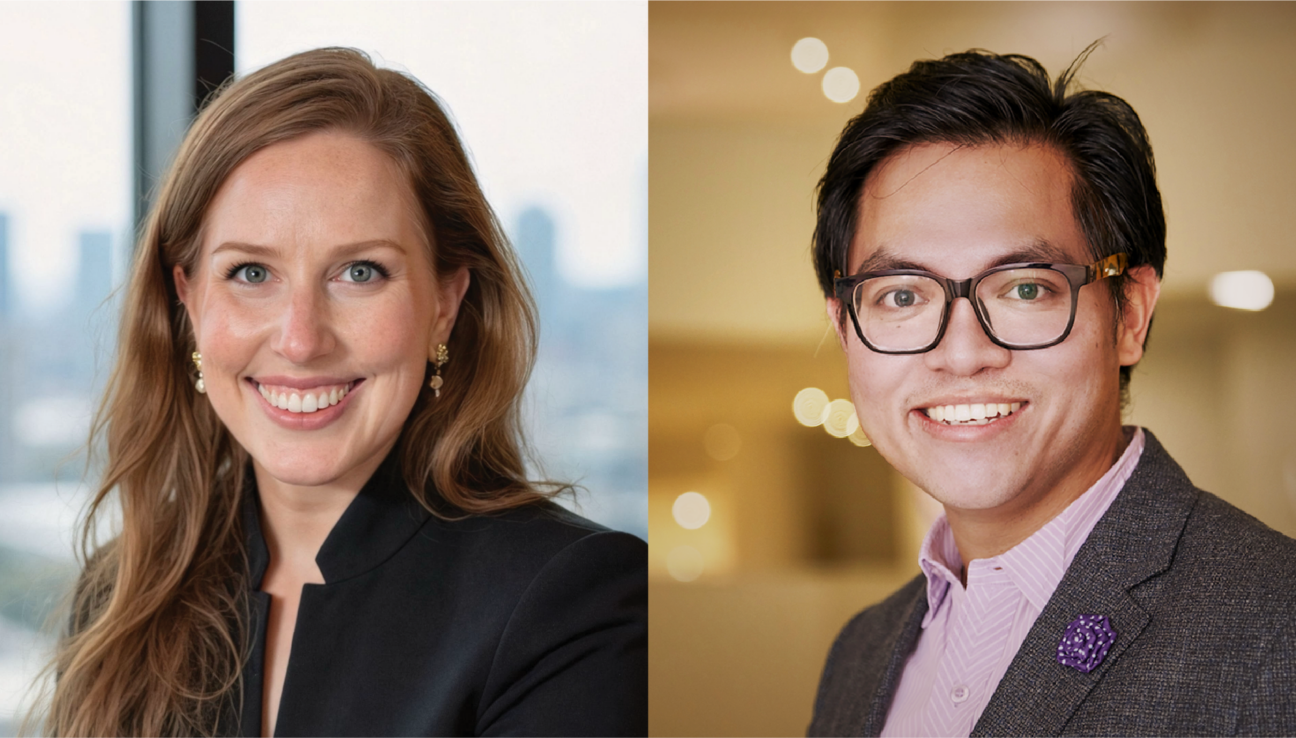
For Ming Min Hui, there’s no single “right” path to arts leadership—only the one you build through curiosity, courage, and a willingness to evolve.
Her career began far from the stage, in finance and corporate strategy on Wall Street. Today, as Executive Director of Boston Ballet, she sees that wide-ranging experience not as a detour but as the engine behind her leadership.
In this episode, Ming reflects on the value of expansive career paths, the power of collaborative problem-solving, and how she uses her business acumen to deepen the relevance of a 400-year-old art form in Boston and beyond.