Skip to content

Resources /  Podcast

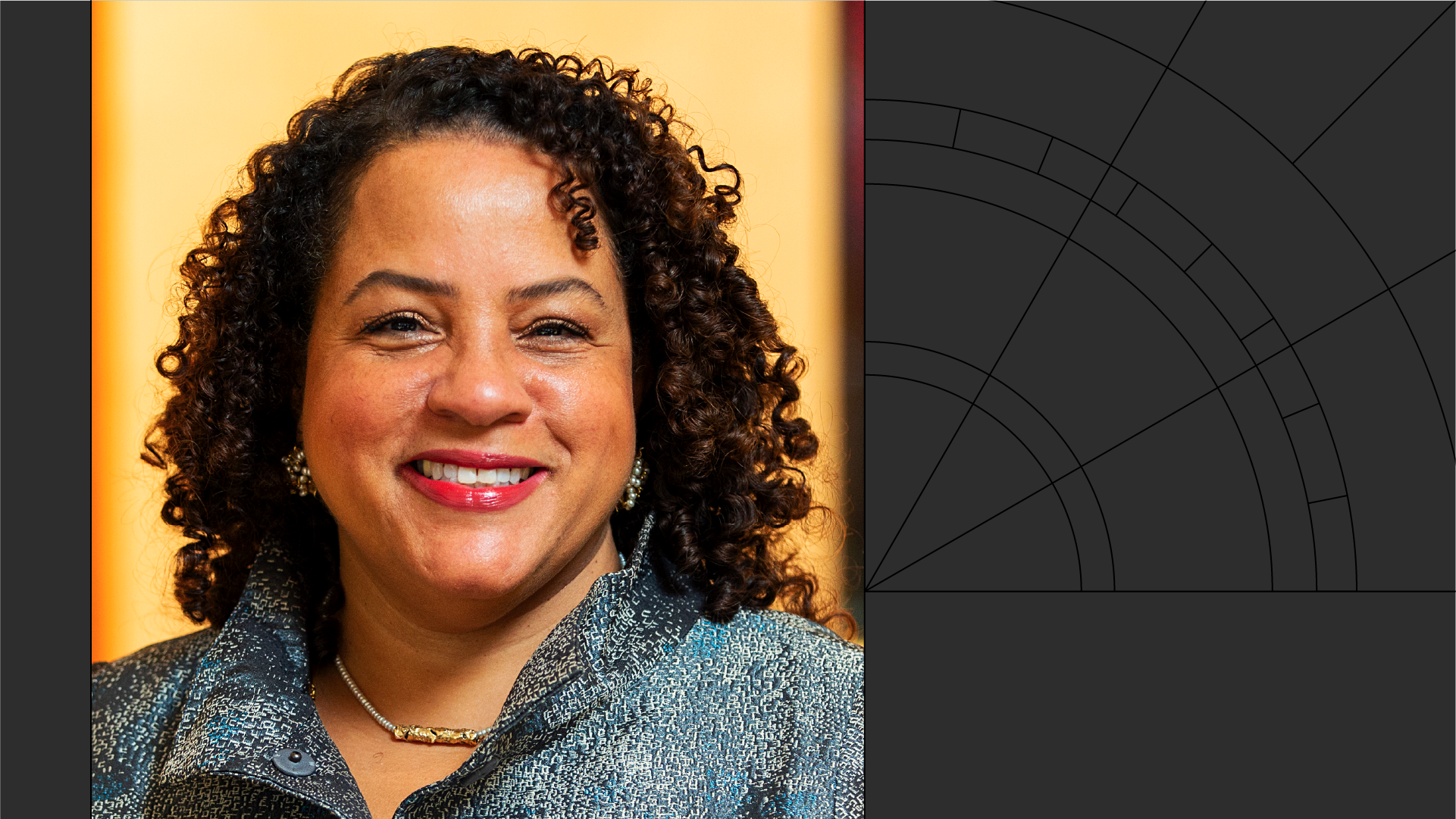
Marilyn Jackson, President and CEO of the American Alliance of Museums

This episode is hosted by Monica Holt.

Ep 198
Tune In

IN THIS EPISODE

Museums are economic engines, gathering places, and vital contributors to civic life. But to secure their future, we need to tell a fuller story of the many ways they serve our communities.

That’s a challenge Marilyn Jackson knows well. Over more than two decades in the museum sector, she’s held leadership roles at the Griffin Museum of Science and Industry, Chicago Architecture Center, and Muhammad Ali Center. Today, as President and CEO of the American Alliance of Museums, she’s working to strengthen the field through shared learning, collaboration, and advocacy while helping museums make a more compelling case for their value.

In the wake of the 2026 U.S. midterm elections, Marilyn reflects on the importance of building bipartisan support for museums and communicating the many ways they serve their communities. She also shares leadership lessons from her wide-ranging career, and offers her vision for a more connected, resilient, and thriving museum sector.

Transcript

Marilyn Jackson: As a marketer, I felt that we’d lost the narrative a bit about what museums are. And they’re not just big marbled institutions that have priceless art. They’re places where people get naturalized that run afterschool programs, literacy programs, and there’s so many ways that museums support our communities. And I don’t think that people really understand that.

Monica Holt: Welcome back to Arts Unscripted, a capacity podcast. I’m your host, Monica Holt. When most people picture a museum, they think of marble halls and priceless art. Today’s guest would like us to picture more than that, places where people get married, become citizens, find jobs, send their kids to summer camp, and come together in moments of grief and celebration. Marilyn Jackson is the president and CEO of American Alliance of Museums. AAM supports more than 22,000 museums across the country. Her career has taken her from strategic planning at Six Flags, to marketing at the Museum of Science and Industry, to leading the Muhammad Ali Center, and now to the American Alliance of Museums. Today, we chatted about the components of fun and the rising leaders ready to step up. It’s a conversation about wonder, connection, and of course, collective joy. Let’s jump in after a quick word from today’s sponsor.

Nel Shelby: At Nel Shelby Productions, we give dance a life beyond the stage. We’re a full service video production team. We livestream performances, film with multiple cameras, make stunning trailers, and tell stories through film. My team of dancers turned filmmakers know how movement feels, and we capture it with heart, intuition, and joy. From intimate studios to grand theaters, we bring your vision to life. Visit nelshelby.com to check us out. We are ready to discuss your next video project.

Monica Holt: Marilyn Jackson, welcome to Arts Unscripted. Thank you so much for being here today. We so appreciate you taking the time to chat with us.

Marilyn Jackson: Well, I’m honored to be asked and happy to be talking to you today.

Monica Holt: We like to start out every episode, kind of where the art first came into your life. So do you have any memories or experiences of the earliest times you can remember art being in your life?

Marilyn Jackson: Yeah, I grew up in Brooklyn, New York, and I went to this public school that was Montessori inspired, and they had a phenomenal art program there. I was exposed to things like ceramics and collage and even printmaking. They also had a really strong music program. They had a choir and everybody learned to play the recorder.

Monica Holt: Listen, I was a recorder kid too. I sign off on that.

Marilyn Jackson: Yes. Yeah. And then in junior high school, I joined the band and played the saxophone and really took that quite seriously, seriously enough to get me into the LaGuardia High School of Music and Art in New York City.

Monica Holt: That’s right. That’s right. So the saxophone, can I ask how you decided on the saxophone?

Marilyn Jackson: Truth be told, I actually started out playing the bass in the string program, and after the fall semester, they cut the string program. And so they walked us into the band room and they said, “Pick an instrument.” And I think I knew somebody sitting in the saxophone section.

Monica Holt: What I love hearing is I feel like there are so many folks, not just in our industry, but overall, who have this experience of pick an instrument where with no background or anything else, just come in and pick your instrument and go. But yeah, knowing someone is probably the best endorsement there can be in a lot of ways. So you were at LaGuardia and then afterwards when you went to school, you were at Cornell and you ended up studying biology and society, and then you go on to earn your MBA at Northwestern and you’re just building this so wholly complete and multifaceted human. At what point did you know you wanted to pursue an advanced degree after college?

Marilyn Jackson: When I graduated college, I was totally unprepared for the work world, and I ended up getting a job helping an organization run their tri-annual marketing research program. And then that led to another role where I was hired to be a database manager. And six months after managing this very large, very complicated, but very high revenue generating database for this trade association, they got their first competitor and they were besides themselves and they said, “We must differentiate ourselves from this new competitor. We don’t know where they’re getting their data from.” And they said, “Hey, you can work on this, right?” And I just started doing marketing stuff and I really liked it. And I was like, “Oh, this is marketing.” So I did that for three years, but realized I was using a lot of gut instinct and asking people questions and I said, “I should probably go get a degree in this if this is really what I want to do.”

Monica Holt: That makes a ton of sense. One thing that struck me about your CV is before the Museum of Science and Industry, you were working in strategic planning at Six Flags. And I always think it’s so fascinating, particularly for those of us who are in arts and culture or which tends to be more of a nonprofit field, but have their start in for-profit entertainment. What did working there at Six Flags teach you about that kind of experience creation that people want to be a part of and what lessons do you keep with you?

Marilyn Jackson: Six Flags was such a seminal experience for me. I learned so much there, learned a ton about operations. They were excellent park operators. In fact, in the system at the time, which was smaller than it is now, they had the shortest operating season of any park, but the highest revenues.

Monica Holt: Oh, interesting.

Marilyn Jackson: And I have held onto a lot of that learning and brought it to my museum work. But really what theme parks do really well is create social interactions through whether it’s thrilling experiences or roller coasters, immersive storytelling. The park was also very serious about entertaining people and about creating fun and enduring memories for families and friends that they’d want to make them come back year over year or even come back twice in a year. And so I think that’s what I learned at Six Flags about the components of creating fun for families of people of all ages.

Monica Holt: I love that, the components for creating fun. Those are good building blocks for all of us right now. So eventually you move into becoming the director of marketing at the Museum of Science and Industry that is now the Griffin Museum. What initially attracted you to museums and that sector?

Marilyn Jackson: I wish I could tell you with some great idea, but this is the truth. And a lot of my life has been serendipity. My husband and I moved to LA for about four years. And when I came back, a former colleague of mine who had taken on the role as the vice president of marketing at the museum said, “Oh my gosh, I heard you’re back in town. My director of marketing just resigned. I’d like you to consider applying for this role.” And at first I wasn’t sure about it. I was like, “I knew nothing about working in a museum,” although I’d been to museums as a kid and loved museums, but the job seemed interesting. The museum was a mile and a half from my house and I was like, “What do I have to lose?” So I took the jump and 22 years later I’ve stayed in the field.

Monica Holt: Can you believe it? Your friend who was the VP of marketing, we really owe them a debt of gratitude because thank goodness you ended up there. Was there a moment you can remember that kind of changed your understanding of what museums could offer to audiences?

Marilyn Jackson: I think there wasn’t a singular moment, but I think it’s a collection of moments. So for me, it was that a museum like the Griffin that’s just really extraordinary, that there’s something for everybody and that there’s a way that everybody can get engaged with the museum experience. Even if they don’t love science or they don’t think science is for them, the Museum of Science industry has hosted temporary exhibitions from Disney and Marvel to Leonardo da Vinci and Anne Frank. So you can learn about history, you can learn about industry, you can learn about entertainment, and you can even see art installations.

Monica Holt: I love that. It’s interesting because there’s such a broad remit there. And then right before your current role at the American Alliance of Museums, you were president and CEO of the Muhammad Ali Center. I believe you were the first female president and CEO of that organization. What was it like walking into an opportunity like that as you had these lessons swirling in your head from the previous positions?

Marilyn Jackson:

Well, I joined just at the tail end of COVID, so that we were just reopening ourselves to the public. I started on January 17th, which is Mohammed’s birthday of 2022. And what I really thought about is who was Muhammad Ali to the world? What did he mean? And is this institution delivering on his legacy and on its mission? And they hadn’t really had a real strategic plan, so we started doing strategic planning work there. The first thing for me is we’ve got to get this institution grounded in who they are a community so that we have focus and that the community knows who we are and what we do and that we’re making an impact.

Monica Holt: Yeah. I’ve been sensing that there’s this expectation, particularly as we’re seeing a lot of transitions happening in arts and culture right now from long-term leaders to newer, younger leaders, that before someone can come in with a vision, there’s some expectation that they will come or make right or adjust things kind of fixing first instead visioning second. I’m curious what your experience has been.

Marilyn Jackson: Yeah, I think that’s a great question. I actually have found that people ask you what your vision is off the bat and I’m like, “Whoa, I’ve been here a week. I’ve got to get to know this community, our members, this organization, what are we working on? What’s not going right here?” And so I kind of start doing both at the same time. I always try to be externally focused, listen to what our members or what the community is saying about the institution. I did that certainly at the Muhammad Ali Center. Anybody who would take a meeting with me, I met with them. Any place I was invited, I went. And then you start to get a sense of where’s maybe the institution not fulfilling its mission. As you’re doing that, you’re also internally looking at, oh, okay, we don’t have an accounts receivable department and nobody’s thinking about collecting the money or we don’t track attendance, therefore we can’t have a staffing plan that is actually efficient because nobody’s thinking about, well, this week we’ll have a thousand visitors and then this week we’ll have 5,000 visitors. So you start putting those two things together and then at the Muhammad Ali Center, I really want to do a strategic plan really quickly.

And so I think I started strategic planning maybe six months after I got there, six or seven months. But I always think that if you listen to your community, it will tell you. I will always have ideas in my head of what I think we need to be doing, but once you start asking your community, what do you think we should be doing? What role do you think we should play? Do you definitely want to say that we listened to you, we heard you.

Monica Holt: Right, exactly. It’s interesting because your career has taken you to a wide range of places, the Six Flags, Museum of Science and Industry. We didn’t talk about it, but the Chicago Architecture Center, eventually the Muhammad Ali Center, now at the American Alliance of Museums. But when you’re right now looking back at those different chapters, what do you think is a common thread that connects them all?

Marilyn Jackson: I think the common thread is a sense of wonder and learning, and I think that’s what museums and cultural institutions deliver. I think all these types of institutions really have the opportunity or the power to spark imagination and help people see not only what was, but what is and what could be. And I think that that’s the beauty of cultural institutions. They change our perspectives.

Monica Holt: Yeah, it’s such a beautiful way to put it, learning from what has been to what we could be. I love that. Okay, so here we are, the American Alliance of Museums, which you’re currently leading, otherwise known as AAM. For listeners who may not be as familiar with the American Alliance of Museums, who does it serve? What is its mission? Will you tell us a little bit about it?

Marilyn Jackson: Sure, I’d be happy to. So the American Alliance of Museums is a nonprofit organization that represents and supports the entire museum field in the United States. This is inclusive of art and history museums, science, museums and centers, zoos, aquariums, and historic sites. So it’s the whole gamut of museums, big and small. And our mission, which we recently updated, is to advance a flourishing museum sector through shared learning and bold advocacy.

Monica Holt: Yeah, that’s fantastic. It’s interesting because you’ve spent so much of your career before here leading individual organizations. What kind of attracted you to the opportunity at AAM, which supports that entire field that you just described?

Marilyn Jackson: Yeah, it came to me in stages. First of all, I was recruited here by people that I really respect, and they said, “You really need to take a look at this role.” So it made me start to listen, and I really then though, “Hey, this is an opportunity to bring my background in marketing and all my experiences to lead an institution like this.” And I also felt that having spent 20 years working in museums, that that would be really important for the field. I’ve done what you’ve done. I’ve been up to midnight shining the glass before the exhibit opens in the morning to the press, and I think that all those things really helped me come into this role and say, “This is what our museum professionals need to excel in their roles and in their career.”

Monica Holt: Yeah, and I’m glad you pointed out that sometimes it helps when you’re in a role like yours having lived on both sides of the equation, because I would imagine as you were getting to know the organization, its constituencies, the people who you work with, you’re listening to them, it becomes a kind of more relatable throughput. I’m curious what some of those initial conversations were like and maybe what you learned about the field that wasn’t as apparent from when you were at a singular organization.

Marilyn Jackson: I think coming into AAM and understanding our ecosystem, the museum field is not just museums, it’s also the people that serve and support museums, and understanding the role that they play in the work we do really, I think, changed the direction of what we were working on here. When people say to me that they want to work in a museum, they usually talk about, “I want to be an exhibit developer. I want to be working collections.” And I’m like, “Okay, well, that’s 20% of what happens in a museum.” There is the finance, guest services, safety, security, marketing, fundraising, and making sure that we as an organization, AAM, really are also supporting those roles because that’s the backbone of a museum. You can’t have a great exhibit and a great collection unless somebody’s fundraising for it.

Monica Holt: That’s exactly right. In those initial conversations, were there both challenges or concerns that you were hearing about consistently?

Marilyn Jackson: AAM has been really good about doing research and always taking a pulse point of what’s going on on the field. And what we saw from our research and what we were hearing was that museum professionals really wanted more support, more development, more learning. The other thing I heard is we need better advocacy. Federal funding is really crucial to a lot of museums and we don’t get enough of it to begin with, and we certainly couldn’t afford to lose a dollar. Not only funding, but policies, advocating for tax policy, donations policies, making sure that we really understood the landscape at the federal level. And then I found out that there was a need to not only understand federal legislation, but also what was going on at the state level. I also heard a lot of wanting to bring the field together, and our field is particularly unique for being collaborative and wanting to learn in cohorts.

So I heard the need to support the field through learning and helping to reconnect our field. And then internally, while the museum world had woken up and was getting back to what normal life was like, because they open their doors and they host people every day, we as an institution that doesn’t have really bricks and mortar was still in this COVID haze.

Monica Holt: Interesting.

Marilyn Jackson: And so had to work on connecting the field back with our membership. It wasn’t enough just to report on the sector. We had to actually put the members back at the center of what we do.

Monica Holt: That’s really interesting to think about that for an organization like yours who is there to serve the field to be having at the same time a very different experience than the folks you are advocating for and supporting, it’s fascinating. I don’t think I really put that together. I appreciate you raising that. And it’s interesting, you talked about what resources you can provide and also the advocacy piece, which I’d love to get into both of, starting with the Inaugural Museum Leadership Academy. This is a newer program under your leadership. I’d love if you could share a little bit about that program and what makes it so special.

Marilyn Jackson: So our VP of learning, Dean Phelus, who’s been with the organization quite a long time, it was really his brainchild to develop this cohort. He was the one that had this concept of people really need to improve their leadership skills. And what we are seeing in the field is that people are retiring and they’re leaving and that there’s a group of folks who may not feel as confident as they should to move into that next level of leadership. And so it came together with the support of Devin Akmon, who’s our board chair, and he runs the Michigan State University Museums. So utilizing some of the assets from Michigan State University and Dean’s experience in programming and session development at the annual meeting where they put together this Museum Leadership Academy for people who want to move up in leadership, what are the skills that they would need if they were offered the opportunity to run a larger institution?

And the day we launched the program, the applications to apply, I went to Dean’s office and I said, “Dean, what’s the lowest number of people we can recruit to have a cohort?” And he said, “We planned this for 40, but I think 25 is respectable. We got over 140 applications.”

Monica Holt: Oh, wow.

Marilyn Jackson: And that just also shows you the need that people have.

Monica Holt: It sounds wonderful. It’s interesting. We talk a lot about that bench of next leaders, and I think the truth is they are everywhere, but without opportunities like what you’re talking about, there’s maybe less visibility or opportunity for them to come together also as a cohort official or otherwise to see each other, learn from each other, know who their longstanding colleagues are going to be when they are in those executive roles. So I think the program sounds fantastic. What did you all see when you were looking at that group together?

Marilyn Jackson: What we saw is people who are really passionate about their work, who are really committed to this field, and that really looked at this opportunity as developing a support mechanism for each other. So I’m really excited about that. When we ended the cohort, we didn’t necessarily think about what’s next, but they’re telling us, this is what we want you to do for us, and this is how we want you to continue to support us. So the next one will be next October again in Detroit.

Monica Holt: That’s great. There is something kind of beautiful about empowering the rising leaders and then them empowered coming to you and saying, “And here’s what we need.” I think that there’s a beautiful kind of counterbalance in that. Your annual meeting and museum expo is another one of those opportunities in which museum professionals can be brought together from across the country. Given where we are now and what’s happening in the world and how we are all trying to find those moments of hope and joy, but opportunity mixed with understanding reality, what did that energy feel like in May in 2026 when this conference happened?

Marilyn Jackson: We held that conference in Philadelphia, which was the right place to have it for the 250th anniversary of the country, and it was a phenomenal conference. It was our largest in 10 years, and the words I would use are connection, generosity, renewed possibility. It’s been a tough couple of years for the museum field, and I think that gathering them together, and again, having them learn with each other was really important. And when I got back to my desk to just watch all the posts on LinkedIn, people just talked about what a great conference it was and the people they met and what they learned and what they took home and things that they’re ready to try in their own institutions, solutions that they were able to identify. So it’s a lot of work to put a conference together for 4,400 people. 400. Small team.

Monica Holt: 4,400. Oh, wow. Okay.

Marilyn Jackson: We have about 300 exhibitors in the exhibit hall. That’s what we call the museum expo. We offer over 150 sessions, and then we have evening events that we ask our museum partners to host evening events for them. There’s also what we call experientials, which is when museums in that community create bespoke experiences for their colleagues. And for this particular conference in Philadelphia, one of our funders, the Penn Foundation, asked us to put on an event for the public, so we did that too.

Monica Holt: Oh my gosh. If you don’t mind, just on top of everything else, we’d love a few. Wow.

Marilyn Jackson: But it all comes together because of the generosity of our host museums. I mean, they were just incredible. And when we said, “Hey, the Penn Foundation would really like us to do something to encourage museum going, particularly among non-traditional audiences,” they came to the table and we ended up planning a kind of a progressive party with five museums in the historic district.

Monica Holt: Oh, so cool.

Marilyn Jackson: And they each offered a different experience at a different time. And with the generous support of the Fever company, which is a ticketing platform, they did all the public ticketing for us pro bono. So we were able to market to the public and ticket them, and then our attendees used their badges, and that’s how both groups got to take part in this progressive experience.

Monica Holt: That’s so neat. And it’s funny because as you’re talking about that, one of the priorities that you’ve talked to us about in your new strategic plan is that redefining strengthening how museums communicate their value to the public. So in some ways, while it sounds like just such an incredible amount of work that I can hardly wrap my head around planning a conference, but then also planning this moment of activation that includes the public, that seems like this beautiful tie in naturally. Could you just talk a little bit about the strategic plan and how that came about and what you’re hoping it will achieve?

Marilyn Jackson: So the strategic plan, when I got here, there was a strategic plan and it was ending. So we hired Devos, which was an amazing experience because they’re so rigorous and structured. We were aligned on listening to the field and they had clear ways of doing that and procedures. So we learned, again, aligned with our own research that our field really wants opportunity to learn in cohorts, to be connected with each other, and to know that AAM is out there fighting for them, fighting for museums. That was really important. Now, on the public side, as a marketer, I felt that we’ve lost the narrative a bit about what museums are, and they’re not just big marbled institutions that have priceless art. This community of over 22,000 museums serves so many roles in our communities. There are places where people get married, where people get naturalized, that host job fairs and health fairs.

There are places that run summer camp programs, that run afterschool programs, literacy programs, and they do so much for communities, but we don’t talk about ourselves like that. You don’t see articles like that. You don’t see people talking about that great creative aging program that’s happening at the so-and-so museum or how a particular museum is hosting literacy programs. When I was at the Muhammad Ali Center, we hosted a program for dyslexia that was a community program that was free for the public. And when I met this young lady who was doing this work, I said, “What’s your barrier to growth?” And she said, “I just don’t have space.” I said, “Well, after three o’clock, we have lots of space. Come on down.” And Mohammed was dyslexic himself, so it totally aligned with the mission. There’s so many ways that museums support our communities, and I don’t think that people really understand that.

And I think that that’s really important because we have to have public support to survive.

Monica Holt: Absolutely. We’re talking a little bit about cultural organizations as civic infrastructure, but I think another time that we play that role is when we’re in moments of crisis, and I know that you’ve had some experience with that. I was wondering if you would share a little bit about that.

Marilyn Jackson: Sure. When we talk about moments of crisis, maybe I’ll just even start with the pandemic. Museums really stepped up during the pandemic. They hosted vaccine clinics, they hosted food banks and food pantries. They really met the needs of the communities in the ways that needed to be met at that time. Since the pandemic, I’ve seen a really interesting role of museums serving communities in times of crisis. And during my time at the Muhammad Ali Center, there was a mass shooting at a bank that was just five blocks from the center, and my staff was already at the museum, and I got this call, and I had to go, and we actually had a shelter in place for a little while, and the staff was totally shook. We were able to get them home. But when I got home later that day, the mayor of Louisville called me and said, “We’d like to hold a citywide memorial at the Muhammad Ali Center. Would you host it?” I said, “Well, of course.” And we hosted the city memorial for, it was over 2,000 people, was attended by the mayor, the families attended.

It was just a beautiful moment of collective grief that the Muhammad Ali Center got to be the place for. And people walked up to me for weeks after that and saw me in the grocery store and just thanked me. Strangers would hug me and say, “Thank you for doing that.” So we see museums playing this role over and over again. And there was a mass shooting in Bend, Oregon recently, and one of my board members runs a museum in Bend, Oregon, and she said, “Yeah, the museum is playing a role in helping the community heal, being open because the school was closed, being open for families to come bring their kids and providing services and counseling.” And so again, museums really step up in a way that I don’t think we get credit for.

Monica Holt: Yeah, that’s right. And it’s such an important role that can be this neutral ground for a whole community. Yeah, it’s beautiful. So listener, we are recording this the day before the midterm elections. Obviously, it has been a period of political change. There will be another period of political change ahead of us one way or the other. I’m curious for you, thinking about advocacy right now, what are your biggest priorities when it comes to advocating for museums, and what do you hope elected officials on both sides of the aisle really understand about that value you were just talking about?

Marilyn Jackson: Yeah, so I was talking to our government relations lead, Nicole, and she put this into context for me. There will be a change in at least 15 governor seats and a hundred congressional seats. 30% of state leadership is going to change in this country and 20% of our federal leadership. So we have a lot of work to do regardless of what happens or which direction the election flows in. One of the things that I think is not as highly understood by a lot of elected officials is that museums are also really strong economic engines for community. And when you start to put those numbers in front of legislators and say, “Hey, they’re driving hotel stays, restaurant stays, parking garages, bus trips.” I mean, museums drive tourism and tourism drives your local economy. Not only that, but then you count the people that are being employed by the museum, and then you count the people that are being employed by organizations that service museums like lighting companies and exhibit design companies and fabrication companies and software companies.

The impact we have is really tremendous, and that is a really resonant message. We are economic engines, and regardless of what particular feelings you may have about how this exhibit is being interpreted or this kind of time in history is being interpreted, you can’t get away from the fact that they’re really important economic drivers.

Monica Holt: Absolutely. Absolutely. And I think that’s right. When you think about all of the ripple effects in concentric circles beyond just the immediate, that statement gets even more powerful. I hope that a piece of advocacy That really does translate across is this human connection, the creation of community that exists in audiences that come to see an exhibit or within the kind of museum arts culture community itself and how we create belonging. It’s interesting, as we were looking ahead to this interview, we were sharing our stories about the differences and similarities between the museum world community culture, the performing arts world community culture. You spoke a lot about that generosity of spirit within the museum community and how willing people are to share knowledge, to help one another succeed. Why do you think that culture is so prevalent in the museum field in particular?

Marilyn Jackson: I think a couple of reasons. Back to being a mission-driven organization, I think that it attracts a certain type of person and cements them in the work that they do. It’s about being of service to society. And then in the museum field, there’s a lot of space for people to be connected and to be colleagues and to create camaraderie because we’re not usually in direct competition. So there’s usually only one zoo, only one aquarium, maybe there’s a children’s museum and a science center. There may be a couple of art museums, but usually one’s modern and one’s contemporary art. And so because of that, I think that people can be very comfortable sitting at a table together and talking about the challenges that they face as a community, whether it’s with their local legislation or with the tourism board and talk about those things together because the more people that come to a community or the more tourism that there is, it’s better for everybody.

I think also just in the pure nature of the type of work that we do, and maybe you see this in some of the performing arts, maybe theater companies, it’s like we share the work.

Monica Holt: That’s right.

Marilyn Jackson: We trade exhibits, we collaborate on collections, museums put together exhibits together. And so that creates a natural sense of community and camaraderie.

Monica Holt: That’s exactly right. I think this community collaboration over competition is such a clear thing, but it is also hard in a capitalist society to hold tight to that belief system that really does structure these sectors that we’re in, which is a little bit different than other professions and sectors out there. I’m grateful to be in an industry that can really benefit from it. You mentioned earlier these natural transition moments that are happening in our organizations at the same time that maybe community needs and expectations are also evolving. Are there things in particular that you think museums and the museum community needs to be willing to rethink about how they operate and engage with the public in order to continue to be sustaining in the decades ahead?

Marilyn Jackson: Well, first let me say that AAM represents so many different types of museums, and so each museum and each community is different, has different needs. But one of the things that we see in our research is driving attendance is a real challenge. About half of the museums that we survey, their attendance has not rebounded since 2019. So that’s tough. And they’re really thinking creatively about their programming, their collections, their experiences, their audience engagement strategies to be able to compete and sustain in a world where entertainment is at your fingertips or in the comfort of your home. And so what are museums doing that’s different, that’s creating a different experience? And we know that that’s really important that people go to museums to be connected, to build memories, to create connection. And so leaning into those things is really, I think, important, and I think we’re going to see museums doing much more of that.

I think also financial sustainability is an ongoing challenge for the field between the challenging economy that we’re in, unreliable federal support and reductions in travel and tourism. So museums are really thinking about how they diversify their income and we’re hearing how do you engage your community in the support of their museums? So I think the mix of what museums do will differ from institution to institution, but we are definitely seeing museums play an after hours role. So many museums now have morning programs or evening programs and programs for older people really creating, again, that space for people to connect and connect in this place that’s engaging and educational and that you’re meeting like-minded people.

Monica Holt: Yeah, it’s interesting. It’s that mix that museums or open cultural centers can have to bring together civic infrastructure with third space, the idea of these places together, these places to be together, but also how it serves the greater community. Okay, I have to ask a really unfair question, which is when you imagine what the museum sector could look like 20 years from now, what do you hope to see?

Marilyn Jackson: That’s a great question. I imagine a museum sector that is radically inclusive to all people and is continuing to build on this courage of telling inclusive stories. And when I say that, I think we think of historical stories, but there’s so many ways of being inclusive, whether you’re a science museum or a historical museum or a cultural museum, I think everybody should feel that they’re being represented when they walk into a museum and that they’re getting an experience based in academic research, but that is interpreted in a way that makes it relevant and accessible to all. I also think that we’re going to see museums embrace their role as healing spaces and civic spaces that foster dialogue and mutual understanding. And I think that that’s really important. The more museums see themselves in that role and lean into all the research that says museums are good for cognitive development, that they’re good for addressing things like loneliness and some of the social challenges that we’re seeing in a very tech-driven society where people aren’t connecting, that’s what I hope to see, that museums really see themselves as more than places that just hang and exhibit, but places that really are helping people live better and richer lives.

Monica Holt: Oh, I love that. That’s fantastic. What is giving you the greatest sense of optimism about the future of museums right now?

Marilyn Jackson: Yeah, I think I’d like to answer that from two points of view. I think one is that museum professionals are the most creative, passionate people in the world. You ask them to pull a rabbit out of a hat and they’ve pulled out 10 rabbits. They’re always trying to do more with less. They’re problem solvers. The people that are drawn to this field and the people that work in this field really love what they do. And so I think that’s an incredible resource that we have and that they’re going to continue to create and recreate great experiences and great things for people to do. But I think also we just published a public opinion poll where we asked people, do they trust museums? Should they be federally funded? Do you see them as educational assets? And regardless of party affiliation, regardless of the size of the community that they live in, people love their museums.

So between the people who work in this field and how people relate to this field, I think that there’s a lot of hope for this sector. 2025 was pretty grim and people were really scared and we are still here.

Monica Holt: That’s right. We are.

Marilyn Jackson: And we’ve figured out a ways to adapt.

Monica Holt: That’s right. That’s right. That’s well put. And also, as you said, the staff, the people that make all of this happen, they’re the heartbeat, they’re what gives it all life. So really appreciate that. Well, Marilyn, we have moved to our quick fire culture section, which as I like to say is as quick or so as you would like it to be. My first question for you today is if you could go back in time, what live exhibit, performance or event would you want to attend?

Marilyn Jackson: I never saw the original Earth, Wind & Fire in concert and I would love to see them. I would’ve loved to see them in concert, particularly at Madison Square Garden.

Monica Holt: A perfect and specific answer. I love that. What is one free resource in any field that everyone should check out?

Marilyn Jackson: First of all, little known fact, most museums offer a free day. Almost all museums offer some type of free attendance. Check out the free day schedule and take advantage of it. And the second thing is that in terms of a digital world, one of the things that I don’t think enough people take advantage of is all the free learning that’s online. Harvard Extension offers free classes. The open university offers free classes. There’s a lot of learning that’s out there that’s free. You don’t have to pay tuition.

Monica Holt: That’s great advice. Where would you like to see museums taking bigger risks right now?

Marilyn Jackson: I’d like to see them kind of push the boundaries of their programming and exhibits. I would love to see museums and other art forms collaborate. So embracing music and dance and exhibits or encouraging meditation in exhibits and really bringing some of these other things into the museum spaces. I think that that would be really interesting. And we’re actually beginning to see a lot of that. We know that this Gen Z generation are kind of burnt out on their phones and we’re seeing museums just offer knitting classes or bird watching. A lot of young people are being re-attracted to museums because of these ancillary experiences.

Monica Holt: That’s fantastic. Okay, so we are at our last question, Marilyn. Our podcast is built around the idea of promoting collective joy. What does collective joy mean to you?

Marilyn Jackson: For me, it means a couple different things. It means shared moments of not only joy and euphoria, but appreciation, understanding, and empathy. And I think that’s why I love museums and I love this field is because I see that in museums all the time. I see people who cry together or who laugh together and who are inspired together. And I think that’s what museums deliver.

Monica Holt: That’s beautiful. Well, thank you. Marilyn Jackson, thank you for the time. We are so lucky to have you leading at AAM, and we cannot wait to be building the future of museums, coalition, collaboration and community all together. Really appreciate it.

Marilyn Jackson: Thank you. And it was a pleasure to be here with you today.

Monica Holt: Thank you for listening to Arts Unscripted. If you enjoyed today’s conversation, please follow along with us on Instagram at Arts Unscripted and take a moment to hit that subscribe button and leave a review wherever you get your podcasts. We’ve got some great episodes coming your way and I don’t want you to miss them. A huge thanks to our team behind the scenes, including Karen McConarty Breiter, Yeaye Stemn, Stephanie Medina, Jess Berube, and Rachel Purcell Fountain. Don’t forget to follow Capacity on Facebook, Instagram, LinkedIn, TikTok, and YouTube for even more connection and insights into the arts, smart marketing, and collective joy. You can also sign up for Capacity’s newsletter at capacityinteractive.com. Finally, we would love to hear from you. Please reach out to us on our Instagram and let us know who you want to hear from next on Arts Unscripted. I’m Monica Holt. Thanks for listening.


View More
About Our Guests
Marilyn Jackson
Marilyn Jackson
President and CEO of the American Alliance of Museums

Marilyn Jackson is President & CEO of the American Alliance of Museums (AAM), the national organization representing the full spectrum of museums across the United States. Since assuming leadership in April 2024, she has focused on strengthening the museum field through bold advocacy, professional development, and institutional excellence.

With more than 25 years of leadership experience across the nonprofit, cultural, and corporate sectors, Marilyn has built a career at the intersection of marketing, audience engagement, and organizational strategy. Previously, she served as President & CEO of the Muhammad Ali Center and Chief Engagement Officer at United Way of Metro Chicago. She also held senior leadership roles at the Chicago Architecture Center and the Museum of Science and Industry, Chicago. Her earlier career included marketing and strategy positions at Six Flags Theme Parks and Ameritech Corporation. 

Marilyn holds an MBA from Northwestern University’s Kellogg School of Management and a bachelor’s degree from Cornell University.

FeaturedEpisodes

Arts Unscripted
Tune In

Listen Now

New Episodes Weekly