

Skip to content

Resources /  Podcast

LIVE FROM BOOT CAMP: Dan Titmuss, Visibility in the Age of AI Search

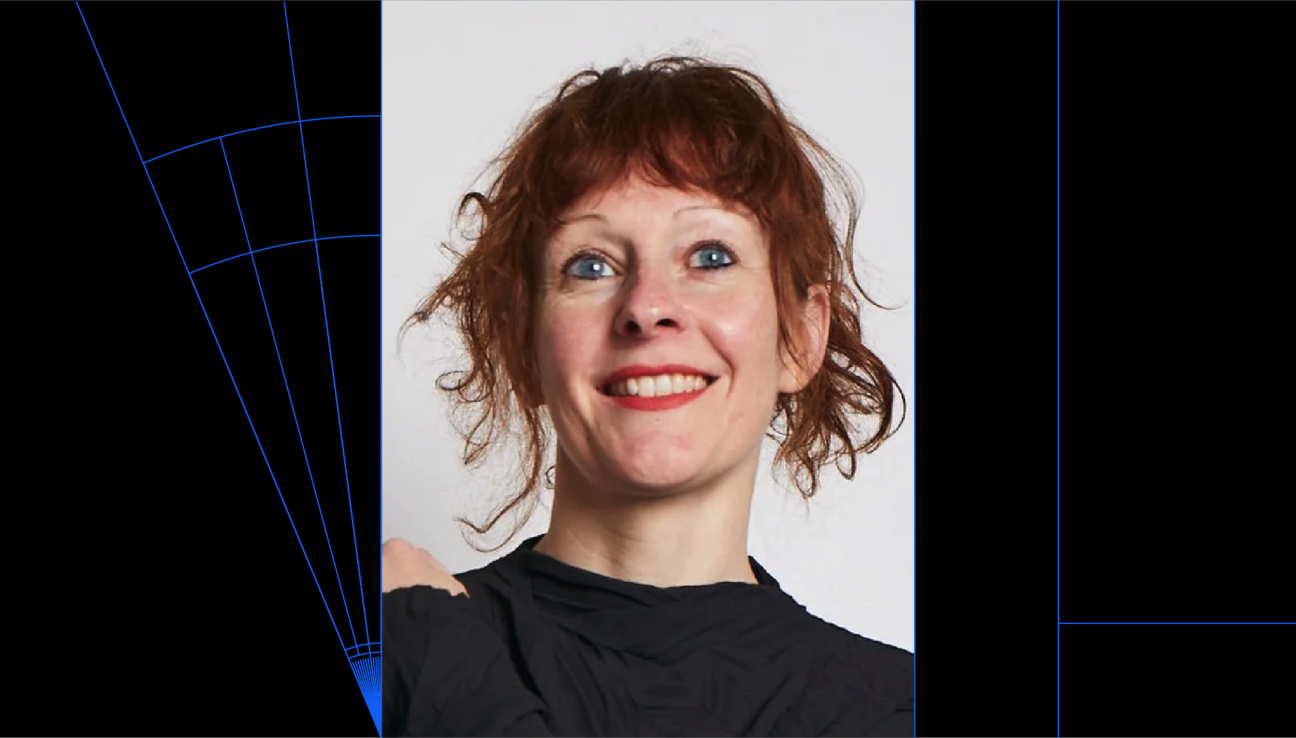
This episode is hosted by Monica Holt.

Ep 196
Tune In

IN THIS EPISODE

AI is changing how audiences discover arts and cultural experiences, and the implications extend far beyond marketing and IT teams. For arts leaders, understanding how audiences find, evaluate, and choose cultural experiences is essential to staying relevant.

In this episode recorded live at Capacity Boot Camp 2026, Dan Titmuss, Senior Consultant, AI & Organic Search at Capacity, demystifies how AI-powered search works and what it means for the future of audience engagement. 

This episode builds on our past conversations with Baratunde Thurston, Jen Taylor, and others, turning our attention to one of the most immediate ways AI is changing how audiences connect with our organizations.

Transcript

Dan Titmuss: Search is changing a lot, but people aren’t. They’re still asking the basic questions. Where should I go? What should I see? How can I find something that really inspires me? Our job is just to make sure that when AI answers those questions, it has our best information to work from.

Monica Holt: Welcome back to Arts Unscripted, a Capacity podcast. I’m your host, Monica Holt. This week’s episode is going to be a little different because today we’re going to nerd out a bit with a deep dive on AI in search, but stick with me because this is impacting all of us. Think about the last time you Googled something. Before you saw a single link, you probably got a paragraph, an AI generated summary at the top of the page that answered your question for you. Google says about two and a half billion people see those AI summaries every month. And if you go one step further, about 42% of US adults now use AI chatbots like ChatGPT as their search engine. But how often are we stopping to ask where is that answer actually coming from? What did it read and whose version of the story made it in?

So today I’m handing over the pod to my colleague, Dan Titmuss, who recently presented at Capacity’s bootcamp conference. The session you’ll hear is called Visibility in the Age of AI Search. If you’re an audience member, someone who loves going out for a night at the theater or an afternoon at the museum, this is how you’re getting your information now. When you ask, “What should I do this weekend?” Or, “Where can I see live theater in Boston?” The answer is being pieced together from somewhere. Sometimes that’s the organization’s own website. Sometimes it’s a Reddit thread or an Instagram reel or a ticket resale site. Dan and his team tested this asking the same questions across six cities on both ChatGPT and Google. In one example, Google recommended three Boston art museums that used about 15 sources to generate those answers. Not one of those sources was a museum’s website itself.

Now, if you work at an arts organization or if you’re an artist, this becomes about whether people can find you at all. The way people search is changing fast and the old playbook of getting to the top of Google is really only part of the picture now. Dan walks through what you can actually do about it from making sure that AI tools can read your website to building pages that answer questions your box office is getting every day. And if you’re an executive or a board member, the question for you is simple. Have we invested in this? Does anyone on our team own it? Because this isn’t abstract. Dan shares about a case where after some focused work, ChatGPT went from citing the organization 22% of the time to 64%. That’s the difference between an AI tool telling your story and letting someone else tell it for you.

Before we jump in, there are two terms you’re going to hear a lot. The first is SEO, which stands for search engine optimization. That’s the practice of making your website easy for search engines like Google to find, understand, and rank so you show up near the top of the results when someone searches for something you offer. The second is AEO, which stands for answer engine optimization. That’s the newer piece, making sure that when AI tools like ChatGPT or Google’s AI overviews generate an answer, they’re using your information and using it accurately. As Dan puts it, a lot of AEO will feel familiar. It just needs to be done on purpose. One final note, this was recorded live and Dan refers to his slides throughout, so you’ll hear him describe a few screenshots and examples as he goes. Now let’s jump in.


Dan Titmuss: Welcome to my talk on visibility in the age of AI search. My name’s Dan Titmuss. I am a white male with brown hair, glasses, and a shirt. I was wearing a nice gray jumper, I got a Caesar salad on it, so I had to… Now this is creased, which is great. And yeah, my role is senior consultant and I work on AI and organic search. And that job description didn’t really exist a few years ago and it’s sometimes pretty difficult to explain. In fact, quick raise of hands, whose parents can accurately describe what they do? Oh, wow. Okay, cool. Phone your parents more. Exactly. But even before AI got involved, explaining what we do to our parents was always pretty difficult. We asked a few people at capacity if they could ask their parents what they do.

We got to hear something on the internet, which is true to do with arts organizations that hire your company, not a bad effort. Here, mom said you’re a digital marketing consultant for the arts involved with venues for art museums and organizations.You’re asked to travel sometimes. Pretty good. Dad said, works for a company that subcontracts art exhibits. Mom was listening more than dad. I wonder if anyone else sees that pattern every so often. Terry did really well here. She creates digital ads for art venues. Let me know if you want more. A bit too early in the morning for Terry. This is what my mom said, “You make the technology grow your business like magic.” Little window into why I am the way I am here.

But at least my mom knew enough that when this article came up, she sent me it because back in May, Google decided to make a big change to the SERP, or at least big enough that it makes actual news. It’s not every day that an SEO update makes New York Times. Basically, they made it official that after two or three years of experimenting with AI overviews, they are fully leaning full tilt into AI search, essentially replicating the experience you get with ChatGPT inside Google Search. That means longer queries, more interactivity, and pulling AI directly onto the SERP. There’s no way of escaping it. When I was originally putting this presentation together, I had the same thought as I had last year, which was, oh, search is crazy. It feels like it’s changing every day. And that is certainly true, but I do wonder if this is the flip point where we say search has changed.

I mean, it’s also still changing, that’s kind of a dramatic effect. But the important thing is that this is not something we are waiting for anymore. Searches are already using AI interfaces to search as the norm, even if they aren’t using ChatGPT, Google incorporating that AI first experience into search has really proven that. And the biggest shift is this, search increasingly generates the answer for you. So the old model was pretty simple. You searched, Google gave you a list of websites, and you chose which website you need to visit to get the answer that you need. Well, now the search tool can read a collection of sources, analyze them, and put the answer directly in front of you. Websites are still there, but they’re increasingly inputs into the answer rather than the final destination. I think whenever we’re thinking about AI search, we kind of be wanting to thinking about this change specifically.

42% of US adults use AI chatbots as search engines. And when people were asked what they use chatbots for, I think the biggest use case was that simply it’s just looking up information, not writing emails, doing homework, solving problems, searching. They’re essentially using it as fancy Google. I’d say the biggest use case right now for people who aren’t in the tech world. This is obviously not just a ChatGPT story. Google says that 2.5 billion people encounter AI overviews every month. So even if someone in your audience is not using ChatGPT, they’re probably encountering AI generated answers at the top of Google. So with all this in mind, I want to break down the different types of searches we are thinking about when it comes to AI search in the arts industry. Firstly, branded traffic. So that’s someone who already knows who you are and are looking for information about you, like mentioning you by name.

So here, can I bring my dog to Carnegie Hall? No, service animals only, which is good because he wouldn’t appreciate it.

And look where the answer came from, right? It’s Carnegie Hall’s own FAQ page. That’s a good version of this. We’ll come back to why that works a little later on. Next is non-branded genre-based discovery. These people already know the kind of experience they want, but not necessarily who they want it from. So things like Nutcracker in Chicago, museums in Denver, comedy open mic night in New York. I don’t think I need to tell you just how valuable these searches are because you’re jumping directly in front of someone who is actively looking for an experience that you’re offering. It’s like the most qualified of qualified leads. It’s a box office conversation essentially happening right there on ChatGPT or in the search engine results page. Then there’s activity-based discovery. This is broader. The person who isn’t necessarily thinking about arts at all, they’re thinking, “What should I do this weekend?

What’s a good date night idea?” And for us organizations, obviously this is a huge opportunity as well, but obviously you’re competing not only with arts organizations, you’re competing with everything that someone could choose to do, like ax throwing, hiking, the zoo, mini golf. Are you more fun than mini golf? Hope so. I don’t enjoy mini golf. I leave five minutes now. Finally, we can look at educational traffic. These searches are connected to your subject, but not necessarily to an immediate visit or ticket purchase. Things like Beethoven’s facts, musicals based on real events, or this one here. Can you break down the difference between a musical and an opera? And that’s a good question. It’s a question that every opera company in the country should answer with more authority, nuance, and personality than a generic chatbot response. So these are these kind of four pillars that I’m kind of thinking about today in terms of how people are searching.

Help me visit your organization, help me choose your organization, help me get ideas, and then help me understand your genre. We were previously asking the question, what goes into ranking? How can we alter our metadata, content, PR, links, all of these SEO specific things to make sure we appear at the top few positions that people are searching for? And that still matters, right? 100%. Google Classic is still used extensively by the population. I don’t see it disappearing just yet, but now we’re also thinking about all the things we need to do to appear in the AI overviews. So what goes into an answer? What websites are being read and specifically for arts and culture, whose version of the story is making it into that recommendation?

There are a few studies out there, but what you might have noticed if you’re regularly on search engine land or the SEO subreddit, which don’t, is recommendations, they really tend to focus on things like products or financial services or stuff that is purchased in a very different way to the kind of way that our patrons decide to attend the ballet or get tickets to a concert or find something to inspire them artistically. So we made our own study. What we did is we took 15 questions an arts and culture patron might ask and asked them in one of six cities, Boston, Chicago, Denver, LA, New York, and DC. And we looked at the answers on both ChatGPT and Google’s AI overviews. And this was exactly as it would appear to a consumer. The same answers you’d get on your phone, we used an internal tracking tool that we can use to test these things.

Earlier I showed you the four different types of searches that we were thinking about, and I was really interested for this, about the two in the middle there. So genre questions for this study look like these. Where can I see live theater in Boston? Where should I go in LA if I love art? We wanted to make it location specific because that’s kind of in search what a real use case would be. And then there are the things to do questions. What are the best indoor things to do in New York? What are the best things to do in Denver? Both of these non-branded search types are super valuable because they get you right in front of the eyeballs of someone who’s looking for something to do where hopefully you are a really, really good answer. The core question we’re looking at is simple. Which websites actually power arts and culture recommendations specifically for these middle to upper funnel terms in an AI search?

Every AI answer is built from sources that it kind of ingests and quotes. So here’s ChatGPT, looking at two sources here, which is a NYC Tourism sort of press release and also like a theater listening site. And similarly in Google, we can see TripAdvisor and Timeout being absorbed into the AI here. And basically we went through all of those 90 questions on both ChatGPT and the AI overviews, and we counted all the sources. We looked into them and basically categorized every single one of them. So interesting here, both tools recommended the same three museums for where should I go in Boston if I love art? The MFA, the Isabella Stewart Gardner, and ICA Boston, who are in the room? Yes, hello.

So yeah, curious little divide here that I found really interesting between ChatGPT and the Google AI Overview and how they create the answer. So ChatGPT got all of its information from the museum’s own visit pages, three sources all from museums, whereas Google used 15 sources, Reddit, Quora, an Instagram reel, like a student newspaper, a hotel blog, not one of them was a museum. Both of them recommended ICA, but only one of them actually asked them, which was ChatGPT. Another kind of example I found interesting here, where can I see live theater in Boston? Google didn’t just list theaters, it listed actual shows and dates and got information from places like SeatGeek, StubHub, Ticketmaster, and vagogo, including pages in both Polish and Greek. Again, with ChatGPT, it is referencing mostly the organization’s sites. In this question, where can I see local artists and galleries in Denver?

ChatGPT went to the arts district and tourism boards, these official sources that speak for the local scene. Whereas Google went to the community itself, Facebook events, Instagram reels, Yelp. Here’s the big picture for arts questions. We asked 54 of these arts-based questions across these six cities, all of these questions that were specifically about that mid funnel to do with arts. 68% of sources from ChatGPT were from the arts organization’s own websites. When you included tourism boards, like official sites, that goes up 90% is from official websites in terms of sources. Google was different. Firstly, it didn’t always use AI. It only showed up around 35 out of the 54 questions that we looked at. When it did, it looked at social posts, Google business profiles, TripAdvisor. In 26 of those 35 AI overviews we saw, Google put its own business cards, like listings in as well, which I found quite interesting.

For the broad questions, when Google answered those, it used 167 sources and none of them were your own websites, which was really, really interesting. Here’s the breakdown for things to do. ChatGPT really lent on tourism boards, again, 40% of sources and 86% of answers, and after that came things like Timeout and Atlas Obscura, those editorial sources. Google really leans on lots more community driven things as well, like YouTube, Travel Bloggers, Tripadvisor. So what does always mean? The question decides the source. In ChatGPT about the arts, then it goes to the arts organizations where it asks us things to do, and that falls to 16% as actual official sources. In Google, arts organizations websites go from 15% of sources to zero for things to do, which is really, really interesting. And that gives us a much better way to think about AEO. There isn’t one universal list of places that you need to optimize.

It really depends on the job the user is asking the search to do. So for those ChatGPT queries where chat is citing you, we need to think about how to get your first party information right. Quick show of hands, who here believes that AI overviews can be inaccurate? Skeptical room. I have great news for you. Nine out of 10 are actually pretty accurate. It’s only 500 billion wrong answers every year, so it’s not good news. This is kind of what makes AI so strange right now. It’s doing genuinely kind of incredible things like solving protein folding structures, like untangling and translating ancient manuscripts and solving genuinely cutting edge maths problems, asterisks, and yet it still gets this wrong. This is a Google AI overview where I said Argentina recently defeated Norway 2.1 in a thrilling World Cup matchup, which ended in a penalty shootout. Problem is that’s wrong.

It was England that beat Norway 2.1. Trust me, I remember. So is my dog. I hated that. And then England lost 2.1 to Argentina. This is me at 2:53 on July 15th before the game. There wasn’t a photo at 5:02. I wasn’t in the mood. So Google took two very real matches and blended them into one confident, well cited, completely wrong answer. So yeah, thinking about these branded and genre searches where it is actually referencing your website. We know that it puts a lot of emphasis on going and looking at your website and ranking it similarly to how Google does. So what’s some practical ways to make that happen? Well, step zero is basic access, right? Can AI crawlers get to your website? When AI search tool tries to access that content, your website can basically say essentially like, “Sorry, mate, you’re not coming in.” ChatGPT has a search crawler called OAI SearchBot.

Clawe has clawed search bot. Google uses Google bot for both traditional search and AI search features. If these crawlers are blocked by your CDN, your content delivery network, or your hosting service, you’re creating a barrier to your organizations appearing in AI results. Simple as that. And this is particularly relevant because Cloudflare introduced a lot more controls over AI crawlers. I think when this was first announced, they initially put everything, all the settings to block any AI crawlers. And that kind of makes sense if you’re a publisher, right? If you’re the New York Times or you make money by selling the content that you have on your site, then you don’t want AI to necessarily crawl all that, but we’re not really trying to do that. That’s not our business model. So my recommendation here is kind of simple. It’s just to go to the web team and ask, “Are AI search crawlers accessing our site?

Are they allowed to? Can we triple check that we’ve not got security systems here that are blocking them all from appearing?” Does anyone here use Queue-it? A few people? Okay. Yeah, yeah,

Yeah.

Queue-it, incredibly useful. Really, really good for major on sale days for managing any traffic, aside from being overwhelmed by bots. Those same rules can sometimes block search crawlers if we want accessing our content. And we were really worried about this on the SEO team, lots of sleepless nights and long meetings worried about Queue-it. And so we met with them with the Queue-it team and they were so good because they’ve already thought about this and they have ways of making sure that the right bots are not being blocked by Queue-it. It’s really easy to set up, but you do need to go ahead and do it as well so they’re not being sent to waiting rooms. That way AI bots can crawl your site. So yeah, just make sure you have this configured with search crawlers in mind. Okay, let’s say that the crawlers can get in.

Great news. What do they actually find when they arrive? AI needs reliable information to work from. When the information is messy or scattered or contradictory, you get a lot of inaccuracies or you get an AI tool looking for other references which aren’t you. For your organization, you should be the best source of information. You really want all the information there in very clear, plain English, which is coincidentally my stage name, somewhat tautologous. This is a CAP UCLA event page. Look at what’s available here without making the user hunt at all. All of this is above the fold. They have more information below that obviously, but the event, the date, the address, the run time, whether there’s an intermission, a clear ticket path, a useful gut check here. If someone looked at your landing page, one of your event pages, could they get everything they need to attend that event without looking at other places on your website or other places to go?

That same information that helps a person will also help a machine. FAQ pages are another incredibly valuable resource. AI search is fundamentally a question answering machine. When you ask AI a question on these search tools, it does something called query fan out, essentially asks all the questions around that question, and you can answer that with an FAQ page. You’re giving the system the information it needs in exactly the shape it needs. The best FAQ pages that we see aren’t just like SEO inventions. These are the things your box office and front of house team answer every day, things like parking, bags, accessibility, water bottles, dress code, a lot of it. This is what happens when that information actually comes through to an AI answer. I asked ChatGPT about visiting LACMA, so we worked a little bit with them on their SEO a while ago. I asked about wheelchair accessibility, cheaper ways to visit three days, and look at all the sources it used, right?

LACMA’s accessibility page, it’s ticket information page, FAQ page, it’s visit and tours content. This is exactly what we want. The AI is answering a visitor’s practical questions, but the underlying facts are coming directly from the museum. Look at the range of pages that it gets, right? There’s a page for parking. There’s a page for tickets. There’s a page for accessibility. Isn’t just on one page. It has multiple places where it can pull exact things per page. LACMA works because of that reason, right? It’s a page for every bit of information. So what happens when that page doesn’t exist? Here’s example from another client here, TOC Arts Partners. They are a consulting firm and specialize in strategy and executive search for lots of arts organizations. And one of the things they do is executive search for orchestras. The problem was, this was obvious to anyone reading the page that they would provide this service.

It’s an obvious when you looked at their service pages, this was a great fit for an orchestra and TOC arts partners, but they didn’t have a page that really spoke to them. So TOC sat around position 21 on the search and results page for that term and wasn’t included in the AI overviews. So we built a page that specifically talked about classical music and orchestra executive search and strategy. It sounds very wordy, right? But it covers who it’s for, the search process, what that would look like, and why orchestras are different. It’s like specificity that really spoke to that very particular intent. And here’s that search now, right? TOC is averaging in position one. It wasn’t when I took the screenshot, which was really annoying, but it is averaging position one, and it’s in the AI overview right alongside other search firms who used to own this search.

Nothing changed, right? Google and the AI built on top of it just had a clear answer to a specific question. Then there’s schema. Schema is one of the clearest ways to communicate with search engines and machine systems. It’s code on the page that explicitly says this is an event, this is the date, this is the venue. Visitors don’t see it. It lives in HTML, but machines can pass it really easily. I will wager, this is less fun than content work for most people. Luckily, I’m not most people. I got a sick kick out of schema, but look how unambiguous the information is here. There’s very little room for interpretation, which is a lot of what AI does. For organizations with a lot of performances, especially things like orchestras, performing arts centers, this can be one of the cleanest ways to make sure a machine understands every single event that you have on your site rather than check just text on a webpage.

And schema really helps with making sure your organization is understood generally. We worked with the Phoenix Theater Company in Arizona to add extremely robust schema to the site. This is their page for Monty Python spam a lot, one of my favorites. To a person, that page already looks good. It already has a lot of that information that you would need to visit the Phoenix Theater Company, right? Run dates, accessibility, useful details. The question was, could we make that same information just as clear to the machines? So underneath the visible page, we added much more robust event schema. All of that information was spelled out explicitly for search engines. So it’s part of a broad effort. This wasn’t all we did, but it was a big part of it. We measured ChatGPT citation rates before and after the work, and Phoenix went from being cited around 22% of the time in our track checks to around 64%, dramatically more likely to be the source of information when we were really, really clear.

For branded questions, that was even stronger. It went from 35% to 95%. Ticket questions went from just five out of 12 checks we did by being cited to 12 out of 12. Same with any accessibility questions as well. That’s why I like this case study because AEO can sound quite abstract, but the desired outcome is extremely concrete here. When someone asks an AI tool about your organization, we want it to be accurate, simple as that. A lot of people say on LinkedIn the schema is dead. A lot of people say on LinkedIn, schema is alive. There is a vigorous and often insufferable debate in the SEO, AEO world. People are enthusiastic on LinkedIn, especially about SEO. So just be careful about the hype and remember that they usually aren’t selling what we are selling, right? A lot of the tips, tricks, and hacks out there are not for arts related terms.

As you saw from the study, when we tested that specific terms, they behave very differently depending on what a user puts into that prompt, even within arts-based queries. But there’s a lot we generally agree on in AEO. There’s this longstanding principle in marketing that third party recommendations carry enormous weight. That principle is particularly interesting when we think about AI search because it’s a recommendation, right? It is reading information and then recommending us to it. So rather than us simply describing ourselves as would for a typical channel. Earlier in that study, we were looking at these genre and activity-based searches. So we know what goes into these answers, right? In SEO, back links have always mattered. When another site links to you, that’s a vote of confidence. It tells Google that someone else thinks that you’re worth pointing to. If event one here is linked to by New York Times and my random blog, then it has two links heading to it, one with decent authority and one that’s just nonsense.

So it’s more likely to rank in position one on the search engine results page. And the second event here, if it just has one link to it, has less authority. All this is to say, the more backlinks you have and the higher quality those back links are, the more likely you are to rank on the SERP in Google Classic. I’m really starting to like this phrase Google Classic reminds me of coke classic. It’s like Google with delicious cane sugar.

And it doesn’t want to be wrong, right? And it doesn’t want to say things with huge confidence a lot of the time, right? Answers tend to cover a lot of bases. If you ask for a review of a movie, it will often give you both sides, even if it’s really good. Restaurant review summaries on Google, it’ll give two good reviews and one average or bad review, no matter how good the restaurant is. So the words you put in there now get ingested and really, really matter as we talked about earlier. Mentions become inputs and they’re seen essentially as if you are trustworthy and whether you can appear in non-branded search at all. And honestly, I kind of think this is perhaps good news for us. Your traditional search It can feel really, really, really competitive because of how valuable that top position used to be.

Top three was always pretty useful, but that top position was exponentially a lot… I do mean exponentially in this case, you will get more clicks from it. As you went below that, it’s an order of magnitude less clicks. So somebody wins that spot and everyone else doesn’t, and AI answers often contain a whole set of recommendations. So you don’t necessarily have to outrank a competitor anymore. You can be credible enough, relevant enough to be present in the right sources to be included in the answer. Whereas previously those things to do questions were pretty brutal. It was very, very difficult for us to compete. Now we can actually do things to appear in that summary, which is really, really nice. In that case, what site should I target, Dan? Well, it depends. And even better, I’m going to show you how to do a lightweight version of this research yourself.

So step one, find out who’s answering for you. Go to ChatGPT and Google. If you can do it on incognito modes, that’s probably the best. And ask all questions that you would want to appear on for your organization. Keep it to those mid-funnel and top funnel searches, things like things to do, but also about your art form, like where can I see ballet in Austin, for example. Then write down the source for every single answer used and separate those sources into three columns. You, official go-betweens, and then everyone else. Action two, fix the go-betweens you can actually reach. Some of the voices that are answering for you are people you can just email and call. It really surprises me how often a lot of these listings are incorrect on your better business bureaus, your tourism guide places and stuff like that. So yeah, check your listing, check your language and check whether you’re included in the right guides.

Google’s own listings also, I mentioned before, appeared a lot. So also make sure your Google business profile is really, really up to date as well. It’s not like a sad and forget it thing anymore. You really need to make sure it’s accurate and consistent. And action three, give everyone else something to say. So social video made up 27% of Google’s thing to do sources. Invite creators in, make moments people want to film. Editorial lists matter as well. Pitch the unusual thing about you to editors, The Hidden Room, the late night show, Free Friday, Weird Archive, The View from the Roof if you have one. If you have a view, I assume you have a roof. Reviews matter as well, TripAdvisor, Yelp, and community places. Show up as yourself helpfully whenever it makes sense. If you remember one thing from this section, make it this one, find out who answers for you and get into their answer.

So if the goal is to be found where people are looking, then we have to stop defining search as one website. For Gen Z, this is already normal behavior. One study found that 74% of Gen Z consumers have used TikTok as a search engine, another found that 51% actually prefer it to Google. So when they want to find out information, they aren’t going to Google, they’re looking directly on TikTok. So it’s no longer just a way to scroll, it’s an information retrieval interface for people looking for that information about your organization. YouTube is often quoted as being the second largest search engine. TikTok and Instagram are search engines as well. You need content that can be found inside the environment where the search is happening. And Google itself is starting to acknowledge this behavior. The search console, which hopefully you’ve all set up by now, is basically the account you have to access the organic search data associated with your site.

And it used to only give you information about your specific domain, but we got this really cool update where basically they’re giving you access to when your posts appear on the search engine results page as well and your profiles. So go and set this up because that will give you really interesting information about how Google is approaching AI search and social as well. Google and search used to be synonymous. There’s a reason it’s a verb. Google is still there, but so is ChatGPT, Instagram, Reddit, podcasts, whatever comes next. Search isn’t just one channel. It’s behavior that happens across lots of channels and other channels and channels can influence search as well. All the content that you’re producing should now think a little bit about AEO, which means that it’s even more valuable to have keyword research and search information when you are creating this stuff.

So please invite us to the room. We promise we won’t talk about schema and metadata too much. We’ll talk about the fun stuff. Speaking of content, what does this mean for content strategy on our website now? If audiences can get the answer without clicking and if search is happening across multiple platforms, what job is our content actually doing now? Educational content used to be very straightforward. A really good way to introduce someone to your brand. Someone searched for information about Beethoven, Frida Carlo, Breck Plays, we would create an article that answered that query. If I search best Russian composers, Colorado Symphony has an article there that would rank pretty highly. I would click through and learn all about Tchaikovsky and Stravinsky and all those other composers that I definitely 100% know. That was the old model, rank, earn the click, bring the person to your website.

By doing this, even if a searcher had never heard of Colorado Symphony before, you’d be introducing them to the brand through expertise. Well, these are the kind of searches that really are hit by AI as educational searches. That same search today, the AI overview gives me names, dates, quick explanations at the top of the search engine results page. A lot of people making the search won’t click through because the answer’s right there on the SERP, but look at the source panel. The Colorado Symphony article is still there. Its content is helping inform the answer even when traffic behavior changes. And data is really difficult with these AI overviews, right? For a long time, we just did not have any data about what appears in the AI overviews other than just having a look. And to this day, most of the measuring we do and most of the measuring everyone does is via testing rather than measuring.

What I mean by that is we’re not counting the number of times we’re necessarily appearing for a certain subject. We are putting in these inputs and getting them back and using that as almost like a test rather than as you would for the search console. Well, Google finally gave us a little bit of information. For the first time we can get a directional view about how often pages are appearing in the AI features on the AI overview. I do want to emphasize directional. Google itself has acknowledged that this reporting is really, really limited. An impression does not necessarily mean someone consciously saw your link, links expanded sections counted differently in a way that’s pretty opaque. And annoyingly, it doesn’t tell us anything about the category. So what I’d really want is a category or subject matter about when this appeared rather than just if that page appeared, but I can dream.

It’s a comparative signal, right? So we know what kind of pages are getting visibility even if we don’t know what pages they’re appearing on, what search they’re appearing on. We looked at the top performing AI search pages across eight arts and culture organizations. The question was pretty simple. What kinds of content are actually getting visibility? Well, educational content was the clear winner. 58% of the top pages we looked at, the top 10 pages on each of these clients was educational content, that blog content stuff that we just looked at. And of those pages, they generated 73% of the impressions in that data set. So educational content is not dead within AI search, it’s just doing a different job.

Transactional pages, so your event pages, ticket pass, stuff like that told the opposite story. 31% of the pages in that set were transactional and they account of just 11% of AI search impressions. And that kind of lines up with everything we’re seeing today in that AI search is really strong in the discovery phase where people are doing their research and learning about a subject or learning about an organization in that consideration part of the purchase funnel. So content is kind of doing a different job now. The old model was create content to rank, earn the click and bring the user to the website. Whereas the new model is a little broader, create content to rank and become a trusted source, inform AI answers and influence audiences wherever they happen to search. The click still matters. That old classic cane sugar style Google is still prevalent and people still use it extensively, but we do need to think about these other searches as well.

Educational content can build visibility and authority even when the answer is consumed elsewhere. So how do you make educational content that’s worth using? Well, go back to your mission. Who are you? What do you know? Why does your perspective matter inside the field that you live in? A chatbot can summarize Russian composers, but it can’t tell the story of why your orchestra programs them the way they do, what your musicians hear in the work or what your audience should listen for. Your actual expertise is really, really valuable now. Arts organizations have a deep bench of curators, archivists, historians, programmers. Most commercial brands would love to have that kind of authority sitting inside the building. And it’s something that I find a lot of arts organizations don’t really use when it comes to AEO content or blog content. So build something worth citing. Original research, sorry, authoritative guides, expert explainers, archives, genuinely useful local resources.

Don’t create another thin article that says the same thing the first 10 Google results say. Google recently did another big update to guard against weak content. And so now it’s so, so, so critical to be authentic in the content you produce because Google wants to avoid the aura borus of AI slop, creating AI slop, creating AI slop. Google will value your expertise above anything else when it comes to content creation and design that expertise to travel. One strong idea can live on your website. It can live on Google. It is an AI answer. It can be converted to social. It can be featured in email. It can be as a video. It can be used as PR as well. Don’t think of each channel as needing a completely separate idea. Build the expertise once and then package it so it can be discovered in all these different environments that we’ve talked about.

Be the source that machines use to understand the thing that you exist to do. So I want to finish with a reassuring point because I do recognize that that was kind of like a fire hose of information a little bit, right? AEO is not a completely separate marketing discipline that appeared overnight and requires everyone to throw away everything they know. A lot of the work that we’re doing should feel somewhat familiar, but it does need to be thoughtful. You’ll not appear in those high value searches without conscious deliberate effort. And it is possible to influence. Again, this is another example from TOC Arts Partners who I mentioned earlier in the presentation. One of the questions we asked here was what firms conduct leadership searches for orchestras, opera companies, performing arts centers or film centers? Really, really relevant, non-branded question. The kind of question that someone’s really asking in that purchase funnel and somewhere that TOC really wants to appear.

And before the work, TOC’s website was only cited in one of the eight checks we did for that prompt, 13% of the time. In other words, they had the expertise, but the AI answer was rarely using their website as evidence. We worked on a bunch of things. We worked on making sure that it was all marked up with schema to make it really readable, looking at the metadata, looking at the content on the pages, creating those specific pages that spoke to expertise. We also did a really, really big study on where they were being linked to compared to other competitors and how their PR was interacting with their site, with their brand. This is what the answer started to look like. It appears as, well, what AI calls an especially relevant specialist, which I wouldn’t write it like that, but the answer’s describing its focus on arts and culture leadership searches and naming the kind of organizations that it works with.

I mean, that’s a great result. After those changes, TOC’s site was cited 12 out of 12 checks for that same question. That’s why I don’t want anyone to leave thinking AEO is just be famous on the internet and hope ChatGPT likes you. There are real concrete ways that we can do specific things we can change to strengthen our website and our brand within all kinds of searches. When you strip away a lot of the new terminology, technical AEO sounds a lot like SEO. Can the crawler reach the page? Is the information clear? Is the content structured? Does the page match the search need? Is it authoritative? You don’t need a new department. All you need to do is point familiar disciplines at this changing search environment. Third party AEO sounds a lot like PR, tourism boards, editors, creators, partnerships, the people and organizations that describe you to the world.

The difference is those descriptions aren’t just showing people your brand in that PR item. That PR item is now getting ingested and produced in that AI answer. And AI educational content sounds a lot like good content strategy. Use real expertise, have a point of view, build authority, make something useful enough that other people want to reference it and AI systems want to cite it. So yeah, make sure your website is the clearest source of truth about you. Strengthen the external sources that describe you and create content that builds authority beyond the click. Search is changing a lot, but people aren’t. They’re still asking the basic questions. Where should I go? What should I see? How can I find something that really inspires me? Our job is just to make sure that when AI answers those questions, it has our best information to work from. Thank you.

Monica Holt: Thank you for listening to Arts Unscripted. If you enjoyed today’s conversation, please take a moment to rate us or leave a review. A nice comment goes a long way in helping other people discover the show. And if you haven’t already, click the subscribe button wherever you get your podcasts. We’ve got some great episodes coming your way and I don’t want you to miss them. A huge thanks to our team behind the scenes, including Karen McConarty, Yeaye Stemn, Stephanie Medina, Jess Berube, and Rachel Purcell Fountain. Don’t forget to follow Capacity on Facebook, Instagram, LinkedIn, TikTok, and YouTube for regular content to help you market smarter. You can also sign up for Capacity’s newsletter at capacityinteractive.com. And I hope you’ll reach out to us and let us know what you think and who you’d like to hear from next on Arts Unscripted. I’m Monica Holt. Thanks for listening.

View More
About Our Guests
Dan Titmuss
Dan Titmuss
Senior Consultant of AI & Organic Search, Capacity

Dan Titmuss is a Senior Consultant, AI & Organic Search at Capacity. He helps arts and cultural organizations shine online through smart SEO and AEO, content strategy, and thoughtful uses of artificial intelligence. 

Dan is a frequent speaker at industry conferences and regularly shares insights on search and digital strategy with the field. He is also exploring how emerging tech and AI can support creativity in the arts, including a recent side project for Melville fans, mobydickbible.com. When he’s not talking about digital marketing, he performs comedy, magic, and other oddities in tiny basement theaters around NYC.

FeaturedEpisodes

Arts Unscripted
Tune In

Listen Now

New Episodes Weekly