Skip to content

ResourcesPodcast

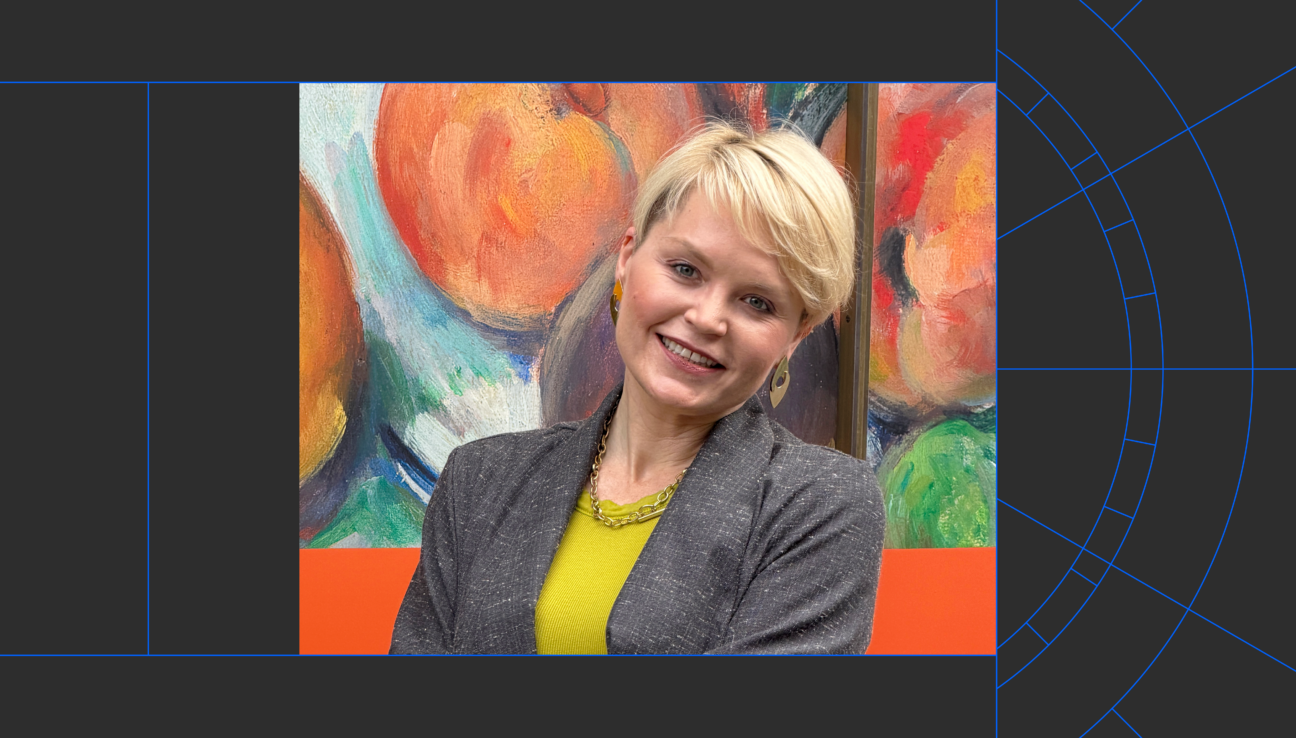
Courtney Burke Summers, Chief Marketing Officer of Vivo Performing Arts

This episode is hosted by Monica Holt.

--:--:--
Ep 189
0:00 / 0:00
Tune In

IN THIS EPISODE

Rebranding a beloved institution requires not only defining what comes next, but building enough trust and shared ownership that both longtime supporters and new audiences see themselves in the future.

Courtney Burke Summers recently helped lead the sweeping rebrand of Celebrity Series of Boston into Vivo Performing Arts, launching a new identity designed to better reflect the organization’s role in its community.

In this episode, Courtney shares what it took to bring people along through that transformation and why meaningful change can only happen at the “speed of trust.” She also reflects on the opportunities and challenges of being a nomadic presenter; the value of collaboration across the arts ecosystem; and what most arts organizations are forgetting about the next generation of audiences. 

You can hear more from Courtney about Vivo’s rebrand in our August 2026 Website Redesign Roundtable webinar.

Transcript

Courtney Burke Summers: How do we help people engage in the arts collaboratively across the city so that they can become future audiences of our organizations? And finding those moments where you can kind of share the risk with another organization and where both databases get invited, I think can be a great way to build audiences.

Monica Holt: Welcome back to Arts Unscripted: a Capacity podcast. I’m your host, Monica Holt. My guest today is Courtney Burke Summers. Courtney is the chief marketing officer at Vivo Performing Arts in Boston. And over the past 18 months, Courtney has led the rebrand that renamed that institution for the first time since 1938. Courtney also introduced predictive modeling to the Kennedy Center’s marketing team before she was in Boston. She’s built audience strategy across ballet and opera at one of the largest performing arts institutions in the country, and she did all of that while getting her MBA at night. I wanted to talk to Courtney because she thinks about marketing with the rigor of a data scientist and the instincts of someone who has spent her whole life cheering on artists from the audience. Courtney has spent her career moving legacy institutions forward, and she uses each experience to inform her next. And while Courtney is one of the quickest minds in marketing today, she also understands that when you’re working through change, you can only move at the speed of trust.

Courtney Burke Summers, welcome to Arts Unscripted. Thank you so much for being here today. It is so good to see your face.

Courtney Burke Summers: Thank you for having me. I’m so excited to be here.

Monica Holt: I cannot wait to chat and have you share all of your brilliance with us. I will say though, for the listener who may not know, I have known you a good long time, let’s say. Courtney was technically the first person I ever hired. You knew me when I was just figuring out what that meant, so bless you for that. But it made me think about what that was like, the first hiring process. And I think because a lot of folks, when they imagine big performing arts centers like the Kennedy Center, you imagine that there’s a good functionality of administrative office space. But the secret there is that my very first office with a door was in fact a closet, and that’s not hyperbole. And I’m happy to share a photo of that office on our Arts Unscripted Instagram to really set the scene. But so what this meant is that when Courtney and I had our interview for her first role in marketing, we were sitting in a closet knee-to-knee during the interview process.

Courtney Burke Summers: You had to unfold my chair first.

Monica Holt: Yes. Oh, you were on a folding chair. I forgot that. There is something about a pretty quick vibe check that happens when you’re sitting 10 inches from someone’s face and talking about whether they want to join the team. So that is one of my formative memories of Courtney. It’s very fun to now be talking to you in this context and just seeing all that you have achieved in such a short amount of time, and there’s so much to be proud of and get into. But before we kind of go down the full journey, will you share with us how art first came into your life?

Courtney Burke Summers: Of course. So I grew up dancing. I think my first dance classes were actually when I was two, so that was my first sort of experience doing art, but I also have some really great memories of my parents taking me to performances when I was little. My favorite thing in the world when I was a kid was Beauty and the Beast. And so my mom actually, when I was four, took me to New York City and brought me to Beauty and the Beast on Broadway in my little Belle costume. And so those really early memories of being in the audience and having those transformative experiences have stayed with me throughout my time in arts administration.

Monica Holt: Yeah. The kind of sparkle that you have when you talk about those memories, you also have when you talk about the show that you saw a week ago, and I think it’s just one of these kind of incredible qualities that you have of this infectious enthusiasm for art. It didn’t seem to take you that long as you grew up to understand that there were ways you could be involved in bringing art to more people as a potential career. And that’s something that I think has been a little more opaque for some people, but you were interning pretty early at Pennsylvania Ballet, is that right?

Courtney Burke Summers: Yes. So I grew up dancing and then I decided I wanted to keep doing it and that was all I kind of knew at 18. And my parents really encouraged me to also do a practical major. And so I double majored in marketing in addition to modern dance while I was at the University of Maryland. And the summer after my freshman year, I got this internship in the marketing department at what was then the Pennsylvania Ballet — is now Philadelphia Ballet. And it was one of those formative experiences where I was like, “This is what I’m meant to be doing.” I just loved the behind-the-scenes glimpse. I loved learning about — even though I was printing and filing press releases — just being a part of what made the work happen. And then from there I went on to intern every summer at a different place until I became a Kennedy Center intern the spring of my senior year.

Monica Holt: Yeah. And I think when folks who know you think of you, they think of this marketing savant with this strong data background, but you started in dance programming. And so what was it like entering an organization from programming, but then pretty quickly thereafter you found yourself over as we were really building the marketing team out?

Courtney Burke Summers: Yes. Yeah. I will just say that I was not the best programming intern. There were a lot of missteps during my internship. I think I set a laminator on fire.

Monica Holt: Wait, what?

Courtney Burke Summers: There were — yes. The guest artist pass stickers I could not for the life of me figure out. Also, I think that these are just great examples of everyone starts somewhere.

Monica Holt: Yes, exactly.

Courtney Burke Summers: And you need leaders who say, “Oh yeah, you’ve messed up, but it’s okay. We’ll figure it out together.” But I really wanted to take my analytical brain and apply that to my future career moments. And so like you said, I quickly moved over to the marketing department where I felt my skills better aligned.

Monica Holt: I mean, they were so needed because in that moment we were building a team out that had been a pretty small function before. And in this overall change in leadership that was happening, there was a desire to really build out what marketing could do. And it kind of was perfect timing for us to have someone like you there who had this voracious curiosity about what was possible because you weren’t just executing campaigns, you were really thinking about how we’re expanding capability. And I mean, really, I credit you fully for introducing predictive modeling in full to the marketing team for the first time. How do you think you started thinking about all those possibilities with audience strategies and pricing so quickly?

Courtney Burke Summers: As you mentioned, the team grew pretty quickly because of some transitions in leadership and some dedicated resources to the strategy that was powering the advertising and marketing at the center. And so I started as the assistant manager for ballet dance, and that was an easy jump for me because I had this dance background. I was really passionate about the art. And then I switched from ballet dance to the opera, which I think was kind of one of the hardest transitions for me because I felt like I didn’t know anything about opera. And that space of not feeling like an expert in something is hard for me. And so there was a learning curve, but I learned so much in the couple of years that I had that role for. And I think it just speaks to the importance as a marketer of caring about the analytics and the data, but also deeply learning about the art.

Monica Holt: I mean, credit to you, Courtney, because listen, opera… it’s not just a massive genre to learn about if you didn’t grow up with it, but also it’s a very particular field when you’re working with artists and artistic directors and the like who it has been their whole life’s work. And I think a credit to you was your patience and confidence to be in those rooms and be able to say when you knew something and when you needed more information. And I don’t think we should gloss over that.

Courtney Burke Summers: Yeah, because I’m sure it was scary for them to be having this marketing manager who had very little experience in their genre and trusting me to make informed decisions. I think sometimes that lack of deep knowledge on the art can be an asset because there are so many audience members in the world that don’t have deep knowledge on opera. And so being able to take that perspective and edit emails and say, “Ooh, this needs a little more context.” Or, “If you’re new-to-file, this doesn’t read friendly.”

But I think one of the biggest things about building the team at the Kennedy Center was that there was opportunity in leadership change. I think a lot of times people get a new boss or a new CEO or a new head of marketing and they’re scared by that. They’re like, “Oh my goodness, everything’s going to change. I have trepidation about this process.” But you really inspired me to lean into the opportunity that leadership change can give and use that opportunity to fill in spots on the team that you see could have the biggest impact for your organization.

Monica Holt: Well, thank you. And we were all lucky for it because you moved from your role with Washington National Opera to be the director of marketing at the Kennedy Center. How did that feel when you were shifting from kind of tactical to the more high level strategic viewpoint?

Courtney Burke Summers: Yeah. Moving from that WNO role to the director of marketing role was tough at times because I think I really appreciate a to-do list and I am a big — I love project management. I like to do some of the things that are easy to cross off your list. So moving from that sort of role where you’re getting a lot done, you’re really focused on productivity, into this role that was more of putting the puzzle pieces together was a transition, but one that I found really fun and energizing and rewarding.

Monica Holt: You mentioned that transition, but I think the other piece of the puzzle here is while you are in these roles, you were also getting your MBA through a program where you were going to class, you were managing your work, you were progressing through your career. You were then — and this I just give you so much credit for — sharing what you were learning in your MBA program with me and our team. What was your decision process like when you decided, “You know what, this is exactly the right time for me to go pursue an advanced degree”? And how did you end up really managing those workloads?

Courtney Burke Summers: Oh, to be in your 20s with so much energy. I’ve always just loved learning and I think I saw some places where I wanted to bring my management style to the next level. I think the MBA process really kind of broadened my perspective. Getting your MBA in DC is interesting because there’s not many arts administrators. It’s all consultants. All of my classmates were at Deloitte, Accenture, all of the big consulting firms. Learning from my peers and being able to use the Kennedy Center as a case study in many ways, it made my MBA work better, but it also made my Kennedy Center work better. And it also just made me a lot more confident. It really helped me to find my voice at the Kennedy Center, I think, but workload-wise, it was not always easy or fun.

Monica Holt: Yeah, incredibly impressive. And the work that you’re talking about, both the really tangible hard skills that come from the MBA, but also some of those softer skills, some of the leadership, that was so evident and truly some of what you taught me from your time are lessons that I still keep with me today. When you finish your MBA, that’s when we were really getting started with the opening of our new campus, the REACH. I mean — That, I would think, is a really defining moment of your time there as you were director of marketing. For listeners who might not be familiar, can you tell us a little bit about what the REACH represented and what your role was bringing that vision to audiences?

Courtney Burke Summers: The REACH opening was by far one of the most challenging, but also rewarding, projects that I’ve ever worked on in my career. The building itself really offered DC a new way to interact with the arts. There were open rehearsal rooms and a space that we turned into a jazz club and a huge plaza that had performances every evening and a film wall and there was so much going on. And we opened this beautiful new space with a 16-day festival that had hundreds of performances and activations throughout the day. And I think one of the biggest communications challenges I’ve ever had was how to tell that story because the programming was so dense. But there was some beauty in that because the art really reflected the whole scope of what the new space could represent. But yes, it culminated in a 16-day festival that reached over a hundred thousand people in a little over two weeks, which is amazing.

And I think that moment made me just really realize that this work has a big impact on our city, the culture of our city. This new space was really a place where we could welcome people in a way that was less formal, more exciting, especially to people who had felt like the Kennedy Center wasn’t for them in the past. So I think that feeling of welcoming has been something I’ve been trying to take with me into future projects.

Monica Holt: Yeah, that makes a lot of sense to me, and I think what you and the team were able to accomplish was pretty remarkable. All this to say, you build all of this great kind of foundational work there, but then still pretty early in your career, you left and became chief marketing officer at what was then Celebrity Series of Boston and what is now Vivo, which we’ll get to in a second. What was it like when you’re taking on a role like that, you know the subject matter deeply, you have expertise, but you’re also one of the youngest people at the table in a lot of conversations. How did you find yourself navigating those situations and maybe some, if I may, preconceived notions that others might have when they’re walking into that space for the first time?

Courtney Burke Summers: Yeah, it was really different than being the director of marketing at the Kennedy Center because at the Kennedy Center, I got the time required to build relationships across the entire institution, across programming, development, finance, IT. And so I think that that relationship-building really gave me this sense of credibility in a way that came really naturally. Stepping into this role at what was then Celebrity Series of Boston, it was during the pandemic. We weren’t yet back in offices, and so I had to get to know my staff and my team on Zoom. And so nobody knows how tall you are.

Monica Holt: Isn’t that such a weird but key thing? No one knew how tall we were that we were meeting for the first time on Zoom. Yeah.

Courtney Burke Summers: And there were so many things that… You miss out on the body language, you miss out on nonverbal information about people. I also had a lot of confidence coming into this role at Celebrity Series from my time at the Kennedy Center. And I think that that was good in many ways for me, but also was hard. I think midway through my first year, people were so sick of hearing, “At the Kennedy Center, we did this.” But that was my only reference point. And I really tried to slow down, which is sometimes hard for me, and listen, and then use what I knew to apply that learning to the problem without jumping directly to, “Oh, I have a solution for that.”

There were moments where I was walking into new and different rooms and didn’t have that history of credibility and had to establish myself with board members, with other industry leaders. And it’s hard because a lot of times when you are a woman not yet in her 30s in a leadership role, people just hold assumptions about who you might be and what you bring to the table and really trying to be confident without having to be like, “These are my credentials and why I’m here.”

Monica Holt: Right. Being young and accomplished while still being welcoming and humble.

Courtney Burke Summers: Exactly.

Monica Holt: That balance can be tough. And I will just say: and it’s harder for women. It just is. Because that’s the society we live in. So yeah, I think you had to have a lot of awareness about what you were stepping into, but I think that care that you bring to everything, I’m sure that also translates too quickly because at both these organizations, these are different scales, different audiences, but both of them were really working through these pivotal moments of change. And so I think there’s also that transformation leadership that you mentioned earlier that you were able to bring alongside all of the more specific expertise that we were talking about.

Courtney Burke Summers: Yeah. One of the moments I often think back to is March of 2020 when we were refunding $55 million of Hamilton tickets. When the industry was at this pivotal change point, what was my first instinct in that moment? My first instinct was, can I create a model that predicts how many fewer people will come to the next three weeks of performances and how much revenue we might be down by the time the summer hits? Of course, making that model was very frivolous.

Monica Holt: Well, you didn’t know it at the time. We learned it after.

Courtney Burke Summers: I didn’t know it at the time, but I think one of the things that I default to is, can I solve this with the information I have? And sometimes moments of transformation can’t be solved. They require a patience that I’ve had to learn how to exercise in my time as a marketing leader. And I think one of the things that I’ve just tried to do is stay open-minded and flexible because with many projects, there are factors you can control and factors you can’t control. And those factors you can’t control, I’m totally the, “Let’s make three scenarios and try and plan out exactly how those three scenarios go.” And many times when you’re working with a change management project, there’s a scenario D, E, F that you haven’t even considered. And so how do you sit in that uncertainty as a leader? So that’s just been something I’ve been trying to practice and work on.

Monica Holt: Yeah. Well, speaking of transformation, there’s a very recent, very big one, and that is Vivo’s recent rebrand. So this is the organization that was known as Celebrity Series of Boston since 1938 when the organization was founded. What was the inspiration to refresh the name and visual identity that is now Vivo?

Courtney Burke Summers: Yes. So we worked on a strategic plan that was ratified in 2024, and one of our goals that we set with the strategic planning committee of the board and the staff — and we worked with Deloitte as well — was to diversify and grow our audiences. I think that’s a goal many arts organizations have, and it’s very broad and vague. But then the strategy that we determined would help us get there was to align our brand name with the work that we were already doing in the community. Because although Celebrity Series of Boston had a lot of great brand equity, a really strong subscriber base, really passionate donors, I think it was holding us back with some acquisition groups because of the connotations of the word celebrity. So we took that as a jumping off point, that strategic plan to get started on this full rebrand, which was a really fun project to work on.

It ended up taking us a little over 18 months to accomplish, which if you asked me at the beginning of the project I would’ve said that’s forever. We can do this so much faster than that. And now I’m like, wow, that went by so quickly.

Monica Holt: Yes. So you mentioned Celebrity Series is a name that probably resonated with a lot of people one way and had this history, but as you were starting to think about what a new name is, how were you kind of thinking about what the organization both is and wanted to become and finding a name that reflected some of that?

Courtney Burke Summers: Yeah, I think the name Celebrity Series of Boston was problematic in many ways because when we were trying to work on that acquisition audience, a lot of times we would say celebrity series and people would say, “Oh, do you guys present those big concerts at the Garden, like Lady Gaga and Taylor Swift?” And you’re like, “Nope, that’s not us.” And then there was also some brand confusion with the word series because a lot of times patrons would think that we were a subset or a subseries of wherever we were presenting work at. So for example, we present a lot of work at Symphony Hall here in Boston and people would say, “Oh yeah, you guys are a part of the BSO.” And we’re like, “No, we’re our own independent nonprofit organization.” Our people who knew us knew us very well, have deep ties to our brand and our organization, but we wanted to find ways to build that awareness without having to explain we are a nonprofit performing arts presenter that presents classical music, modern dance, jazz, folk, and more.

I also think one of the challenges with our branding in our organization is that we are a nomadic presenter, so we don’t have a home base or a building that says “Vivo Performing Arts lives here.” In one way, not having a home base is a superpower. It allows us to be flexible. It allows us to have that superpower of matching the size of the hall with the audience demand for the artists that we’re presenting. It’s also a challenge because it just makes it harder for people to associate your brand with a space in Boston. And intuitively, when I was getting to know Celebrity Series of Boston as a interviewee and an applicant for my position, I knew that there are people out there that want to know the types of artists and want to participate in the work that we do, and they’re getting dissuaded by the name and not going deeper because of that.

Monica Holt: Yeah. And what’s so interesting is that it doesn’t strike me as a brand project that was aspirational for the organization. It was more about finding a brand that matched what Vivo really was and had become in its relevance to a current audience. And that’s kind of a cool model for a rebrand that the hard part in a lot of ways was happening already. And this was just about how you translate it differently to that outward facing audience.

Courtney Burke Summers: Yeah. And it really does speak to how our organization has evolved over our 88, 89 years of existence. So we started as Aaron Richmond’s Celebrity Series, which was a piano series, and really relied on those sort of proscenium concerts, all at really traditional stage spaces around Boston. I credit our former leader, Gary Dunning, who started the community engagement programming here. And as a part of that work, we committed to doing free performances throughout Boston throughout the entire season. So now here in 2026, I think we have 24 neighborhood arts performances this season that are free, open to the public, mostly Boston-based artists, mostly all ages performances. I think that program as well as our public projects like Let’s Dance Boston changed the nature of the product that we offered to the city. And we just needed to align our brand name with that new product because a lot of people didn’t realize that we were a nonprofit.

Monica Holt: Yeah. Isn’t it surprising sometimes that — for those of us who are so in the world, it’s something I’m learning here too, how opaque in some ways that is. It hasn’t been centered in a lot of conversation, and I think there’s always been some sensitivity to this dialogue of, “It’s just a tax status, it’s not that.” But I kind of disagree in a certain way. And I think that nonprofit status speaks to what the mission is intended to be, which is nonprofit institutions are intended to be for the community and for the public. And so it’s interesting when folks haven’t been given the information to understand what that means for any particular organization. And it’s more common than I think I realized.

Courtney Burke Summers: Yeah, definitely. And it holds us back with audiences in some ways, but also with funders.

Monica Holt: Oh, 100%.

Courtney Burke Summers: Because the way to present this wonderful free activity, if you’re presenting it to the community for free, is through fundraising. And so it’s only been eight months since we changed our brand name, but I think we are already seeing signals from funders that coming up with a name that represents the fact that we are a performing arts organization for the community has been really well received with the funding community.

Monica Holt: That’s great to hear. I have to ask because a legacy organization changing its name, while it does invite a lot of new people into the mix, I’m sure there’s a little bit of maybe light worry for some of your most ardent supporters — folks who have been attending for a long time with dedicated memories attached to the idea of Celebrity Series — how they’re going to adjust through the transition and how you can make sure they still know that it’s the home that they have helped create. How do you honor that transition?

Courtney Burke Summers: Yeah, it’s really hard. I think that naming process was the hardest part of this project because words inherently have so many different associations and meanings to different groups of people. And there’s not a right answer. Something that sounds right for one person will sound totally wrong for another person. We did a series of focus groups with the community that gave us a lot of information about where we were going to need to overcommunicate, where we were going to need to find those moments where detractors might need a little bit more explanation. The research really brought us to two communications segments. So the first was the traditionalists that thought there was nothing wrong with our name and that Celebrity Series is very definitional to what we do. But then there were also this pretty significant group of change seekers who said, “I love the work that your organization does. I’ve never really understood why it’s called Celebrity Series. I started by coming to an Ailey workshop.” So it really depended on how the patron participating in the focus group interacted with our product and where their first touchpoint with us really kind of inspired their feelings about the name and the brand. But one thing that was common between the two groups, the traditionalists and the change seekers, was they were both really passionate about what we were doing.

But yeah, bringing the traditionalists along for the journey is hard. And I learned a lot personally about stakeholder management through this process. And my supervisor at the time, Gary, as we were going through all of these sort of stakeholder touchpoints, workshopping new names with the board and with community groups, said to me this quote that I think he paraphrased from someone else, but I found so helpful, was that “You can only move at the speed of trust.”

And so that was something that I had to internalize and say, “Okay, why is this conversation not going well? It’s because I haven’t established that trust yet. And how do I take a step backwards, establish that trust, and then try and move forwards?” Through that process, I just learned so much about how to build consensus in a way that was challenging. And I learned a lot about how to advocate for something that I truly believed was the right path, the right decision, when a lot of people took it really personally. A lot of people were like, “This is my Celebrity Series. I’ve been here for 30 years. You’ve been here for 10 minutes. What are you doing?”

Monica Holt: And figure out how to honor that and have those conversations, right?

Courtney Burke Summers: So one of the things I’ve gotten a lot better at, and just this summer — We do a lot of tabling during the summer because we don’t have performances. And so we have tables at the Pride Parade, we have tables at events across the city. And I try and go to as many tabling events as possible because it’s such a great opportunity to talk to people who don’t know you. And so I’m just recalling a specific conversation I had with someone who came up to our table this summer and said, “Oh, Vivo Performing Arts, you guys used to be called Celebrity Series. I don’t understand why you changed your name. It doesn’t make any sense to me.” And so just having that one-on-one conversation with someone where you’re able to say like, “Oh, we did this because we wanted to be more inclusive. We were having a lot of trouble attracting millennials and Gen Z because they have a really different definition of the word celebrity than in previous generations.” And going through the process with that patron, at the end of the conversation, he was like, “That makes a ton of sense. Thank you so much for explaining it. You can’t talk to all 60,000 active members of your database in that same way.” But I think taking the time to make sure that everybody at your organization has that same confidence in the why has been a really impactful piece of the rebrand work.

Monica Holt: I’m actually so glad that you mentioned that interaction happening at a tabling because one thing that you have done your whole career is show up. And I think the impulse that it doesn’t matter what level of an organization you are, how big your city is or your organization, that sometimes just going out and talking to folks to learn about what audiences need from your organization right now or how they’re interacting is so critical. And it might be a smaller sample size than a database survey, but it’s also interpersonal and that commitment is so important. How would you describe the arts landscape in Boston and what makes it so distinctive?

Courtney Burke Summers: Yeah. Coming from the Kennedy Center in DC to a mid-size organization in Boston, I think one of the unique things about the city of Boston is that the art is more dispersed around the city. So they intersect much more. There are more presenting organizations that have this rental culture like us, of renting educational spaces and ground spaces and things that are a little bit off the beaten path, which I think is fun and exciting. But that sort of spectrum of organization sizes has been really refreshing because it leads to a lot of collaboration because there’s not the big fish and the little fish. The pond is full of fish of all sizes. And so I think that that has been just a really valuable new environment for me to step into.

Monica Holt: Well, and I think you’re someone who likes to stay involved, and I would think between the Boston Arts Marketing Alliance, the Tess New England Community Group, being in conversation in a community like that… that can start to be so generative. Talk a little bit about what becomes possible when you’re able to share ideas, audiences, maybe even data among each other that really can’t happen when folks are just in their silos working independently.

Courtney Burke Summers: Yeah, I think organizing bodies like the two you just described can be super valuable because there’s four meetings of people who have my same type of job per year in Boston. And we talk about things like, Massachusetts is coming up with a new consumer privacy law. How are organizations going to implement it? We talk about things like the changing PR landscape and what organizations are doing to respond to that new environment. So these external factors that are affecting all of us, having that space to brainstorm, to share out can be super generative. And I think a lot of times if you’re only talking internally to yourselves, you can get into this space of like, oh, here’s how we respond as an organization to this type of threat and here’s the steps and this is what we’re going to do. But there might be more creative solutions that you just haven’t thought about or brought in yet.

And so that’s been a really fun and exciting way of working for me because our organization, Vivo, has 30 employees and it just feels like you’re kind of expanding your knowledge base and opening the aperture to ideas from many places across the community, which I think is really valuable. I also think that the Boston market really values collaboration over competing, which I have always — that is my MO. I’ve always felt that way, but Boston uniquely does a ton of list trades. We do a ton of program book insertions, email trades. We’re very collaborative when it comes to reaching audiences, which I think just raises all of the arts organizations across the city up. At the Kennedy Center, one of the things we talked about for audience building was, what are those gateway performances that introduce someone to art? It’s The Nutcracker, it’s Hamilton, it’s those performances that are incredibly valuable to the performing arts ecosystem because they’re so not just popular, but also accessible for new audiences.

And Vivo doesn’t have many of those performances. We do one-night performances, about 60% of which are classical soloists. You need a touch point or two before you start to care deeply about the Víkingur Ólafsson’s Green program.

Monica Holt: Right. It’s like you either need some sort of personal connection through someone in your life or you need to have understood a little bit in the culture space before jumping right in.

Courtney Burke Summers: Yeah. So how do we help people engage in the arts collaboratively across the city so that they can become future audiences of our organization is something that is so important to me. And one of the ways we’ve done that here at Vivo is through co-productions. So for example, we are doing a co-production this year with Lawrence Brownlee where we are presenting it in collaboration with the Boston Lyric Opera. And finding those moments where you can kind of share the risk with another organization and where both databases get invited, I think can be a great way to build audiences.

Monica Holt: I completely agree. And it does seem like there’s been more appetite from arts organizations to think about collaboration as a rising tide versus a competition. And I don’t know if that’s a byproduct of the pandemic or just the state of the world today, but it’s been really heartening to see. Okay, so thinking of our future audiences and the state of things today, what is giving you hope right now about the future of live performance?

Courtney Burke Summers: I will answer in two ways. First in a very personal way: I’m becoming a mom this year.

Monica Holt: Congratulations.

Courtney Burke Summers: There’s something inherently hopeful about bringing a new person into the world. And I have recently been Googling, “How old do babies have to be to bring them to dance class?” And so I think that if I’m Googling that for my daughter, I am sure there are other moms out there that are Googling that for their daughters. And building this next generation or next next generation of arts enthusiasts is something that I’m really hopeful for.

Monica Holt: That’s a great answer.

Courtney Burke Summers: I also think that in Boston, there’s a lot of investment from our government here for arts projects around the city, which is really refreshing and inspiring. But yeah, these investments are happening all over the city: investment in green space, in culture. And so those moments give me hope that the culture sector is constantly growing, especially in Massachusetts.

Monica Holt: That’s great. Okay, we’ve come to our quickfire culture section. So if you could go back in time, what performance or live event would you want to attend?

Courtney Burke Summers: The Kennedy Center produced this beautiful musical starring my favorite ballerina of all time, Tiler Peck. It was called Little Dancer, and I’m pretty sure I went to six performances.

Monica Holt: We were frequent flyers for sure at Little Dancer.

Courtney Burke Summers: It perfectly combined my love for theater and visual art — I love Degas, I always have — and ballet into one. So I would go back and see Little Dancer six more times.

Monica Holt: Yes, Little Dancer always. What is one free resource in any field that you would recommend everyone checks out and avails themself of?

Courtney Burke Summers: I’m going to go really retro with this one and just say libraries generally.

Monica Holt: We love a library here on Arts Unscripted.

Courtney Burke Summers: I read a ton in my free time, but I swear by Libby. I always have 10 books in my holds queue, and I just think that that’s one of the best free resources. We also have shared a lot of our free programming through the library system, which I think is awesome. They’re such great advocates for free culture in our communities.

Monica Holt: I love that. That’s also great advice for folks who are looking to build more free programming and audiences to partner with your local libraries. What is one thing arts organizations are still afraid of that they shouldn’t be?

Courtney Burke Summers: I’m going to go with Gen Z.

Monica Holt: I love it.

Courtney Burke Summers: A lot of times when we think about our target audiences, we’re not including Gen Z yet. We’re still thinking about the millennials as young people. I’m a millennial, but we’re not so young anymore.

Monica Holt: We’re not so young anymore. I hate to break it to us all.

Courtney Burke Summers: There are audience members that we’re leaving out by not communicating in the Gen Z way. One of the things I’ve been so inspired by recently has been Capacity’s work on talking about the why behind why people attend performances and creating lo-fi content about that why, that then will attract these future audiences. So don’t be afraid to create content that’s a little bit outside of your current lane at the service of attracting Gen Z.

Monica Holt: Good one. And finally, our podcast is built around the idea of promoting collective joy. What does collective joy mean to you?

Courtney Burke Summers: Great question. So Monica has seen musicals with me, but one of the things that I do super frequently is I bring people to shows that I’ve already seen. And one thing that I have been trying to get better at is watching the show instead of watching the person I’ve brought to the show watch the show. And so when I think of collective joy, I think of those moments where I’ve just sat next to my husband the first time he ever saw Hamilton and just watched his expression the whole time, or I have sat in the wings of a performance and watched the audience the whole time. Those are my favorite moments of collective joy.

Monica Holt: Oh, and that’s so nice too, because what you’re talking about isn’t just the joy that is existing amongst people, but how that joy creates these other kinds of joy too. Well, Courtney Burke Summers, thank you. Thank you for taking the time. I love hearing about all the great work you’re doing and following along with Vivo’s rebrand has been such a joy. We’re sending you lots and lots of love and support on your parental journey too, as well as your professional one.

Courtney Burke Summers: Thank you so much for having me, Monica, and thank you to Capacity.

Monica Holt: Thank you for listening to Arts Unscripted. If you enjoyed today’s conversation, please take a moment to rate us or leave a review. A nice comment goes a long way in helping other people discover the show. And if you haven’t already, click the subscribe button wherever you get your podcasts. We’ve got some great episodes coming your way and I don’t want you to miss them.

A huge thanks to our team behind the scenes, including Karen McConarty, Yeaye Stemn, Stephanie Medina, Jess Berube, and Rachel Purcell Fountain. Don’t forget to follow Capacity on Facebook, Instagram, LinkedIn, TikTok, and YouTube for regular content to help you market smarter. You can also sign up for Capacity’s newsletter at capacityinteractive.com, and I hope you’ll reach out to us and let us know what you think and who you’d like to hear from next on Arts Unscripted.

I’m Monica Holt. Thanks for listening.

View More
About Our Guests
Courtney Burke Summers
Chief Marketing Officer, Vivo Performing Arts

Courtney Burke Summers is Chief Marketing Officer at Vivo Performing Arts, where she oversees marketing, communications, audience development, and customer experience strategies for one of New England’s leading performing arts presenting organizations. She led the organization’s rebrand from Celebrity Series of Boston to Vivo Performing Arts, launched in 2026, following an 18-month research and planning process. Previously, Courtney held a variety of progressive marketing roles at the John F. Kennedy Center for the Performing Arts. She holds an MBA and bachelor’s degrees in Marketing and Modern Dance from the University of Maryland.

FeaturedEpisodes

Arts Unscripted
Tune In

Listen Now

New Episodes Weekly