Skip to content

ResourcesPodcast

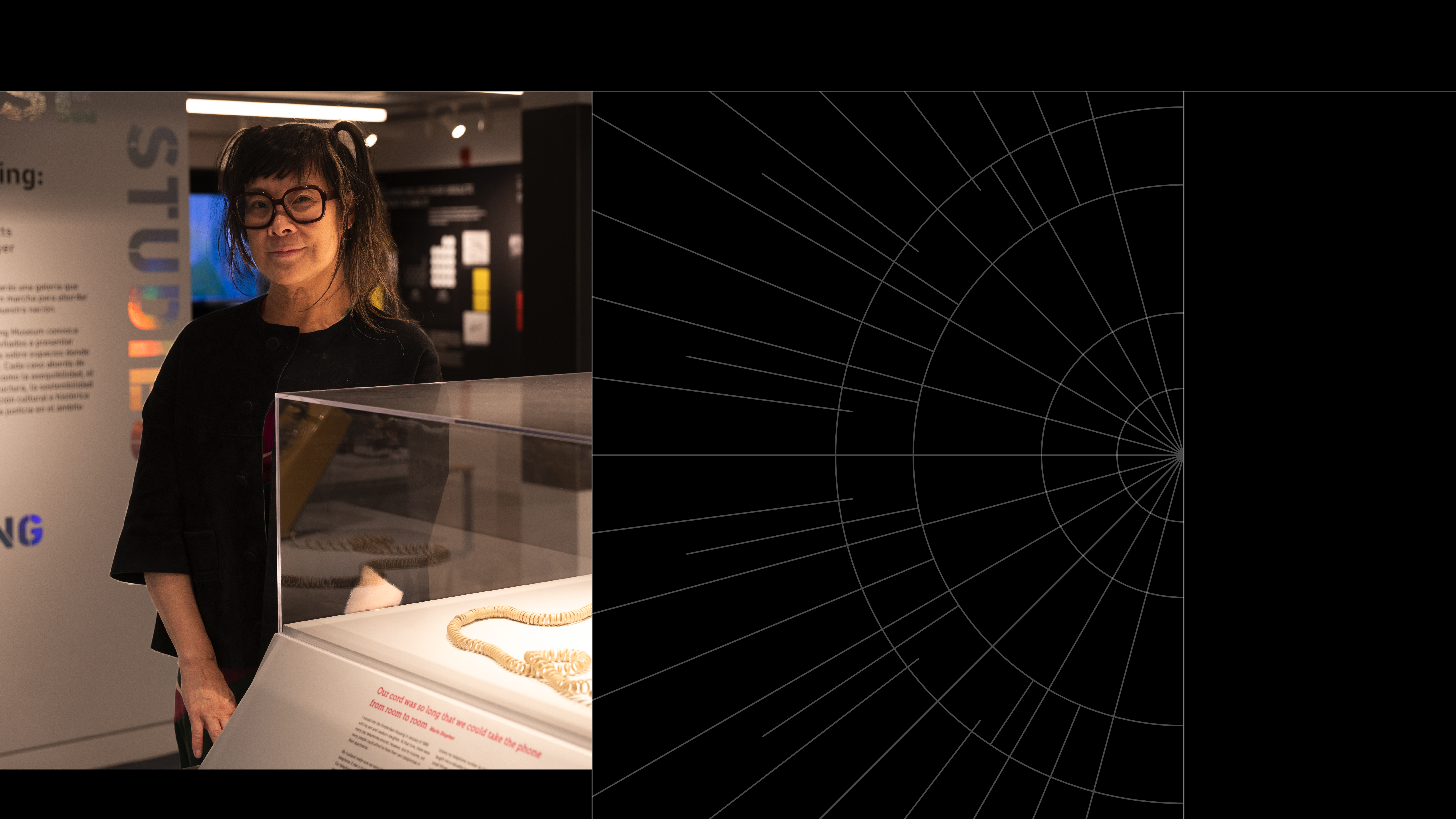
Lisa Yun Lee, Executive Director at National Public Housing Museum

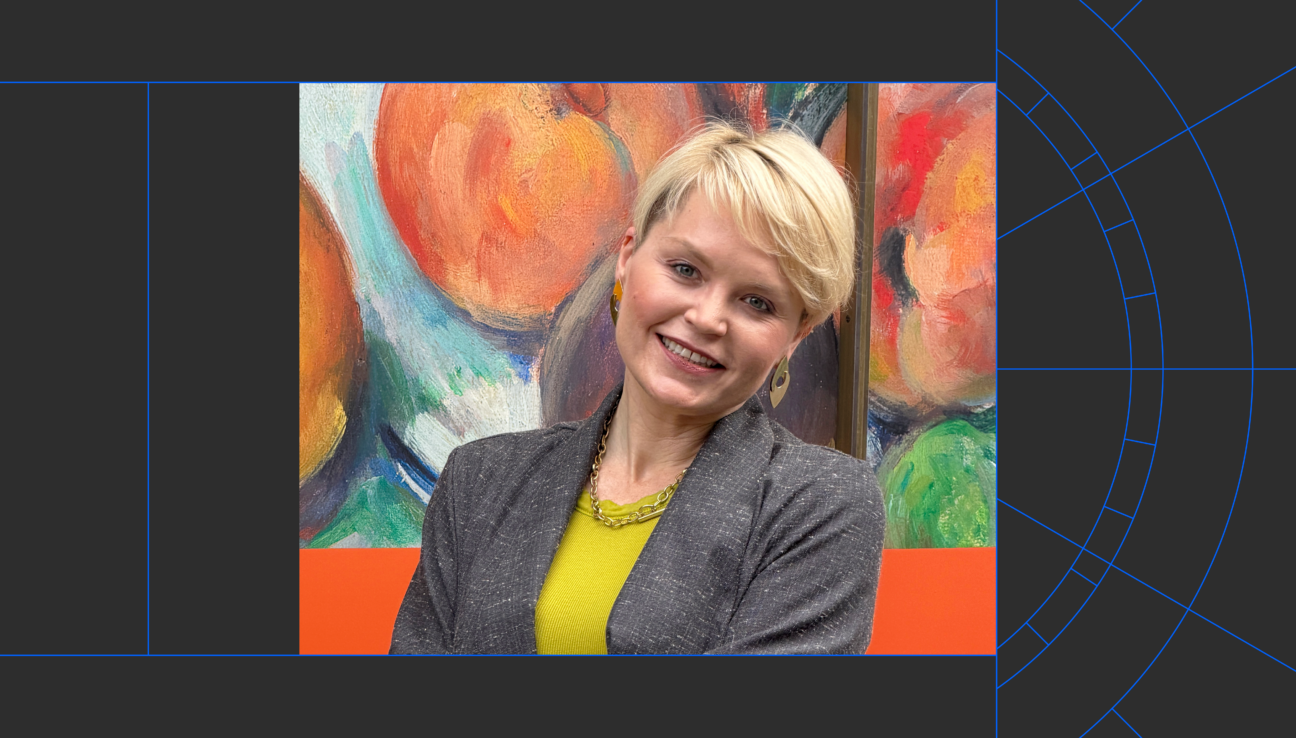
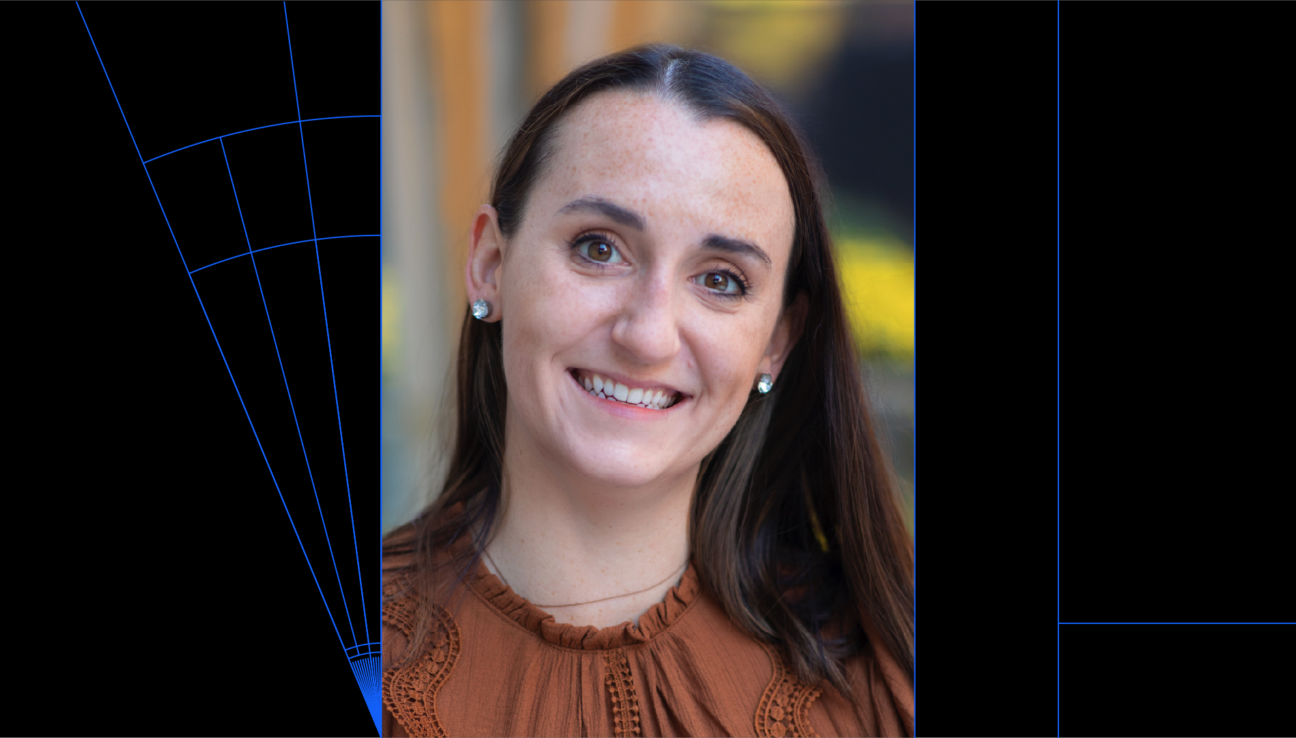
This episode is hosted by Monica Holt. 

--:--:--
Ep 188
0:00 / 0:00
Tune In

IN THIS EPISODE

What if a museum’s job isn’t simply to preserve history, but to help us imagine a different future?

Lisa Yun Lee has spent her career exploring what cultural institutions can make possible when they understand themselves as civic spaces. As Executive Director of the National Public Housing Museum in Chicago, she leads an institution created by public housing residents to preserve their own histories, challenge dominant narratives about public housing, and bring arts, culture, and public policy together in the fight for housing as a human right.

In this episode, Lisa traces the winding path that took her from studying religion and German intellectual history to the Jane Addams Hull-House Museum, the University of Illinois Chicago, and ultimately the National Public Housing Museum. She shares how the museum puts solidarity with public housing residents into practice, why museums should engage both historical fact and lived experience, and what it means to create a cultural institution rooted in radical hospitality and collective joy.

Lisa also challenges arts leaders to think expansively about whom our institutions serve and what success looks like—from compensating artists and cultural workers fairly to creating spaces where people can define beauty for themselves.

Transcript

Lisa Yun Lee: How do we create a world which is the most livable for the most amount of people? How do we commit to liberation for all people? Those kinds of questions are at the core of so many things. And especially with art and representation, you’re trying to understand how did the world get to be like this and how can we change it to make it better?

Monica Holt: Welcome back to Arts Unscripted, a capacity podcast. I’m your host, Monica Holt. Before we dive in, a quick reminder that we’ve just now launched a new Instagram page for the pod. So if you’re enjoying these episodes, please follow along at Arts Unscripted. My guest today is Lisa Yun Lee. Lisa runs the National Public Housing Museum in Chicago. It was started not by curators, but by public housing residents who watched their buildings get demolished and refused to let their history disappear. I wanted to talk to Lisa because of her clarity of purpose regarding what cultural institutions are actually for and who they serve. Unlike a lot of people who talk about that question, Lisa isn’t theorizing. She’s been deep in this work for years. Lisa built a museum inside a former public housing building with residents writing the labels and staffing the education programs in a city that had tried to erase that history entirely.

I also think it’s important to hear from her, particularly in this moment, because of how she looks at hope for the future. Many leaders I’ve spoken to have operated through difficult moments, funding pressures, political pressure, questions about relevance, and Lisa has too, but she has a non-sentimental answer to how you stay committed to the work anyway. And that answer is to time travel. Go back, learn more, then use that to imagine forward. Let’s dive in.

Lisa Yun Lee, welcome to Arts Unscripted. Thank you so much for being here today.

Lisa Yun Lee: So excited to be here with you, Monica.

Monica Holt: I am thrilled. We really appreciate you making the time. I think there is so much about both your story and the work you’re doing now that I am really excited to share with all of our listeners. So to jump in, I’d love to just start with you sharing a little bit about your own earliest experiences with art.

Lisa Yun Lee: I grew up in a very artistic family. My mom was a poet and a painter before she came to the United States. And then like a lot of immigrant families, she got to America and she didn’t speak English, and so it was really difficult to be a poet. So she majored in math, even though that wasn’t her thing and she became an accountant. But our home was always filled with poetry and with art making. I was a terrible artist and there’s a kind of family lore where I drew a picture and it was a baby and I was so proud of it. And my mom said, “What a great fish.” So it was clear that I didn’t have artistic sort of talent. And then later on, my mom, in order to make enough money for us to go to college, she actually opened up a framing store in the Poughkeepsie Mall.

And so I was a kind of mall rat and that’s actually where I really got my biggest exposure to beauty, a quote unquote. It was like Escher prints, dogs playing poker, but also Monets and impressionism, people’s glamor shots. So I really had an early experience that people have a very diverse notion of what is good and beautiful art because it was incredible the things that people would bring in. And these were their sort of visions of what was the most beautiful. My dad worked at IBM and it was at that time when IBM was funding a lot of exhibits. And so anybody who works at IBM could go to free museums. My dad would bring us to every single exhibit in New York City, the Met or whatever at MoMA. For us, it was just amazing because we didn’t have any air conditioning in our home and these places had air conditioning.

So for me, I was like, “Ah, these are the most beautiful places.” Our bathroom was always broken when we were living. So it was like going to these places was like these beautiful bathrooms. So museums were kind of more like civic spaces that I could get basic needs met in that way mixed with the art. And so that was the other kind of art exposure. And when I think back now, I’m like, “Oh, all of those kinds of experiences really contributed to my approach to how I understand what good art is and also what a museum and institution could and should be for many different people.” So all those things were very formative.

Monica Holt: Yeah. I think what’s so nice is also with the framing store, the democratization of art and how art can be part of people’s lives outside of the museum wall. So that’s completely makes sense when you think about your story. Then, okay, so you grow up a little bit, you go to Bryn Mawr, you study religious studies, and then you go to Duke and you get a PhD in German studies. I would say if someone was looking retroactively at your career, they wouldn’t have said, “Oh, and then that makes sense because she was building a path to museum leadership.” So what drew you to those disciplines?

Lisa Yun Lee: Yeah. I mean, Bryn Mawr was a really special place because it’s definitely where I became a feminist, became politicized, and Bryn Mawr was a place where they always say women and people who are identified as women, we were free to be everything. So it’s like whether it was the physicist to the arts leader to whatever. And so it was a very intellectual atmosphere and I adored that. The German studies part came because I had an amazing mentor there, Azade Seyhan. She was just one of the most brilliant people I ever met, and she did German intellectual history. And I kind of thought, “Ooh, I want to be like her.” But I majored in religion because I took a religious studies class with this amazing thinker named Dave Dawson, and it was the height of literary theory and people were applying that to the book, the Bible.

And I was kind of like, “If you’re going to interpret a book, why not interpret the Bible?” Or other kinds of sacred texts. And so I always say that I’m incredibly intellectually promiscuous. I’m just curious and I care about all these things. And now when I sort of look back, I’m like, “Well, it’s all kind of the same. Whatever you are studying, this question of how do we create a world which is the most livable for the most amount of people? How do we commit to liberation for all people?” Those kinds of questions are at the core of so many things. And especially with art and representation, you’re trying to understand how did the world get to be like this and how can we change it to make it better? And doesn’t matter whether you are working in an art museum or in Washington, a lot of those questions were the same ones that inspired me to be curious and to be in community with people.

Monica Holt: Yeah, that makes a ton of sense. It’s interesting you talking about Bryn Mawr a little bit. I went to a all female or female identifying high school.

Lisa Yun Lee: Oh, you did? Cool.

Monica Holt: And I attribute a lot of the way that I inherently feel permission to be curious and ask questions in rooms, I think was very much developed in that space where it felt very safe and it made sense together. All of us were asking a lot of questions together in a way that I know was formative for me. And I think that continues whether it’s high school or college, you’re still in those moments where you’re understanding what is possible.

Lisa Yun Lee: Yeah. And in this world, there are dominant forms of oppression, whether it’s heteronormative patriarchy or it’s racial capitalism. They obviously are interconnected, but to have a time where it’s kind of safely a little bit apart for those things where the normative wasn’t heteronormative patriarchy was so important to be able to unleash my radical imagination about what is possible.

Monica Holt: I don’t want to lose sight of what you just said. Release your radical imagination. Ooh, Lisa, what a phrase, a radical imagination.

Lisa Yun Lee: That’s a phrase that I’ve really learned from the Black radical tradition and my friend Dr. Barbara Ransby, who’s just incredible and wrote a biography of Ella Baker. In her book, she kind of breaks down the way that Ella Baker, the great civil rights leader, understood the word radical. And it was like to be radical, it’s a math term actually, the radical square root. You’re getting down to basics. It’s trying to understand the root causes of things. And so for me, I love that pairing of radical with wild imagination because it brings those two things together really well, not just this kind of, oh, being pragmatic and understanding what’s really happening, but also at the same time being okay, imagining that which could be. That’s my jam. Thank you.

Monica Holt: No, thank you for sharing all of that. Deeply meaningful. So moving through time a little bit more, after Duke, you moved to Chicago. What brought you there?

Lisa Yun Lee: I had come to Chicago to start a nonprofit called The Public Square. When I was at Duke, I had worked on a women’s studies conference about domestic violence, and it brought together people who were working in shelters with 18th century scholars of domestic violence, with people who were writing about survivors. And people said, “Oh my gosh, we didn’t know there were people at the university working on this.” And the university people were saying, “This is the first time that we’ve actually sat down and talked to women actually in shelters or women who are working on stuff.” And I was like, “Wow, why doesn’t that happen more often?” I thought I really wanted to do this in all different arenas, not just around domestic violence, but around immigrants’ rights, about all a range of issues. And at that time, Stanley Fish, who was a professor who had been at Duke, was at University of Illinois at Chicago.

And he said, “You should come here because there’s incredible group of people in Chicago like Bill Ayers, Barbara Ransby, Beth Richie.” And he said, “I want you to meet these people.” And I did, and people were really jazzed about this idea of the public square. So I did that for around seven or eight years, and that’s where I really became a public programmer, and it was thinking about how civic institutions can all be brought onto the public square.

Monica Holt: And then in 2006, you became the director of the Jane Addams Hull House Museum. How did that role get on your radar?

Lisa Yun Lee: Let me tell you. I mean, that was one of the most important decisions that I ever made in my life. The public square got adopted by Illinois Humanities, and this Hull House job came up, and one of the people who was an advisor to me at that time said, “Hey, you know what? You should try to run the Jane Addams Hull House Museum because you know how to make things radically public. You’re thinking about how do you open up a university?” And the Hull House was on the UIC campus. And I had not run a museum at that time or anything. For anybody who’s wondering, can you do something new that doesn’t seem exactly in your wheelhouse? The answer is yes, because when I went to my interview for this position, I didn’t know who Jane Addams was, and I kind of said, “I love Jane Addams Hall.” And they were like, “You do realize her name is not Hull?” And I was like, “No, I do not realize that.” And I was like, “Ooh.” But I sort of told them in my interview, “I don’t know who Jane Addams is, but by the next time you talk to me, I’ll be one of the people who knows as much as anybody in this room about her.” And I really hit the books and I

Read a lot. I did not approach running a museum in a way of thinking about the best practices of a museum. I came at it thinking about how can you create a space that can be a radically democratic space that is for ideas, for the presentation of art that can be inclusive. And it just happened to be at that moment that people like Elaine Heumann Gurian, a lot of people in the museum fields were asking those kind of critical questions about museums too. Is caring for objects the only thing that we do? Should social service be excluded from museums or should we be doing stuff? So it was just the really right moment for me to be coming into museum work, and it was through that lens that I understood the potential of museums. And so it was really at that time where all of my commitment to arts and culture merged with the realization that this work was also policy work and that also we needed to go back in time and ask critical questions about what we have not yet learned.

But can I tell you one thing?

Monica Holt: Yeah. Everything

Lisa Yun Lee: Really was so beautiful at that time, and it’s kind of like a magic moment, but I do want to say there was a core group of people that I was working with, like Isis Ferguson, Lisa Junkin Lopez, and Heather Radke, and all these people who went on to do amazing stuff. But we sort of saw this work as a passion project, and we were so underpaid and so overworked, and we just love this work. And when I look back on that period, I am ashamed as an arts leader how little I compensated people who were working there. And now at this institution with a union, with the realization that not everybody can do this work as a passion project, I have had my consciousness raised by the next generation of museum workers and organizers, because like I said, it was really unjust how much the university was paying us.

It was bad.

Monica Holt: Nonprofit arts and culture organizations have been built on the backs of not just the artists who are undercompensated and taken for granted, but also of the folks who are so committed to the mission and the belief that one, it’s one of the reasons why we’ve alienated so many folks from being able to be part of our industry. And two, it’s the taking advantage of that, that particularly in the US has allowed these organizations to actually sustain themselves in this really unhealthy financial way that leads to moments when folks are finally seeing as you are right now with clarity, the damage and the lack of humanity in a lot of cases about how we want to treat each other in a space where that community piece is meant to be such a core value. It’s leading to some really important, difficult questions about what is it that success looks like at an organization.

We had Brent Reidy on who’s at Near Public Library, and one of the things he said that we all kind of took a beat for was that great art does not require a trail of misery.

If you put on a beautiful concert or a beautiful exhibit, but your staff is exhausted and hasn’t slept in three weeks and are crying in the corners as they’re trying to finish, then that wasn’t a successful concert. It wasn’t a successful exhibit.

Lisa Yun Lee: Yeah, no, I love that. It’s really important.

Monica Holt:

I mean, it’s all of us to learn this lesson.

Lisa Yun Lee: Yeah. Although I was just at a retreat with a bunch of arts leaders and there’s the 10% also being very critical of so-called work-life balance rhetoric, because there is a way where the work that we’re doing, it isn’t same. Oh my gosh, I’m going to about to throw a discipline under the bus like accounting or something. I don’t know

Monica Holt: . You’re signing up for a lifestyle when you take these jobs that’s different than a nine to five.

Lisa Yun Lee: Exactly. And it maybe is more than a lifestyle. There is a kind of commitment to the work and the creation of a world where yes, care is important, self-care is important, care of our community is important, but it isn’t a strict divide between the private and the public and our home life and the work life. And it’s not maybe so easy and maybe not even desirable to be like, “Oh, it’s five o’clock, peace out.” That’s not the way that the work flourishes. And so like I said, I’m still grappling and learning about that, and I think this next generation is helping hold us accountable, but also I think we have a lot of lived experience around this. And so we’re in a dialogue. It’s not like we’re ready to turn over the reins

Monica Holt: To – We have to learn from each other.

Lisa Yun Lee: Just because you stop sending emails at 5:00 PM, it doesn’t mean that the work is stopped or the ideas are completely empty. So I’m trying to figure that out.

Monica Holt: I think all of this is true, and the fact that you are grappling with it is why we’re building better leadership trends for the future and working with the staff that will come up behind us to be able to continue to improve on those conditions. Yes. Okay. So going back to UIC, in 2012, you became the director of UIC School of Art and Art History. What stands out about that period of time?

Lisa Yun Lee: That was really interesting because when artists and some art historians said, “We’re starting this new school, will you come and help us build an art school?” It was a little bit like, “Oh, I’ve never built an art school really. What does that mean?” And they were like, “We see your work as a form of creative practice, like institution building. Help us think about it.” We’re in Chicago in the shadow of one of the greatest art schools, School of the Art Institute, and we at a public university want to be different. There’s a kind of way where you create a portfolio and you submit it to the Art Institute and you get accepted, but UIC’s program was radically different. Many people don’t have art programs in their high schools these days, so how are you supposed to put together a portfolio? So the idea was we are actually going to teach you to be an artist.

We’re going to immediately dispel this notion of genius and that you’re just born with this innate talent. And that’s what our job is. Nobody says, “You are born to be an English major. You were born to know algebra. Our job at university is to teach people algebra. So why wouldn’t it be the same that our job is to teach people how to paint or to draw or to do sculpture?” I was really intrigued with this notion, and of course it hearkened back to Joseph Boies and all these German thinkers and artists that I loved where everyone was an artist, this idea of social architecture and things like that. So it was a really wonderful period to go and try to build this public art school that had a different mission with a group of amazing artists and thinkers and practitioners, but I’m not going to gloss over.

It was hard work because

University is a beast. It’s a behemoth. It was harder to create the change that I wanted to create because of this whole institutional structure. So it was an incredible time because my job was to go to art openings of all the art faculty. It was going to critiques and thinking about how do we do critiques in a way that’s more inclusive, learning art deeply in that period, that was really a joy. And so I feel really lucky that I was doing that. But really at some point I was like, “This is not my forte.” Going to faculty meetings, resolving differences between people, looking at scheduling, and the extreme pressure of credit hours, these were questions that I was not as interested in, and it wasn’t the battle that I wanted to fight. And

Monica Holt: You had kind of taken what you could from that. And I think what’s interesting and I think was worth sharing about that time is all these pieces start to build to this origin story of your involvement with the National Public Housing Museum. And for folks who might not already be familiar, would you talk a little bit about how that museum came to be?

Lisa Yun Lee: Talk a little. I’m going to talk a lot about that.

Monica Holt: Even better.

Lisa Yun Lee: So it actually came into being during a time period that I was at the Hull House Museum. Around 19 years ago, we were in the wake of something called the Plan for Transformation, an urban renewal plan here in Chicago that was meant to deal with racialized poverty, crumbling buildings and corruption at the Chicago Housing Authority. And they passed something which the first act was actually the dismantling of 11 high rise projects all throughout Chicago. Tens of thousands of people were displaced and a group of public housing residents came together and said, “You are racing our homes from the landscape. You are trying to erase this history.” And just deep down, they understood that one of the reasons why it was so easy to do this was because there was only one mainstream narrative out there, and that narrative was the failure of public housing that basically blamed Black public housing residents.

And they were like, “No, you don’t. This can’t happen. We need to have a place to rest control of the narrative, and we want to save one of the original buildings and we want a museum.” And at that time, they went to talk to a preservationist named Sunny Fischer at the Driehaus Foundation, and she was like, “Oh, you have to go talk to Lisa Lee at the Hall House.” And they came and talked to me and I became the first board member. Immediately, we brought in Ruth Abram, who was the founder of the Tenement Museum and the founder of the Sites of Conscience. She gave a talk to the public housing residents, and we all went to the Tenement Museum to visit. And then if you flash forward, I remember sitting after a very contentious faculty meeting in the parking lot in my car and Sunny calling me and saying, “Hey, we have to hire the next director of the Public Housing Museum.

Will you chair the search committee?” And I was like, “Damn, I actually want to do this.” Oh, good for you. I had been thinking about it a long time. I’d been on all these different committees. And so I decided that I would leave my university position as the director of school of art, stay on teaching museum studies, and building this institution will be a part of my practice. And so that was maybe seven or eight years ago, so that’s when I started as the executive director at the museum. A lot of the program had been thought about and marinated, but not really flushed out. So there was a lot to think about. At that time, I’d been reading and thinking about Elaine Heumann Gurian, the Museum as Soup Kitchen. And so for me, it was like, well, it could be a museum, but it should also be housing.

So our campus, which has 20,000 square foot of museum and exhibitions, also has 20,000 square foot, which is dedicated to public housing, affordable housing in the back part of the building. Our kind of tagline is the place where arts, culture, and public policy meet, and it’s a place to be fighting for housing as a human right. But we have beautiful public art installations, and we think about art making and artists as the people who are building the infrastructure of our democracy in the same way that the WPA invested in artists, just like bridges and roads and art making. And

Monica Holt: Will you share a little bit about how the residents there have an impact or teach the museum in a very different way than I’m sure the museum professionals look at the space and place and what that interaction is like?

Lisa Yun Lee: I think in the trajectory of museum studies, there’s been a lot of work where people have been talking about sharing authority. And then there’s a next generation of museum practitioners that were like, wait, did we actually ever have the authority to share? And maybe we’re just working in solidarity with people. And so when the museum started, it was started by public housing residents. And the idea that we needed to amplify certain stories in order to challenge mainstream narratives was always part of this kind of emphasis. So we started creating an oral history project, and from the oral history project, that’s where all the exhibitions and the programs emerged from things that we heard. And I would say that it’s very much of a we in that right now our staff is made up of public housing residents also. So it’s not just like, oh, there’s an advisory board of public housing residents.

There’s public housing residents, current and former who serve on the board. The educators are public housing residents who are part of our cultural workforce training program. And so it is trying to create spaces where people can be community advisors, but also curators, also oral historians. Yeah.

Monica Holt: The museum is a registered site of conscience.

Lisa Yun Lee: Yes.

Monica Holt: Actually, will you explain what that means?

Lisa Yun Lee: Yes. I love the International Sites of Conscience. So the International Sites of Conscience was actually founded by Ruth Abrams and others, and it’s a group of historic sites that is really committed to two complimentary notions. One, that you cannot solve today’s problems without going back in time and asking what we have not yet learned. And then two, we actually can’t make history relevant if we don’t connect it to contemporary social justice issues. It sounds kind of like, well, of course, but most historic sites in this nation don’t operate in that way. If Mount Vernon was a site of conscience, it would be committed to thinking about how George Washington as an owner of enslaved people, what is the obligation of that historic site to be talking about the legacies of slavery? But they aren’t, they’re just celebrating George Washington. So historic sites who are part of sites of conscience are really committed.

If you are a place that is like us, a history of displaced people, whether it’s in Sudan, in Gaza, or talking about Indigenous people who were the original stewards of this land that we are located, you need to be asking how does your mission engage and how does your work engage with those issues? So it’s a really powerful framework and it believes in the power of place and memory. And then one last thing I just want to share about the sites of conscience methodology because it’s very particular and I think it’s so relevant in this moment where the federal government is passing executive orders about truth and sanity and history. The sites of conscience really is founded also on the framework that developed out of South African Truth and Reconciliation Campaign. And it is a real acknowledgement that forensic facts matter, that there is forensic history, like this happened on this day.

Those are verifiable historic facts, but that’s just one kind of truth. The second kind of truth is narrative truth, which is each of us have a narrative of how we make sense of the forensic facts. And sometimes that narrative actually differs from the forensic facts, but it might still be true. And I always tell the story of how when I was at Hell House early on the first couple days, I met this woman who said, “I remember I met Jane Addams. It was 1941. She told me that I should go pursue education and school. It’s a day that changed my life.” And I remember going back and I was thinking, “That’s so weird because Jane Addams was dead in 1941.” And I was thinking, what’s my role as a museum’s person? Is it to be like, “Oh, hell Hello, Ms. Nielsen. I just want to tell you, you have your dates all wrong.

I mean, that’s not the point. The narrative truth was the truth.

Monica Holt: That’s not the point

Lisa Yun Lee: That’s not the point. But the fact is, and the sites of conscience, it says a third kind of truth is dialogic truth. And that’s the kind of truth that we have to create between two truths that contradict one another, which is really important. Then the fourth kind of truth is the most important truth, and that’s restorative truth. And that’s what institutions and museums should be committed to, which is acknowledging all three truths and finding a way for us to move to a better collective future together. And so for me, that framework of how I understand what it means to run a museum, a historic site, and to be balancing all of those different kinds of truths is sort of a really important governing principle. Yeah.

Monica Holt: Yeah. I’m curious now. Why isn’t Mount Vernon trying to be a site of conscience?

Lisa Yun Lee: Well, you would have to ask Mount Vernon.

Monica Holt: I know I would. I know I would, but I’m like, it just makes so much sense.

Lisa Yun Lee: I just jokingly say you would have to ask Mount Vernon because it happens every single day in our lives. Our community is about to reinstall a Columbus statue inside a building, one that was taken down. What is at stake when a community is so committed to a false narrative? And I say false narrative in this context, but it is just their narrative truth. The narrative truth is that Columbus is a hero and the forensic truth is like Columbus is not even Italian. There’s all these things. And so I think all of us do not. America does not hold contradiction in a way which is productive. And for me, those contradictory moments in dissent are actually what produces real democracy. It’s like finding ways for us to agree and disagree and figure out. It’s a never-ending process, which is part of the beauty of social change.

Monica Holt: Well, and there’s a quote that you have made me hip to, which is, “The role of the artist is to make the revolution irresistible.”

Lisa Yun Lee: I love that. Toni Cade Bambara, shout out to her. Yes, it’s really beautiful.

Monica Holt: Incredible. And I’m curious for you, what does making the revolution irresistible look like in practice for your work at the National Public Housing Museum?

Lisa Yun Lee: Yeah. Well, at a base level, it is about producing collective joy. Now, Gina Dent has an amazing essay that she wrote in Black Cultural Studies Handbook, which is distinguishing between individual pleasure and collective joy. So collective joy is not just, “Oh, I feel good. This makes me happy,” and things like that. It’s a much deeper thing. It’s really asking ourselves what produces joy in this world. Sometimes it’s pleasure. Sometimes it’s acknowledging truth and everybody in the room is like, “Phew, I’m so happy that this finally came out.” And that actually produces a kind of joy because you’re not just suppressing and repressing all these feelings and thoughts, but everything we do here at the National Public Housing Museum is about collective joy. And there’s a couple of principles that maybe go into it. The idea of radical hospitality, thinking about the basic needs of people, thinking about when somebody comes into an event, how is it that they feel really welcome and have their needs met? When you come to an event, it’s not just an intellectual engagement, it’s physical, it’s emotional, it’s everything. So that’s part of it. We think a lot about this idea that most institutions are just trying to create access to beauty, but for us, true equity and true justice and true joy is when you make sure people have a way of saying what is beautiful for themselves and their community. The art historical narrative of what is excellent art doesn’t exist for us because we know that that is so different for so many different people.

So there’s a kind of way of being very capacious of our definition and opening up the narrative so that people feel seen and not just in a kind of hunky-dory, can’t we all get along way. There are really challenging voices that you’ll encounter when you come to the National Public Housing Museum. In one of our biggest galleries, it’s dedicated to everyday objects, domestic things like a phone or eyeglass or a dog collar. How do I work as a curator to just make people stop and look at these everyday objects? Also, it’s not me as the curator writing the label. All of these labels are written in writing workshops with amazing writers like Nate Marshall or Elise Paschen and they’re poems. So every step of this museum is, I think, filled with storytelling and joy and amplifying as many different voices as possible.

Monica Holt: Are there conversations you hope people are having as they’re leaving the museum together?

Lisa Yun Lee: Yeah. I mean, there’s a kind of classic sensibility in what makes a good exhibit, and you want to make sure people learn things, but that’s kind of the least thing because you can read a book or actually look it up on the internet. You want to make sure people feel things, so that’s getting closer to this deep range of affective feelings. So not just empathy, because I think museums went down the empathy track and forgot about all the other affects. It’s okay to feel. Sometimes anger can be productive, sometimes being sad and melancholy and the range of human affect is really important, but then it is like what can you do? We’re living in a world where there’s no county in the United States where somebody working full-time minimum wage can afford a two-bedroom apartment. That’s a disgrace in a world where the United States is the richest country in the world.

So there’s things that you should feel angry and you need to know what can you do about it.

Monica Holt: Just as I think about what you’ve walked us through, you have a career that really has been focused on helping people figure out how to use the past to imagine what different futures could be. And so I’m curious, in this moment in time, what is giving you the most hope about the future of artists and cultural institutions and the role that they have to play in building our collective future together right now?

Lisa Yun Lee: Yeah. I mean, I come at it in the Mariame Kaba way where hope is a discipline. In this world with so much tragedy and so much unmaking, it really is important to practice hope. And we talk about it at the museum. If you go back in time and you take what you learned, but you commit to making a better world in the future, you’re a time traveler, and also that is the way of being hopeful. And so I think that the next generation, I have two kids who are actually curious and they’ve challenged the kind of high low divides that I grew up with. They’re equally committed to what we might call great art and also popular culture. So that’s one thing that I think is actually very hopeful. I think people are really keen to the question of culture as a commodity and willing to challenge that, which I think is really, really hopeful.

And people are thinking about it experientially because in a world where we’re living so much on the web, when people truly have an experience, it wows them. And that ability to feel, smell, and taste the world is really, really important. So I’m excited about that as well because I think the more that art can be an experience in that way, the more that we realize our humanity. Perfectly said.

Monica Holt: Lisa, we are towards the end of our time. Yeah. I have a few quick fire culture questions for you. The first of which is, is there a current piece of culture that you are currently obsessed with and loving?

Lisa Yun Lee: I recently went to Amsterdam and I went to visit Anne Frank’s home where she was hiding and somebody told me, “You have to read this book by Lola Lafon called “When You Listen to The Song: On Memory, Loss, and Writing.” And it is amazing and blew my mind. Everybody has to read it. It will challenge everything you though you knew about Anne Frank, and also it will challenge everything you think you know about what the work of the historic site and museum is. It is just so, so good. She holds that mirror up to us and makes us realize our complicity in either continuing to do violence or changing the narrative to actually do the work that we should be doing as global citizens. It’s so good. And also just honestly, it is a very slim volume, which is also really, like I’ll say, is great.

Monica Holt: That’s a great recommendation. Thank you. If you could go back in time to a live performance, an exhibition, an event, what would you want to see?

Lisa Yun Lee: Oh my gosh. I mean, there’s so much good stuff now and coming up that I’m like, “Oh my gosh, now I have to go back in time also.” But I like that question a lot. I mean, I am a really big Yoko Ono fan. I love the multidisciplinary way that she created art. And so I feel like going back to see the original performance of Cut Piece or something like that would just be really important for how I understand that work. And then the other thing is I’ll say, I love Daniel Barenboim. If you have that thing where partners give you one pass where you can sleep with anybody, I’m just saying he’s kind of my guy, but I feel like that performance of him with Jacqueline Du Pré, the cellist, would just be the one that I would want to see. I just think they’re such important musicians and I would love to see him as a young pianist.

Monica Holt: Good. Great answers all around. Do you have a free resource that you think more people should avail themselves of?

Lisa Yun Lee: Well, the first thing that I would say is that the National Public Housing Museum has a toolkit, which is called the Civic Love Toolkit, and it’s something that we developed during the pandemic of how do you ask and answer 36 questions with a total stranger and be able to understand them more deeply and to fall in civic love with them. It’s based off of that New York Times survey about falling in intimate love with people, but it’s a toolkit that you can get off of our mphm.org site, and it’s a really good resource. But if I’m not saying my own resource, I would say I actually go to the WAGE website, Working Artists for a Greater Economy, almost every other day, just to remind myself that the work that we do actually needs to be compensated. And they have put out an amazing guide for people, whether you are a $300,000 org, three million or $30 million, what is a recommendation to pay a single artist for a show, a group artist for a show if you’re commissioning an artist?

And I want to recommend that every single institution go look at that and anybody who’s trying to holler and create a more equitable arts ecosystem, they’re just great.

Monica Holt: Those are great. We will link both of those in the show notes. Thank you for that. And then our final question is if you could broadcast one message to executive directors and leadership teams and staff and boards of thousands of arts and culture organizations, what would that message be today?

Lisa Yun Lee: Oh my gosh. All right, I have maybe two messages, and I promise I hadn’t actually thought about this, but I want to say one is invest in a really good HR department that is inclusive and not just a mouthpiece to do risk management. HR is the place that if you really invest in a good person or a good group, it can transform your institution. Then the other thing is solidarity, baby. The Hunger Games has made us see one another as sort of there’s a limited pie out there, and that is not true. Us working together and realizing more is more is so powerful and coming together to try to create a world where arts and culture can thrive. We’re only going to be able to do it in solidarity, even though foundations and grants and other people try to make it like we’re pitted against each other.

It’s not true.

Monica Holt: Lisa Lee, thank you so much. What a great final message.

Lisa Yun Lee: Thank you, Monica.

Monica Holt: Grateful for your time and all of your work. Just such a pleasure to be with you today.

Lisa Yun Lee: Yeah, I love talking with you, so thank you so much.

Monica Holt: Thank you for listening to Arts Unscripted. If you enjoyed today’s conversation, please take a moment to rate us or leave a review. A nice comment goes a long way in helping other people discover the show. And if you haven’t already, click the subscribe button wherever you get your podcasts. We’ve got some great episodes coming your way and I don’t want you to miss them. A huge thanks to our team behind the scenes, including Karen McConarty, Yeaye Stemn, Stephanie Medina, Jess Berube, and Rachel Purcell Fountain. Don’t forget to follow Capacity on Facebook, Instagram, LinkedIn, TikTok, and YouTube for regular content to help you market smarter. You can also sign up for Capacity’s newsletter at capacityinteractive.com, and I hope you’ll reach out to us and let us know what you think and who you’d like to hear from next on Arts Unscripted. I’m Monica Holt. Thanks for listening.

View More
About Our Guests
Lisa Yun Lee
Lisa Yun Lee
Executive Director, National Public Housing Museum

Lisa Yun Lee is a cultural activist and the executive director and chief curator of the National Public Housing Museum. She is also an associate professor of museum and exhibition studies and gender and women’s studies at the University of Illinois at Chicago, and a member of Chicago Torture Justice Memorials. 

As the former director of the Jane Addams Hull-House Museum, she oversaw renovation of the house and reinvigorated public programming. Lee was the cofounder of The Public Square at the Illinois Humanities Council, an organization dedicated to nurturing civil society. 

She writes broadly about arts, culture, aesthetics and politics. Lee serves on the boards of the Field Foundation, the American Association of State and Local History, Gloria’s Foundation, Preservation Illinois, and on the Equity Advisory Council for Mayor Brandon Johnson and the city of Chicago.

FeaturedEpisodes

Arts Unscripted
Tune In

Listen Now

New Episodes Weekly