Skip to content

ResourcesPodcast

Ann Morrow Johnson, Global Immersive Experience & Entertainment Leader at Gensler

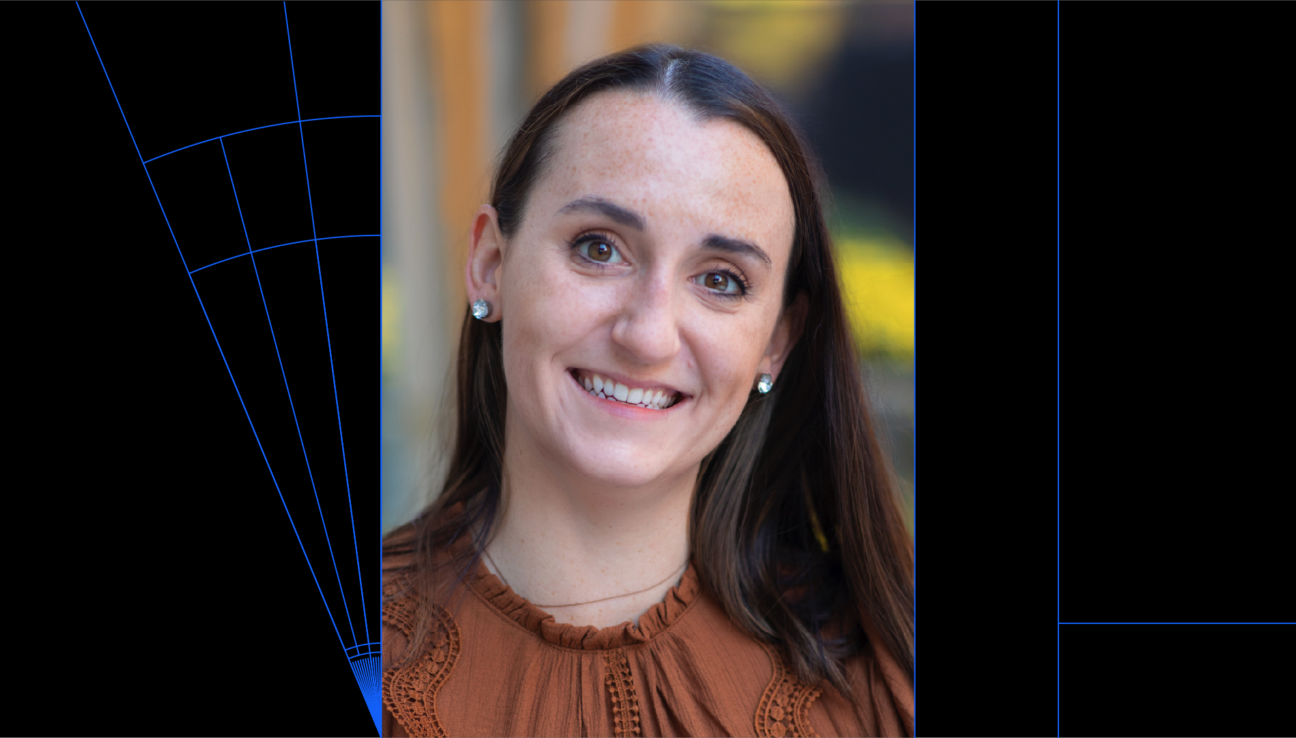
This episode is hosted by Monica Holt.

--:--:--
Ep 186
0:00 / 0:00
Tune In

IN THIS EPISODE

As our attention becomes increasingly fragmented, the value of being fully present together has never been greater. The most memorable experiences go beyond spectacle and create a clear sense of place, invite participation, and give people something meaningful to feel together.

Ann Morrow Johnson has spent her career designing those kinds of experiences. After more than a decade at Walt Disney Imagineering, she now co-leads Gensler’s Entertainment practice, applying lessons from theme parks and immersive entertainment to cultural organizations, hospitality, real estate, and other physical spaces.

In this episode, Ann Morrow explores why authenticity matters more than showmanship, how shifting from a scarcity mindset to a value-creation mindset can open up new possibilities, and why growing demand for shared, participatory experiences gives cultural organizations plenty of reason for optimism.

Transcript

Monica Holt: Welcome back to Arts Unscripted. This is Monica Holt. We are thrilled to be back this season with a great lineup of guests from the arts and culture industry and beyond. I hope you enjoyed last week’s release of our live conversation with Mark Bamuti Joseph at TLCC 2026. We are hoping to have even more live recordings in the future. Before we dive into this week’s episode, a quick plug, we’ve just now launched a new Instagram page for the podcast, so please hop on over and follow us at Arts Unscripted. Okay, now onto today’s episode.

Ann Morrow Johnson: The demand is there for experiences people want to gather with their friends and their family. They want to go be in a place by themselves and be surprised and delighted. And so we as artists and creators and cultural makers in this space, we are at this fabulous moment in time where there is not enough. What a great place to be as a creator.

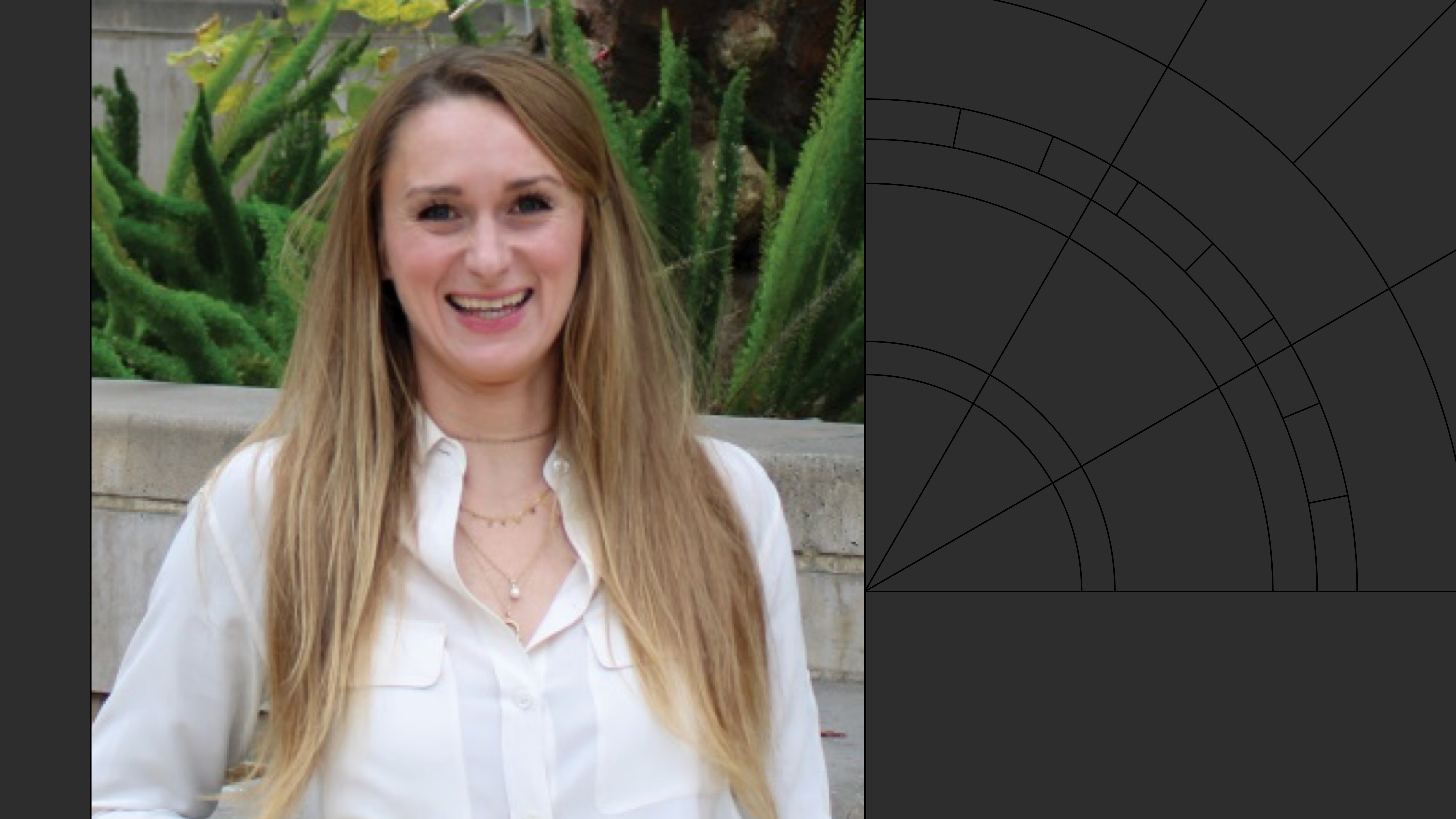
Monica Holt: My guest today is Ann Morrow Johnson. Ann Morrow co-leads the entertainment practice at Gensler, one of the largest and most influential design firms in the world. Before that, she spent over a decade leading global creative development at Disney Imagineering. Anne Morrow has spent her career helping build the kinds of places that people line up for, entertainment districts, theme parks, next generation audience experiences, and she thinks deeply about what actually makes people show up, stay, and remember. I wanted to talk to Ann Morrow because the framework she uses around audience behavior, around creative risk, around how you think about value creation instead of scarcity. Well, those are exactly the questions that I think arts organizations need to be sitting more with right now. Let’s dive in. Ann Morrow Johnson, welcome to Arts Unscripted. Thank you for being here. I am so excited to talk to you today.

Really appreciate the time.

Ann Morrow Johnson: Oh, thank you so much for having me. Thrilled to be here.

Monica Holt: Well, we have a lot to chat about, and I think our listeners have so much that they can learn from you. But to get things started, one thing we talk about a lot is the idea of collective joy. So when you hear that phrase collective joy, what does it mean to you? What does it make you think?

Ann Morrow Johnson: To me, it is that feeling that you get when you are in a group of people and it feels even bubblier and even more fun than the thing that you do on your own. I was at a concert on Saturday night and the one song comes on and we all sway together and we all start singing together. And there is this just euphoria about being together in a place in a moment in time that is uniquely joyful.

Monica Holt: So well described. Yeah, it is the great pleasure of the jobs that all of us contribute to and do to create that collective joy. Now you have worked in so many different pieces and parts of that world of creating shared experience and what it means to come together. Will you talk to me a little bit though about maybe how art first came into your life and where art lives in your memories?

Ann Morrow Johnson: Sure. I think it comes from a couple of different places. So there was a sort of organic strain of art that was as simple and as weird as drawing things in the sand and building forts and all of the things that you could create in the natural world around you. But I also vividly remember the first time going into a museum and just feeling tiny. There was this mural that was 20 feet tall and it was awe-inspiring in a way that is just really different than the awe-inspiring that you see in nature. And I remember feeling like, oh, this is different.

Monica Holt: I love that. Those sense memories of just looking up at the art. You have, I think, described before that you were never going to have to choose between art and business as you were learning. You wanted to figure out how to do both of those things. When do you think in your development did it become clear that there was a fluency that you could kind of harness? When do you think you started to piece together how that all felt?

Ann Morrow Johnson: Well, I guess to be fair to nine-year-old me, I don’t think I aspired to being an artistic business person.

Monica Holt: No? That wasn’t…

Ann Morrow Johnson: Wasn’t the vibe. But I do think I’d always been someone who enjoyed drawing and enjoyed theater, but also kind of liked math and how the world fits together is interesting. And I think that where that really started to pay off for me was in my first role actually at Imagineering when I was a project manager for a very short-term quick burn Star Wars experience. We were trying to turn Space Mountain into Hyperspace Mountain and the Interventions Dream Home into Star Wars Launch Bay. And I will never forget these late nights with the creative team where they were just pouring their hearts out about how we have to feel the blaster fire and we have to hear the pew pew and all that stuff. And then getting into these finance meetings where they would be like, “Help me understand how this is going to draw in more people and how we’re going to get it executed in 13 months and how this is going to be within whatever budget.” And finding that I was the person that could defend the feels through strategic speak and therefore make it more possible to build more was really very cool.

Monica Holt: Oh, I love hearing you describe that because the ability to live in both worlds and be a good translator between them, I mean that’s a superpower in and of itself. You spent over a decade at Disney Imagineering. You rose from project manager. You were leading global creative development. That is a wide range of experiences under one roof. I’m curious to hear how you reflect on what those years taught you about really building at scale and what that takes.

Ann Morrow Johnson: It sounds like a thing everyone says, but the number of people that it takes to build this stuff is unbelievable. And you read the books about it takes generations and thousands and thousands of people to build a cathedral. It takes all of those same thousands of people to build a theme park or an attraction or a hotel or a cruise ship or a whatever. And we are going to all join hands together in this semi-mad fever dream of a plan to go spend absurd amounts of money to build things that are going to delight people day in, day out for years and years and years at a scale that was unthinkable in previous times. It’s just there is a scale break that is really real and the amount of team sport that it is cannot be overstated.

Monica Holt: And in thinking about that process at scale, obviously audience experience, how folks move, interact, make decisions in that environment. I would imagine that you learned a lot in that realm. I’m curious selfishly, what lessons you might’ve learned throughout the research and development process that you think arts organizations might be able to adapt at a smaller scale in terms of how we look at and use research?

Ann Morrow Johnson: Sure. One of my favorite creative directors that I ever worked with always used to say, you can really predict how people will behave in mass. Groups of people are very predictable in terms of the way they work. And so in terms of modeling and demographic research and guest flow and friction points, you can really get close to how people are going to behave. And you can get shockingly close to what that’s going to mean in terms of money, in terms of how people are going to feel about it, in terms of how they’re going to flow through things, how long they’re going to stay somewhere, all of that. What you absolutely cannot predict is how people are going to break things. And I mean that literally physically, but also the misunderstandings that happen when you’re asking someone to engage in something is fascinating. And the number of times I have heard a designer say something like, “Well, they’re just doing it wrong.” And it’s like, no, absolutely not.

That can’t be the answer. A guest is coming in for the first time. You’ve invited them to participate in something. There is no such thing. You can’t Star Wars wrong. You can’t guest theme park wrong. You can’t attend a show wrong. There are things that are more or less likely for you to do, but we’re inviting you to suspend reality and use your imagination and to do something different. And we are in fact, not just giving you permission, but asking you to suspend your disbelief and to behave a little differently. Therefore, we cannot say that you did it wrong. Instead, we have to find the right guide rails to invite you to play in a way that is going to have a successful payoff both for the guest and for the designer.

Monica Holt: That’s so well put. I mean, as we think about how we invite people into art that they’ve never experienced before, it really at a certain point has a lot less to do with how the art was intended or developed and a lot more to do with how it’s actually being received and impacting.

Ann Morrow Johnson: Correct. What is the relationship that you are developing with it?

Monica Holt: Exactly. So you have this experience at Disney Imagineering, but now you are at Gensler. For listeners who may not know, can you talk a little bit and help us understand the scale and scope of what your firm does and specifically what you and your practice right now are working to accomplish?

Ann Morrow Johnson: Sure. So Gensler is in many ways the most impactful design firm in the world. It’s huge. There are offices all over the world. I think we have 56 or 57 offices now. It was historically an architecture and interiors firm, but it does everything from brand, strategy, graphics, show set design, architectural design, all the way through to day two monitoring of how things are operationalizing. So I would think of us as world builders in the real world. And I think one of the things that’s been delightful for me coming over from Disney is at Disney, don’t get me wrong, it was unbelievable to be the head of creative development where we were looking over the horizon of how are people going to have fun? But we were somewhat constrained by Disney IP and the Disney experiences that exist or were being contemplated. And at Gensler, there are practice areas that run the gamut from airports to themed entertainment, universities, government, you name it.

And I think applying some of that same research and some of that same thinking of how do people experience being in a place in the world today is really what our practice focuses on. And don’t get me wrong, we tend to major in the more theatrical things. Experiences that are highly immersive or theatrical, entertainment districts that are drawing you in, but not always. We really run the spectrum.

Monica Holt: Yeah. And I think one phrase that I’d love to just address early on is immersive work and what that means as you talk about world building. How do you actually define immersive these days and why does that definition matter for you and the work that you’re doing?

Ann Morrow Johnson: Yeah. We did some research a couple of years back and we found overwhelmingly that audiences find immersive to be both the best description of the type of experiences that people want and the absolute worst because it means nothing. And so what we have done is create a little bit of an archetype for ourselves of what creates an immersive experience. And we think of it as five attributes of an immersive experience. And you can think of it as a tornado watch versus a tornado warning to be immersive. You don’t have to have all five, but the more you’ve got, the closer you are. And so it’s things like being story-based, being in a really unusual atmosphere or something that feels wholly different than where you came before. It’s engaging in all five senses or an invitation to play or participate, a moment of transformation. There are all these elements and you don’t have to have them.

Some of my favorite immersive experiences don’t ask you to play, but the more of those different elements you have, the more immersed you are. And there is actually some science to how much more of your brain we’re engaging, the more likely we are to make a memory, the more immersed you are in an experience, which is how we define it.

Monica Holt: That’s really interesting. Your 2025 report made the point that audiences are getting more sophisticated, they’re willing to invest in these kinds of experiences, but they can be harder to impress also with just spectacles. So I’m curious now, as you’re thinking about those different kind of five attributes, five potentials, how does that change where you start on a new project?

Ann Morrow Johnson: I don’t think it changes where we start. It changes what gets built and how we go about it. I think that people can smell authenticity, and that is really different than showmanship. And so I think being really clear about what the story is you’re telling, and by story, I don’t necessarily mean plot or narrative, but truly what is the world we are putting you in? What is the tone we are creating? What is the space we are inviting you into? Some of my favorite immersive experiences, there was one in particular that was literally four duvetine curtain walls, a guy, a table, and a series of questions with one sound effect in the background. I still think about it a year and a half later. And that’s really different than spending hundreds of millions or billions of dollars on a highly theatrical experience. The ones that are the most resonant are the ones that are really clear about the story that they are telling and reinforce themselves instead of just being bells and whistles for bells and whistles’ sake.

Monica Holt: Yeah, I think that rings true across many fields. What you just said about being able to smell authenticity versus shamanship I think is one for all of us to consider at almost every turning point and decision we’re making. As we’re talking about Gensler, there are some of these high profile projects that might be more in the public consciousness like Netflix House, like Area 15, I think that are also doing the work of redefining what we mean by entertainment destination. Can you share a little bit with our listeners about those projects and how they came into fruition?

Ann Morrow Johnson: Sure. So Netflix House is a location-based entertainment place where people can go and experience Netflix stories. And I think the thing that’s very cool about this is that unlike a theme park, like what you would see at a Legoland or at Universal, these are indoors experiences and they are often in locations that are a little closer to home. So there are a couple open already. One is in Dallas, one is the King of Prussia Mall, but they’re indoor experiences where you can go in, there’s retail, there’s food and beverage, and then there are these portals to different worlds and you can go have your Stranger Things story or you can go help fight the demons with K-pop Demon Hunters. And it’s little moments that invite you into those stories, which especially given Netflix, which is so much about zeitgeist and what’s cool right now and what are we binging?

It’s a really different model than the nostalgia of Disney theme parks.

Monica Holt: What are you hoping that someone or a family or whomever, a group of friends is feeling when they leave Netflix House?

Ann Morrow Johnson: More connected to each other. Don’t get me wrong. I would love them to feel more connected to the stories and like, oh my God, that was awesome and let’s go sing along again in the car. But I do think the best experiences are the ones that take you aback and do the like, oof, I am really here with these people in this moment. That is the thing that we are creating. That’s the feeling that we want to be creating in a lot of these different experiences. And you can do it through all sorts of different emotions, fear, joy, euphoria, quiet, contemplation. It runs the gamut. But getting you to feel feels instead of just passively or distractedly walking through a moment in your life is really the goal.

Monica Holt: I’m glad to hear you say that. We talk about distraction as a good thing sometimes, but I think we’re in a moment right now where the more we can feel connected and present, probably the healthier for everyone. Tell us a little bit about Area 15.

Ann Morrow Johnson: So Area 15 is a fascinating one. It is an entertainment district in Las Vegas that was built truly as a, let’s try to create something different than the strip and a place where people can come and have fun. So the original box was built, a few original buildings were there, and it’s got an Instagram museum and food, beverage, bunch of different things. And then Gensler came in and has done the master planning and the design for the expansion district into district two where Universal Horror Unleashed has come in, the Museum of Ice Cream, Interstellar Arc, a whole bunch of other experiences. And then the thing I’m really excited about is we rescued an honest to god Boeing 747 from Burning Man and are turning it into a bar so that you can party on a plane in a sort of liminal space that’s going to be opening a little bit later this fall.

And I think the really exciting thing there is that it works. People are going. And even though it is not on the strip, even though it is not a casino, we are seeing both tourists and locals seeking out something that feels a little different, something they can do with the people that they love that feels like it is a real departure from their daily lives.

Monica Holt: It’s so interesting to think about. As you’re thinking about some of those examples that you named, are there experiences that have stayed with you the most? Either ones that you have been a part of building or ones that you have just attended? I’m curious what the common thread between the things that stay in your brain are given how much exposure and expertise you have in this space.

Ann Morrow Johnson: Yeah, let’s see. It runs the gamut. Some of my favorite experiences are the really quiet ones. They’re the really personal, really juicy, but not terribly showy ones. But on the complete opposite end of the spectrum, the new Pirates ride in Shanghai that Disney did, I really went in expecting to hate it. You’re in these gigantic boats with a whole bunch of people and there’s gigantic domes everywhere with all of this projection. But there is this moment where you are sitting in a lagoon and you stall out and the water starts to rise and the water comes up over your head and then all of a sudden you are plunged to the depths of the ocean. And the thing that happened in my stomach of

Monica Holt: You’re giving me chills and anxiety just talking about it.

Ann Morrow Johnson: Yeah. And I wanted to hate that ride and I loved it. And it was one of these perfect moments of a little bit of movement, a lot of visuals, a little bit of music swell. It all came together for this one moment that it’s knock your socks off. So love that one. On the entirely opposite end, I mean many projects that I have worked on and that I love. There’s one that is getting ready to open here in the next year that I can’t really talk about too much, but it is designed for introverts and it is a space that is a series of cozy spaces. And they’re each of them cozy in a different way and telling slightly different stories. In one space in particular, the only thing that is theatrical about it is that there will just be the sound of rain. And the idea of cozying up with a book with just the constant sound of rain is something that I think hits exactly the right note for me of we’re not trying too hard.

We are just doing the thing that matters.

Monica Holt: I’m going to keep my eyes peeled for that one. You have me as soon as you said spaces specifically for introverts and I’m there. I’m getting ready for my rainy cozy nook. In your work, you also find yourself sometimes sitting across the table from a performing arts organization or a museum. These are institutions that like you care deeply about the audience experience and that authenticity that you were talking about, but have some significant differences in some of the resource and constraints that some of the other entertainment clients we’ve talked about have. Is there a gap that you see most often in those conversations? Maybe it is like I’m doing right now, people saying, oh, we don’t have the resources to do X, Y, Z that they think they can’t do. But what do you find yourself most talking about with organizations like that?

Ann Morrow Johnson: I say this with so much love for all of my nonprofit and arts friends that I work with because genuinely this is some of my favorite work and it’s really fun. But when we are in the planning stages, developers or themed entertainment folks or retailers tend to come from a what is the value creation opportunity hat. And I find that arts organizations tend to come from a scarcity mindset. And we are going to have this much allocation from our donors this year. We can count on this much nationalized funding for the arts if you’re in Great Britain, and then we’re going to figure out how to find what we can spend within this band, which is a fascinating way of looking at the world and pretty different than what is the opportunity to make money and what is that investment worth? And I also think that making money is not a dirty word in the nonprofit business because that is actually how these things continue to perpetuate themselves.

And I think some of the best arts organizations that I’ve seen transcend that and use it as an opportunity for storytelling. For example, I think the Royal Shakespeare Company with what Sarah Ellis and the digital and future innovation audiences have done is freaking cool. It’s so

Monica Holt: Cool.

Ann Morrow Johnson: It’s so cool. I mean, we’re winning Cannes Awards with video games and it’s the Royal Shakespeare Company. That is a value creation mindset in the nonprofit space that is frankly a lot more what I see in the IP creators or developers of what is the opportunity to tell these stories? What is the opportunity to create these spaces? And then using the resources that you have to make those things true. And I would love for more nonprofits to think like that.

Monica Holt: Oh, I mean that’s a great challenge to issue for us to get started. I think you’re, come on, spot on with the scarcity mindset of it all. So I appreciate you calling that out. As we are hoping to shift our mindset and really be thinking about not just the story that we are inherently used to, but the one that we could become, how would you advise a regional presenting organization that has the building? We have an audience that’s really committed. What is something we can do as we’re shifting our mindset to be thinking for the future in ways that you maybe have experienced in other sectors?

Ann Morrow Johnson: On the whole, a trend that I am seeing is as audiences, as younger and younger audiences are aging up and having more ability to purchase their way into experiences, I do think the things that we think of as the attributes of an immersive experience become more and more important. Like it or hate it, younger audiences are reading less and playing video games more. They want to be engaged, they want to participate, they want to feel like they are a part of the world not being passively fed a piece of it. And I think that often when I’m speaking with arts organizations, there’s a question of what their slate is going to be. What are we going to put on this year? And that is really different than when I’m talking to an entertainment client like a video game IP holder or a theme park group that is talking about what are the ways that I want guests to feel or what are the target demographics that I haven’t hit yet?

I need more young men to feel excited in my park. Okay, cool. Let’s talk about Marvel. Let’s talk about thrill rides, but that’s a really different starting place than I want a rollercoaster. And don’t get me wrong, there are some folks who do that too, but I do think there’s an opportunity to think about arts organizations in terms of how do we invite people to participate more? What are the emotions that we want to get? Who are the target demographics who haven’t come to this theater in a long time? And how do we invite them into this space in a way that’s a little different?

Monica Holt: Yeah, that’s really valuable. And I really appreciate that advice. Internally, as you’re working on these teams and creative risk is so central to what you are doing, how do you think about your leadership approach on a team where risk needs to be more encouraged than mitigated for? How have you personally navigated that and developed a leadership style that fits with the world that you are building for?

Ann Morrow Johnson: I think delightfully, I have some really excellent examples of projects and places that exist in the world where risks were not taken and nobody goes there. And so the biggest risk you can take is not taking a risk. One of the things that we talk about a lot is we will often have a client that will say, “I’d like to be everything to everyone. I want families to come. I want the young, cool kids to come. I want the retirees to come. I want everyone from around the world to feel like they’re happy there and everybody’s got something to do and there’s something for everyone and it’s perfect.” And the thing is, if you decide you’re designing for everyone, you’re actually designing for no one. Say that louder.

We so often say we can have majors and minors and let’s pick three target demographics that we are going to really loudly, really specifically speak to and invite them into a world. And then we’re going to have maybe two or three minors that we are also speaking to, but we are designing for those guys. And the more specific you can be with a few really different target demographics, the more invited I find a broader group feels because it feels like it is for someone. It has a point of view, it has a perspective. And so to me, it’s less about how do you get people to take risks and more about how do you explain where the risks actually lie so that we can take the right risks?

Monica Holt: That was just chock-full of advice that I think, I mean, I certainly need reminders of all the time. I have to say though, you make it sound easy, the idea of taking risks. And I would think also because you specifically, Gensler certainly are dealing with projects at such an enormous scale. I mean, just from a dollars and cents perspective, there’s a lot at stake and going into that risk-taking. Have you always had the chritzpah to be able to in those moments have that courage of conviction and understanding of where the risk lies or were those skill sets that you developed over time?

Ann Morrow Johnson: Oh, no. The imposter syndrome runs deep in all of us, I think. I mean, there is a certain amount of faking your way through things until it starts to sound real. But in all seriousness, I do think there is benefit to repetition and seeing how patterns play out and being able to point to things that have actually happened. I’m a big fan of actual data and actual statistics and actual examples to point to because I think it’s much easier to defend an idea or a direction or a shared set of values than it is like I prefer or I think we should. What I think actually doesn’t matter. And when some developer is getting ready to spend a billion dollars, what I think is absolutely what no one should be hanging any hats on at all. And instead it’s about how do we decide together what the most important thing is?

And I think where I have Undeveloped conviction over the years is re-centering us on what we said we were setting out to do. That it’s less about how do I convince you to go do this thing that you don’t want to do? And more about, we said we were aiming for something iconic and timeless. This choice that we’re making over here feels like we’re doing it out of fear. Is that where we want to be? And does it still feel like it hits the gamut of whatever it is the goals were that we set out to do together? And so I think of myself as less pushing for risk and more keeping an eye on the original motivations that made us want to build something in the first place.

Monica Holt: Yeah, that’s great advice too. Are there moments where as a leader you find this kind of balance of what things you need to let fail so that folks understand and learn versus being the leader to step in?

Ann Morrow Johnson: I mean, honestly, that is as much a mentorship thing as anything else. And I think that was one of the hardest lessons, experiences to go through where leading a team is one thing. Leading a team of leaders is an entirely other thing because there is a question of at what scale are we going to let things burn? Because people do learn the best when they watch the ramifications of their actions

Themselves. And I have lived that and I had the benefit of an amazing mentor at Imagineering who used to say that he was giving me exactly as much rope as I wanted. And so finding a way to with, I hope almost as much grace, do the same for others where it’s like Godspeed and also I am here. I am your first phone call when something starts to go south and also having a read on what is the difference between a dumpster fire and a forest fire. And a forest fire, I’m not actually going to let you get in for enough. We’re going to figure those out together.

Monica Holt: Yes. The difference between a dumpster fire and a forest fire, I’m going to start using that one. I like that. I like that a lot. Well, and I mean right now though, I think it’s especially interesting because you’re currently co-leading the Gensler entertainment practice with Lexi Barry. Peer leadership is like its own very distinct skillset and particularly peer leadership in a both creative and strategic authority space is something that I’m just personally so curious about how you are both finding that and what you’re learning both about your own leadership style and also the evolution of how that can look in a healthy way for a team.

Ann Morrow Johnson: Yeah, for sure. I mean, I think I’ve been blessed by being a co-leader of many projects and many different things. And coming into Gensler, Lexi is so smart and so strategic and so much better at a whole range of things that are just frankly not my biggest areas of strength or interest that it’s been lovely to learn each other’s aces and spaces. And then in the areas where we do overlap just tag teaming on who’s leaning in on this one, but I do think that comes less from job or role descriptions into much more from getting to know someone as a person and really and truly what makes you tick. And I think that where we balance each other out is in the particulars of where we are best each leaning in and then contemplating the other.

Monica Holt: Yeah, that’s beautiful. I think we’re in a moment where we’re seeing more co-ownership, more figuring out what a shared leadership structure means. So I think it’s always so nice to listen to folks and how they’ve navigated that in ways that can be instructive for us. Tell me something that you’ve been thinking about lately that you maybe haven’t had the right venue to say out loud.

Ann Morrow Johnson: We’ve managed to go this whole time without talking about AI, and I’m so thrilled for us that that is true.

Monica Holt: Congratulations to both of us.

Ann Morrow Johnson: And also, I have been sitting in so many rooms recently where there is so much doom and gloom and sadness about the world. And at risk of the unpopular opinion, I am just delighted by the rapid iteration conversations that I can have from a visualization standpoint that were not possible five years ago. And when it comes to collaborating with folks who don’t think visually the same way I do, some of the tools and ways of creating that are rapidly emerging right now, and the ways that that is them letting some of our designers and artists move into a space of collaboration with clients who genuinely want to be creative, but just have an entirely different set of language or tool set is deeply exciting. And I think one of the things that I have been really excited about at Gensler specifically is I think it’s been really smart about leaning into some proprietary tools that arm us with just that without taking away the position of being a designer.

And so yeah, I hadn’t found right place to say, yes, it’s all terrible, except when it’s awesome.

Monica Holt: Well, I’m actually delighted that you said that because even when you said coming from an opportunity mindset instead of a scarcity mindset, AI can be part of what allows that opportunity to exist when it’s being thoughtfully applied and what you’re describing. We have to be able to both say, yeah, there are scary unregulated things that can go dark pretty quickly if they continue on a path. And that doesn’t have to mean that an entire industry of service technology, whatever you might want to call it, has to be condemned for it. And I’m thrilled to hear that Gensler is being so thoughtful about what you can develop that still maintains brand value, integrity,

All of those things. It just takes a little thinking. Okay. As we’re kind of coming to our time and wrapping up, talk to me about something that is giving you genuine optimism about the future.

Ann Morrow Johnson: So in our 2025 research, we did a lot about what people want to see and what people want to do. And I was surprised that overwhelmingly the biggest thread that we saw and keep seeing and continue to see is that people want more. The demand is there for experiences. People want to gather with their friends and their family. They want to go be in a place by themselves and be surprised and delighted that we can call it the experience economy. We can call it immersive arts, whatever our definition wants to be. It is awesome that we are in this moment in time where the amount that people want to go do this is not at all anywhere close to met with the amount that exists in the world. And so we as artists and creators and cultural makers in this space, this is our time.

They need us. They’re calling for us. And that is something that gets me up in the morning that we are at this fabulous moment in time where there is not enough. What a great place to be as a creator.

Monica Holt: That’s infectious, the way that you phrased it. And yes, I could not agree more. Well, with that, we have come to our Quickfire Culture section. So if you could go back in time, what live performance experience or event would you want to have attended?

Ann Morrow Johnson: Any unveiling that Leonardo Da Vinci did of one of his things. How awesome would that have been to just been like, I’m sorry, you invented a what? Exactly. You painted a what?

Monica Holt: Can’t even process what it is that we’re. Yeah.

Ann Morrow Johnson: I’m along for the ride. Tell me, man, what are we doing next? Where are we going?

Monica Holt: What is one free resource in any field that you would recommend everyone checks out?

Ann Morrow Johnson: Other than the Gensler Immersive Industry Report, which shows you just how much demand there is. In All Serious, there’s a blog called No Proscenium that talks about emerging experiences in the art space specifically that I find deeply lovely and is really cool.

Monica Holt: That’s great. Okay. We can link to No Proscenium and the Gensler Report in our show notes. Folks can check out both. If you could broadcast one message to executive directors, leadership teams, staff, boards of thousands of arts organizations, what would that message be today?

Ann Morrow Johnson: It’s twofold. One, people want more cool stuff. Two, there is a value creation mindset that you could have. You put both of those things together. People want more stuff. We’re the ones who can do it. It’s actually our job. We’re everyone’s only hope for figuring out how to get more awesome stuff into the world. Let’s go do it.

Monica Holt: A perfect conclusion. Ann Morrow, thank you so much for your time. This has been fabulous and I’m excited to see all that’s ahead for Gensler and the work that you’re doing.

Ann Morrow Johnson: Awesome. Thank you so much. Really appreciate it.

Monica Holt: Thank you for listening to Arts Unscripted. If you enjoyed today’s conversation, please take a moment to rate us or leave a review. A nice comment goes a long way in helping other people discover the show. And if you haven’t already, click the subscribe button wherever you get your podcasts. We’ve got some great episodes coming your way and I don’t want you to miss them. A huge thanks to our team behind the scenes, including Karen McConarty, Yeaye Stemn, Stephanie Medina, Jess Berube, and Rachel Purcell Fountain. Don’t forget to follow Capacity on Facebook, Instagram, LinkedIn, TikTok, and YouTube for regular content to help you market smarter. You can also sign up for Capacity’s newsletter at capacityinteractive.com, and I hope you’ll reach out to us and let us know what you think and who you’d like to hear from next on Arts Unscripted. I’m Monica Holt. Thanks for listening.

View More
About Our Guests
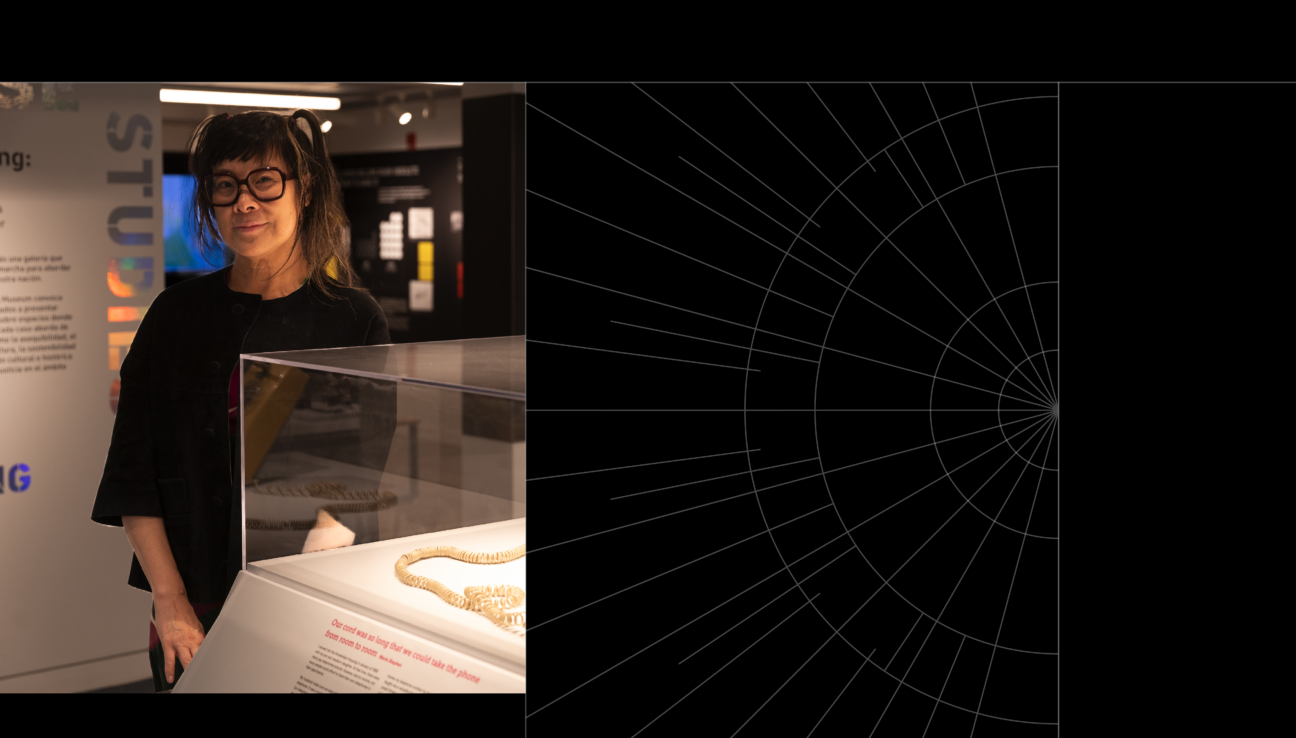
Ann Morrow Johnson
Ann Morrow Johnson
Global Immersive Experience & Entertainment Leader, Gensler

Ann Morrow Johnson, AIA, is Gensler’s Global Immersive Experience & Entertainment Leader, guiding teams at the intersection of storytelling, worldbuilding, and design innovation. Recognized as one of XLIST’s 100 Most Creative Visionaries in Experiential, she brings decades of experience across theater, cultural institutions, entertainment, and immersive environments.

Before joining Gensler, Ann Morrow served as Global Head of Creative Development at Walt Disney Imagineering, where she creatively and strategically led 60+ major projects across the U.S., Europe, and Asia and oversaw the Disneyland Resort portfolio. She directed the development of all new guest‑facing experiences worldwide, including resorts, live performance venues, RD&E, hospitality, exhibits, rides, attractions, and interactive environments.

Her work extends to leading cultural and creative organizations such as National Geographic, the Royal Shakespeare Company, Formula One, and ILMxLAB, and spans VR/AR innovation, immersive theater, and community‑driven placemaking. She has contributed to projects ranging from the George W. Bush Presidential Library to AREA15.

Ann Morrow is also a published writer and artist, a frequent keynote speaker, and one of Blooloop’s Power 10 of Immersive. Her work has been featured in Fortune, Forbes, The New Yorker, The Los Angeles Times, and other leading publications, reflecting her influence at the forefront of experiential design.

FeaturedEpisodes

Arts Unscripted
Tune In

Listen Now

New Episodes Weekly