
Arts Marketing Myths: GA4 Tracking, ChatGPT Ads, and Diversifying Creative

 AUTHOR:
Yosaif Cohain
AUTHOR:
Yosaif Cohain
The AI era is creating a new data problem: distinguishing real customers from automated traffic.
Over the past year, we’ve seen a significant increase in non-human website traffic across many Capacity clients. This includes automated bots, scrapers, AI agents, crawlers, monitoring systems, and other forms of automated activity that can interact with websites in ways that resemble legitimate visitors. Earlier this month, the CEO of Cloudflare reported that bots now make up 57% of web requests.
The challenge is that this traffic often appears inside marketing platforms alongside genuine customer activity. While we want AI bots to crawl our websites (at least the good ones), we don’t want their activity to impact our human-focused marketing efforts.
Automated traffic inflates metrics in GA4 while engagement and conversion rates are significantly reduced. This takes away our ability to accurately measure the website.
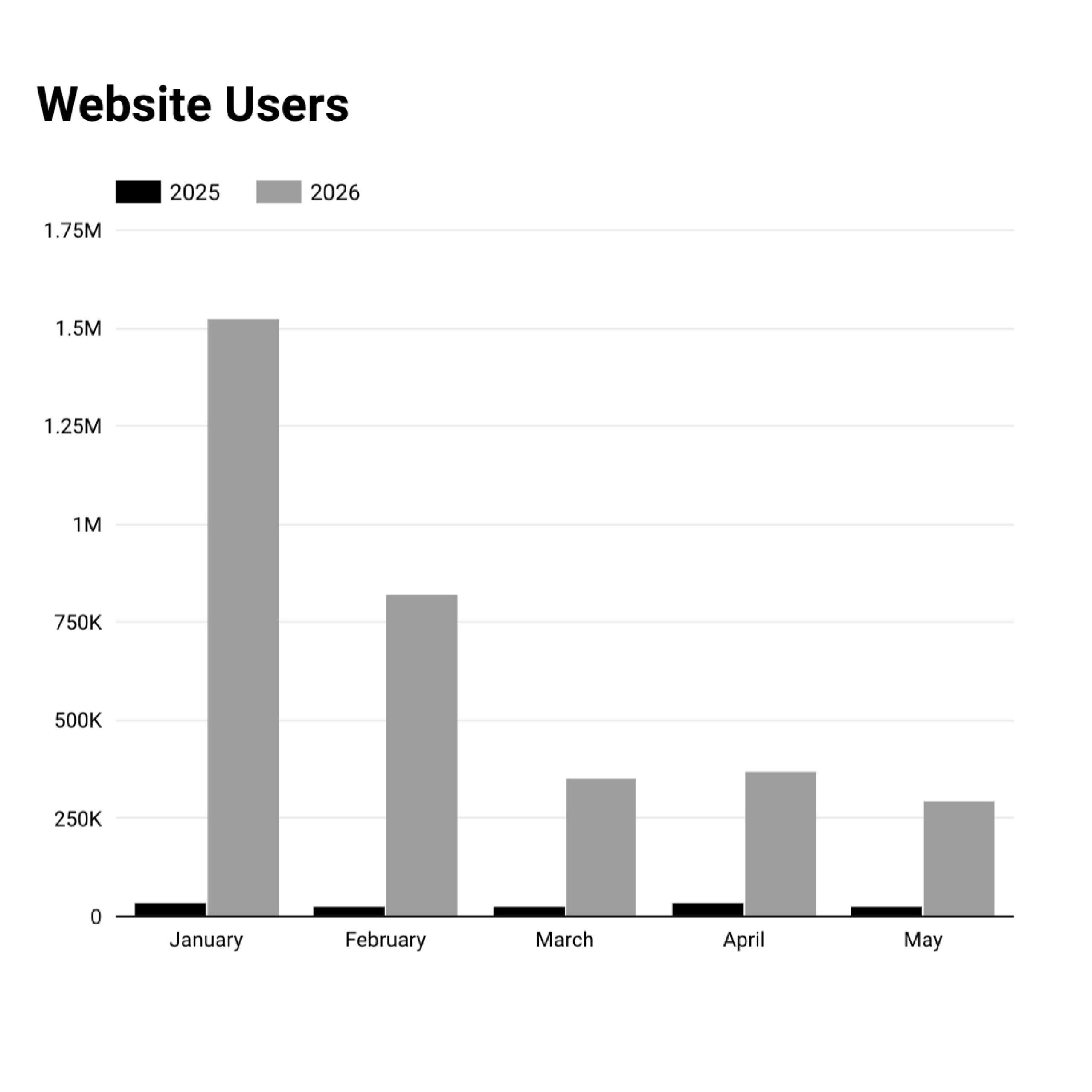
Let’s dig into this with real-life data for a North American Capacity client. Website visitors show that in 2026, website users skyrocketed. The average number of website visitors per month in 2025 was 43K; in 2026, that number is (falsely) 775K—a suspicious 1,702% increase.
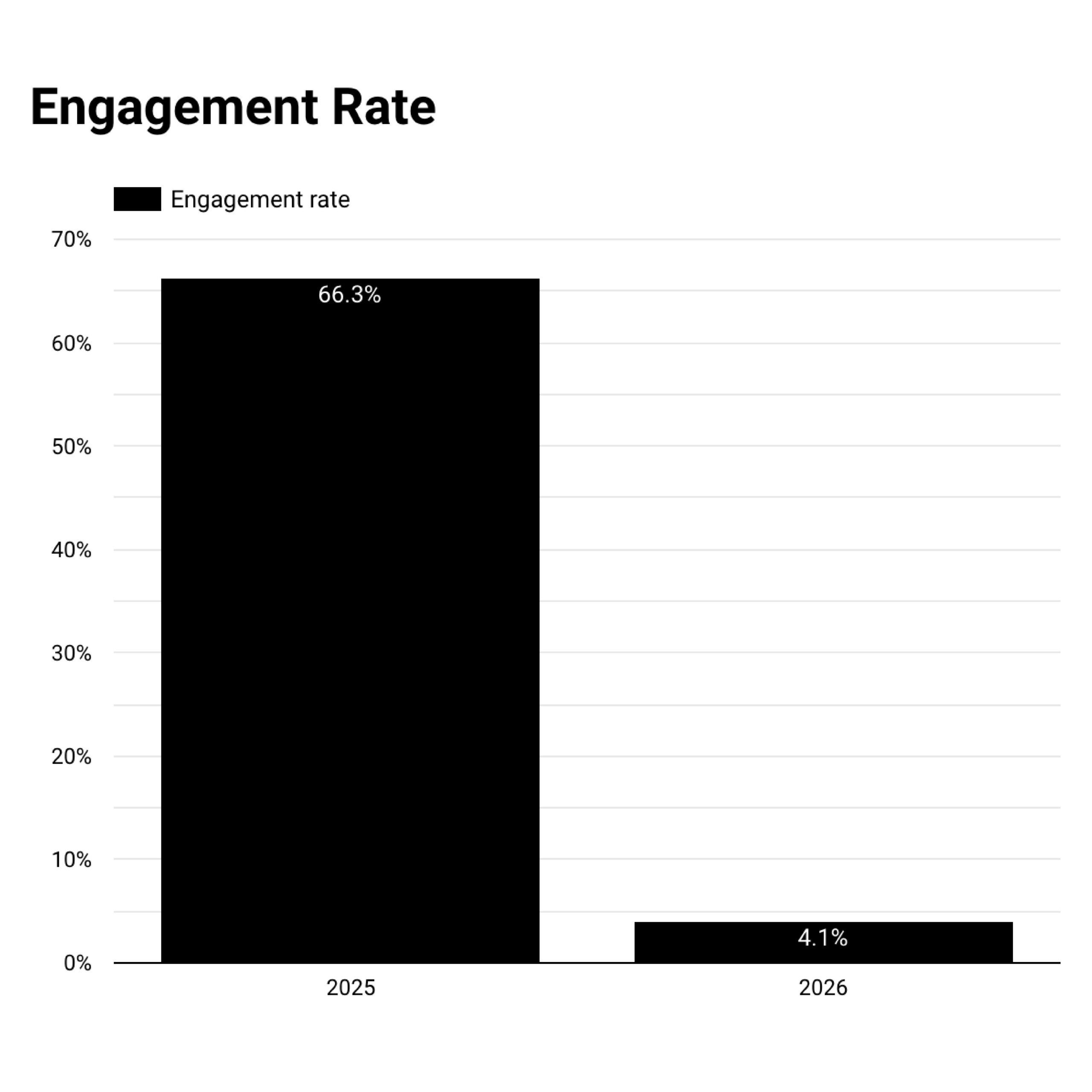
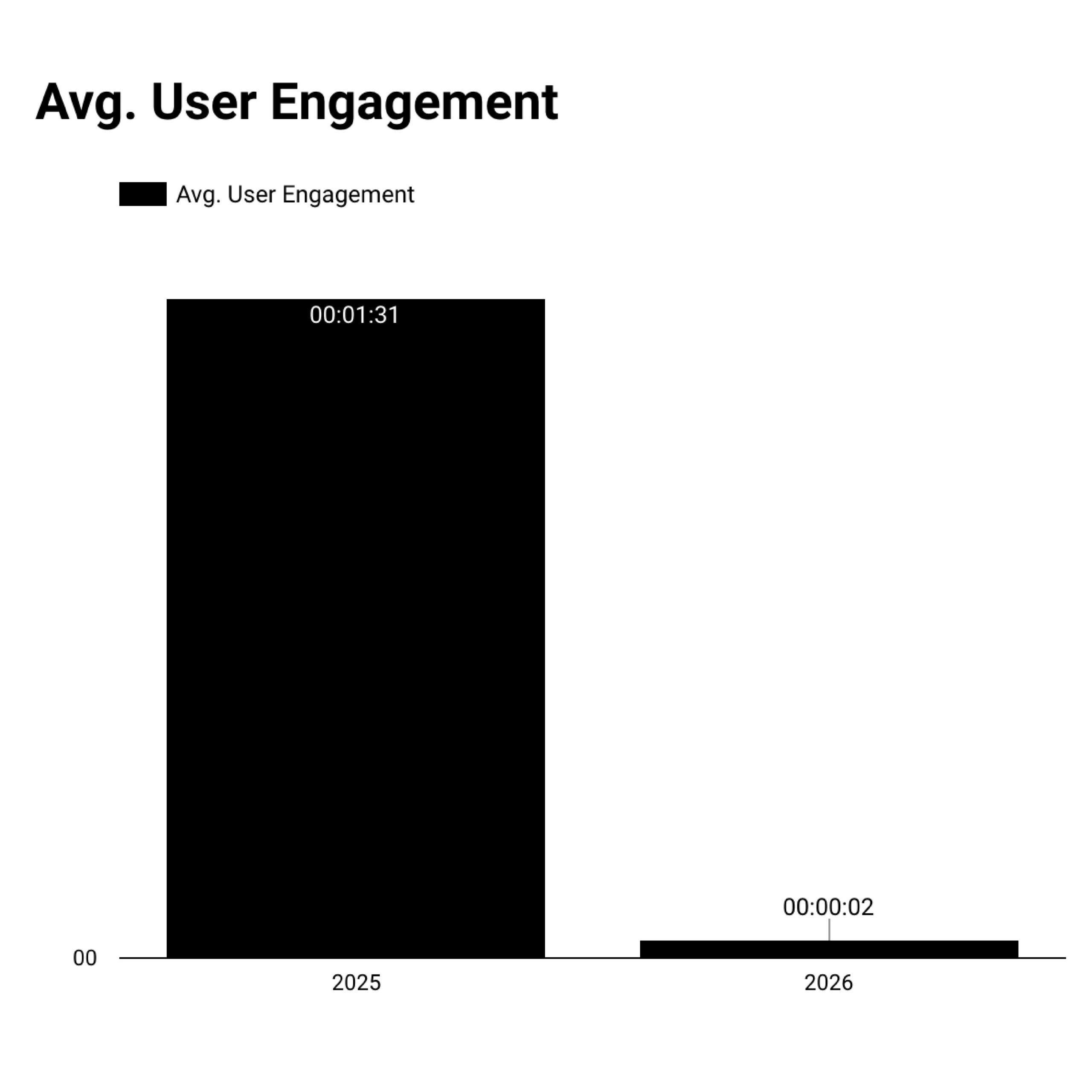
Engagement rate is also affected, deflating the average. Automated traffic doesn’t spend meaningful time on your site, tanking important engagement rates that help determine what is and is not resonating with site users.
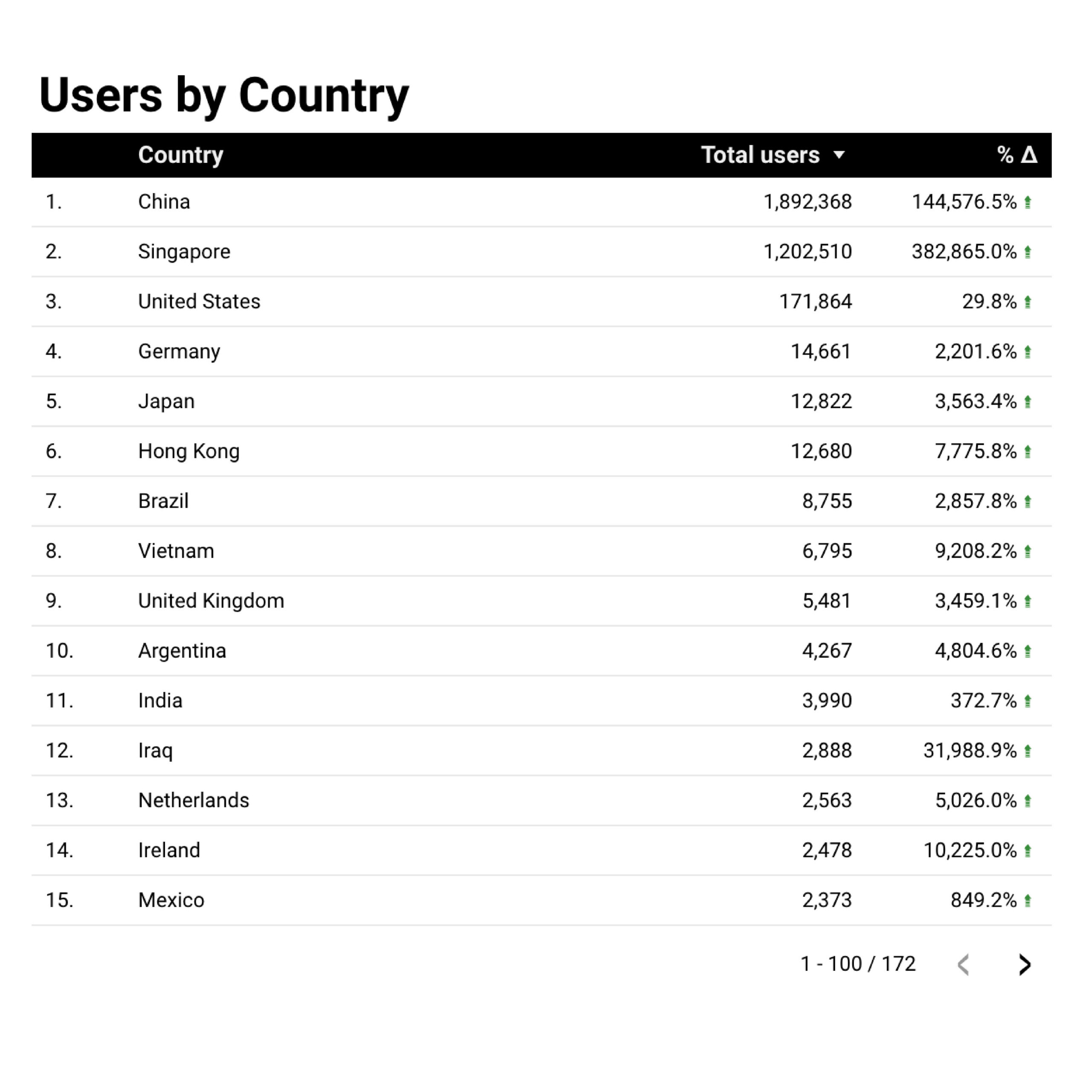
Lastly, users by country. Notice that, for this same North American client, the top two rows show traffic leading from China and Singapore, with over a million total users from each location. Since this client does not have a strong connection to those locations, this is a big sign that automated traffic is at play.
In addition to unreliable metrics, automated traffic can cause programmatic display retargeting audiences to become polluted. It can also lead to a drop in audience quality, degraded lookalike models, weak smart bidding, and less efficient media spend.
To address this growing challenge, we’ve developed the Traffic Quality Intelligence solution. This is a Google Tag Manager implementation designed to help distinguish human visitors from automated activity. It combines advanced detection methods, ongoing monitoring, and reporting enhancements to provide greater visibility into the quality of website traffic.
Our goal is to ensure that marketing decisions, campaign optimizations, and performance evaluations are based on genuine user behavior rather than automated activity. This is a new and critical component of maintaining trustworthy marketing data in the age of AI.
We look for several signals to make our most educated guess whether the traffic is from a human or not.
The script runs a series of checks in the background when a page loads (headless browsers, windowless browsers, etc.). Each check that looks suspicious adds points to a confidence score. Sessions that cross the threshold are flagged as bots.
A separate behavioral check runs in parallel with the technical detection. It watches for any sign of a real human interacting with the page (such as scrolling, mouse movement, and so on) and reports the result alongside the bot detection score.
While not part of our code, we can add geographic exclusion filters to your reports, should you want to include them (e.g. exclude China, include only the U.S.).
When to act: Traffic quality data can’t be recreated after the fact. If automated traffic begins affecting your website tomorrow, there is no way to go back and separate human visitors from bots in historical data. The earlier traffic quality monitoring is in place, the sooner you’ll have confidence in the data you’re using to make marketing decisions.
The age of AI is here, and this issue will only become more present. The good news: we have a solution, and the support is going to evolve as automated traffic evolves. Here is the four phase approach we’ve built for Traffic Quality Detection:
I. Implementation: adding proprietary Traffic Quality Intelligence tracking to your organization’s website
2. Integration: integration of bot detection flags to your GA4 and marketing campaigns (after a brief evaluation and optimization period of 2-3 weeks)
3. Reporting: automating a report that allows you to observe the performance of our bot detection code, and adding flags to your Data Studio dashboards and GA4 reports to allow you to filter out bots
4. Monitoring & optimization: continuous monitoring of performance, and new code releases on a regular basis
No solution can perfectly distinguish every human from every automated visitor, but this approach will materially improve data quality and confidence in reporting.
Every marketing decision depends on trustworthy data. If automated traffic is inflating your analytics, contaminating audiences, or skewing campaign reporting, you’re making decisions with incomplete information.
Capacity’s Traffic Quality Intelligence solution helps organizations regain visibility into real human behavior and improve the quality of their marketing data. And even if you’re not seeing significant signs of automated traffic today, now is the time to prepare. AI-driven traffic is evolving rapidly, and there’s no way to predict when—or how severely—it may impact your reporting. Because Traffic Quality Intelligence cannot be applied retroactively, implementing it today helps ensure you’ll have the data you need when the problem arrives.
If you’re unsure whether automated traffic is already affecting your data or how significantly it may be distorting your KPIs, reach out. Our team can access your GA4 and help you understand the scope of the issue.
Contact us to understand your current traffic quality and put the right safeguards in place.
Get
Better
Data





![Managing User Consent On Your Website [Updated 2025]](https://capacityinteractive.com/wp-content/uploads/2026/04/2026-Blog-Header-Brand-Redesign-JB-copy-36-scaled-848x478.jpg)