Holiday Creative: Match the Moment, Not Just the Audience

 AUTHOR:
Aly Gomez
AUTHOR:
Aly Gomez
Not too long ago, success in digital advertising was largely about how skillfully you could pull the right levers inside ad platforms. Geo-targeting. Demographic slicing. Interest buckets. If you could draw the right fences, the platforms would reward you.
But today? That game has changed. Dramatically.
In a digital landscape where algorithms are increasingly user-centric, content is no longer just the message—it’s the matchmaker. Platforms have learned what people like and how they behave. They don’t just serve ads to people because they fit a checkbox. They serve ads to people because the content itself resonates.
In other words: Content is the New Targeting.
Think of pulling targeting levers like building a fence. You’re setting the parameters of your audience: geography, age, interests. But within that fenced-in area? It’s a vibrant, messy community of individuals, each with their own tastes and triggers.
If you serve just one piece of creative—say, a beautifully designed key art image for a new play—you’ll reach the sliver of people who already respond to polished key art. Everyone else? You’ll miss them.
To maximize your reach (and your return), you need to feed the algorithm a diverse set of creatives that connect with the many micro-communities within your fence.
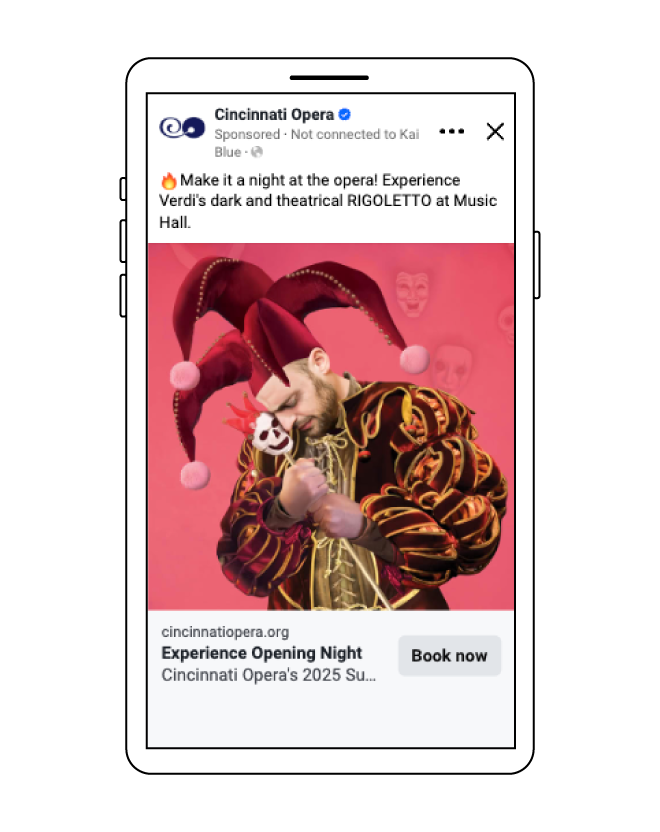
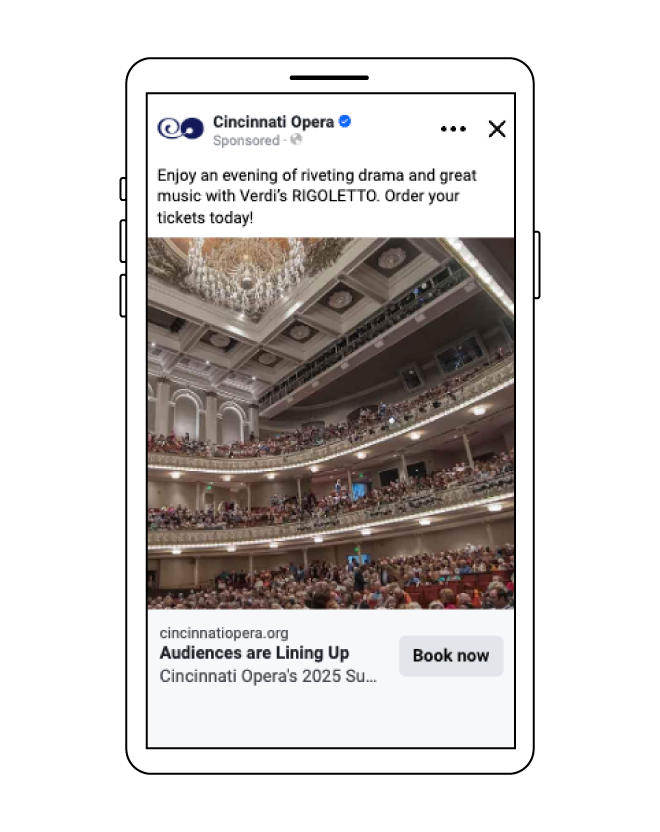
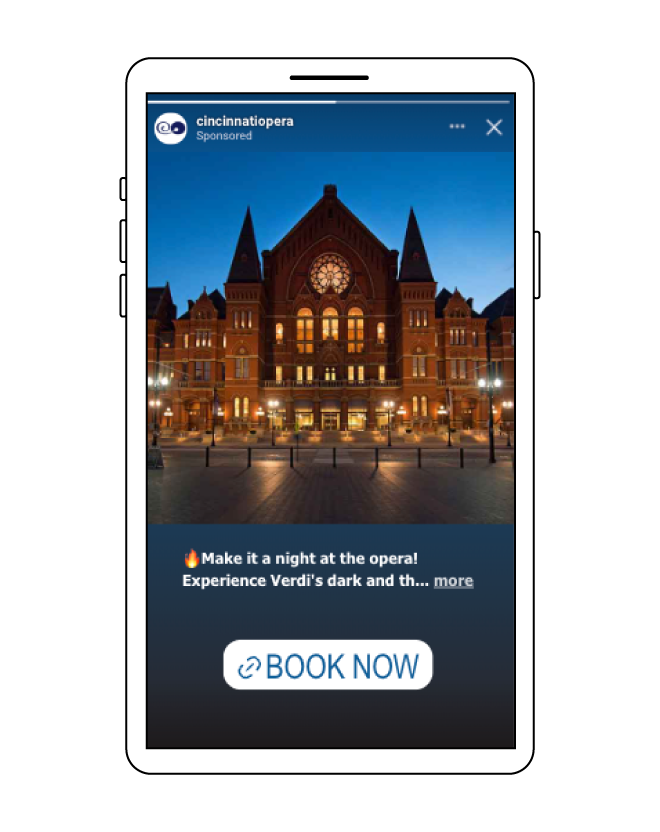
Here are some examples from Cincinnati Opera:
This lo-fi, high-impact video breaks down the story with humor, clarity, and serious personality. It’s crafted to speak to a different slice of your audience — those who love a quick, casual vibe and relatable storytelling. Bonus: it feels native to YouTube, TikTok and Reels.
The shift toward content as targeting isn’t just a hunch. It’s backed by industry momentum:
Simply put, the platforms have gotten smarter—and the brands that understand this shift are the ones breaking through.
It’s tempting to think, “Let’s find the one best piece of content and push it hard.” But today’s smartest advertisers (and arts and cultural organizations!) think differently.
The real goal? Variety. Coverage. Learning.
Here’s the mindset we’re adopting at Capacity:
We’re moving from a “best ad” mindset to a “best ecosystem of ads” mindset.
As MediaCat describes, what’s winning today isn’t hyper-targeting—it’s broad creative that speaks to different human instincts.
Ready to put this into action? Start here:
In other words: don’t just build a fence—plant a garden inside it.
If your Artistic Director, CEO, and marketing team all have different angles for how they would like to promote the show, you no longer have to get them all to agree to one idea. Now you are encouraged to incorporate all of those angles into 3 different posts, and run them simultaneously.
Different seeds (creative formats) grow in different ways, connecting with the diverse audiences within your reach. The more variety you plant, the more chances you have to nurture connection and engagement.
In today’s digital world, content doesn’t just deliver your message—it becomes your targeting. Creative is now your front-line lever for unlocking audiences, growing communities, and driving results.
If you want to market smarter (and win bigger), you need to stop thinking about content as a single arrow aimed at a target, and start thinking about it as the seeds you plant to grow connections inside your fence.
We know arts marketers are already stretched thin—you’re balancing campaigns, deadlines, budgets, and board meetings, often with limited staff. That’s why we love the garden analogy:
You don’t have to plant a whole field at once. You just need to plant a few flowers and tend them thoughtfully.
Depending on your resources, this might mean starting small. (And good news: you’re probably already planting seeds without realizing it. Your key art, trailers, interviews, and rehearsal footage can all be repurposed and built upon. You’re not starting from scratch.)
Meta recommends running at least three different creative variations at a time to maximize campaign performance. Think of it as offering the platforms a few different paths to help your audiences find you, not reinventing the wheel.
The more creative variety you nurture, the more beautifully your audiences can bloom.
At Capacity, we specialize in helping arts organizations create vibrant, audience-centered content without overwhelming your team or your budget. Whether you need authentic video, scroll-stopping visuals, or a full content strategy, we’re here to help.
Let’s
Build
Something