Holiday Creative: Match the Moment, Not Just the Audience

 AUTHOR:
Aly Gomez
AUTHOR:
Aly Gomez
As the World Cup gets underway, I keep picturing Ted Lasso cheering on the arts marketers of the world from the stands. He’s a patron saint of taking what you know and applying it to something that’s new to you, then using the bridge between those things to craft a community.
Ted wouldn’t want you to skip thinking about the World Cup simply because it’s not as strong of an overlap to arts and culture orgs as say, the Academy Awards or the Grammys. No. Ted would encourage you to look a little bit deeper.
There’s a Venn diagram of folks who LOVE professional soccer AND who ADORE coming to the arts, whether they are a symphony fan who also loves Manchester United, or a theatre subscriber who spends every Saturday at the pitch watching their teen score goals. These overlapping folks are an amazing group of people to connect with as the World Cup approaches.
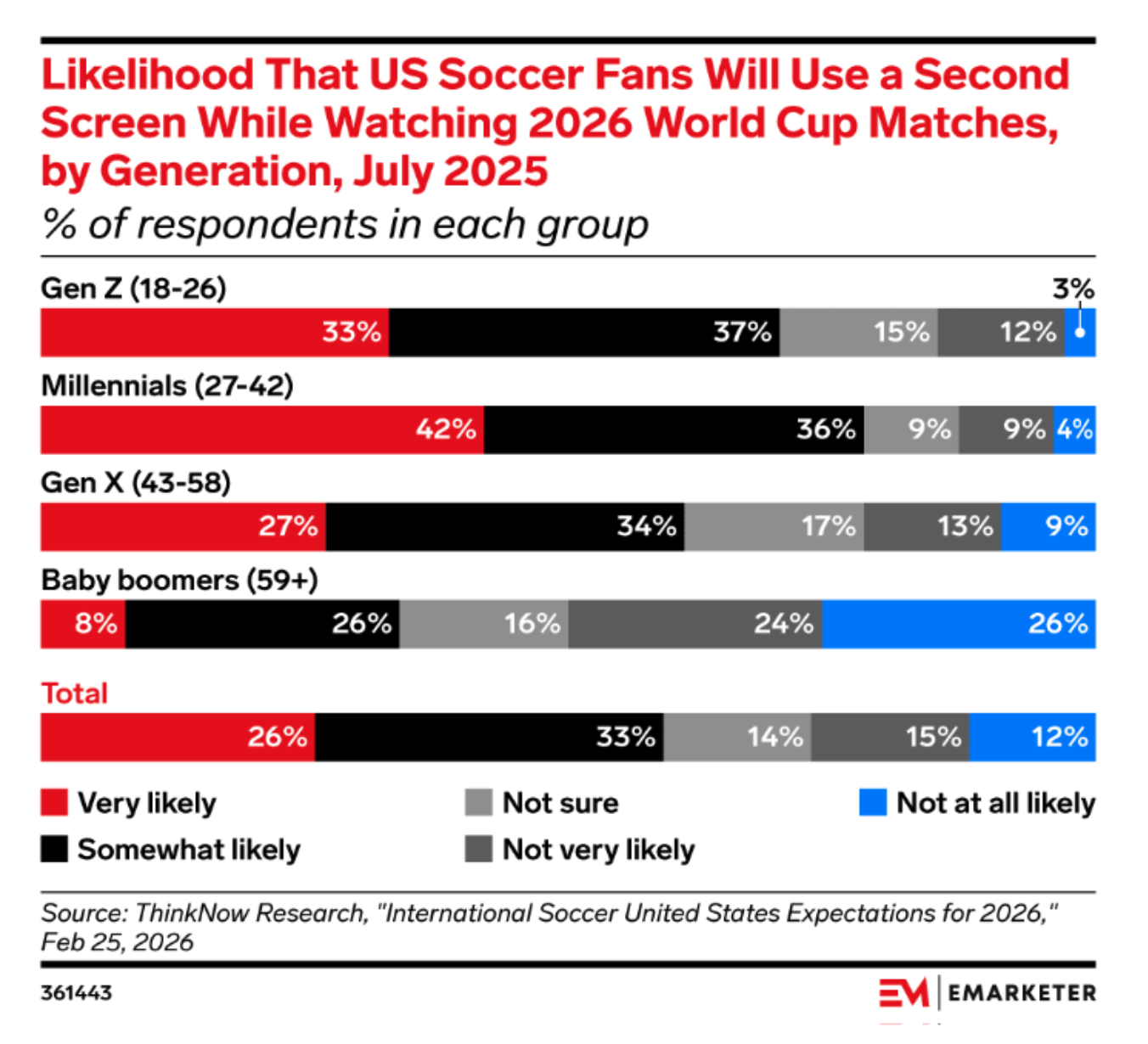
And there are more of them than you might think. Soccer fandom in the US has grown 17% since 2020, and those new fans skew younger. Among Millennials, 78% say they’re at least somewhat likely to use a second screen while watching World Cup matches. That second screen is your stage.
There’s also a sea of potential new audiences who are watching the World Cup. Their fandom for soccer is clear and visceral, but as practicing fans, some of them are open to exploring other fandoms, too. So what does the audience experience on the pitch have in common with the audience experience at the theatre? How can we craft visual parallels and position ourselves as another amazing space to explore what it means to cheer with your community? How can we show off how similar the electricity can feel when we are sitting or standing in awe of what other remarkable humans can do? The athleticism of the arts is undeniable. So what would Ted do?
*Actually these are Aly’s rules, but we are on a roll with this Ted analogy, and Aly likes to pretend she’s the Ted Lasso of the arts marketing community, so humor her, please.
If you aren’t savvy about players, don’t try to make a comparison to an artist unless you can back it up. Soccer fans will notice, and a comment section pile-on is nobody’s goal. Instead, lean into broader hooks: the scale of the event, the global community, the emotion that anyone who’s ever loved something deeply already understands. Or, lean into not knowing and own it — the “curious outsider figuring it out” is a real and authentic content lane. Just commit to the POV.
If you are the soccer whisperer at your arts org, share the love! Tell others on staff how your arts org can draw parallels, create humor, or join in the fun this World Cup season. Collaboration is always the Ted Lasso move.
Ted is an expert at crafting messages to the people around him.
If you want to chat with your fans who LOVE sports, do that! Assume they get the jargon and go from there. Think: your symphony fan who also loves Manchester United already gets it — meet them there. A great example of this kind of format-borrowing in action: the Getty Museum’s Oscar lineup Reel, where they reframed their collection in a format their audience already loved.
If you want to talk to your potential new audiences who love soccer but don’t yet know they love the symphony, craft your content with that in mind, too. Remember: in the age of Andromeda, a well-crafted hook can bring you access to a whole new audience online (both in paid and organic), so consider which folks you are inviting in, and figure out how to help them self-identify right away. Start with their story (soccer!) then lead them to yours (the arts!). For inspiration on how creators have done exactly this kind of cross-fandom bridge content, this TikTok by @kaylinwiley is a masterclass in explaining one world through the lens of another.
Ted bought Soccer for Dummies to read on the plane. You can also consider checking out the TikTok Creative Center to follow along as World Cup trending content soars around that time. Trending sounds, formats, and hashtags will move fast—the organizations that stay nimble will have an outsized advantage.
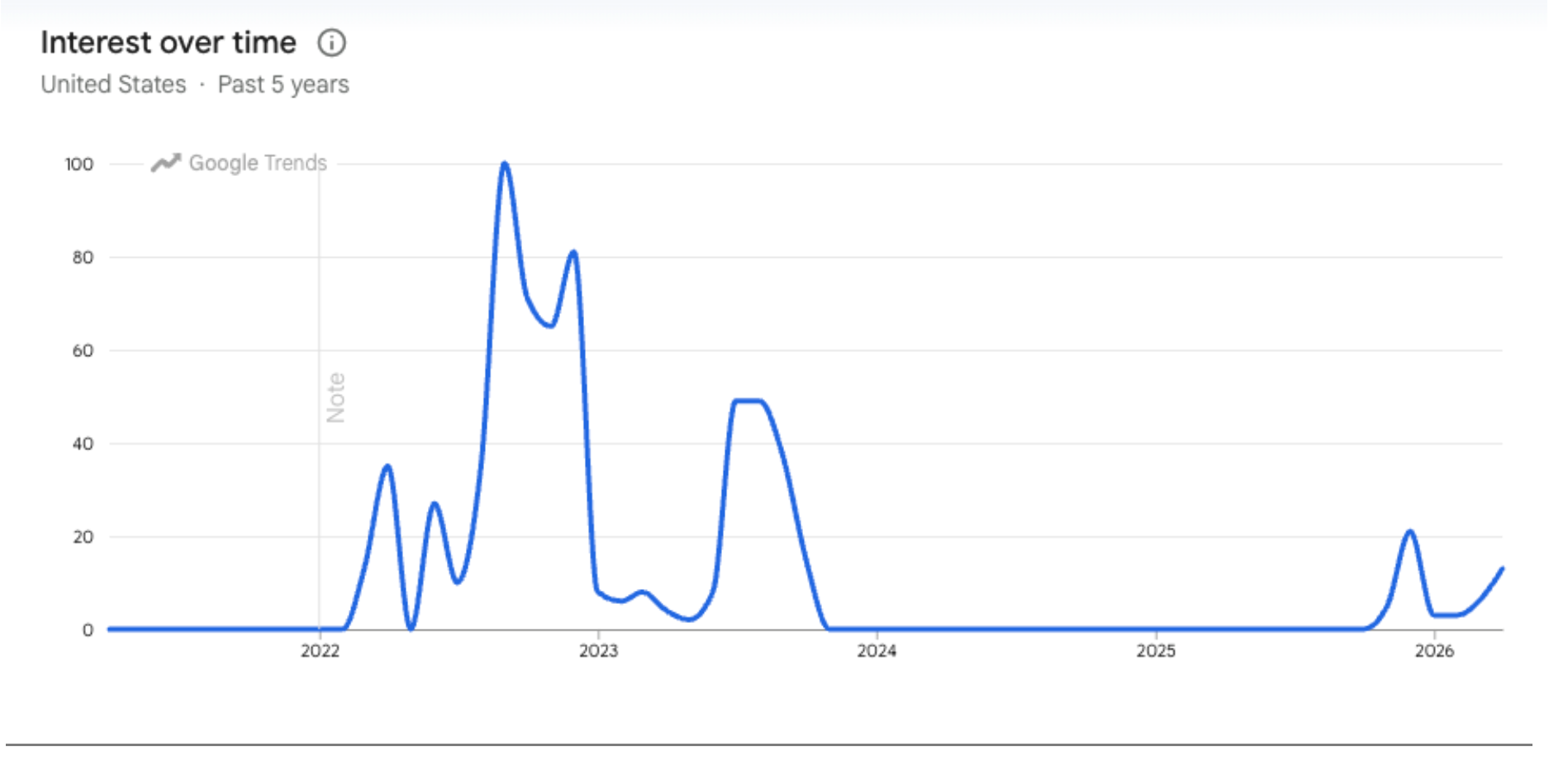
You can also follow the Google Search Trends below, and find commonly searched words to include in your copy or in your video.
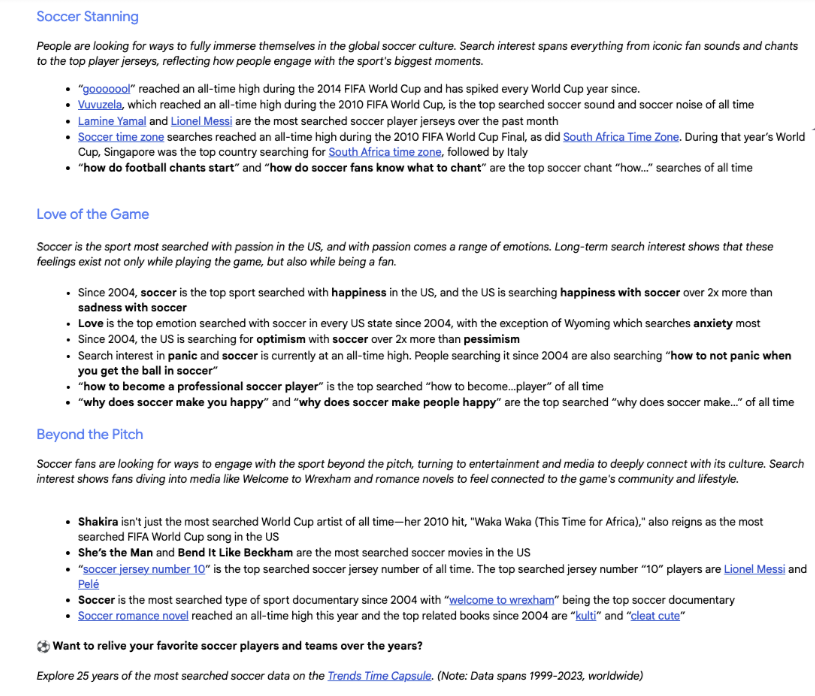 Data source: Google Trends (https://www.google.com/trends). Google Trends is a different data source from Google Ads.
We are busy here in arts administration. Our teams are strapped for time more than any other resource (and we could definitely use more resources, too!) So how can we make space for this to actually happen?
Pencil in World Cup content into your creative calendars now, but leave room to watch and decide exactly what that is as things get closer. The tournament runs June 11 – July 19, 2026, across 16 US cities — that’s more than 38 days of cultural conversation your organization can be part of.
If you look at the Google trends from the Dec 2022 World Cup, you’ll see that the spikes in search volume are starting to follow the same patterns in 2026 as they did back then. And the YouGov data confirms that buzz in U.S., Canadian, and Mexican markets is already tracking ahead of where it was at this same point before Qatar 2022. Looking ahead at this content idea is a great way to be prepared to capitalize on this existing attention, and join in a global conversation at scale, in a way that gives you time to consider how that scale and opportunity can be aimed to support your organization’s specific goals.