Skip to content
Follow Us

Get the best of Capacity Interactive delivered to your inbox.

This field is for validation purposes and should be left unchanged.
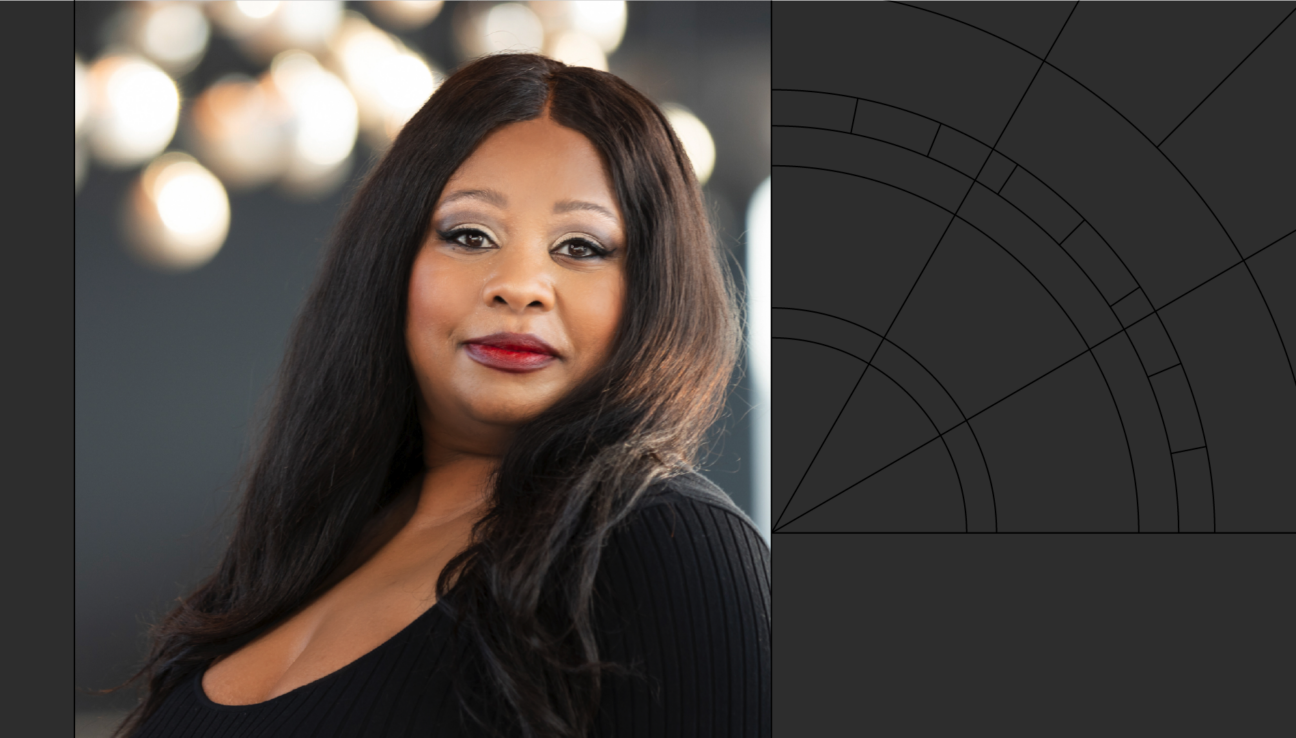
Sara Villagio, Chief Marketing Officer of Carnegie Hall
Episode 170
estimation...

Sara Villagio, Chief Marketing Officer of Carnegie Hall

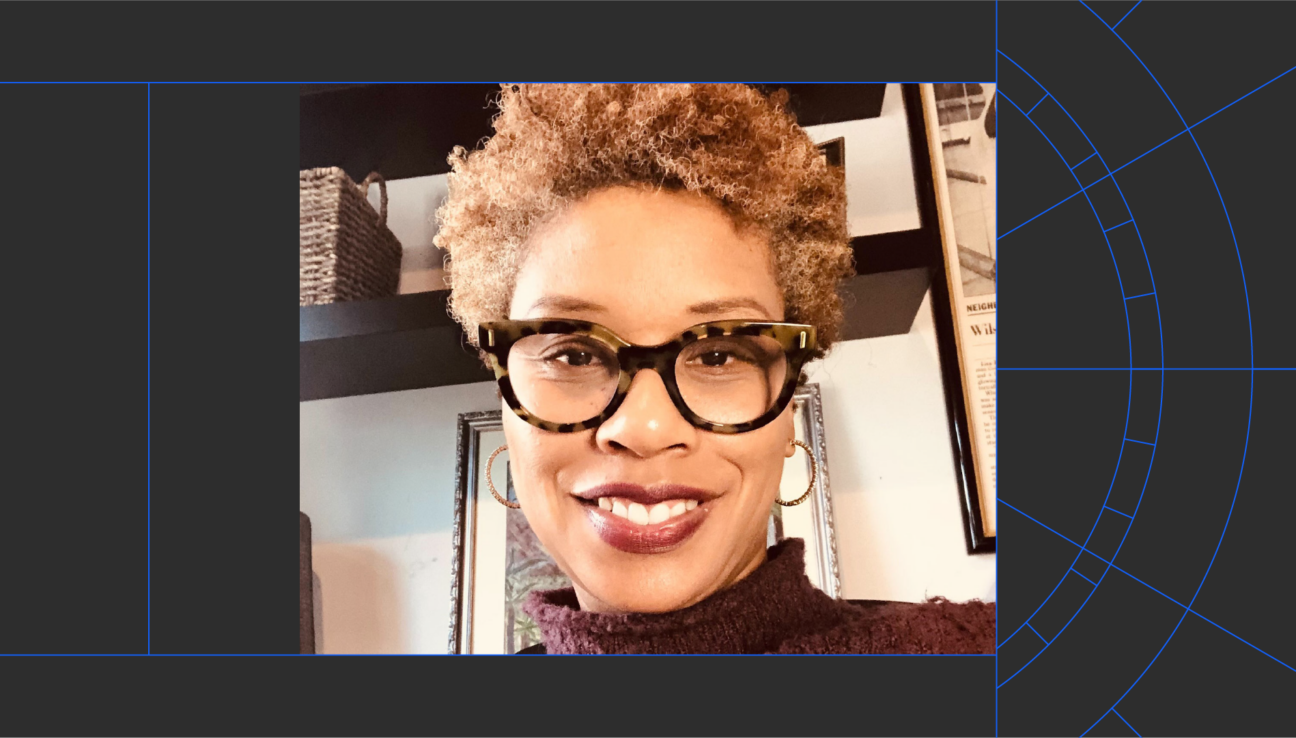
This episode is hosted by Monica Holt.

0:00 / 0:00

In This Episode

Sara Villagio believes some of the most important leadership lessons begin with listening.

Early in her tenure at Carnegie Hall, she made a point of meeting one-on-one with colleagues across the organization, setting the tone for a leadership style grounded in curiosity, collaboration, and learning from the people around you.

Now Chief Marketing Officer of the historic New York institution, Sara reflects on the moments and mentors that shaped her path from young musician to arts executive, and how she guides a cross-functional team of more than 60 people.

She also reflects on a challenge facing many arts organizations: the temptation to assume we know what audiences want. Instead, she argues for a different mindset—one rooted in experimentation and paying close attention to what audiences actually show us.

Monica Holt: Welcome back to the podcast. This is Monica Holt. Sara Villagio is the chief marketing officer of Carnegie Hall, which — yes — is exactly as extraordinary as that sounds. Sara’s path took her from a flute-playing kid in upstate New York through the eclectic chaos of an indie record label to 12 transformative years at Jazz at Lincoln Center. Now, she helms and shares one of the most recognized arts brands on the planet. In our conversation, we chatted about what it means to steward a legacy brand like Carnegie Hall’s, but not let history become a ceiling for that work; how a multi-year rebrand rooted in Carnegie’s own archives breathes life into its new identity; and why Sara believes the most important thing a new leader can do at any level is to listen broadly. We also get into subscriptions, ticketing infrastructure and the surprising power of saving the ideas that didn’t make it. Let’s dive in.

Sara Villagio, welcome to the podcast. First of all, Sara is sporting her Capacity Interactive Boot Camp water bottle, so shout outs for that.

Sara Villagio: That’s right.

Monica Holt: Thank you so much for being here today. I am just so excited to talk with you and just have a little yap session.

Sara Villagio: Me too. Thank you so much for having me. I’m really excited.

Monica Holt: I can’t wait to really get into some of the work that you’ve been doing recently, but we do like to start each episode really talking about what your first interaction with art was in your life. What are your first memories of art or music or theater?

Sara Villagio: Well, when I was in the fourth grade, like many people, I had the opportunity to choose an instrument. I was taking piano lessons before that because that was what we did. But we had to go into that instrument petting zoo kind of world and you got to pick which instrument you wanted to play. And in my school district, we did not have a strings program. We just had winds. We just had band. And my older sisters played the flute. So I ended up playing the flute for that reason and it served me well.

Monica Holt: Okay. So then obviously music continued to play a big part in your life because as I understand it, when you went to Syracuse, you were originally intending to become a music teacher. What drew you to that path at first? How did we get from flute to going to school to teach music?

Sara Villagio: Well, I was inspired. I mean, I had an incredible high school band director named Gerry Zaffuts, who I’m still very close with to this day. I think seeing an educator like that and recognizing the impact that he had on me, it made me think about wanting to teach. And my mother also worked in our school district and I think that had a big influence on me at the time. So I just saw this as a path. This made sense. I’d spent a lot of time working with young people prior to that. So that was where I started.

Monica Holt: That was where you started. And what changed or what made you realize that there were other ways for you to have music be a part of your professional life?

Sara Villagio: Well, I think you just made a really excellent point in that I had no idea what type of career paths were out there in the field of music. I grew up in a small town in upstate New York. I was not exposed to that many different performing arts, let alone an understanding of the commercial music industry. So I really had no clue. And sophomore year, we were about to commence on observation as part of the music education program. And it was time for me to observe middle school choir. And it was just like something in my body changed. No offense to the choir folks out there. I just thought there is no way that I can spend the next 30 years of my life in a classroom. It just didn’t … Something hit my body. It did not feel right for me. And by that point, I’d been exposed to the music industry program at Syracuse.

And my friends who were in that program were talking about all kinds of things. They were talking about being promoters. They were talking about being booking agents. They were talking about being music publicists and working at record labels. And I thought, okay, I have no idea what I want to do with myself, with my life, with my job. I know I want to work in music. I don’t know where that’s going to take me. But I decided in that moment after thinking about observing middle school choir, that this was a better path for me.

Monica Holt: As you leave school, you go to Artemis Records, which is an independent record label.

Sara Villagio: Yeah.

Monica Holt: What did starting in the recorded music industry teach you early on that has been invaluable?

Sara Villagio: I think the different styles and approaches of working with different genres of music was huge. Artemis at the time I worked there had an incredibly eclectic roster. Everything from Ruff Ryders’ Redemption Volume 4 to Better Than Ezra’s greatest hits, to Hubert Sumlin who was an amazing blues guitarist. They had a classical imprint. I mean, it was really a little bit of everything. We did a dance music album that won some awards just to think about different… Even back then, before social media — now I’m dating myself — but how did you reach fans of those genres and what kind of placements were important? And also just the need to get creative. Where might you show up with an artist? I think one of the most fun things that I worked on while I was there was Zakk Wylde and Black Label Society. Zakk Wylde was one of Ozzy Osbourne’s guitarists.

And seeing the massive fan base that exists for that community was just astounding because I had never been exposed to it. And so suddenly it’s revealed that all of these subcultures and cultures exist. All these people are communities that exist around an artist or a movement of music, and how that brings people together, not just because they listen to the same thing. It brings them together in the way they show up, like the kind of clothes they wear, the places they go. So it was just, I don’t know. I thought that was an incredible experience at the time. It was awesome.

Monica Holt: Well, what a great kind of appetizer, but different plates that you can choose from as you’re looking at where you want to be spending your time and effort.

Sara Villagio: Absolutely.

Monica Holt: Talk us through when you left Artemis, and did you go straight to Jazz at Lincoln Center?

Sara Villagio: I did. Yeah. I didn’t spend a long time at Artemis. I learned a ton there. It was really foundational early-career, but I had recognized at some point during my time there that I wasn’t really feeling as connected to the music as I had had in my college experiences. And I think that was because I was working on recorded music and I was craving the whole live audience experience. What does it mean to get an artist on a stage? To witness an audience reacting to that artist? And that was when I started to think about what could that look like for me? And I’ve always loved jazz music. Again, another influence of my high school band director. So I started looking around and I saw this marketing assistant job at Jazz and Lincoln Center and that seemed like the thing to go for.

Monica Holt: And remind me, marketing — when did that get first introduced as what you knew your path was going to be or that it was going to be related to that? Or was that a creature of finding your first job after school?

Sara Villagio: That was the first job. So at Artemis, my role, it was something like Publicity and Marketing and Artist Relations Coordinator or something along those lines. Like, “Hey, you do a little bit of everything. Welcome to the team. We’re just going to ask you to do whatever we need you to do.”

Monica Holt: Sounds like live entertainment to me.

Sara Villagio: Exactly. Shockingly similar to the nonprofit world as well. I had always thought I wanted to be a music publicist, but when I got into actually working to do it and needed to call people and ask them to do things like write a story about an artist, again, I was like, “Oh no, this doesn’t feel right.” So what I love about marketing and had started to learn that I loved about it was, one, I get to just make plans and make them happen. I don’t have to call someone and ask them to do something for me in that way, but two, I get to get creative and there’s data behind it. And I started to really get excited about the worlds of creativity and data coming together. I think that was when I knew, okay, marketing would be a great place for me to be in.

And also just knowing that for me, a lot of it is about the audience. So to me, marketing is about being the voice of the audience, whether it’s in a team setting here in a meeting, but also getting to connect the artist with the audience. And that was the thing that really got me at the end of the day to marketing.

Monica Holt: So you’re at Jazz at Lincoln Center. You start in an early career marketing role. Talk to me a little bit about your time there and learning what it meant to work at an important artistic institution in the city.

Sara Villagio: I mean, working there was transformational. I was there in total almost 12 years and that first year out of the gate, it was 2005. It was the second season that Jazz at Lincoln Center’s “House of Swing,” Frederick P. Rose Hall, was open at Columbus Circle here in New York City. So as an organization, they had just gone through massive, massive growth. That project started, I think, as like a $30 million project for a building that blossomed into 120 or 130 million. Don’t quote me on those numbers, but that’s the story I’m remembering. I mean, it had just gotten so big and so much bigger than even Wynton Marsalis, the managing and artistic director, had imagined. What went from one hall became three different performance spaces, a space dedicated to education and space for audiences to convene and for community to happen. So there was a lot of figuring out going on.

And I mean, one thing that I learned at Jazz at Lincoln Center that’s just stayed with me my whole career to this day is that the leadership there at the time really involved me in everything. So here I am a marketing assistant and I’m getting to sit in the room during [a] WolfBrown research project. Alan Brown is there, who’s a wonderful leader in our field in the research space. He was leading interviews with our board members, with musicians, with senior leadership, and I got to sit in and hear so much of that and be a part of that early audience research study. So yeah, I have a lot of love for that time. And I think the democratic spirit of the leadership there is what had made it so powerful.

Monica Holt: It’s great to hear about that in ways that we can have mentorship throughout our career. Do you have one favorite memory either of a performance or something that stands out in your mind about Jazz at Lincoln Center during your era there? I mean, probably too many.

Sara Villagio: There’s so many. I mean, one of them that is meaningful to me: there was a season in which Wynton decided that members of the orchestra, the Jazz at Lincoln Center Orchestra, would cover different decades in jazz music. So one half of the concert would be a new work that an orchestra member wrote inspired by that period of jazz, and the second half would be standard rep from that time period. And one of the decades covered was obviously the Jazz Age. And there’s all the “Roaring 20s” and all that business, the naming of that time period or how you talk about it. And Wynton said, “No, it needs to be gritty sophistication. Figure out what you’re supposed to call this and come up with the right title.” And we came up with a title Untamed Elegance, and it was just one of those moments where everything clicked.

And then Victor Goines, the band member who was writing the piece for the show, decided to name the new work that as well.

Monica Holt: Oh, wow.

Sara Villagio: It just — like, as a marketer, I was like, “Well, this is the most amazing thing that’s ever happened to me.”

Monica Holt: A hundred percent.

Sara Villagio: Yeah. But I mean, just some legendary, legendary performances there. The time we broke the website selling Eric Clapton with Wynton Marsalis in our 1200 seat theater… Gosh, I had no idea what was coming.

Monica Holt: The right way to break a website.

Sara Villagio: Yeah. I was like, I guess if we were going to break it, this was the way to take it down. But oh gosh, we really had no clue what was coming.

Monica Holt: I feel like if you don’t have a good “we broke the website” story, you probably haven’t been marketing in the arts long enough.

Sara Villagio: I definitely have a few more up my sleeve, but we don’t have to go into it.

Monica Holt: So you spent a decade plus there and then in 2017, you step into the chief marketing officer role at one of the most storied institutions in New York City, Carnegie Hall. What did that moment feel like personally for you when you came in for your first day?

Sara Villagio: Shocked. How the heck is this happening? I applied for this job not because I was trying to leave Jazz actively, but because I knew that soon I would need to think about how I kept learning and how I kept challenging myself. And I was feeling a sense of, okay, I’m going to need to address this soon, but I was not willing to leave unless it was absolutely the right move. And when the opportunity came up, I just thought, what an incredible dream job would it be to be at Carnegie Hall? And I’ll be honest, I don’t think I even fully realized the scale and scope of what my role was until I stepped foot in the door that day. And maybe in reflection, I don’t know if any of us really can, right? You have a sense, but it was far more vast than I knew.

And I think when I started to dig deeper in the research process while I was applying, I started to understand the impact of Carnegie Hall and the opportunity of it. I mean, it’s a brand name that is recognizable globally, and it felt like such a huge honor to have this chance. And I was so nervous. I mean, I had anxiety dreams for the first six months of like, oh my gosh.

Monica Holt: Well, it means you care.

Sara Villagio: Of course.

Monica Holt: That’s the whole point. It just means you understood.

Sara Villagio: It’s normal. Yes. But it felt like a great responsibility, but such an awe-inspiring opportunity all at the same time.

Monica Holt: Tell us what it is the chief marketing officer is responsible for at Carnegie Hall.

Sara Villagio: Lots of big things, lots of little things. So our team is responsible, of course, for ticket sales and for building our audience here. We have a season ticket revenue goal of around $21 million. We have about nearly 200 Carnegie Hall Presents concerts in our three spaces, including some that are produced by the Wild Music Institute, our education and social impact arm. We do a lot of recruitment work for them. We also do awareness, participation, [and] outreach there. But alongside those 200 or so events that we have, we also have hundreds of visiting presenters here. So in total, about 700 events a year across the calendar. And then we also support digital products. We have a subscription video on-demand channel on Amazon Prime called Carnegie Hall+. It’s also on Apple Prime video channels, Spectrum, Verizon, wherever you may access such things. And we also work on all the experience marketing here.

So whether that’s the cafe, tours of the building, and then on the support side, we’re really helping our colleagues across the institution. Our creative services team produces more than 2,000 items a year, not just for marketing our season, but also for fundraising, for education. They produce all of the curriculum, for example. And our ticketing team supports all of our visiting presenters just as much as they do Carnegie Hall Presents. So yeah, those are a few of the things. [Laughs] Every day is different here. Every hour is different here.

Monica Holt: Just thinking about the remit then, coming in new to the organization, how do you start to wrap your arms around an organization that large coming in fresh at an executive level?

Sara Villagio: The only thing I could think of was, I have to listen.

Monica Holt: Yeah.

Sara Villagio: I think I put pressure on myself in the early days like, “Oh, I have to have the big ideas. What does it mean to be the chief marketing officer?” And then quickly realized that I do not need to have the big ideas and I don’t… Great if I have one, but small ideas are super meaningful, but I wasn’t going to have them unless I spent time listening. So I met with many, many people one-on-one over the first six months I was here. I think I met with 70 to 80 people one-on-one just to listen. A lot of it was a marketing team, but it certainly was a lot of other teams too, because I wanted to understand, how is marketing supporting you? What do you need from us? What should I know about the area you work on? And I have three notebooks full of all of this stuff.

And I just sat there and handwrote notes. And I went to so many concerts the first season just to expose myself, because I had been embedded in jazz music for so long, to kind of return to classical after going to school for classical, but not working in it for a long time, it felt like so many things had changed and artists had changed and the players had changed. And I needed to just understand both what was on stage, watch how the audiences reacted to it, but also listen to my colleagues. So lots of listening.

Monica Holt: Yes, lots of listening. Listen, as I’m new to an organization for the first time in a long time, that has been my approach as well and it pays dividends over and over and over. Was there anything that surprised you about the organization once you had kind of hit the 40, 50, 60 meeting mark?

Sara Villagio: I was not sure what to expect about appetite for change, and how much people would say, “Yeah, things are great and we’re good.” Versus like, “Oh, I have these eight things on a list I want to talk to you about that I want to evolve or I want to launch or I want to do.” And I was pleasantly surprised to meet many people who said, “I’ve been saying this for years and I’m so glad you’re here and I can tell you this now and let’s dig into this.” And I mean, one of those early examples was actually launching Create Your Own subscriptions. We didn’t have them.

Monica Holt: Oh, wow.

Sara Villagio: Yeah. So that was one of those ideas. And [the] then-subscriptions manager, Valerie, and I worked really hard on that along with many, many other people. But it was — when I see her today, she’s retired since then, but when I see her today, she says that was one of the proudest moments of my career to launch that and that means so much.

Monica Holt: Yes. Will you tell us the story of the Sorrowful Drawer of Broken Dreams?

Sara Villagio: Yes.

Monica Holt: And don’t try and say that three times fast.

Sara Villagio: That is a tough one to say three times fast. So one of my early meetings was with Bernie who recently retired as well, but the design director for Carnegie Hall who’d been here — by the time he retired, I think he was here for 37 years. That was one of the most fun early meetings because he said, “I brought you everything I could think of.” And he brought season brochures over the last 20 years. He brought education pieces. He brought special collateral for festivals that Carnegie Hall had done, really beautiful invitations or a book that was produced when they launched the capital campaign to open Zankel Hall. I mean, just truly special things that he was proud of that they had worked on over the years. And I don’t know how it came up, but he said, “Oh yeah, over in the art department, we have the sorrowful drawer of broken dreams.” And I was like, “What are you talking about? What does that mean?”

And we walked over there and he opens this drawer in the art department and it’s full of all these printouts and cutouts of different ideas over the years. Like, oh, we thought about this for this festival and we thought about this for this gala. And the lead donors said, “No, we can’t do it that way,” or “we need red instead of pink,” or whatever the case may be. But I loved that they had saved them all. I think so often we discard ideas that are rejected and it just made me think, okay, what happens if you save them? And if nothing else, you get the joy of looking back at a spectrum of creativity, but you also, I don’t know, you just never know when something’s going to come in handy. What he did as a manager in that moment was to show me the immense talent of that team.

And it wasn’t about Bernie, it wasn’t about the things that we didn’t get approval on. It was like, look at how creative this awesome design team is. And I was like, “Ooh, I get to play with this? What a resource, what a gift for someone who loves branding.” So that is the story of that drawer, which is still there. Bernie retired, but they still have it.

Monica Holt: Good. I think, yeah, sometimes the more that we can say, the goal is taking the risk. Is trying. The goal is trying. It does not always have to be measured by the standard metrics we use when we’re evaluating a new show or a new program. Working at an institution that carries with it such legacy and such history, that can sometimes be a burden in and of itself. When you are leading such a large team at an institution where the brand and the integrity of that brand is a large component of what you are caring for, how do you create that space on an ongoing basis for experimentation and risk?

Sara Villagio: That’s a great question. Some days it’s easier than others, but I think there’s appetite for it across the organization and that’s certainly inspired by Clive, our executive and artistic director. I think he is visionary and he is someone who hears something and wants us to chase and go and figure out what might be possible. I feel like one of the hardest parts for all of us is just finding the time to have that space.

I think that I try when we’re in group settings to make sure I’m asking for different voices to participate. Sometimes we don’t have time, we’re moving fast, we’ve got to get something done, but I am intentional in doing that. I think it’s incredibly important that you don’t have meetings where the same people talk all the time.

Monica Holt: We used to call that “watching your airtime,” right? That used to be one of our meeting commitments.

Sara Villagio: That’s such a good phrase. I love that. It’s a good way to describe it. And it’s easy to fall into that trap, I think, whichever end of that spectrum you fall on. Like, the talker [or] the listener. But we all have to show up.

Monica Holt: Well, I think some of that also goes back to leading with questions instead of answers. And I know that’s something you’ve talked about. You’ve mentioned that Clive has talked about that before too. How does that in particular shape the way that you and your team think about audience engagement and audience development for Carnegie?

Sara Villagio: Well, I think that I have tried not to make assumptions about what the audience is interested in based on, oh, we know they’ve come here for piano recitals. Okay, that doesn’t mean they don’t like other kinds of music. That may be what they see Carnegie Hall is providing for them, but that doesn’t mean they’re not interested in other things. So we do all this work to segment as marketers, but then I think, okay, how do I make sure I’m still providing enough context, I’m still giving enough information? And just considering there might be a different way to think about that audience member.

Monica Holt: It’s a curious thing, right? It’s: how do you be willing to meet people where they are and with what they want? And where is the line where also you know enough to know what else they might be interested in, but you have to kind of toe a balance. I think in marketing right now with so much, as you were saying, segmentation, personalization, et cetera, it’s hard to kind of go against algorithm, if you will, and try to give people what you’re not sure if they’ll want, but if they have that trust in the institution and its brand, hope that they will go along on the ride with you.

Sara Villagio: Completely agreed. And I think that shows up sometimes in subscriptions. I think that shows up when you see somebody taking a chance on a concert they might not have typically. Every night is a little different here. So I think the audience behaves a little differently every night too.

Monica Holt: That’s right. And thinking about that loyalty piece or that brand trust… I mean, the other really interesting thing is that in 2021, Carnegie Hall undertook a major rebrand, which of course brings a lot of those questions to the front. So I’m curious, what prompted the organization to take on a transformation of that scale at that time?

Sara Villagio: Bernie again had come to me and said, “The logo is not serving us. It is not digital friendly. It’s not flexible enough. It’s not always legible in certain mediums.” And around I think 2019, we decided first that we wanted to do an audit. We thought about, we need to look at everything to understand the spectrum of what’s happening and the identity. The other big thing that was going on was that Carnegie Hall itself had changed so much under Clive’s leadership. He started here in 2005. So you can imagine the programming had shifted so much, not just what’s on the stages, but also the education work had completely transformed.

And the business had transformed. We had opened new spaces and different things were happening. And so all of these issues were kind of floating up to the top and it seemed that a lot of people across the organization beyond marketing weren’t excited by our brand. The visual identity, the system that we had at the time was kind of like lukewarm. So all of that kind of sprang this to that audit point. And then when we did look at it, it was like everything was just all over the place. You couldn’t look at two things necessarily and know they were both from Carnegie Hall. And it was Clive who said, “We need to look at everything. We’re going to go through this process. We need to look at absolutely everything.” And he really gave us the space and the support to actually go for that true, ‘what could it look like?'” So it was a multi-year process.

Monica Holt: I was going to ask, in terms of managing large cross-departmental projects, a rebrand is always going to be one of the majors, but a rebrand for Carnegie Hall feels like we’re elevating to an even higher platform in that way. What was overseeing and managing that project like as you were simultaneously visioning for the future?

Sara Villagio: Well, it did start with a lot of interviews across teams, hearing everybody out. We engaged an agency named Champions Design to work with us on it, and they came in, they helped us do that process. And they really… The process that we went through first started with the research, the research of talking to people, but also looking at everything. So we had our preliminary visual audit that Bernie and the team had done. They went further and they also dug into the archives. So Carnegie Hall’s archives has like hundreds of thousands of objects in it, ephemera and tickets and flyers and all kinds of things. And they dug deep into it to see, what are the symbols and the icons and the cues that were meaningful over time to Carnegie Hall going back to the very beginning? So that research phase led us into a strategy phase.

They helped us determine what the actual strategy would be for the design. And then that strategy was what grounded us as we built design concepts and developed them. So that led us to where we are today. And I love our brand system. Of course, I am biased, but I think it met us where we are in that it’s a very flexible system. It’s designed to be able to move across platforms well. And I think one of the best parts is that the design team seems to feel good using the system still. They’re not bored by it. They’re making their own evolutions along the way, but a lot of it is still intact from when we first launched it in 2021.

Monica Holt: Is there a piece from the archival dig that you all did that still sticks out in your mind when you see certain branding elements or that makes you smile?

Sara Villagio: Well, our monogram, which is our little favicon on our website, and it’s a CH monogram. And that came from — it was inspired by the words Carnegie on one of the original steel beams in the building. So it gives me chills when I think about it. That beam is in the archives. So when you go into the archives research room here at Carnegie Hall, this beam is sitting on a mantle place that was an original mantle place of what was once an apartment here or a studio that someone worked in. And yeah, you see this Carnegie etched in steel, and that was what inspired what became the hand-drawn monogram, which is not just a monogram, we also use it in patterns. It’s kind of like an edgier, fun, playful version of the brand. And I think that one stands out out to me a lot.

Monica Holt: Sure. No, that’s a great one. I’m glad to hear you say that. I love more and more as arts institutions in the country, some of the ones that were newer 50 years ago, start to hit anniversaries, we see more archives projects popping up. And I think sharing some of what the value of looking to the past to create the future is becomes so important. That is a beautiful example of how you can bring that history forward.

You aren’t shy about these large cross-departmental projects that make big changes and modernize what this wonderful institution can be. I think right now you’re overseeing a ticketing and digital infrastructure project.

Sara Villagio: Yeah, I think we’re calling it a “Big Catch Up” to a lot of things. I have a great partner in our IT department, Ezra, who joined Carnegie Hall a few years ago now, but he, along with the ticketing team, along with the web development team, along with different groups within marketing and even development, are all looking at how we update our approaches to ticketing. And I feel nerdily just as excited about this as I have been the branding project.

Monica Holt: That’s great.

Sara Villagio: It’s utilizing digital tickets more broadly. It’s being able to sell out of an allocation on the website to a specific group of people. It’s being able to issue free tickets on our website if we need to. It’s been really an exciting thing to see. I mean, one of the things the team did recently that — to the outside world, this probably sounds like, oh yeah, duh. But our members, our friends of Carnegie Hall, have access to open working rehearsals. So many orchestras come here and they open up rehearsal. The members are invited to attend a certain number of times in a season. What a wonderful benefit. But you used to have to call, until the fall of this most recent year. So we just got those online. I mean, it’s just like the simple things.

Monica Holt: You’ve got to celebrate that though.

Sara Villagio: Yeah.

Monica Holt: Making these kinds of investments can be some of the hardest decisions to make when you’re looking at budgets and future planning, and I think it’s so important that you champion them. Looking back on your career so far, is there something you’ve had to unlearn as you move into executive leadership roles?

Sara Villagio: I think having all the answers and not being afraid to say, “I don’t know.”

Monica Holt: That’s a great one.

Sara Villagio: In my younger years, I think I felt I needed to portray confidence. I’m not dismissing the theory of “fake it ’til you make it.” I think there’s some value in propping yourself up in times in which you have the anxiety, you have the nerves. How do you carry on? Because we have to push forward. But at the same time, the power and release of just being like, “You know what? I don’t know. I have to think about that.”

Monica Holt: That’s right.

Sara Villagio: It’s given me a lot of relief. So I carry that close, but I don’t feel as afraid to say that as I used to.

Monica Holt: I like to say “fake it ’til you feel it.”

Sara Villagio: That’s a good one. Fake it ’til you feel it. I like that.

Monica Holt: I also think what you’re talking to also just talks about the evolution of a leadership style. And as you grow and have more perspective and balance of what’s important, what’s actually urgent, how to manage your reaction. I tend to try and now think to myself on each day, how can I be the calmest person in every room that I’m in? Which 10 years ago would not have even crossed my mind to try and aspire to that.

Sara Villagio: I love that.

Monica Holt: Is there a piece of advice that you received early in your career that either still shapes how you’re leading today or conversely, that only more recently have you come to realize how critical that was?

Sara Villagio: I think one of my first bosses at Jazz at Lincoln Center, Carrie Ellen, who’s down in Texas now, she was someone who taught me that work can be fun and that we can take joy from not just the work and the tasks and the deliverables, but actually being part of a team, building team culture and I don’t know, releasing from the seriousness of it all sometimes. I hold that really close. I still believe it. It’s very fundamental to me that I genuinely believe that work can be a good time. Doesn’t always have to be taskmaster.

Monica Holt: Yeah. Well, and we’re in a business that centers a lot around joy. So if we’re not figuring that out for ourselves, we’re probably not doing it right.

Sara Villagio: Yeah, why do it?

Monica Holt: Exactly. What is giving you hope about the future of our field?

Sara Villagio: A few things, I’ll say. I think watching people’s — audiences’ — passion for music develop at different points in their life continues to inspire me. I don’t know. I’m a believer in: invite people to a show as much as you can, or “come take a tour” no matter how I meet them. So I’ve invited people I’ve met traveling. I have invited friends from the gym. I feel like people discover things at different times and sometimes it takes that, “Yeah, come on in, come check it out” for them to actually take that step and do it. And there’s just something so incredible about watching someone or hearing from someone after they’ve had an experience of just how excited they are. That joy and enthusiasm for what we do will always give me hope.

And then I think the other piece of it is just the people. My team here at Carnegie Hall, they inspire me daily. It’s a hardworking, talented group of humans. Creative group of humans. So committed to whatever the cause may be at any given time. Have rolled with me on some of the craziest, most random things that I could think of to ask them to do. So they’re ready to take on anything. And that inspires me because I think, if those are the people working in the arts, everything’s going to be okay.

Monica Holt: I agree. Well, Sara, we have come to the final part of our time together here, which is our quickfire culture questionnaire. So if you will indulge me, what is one piece of culture right now that you are currently obsessed with?

Sara Villagio: Love Story. The JFK Jr. And Carolyn Bessette-Kennedy story. The reason I’m a little obsessed with it, in addition to just, okay, this story is fascinating… It piqued my interest because the premiere happened at Carnegie Hall in Zankel Hall. That was really cool. Yes. But it’s set in the 90s. And to look back on that time on a New York that was much different… I just am really, really enjoying it. So highly recommend. And the soundtrack is awesome. Rediscovering Seal. It’s been awesome. Yes. Highly recommend the soundtrack.

Monica Holt: Rediscovering Seal. Not something I thought I’d hear today when I got out of bed, but not mad about it.

Sara Villagio: But here we are.

Monica Holt: Here we are. If you could go back in time, what live performance or event would you have wanted to attend?

Sara Villagio: This is one of the hardest questions you can ask me because Carnegie Hall has a lot. Recently, I thought, “Man, I wish I could have seen Whitney Houston here in 1986.” That is high on my list. I will give a shout out for Duke Ellington’s Black, Brown and Beige premier. That’s another one. But Whitney Houston, ugh, yeah.

Monica Holt: Come on.

Sara Villagio: One of my musical heroes.

Monica Holt: What is one free resource in any field that you would recommend everyone avail themselves of?

Sara Villagio: I would recommend something like Insight Timer, which is a meditation app.

Monica Holt: Oh, I love that.

Sara Villagio: Lots of content available for free on there, but I am someone who wakes up in the middle of the night and can’t stop thinking about whatever the thing is, whether it is important or not. And one way I deal with that is to turn on some kind of meditation.

Monica Holt: I need to check this out.

Sara Villagio: Yes.

Monica Holt: You said it’s called Insight Timer?

Sara Villagio: Yes, that’s the one.

Monica Holt: Okay, great. Our final question today is: if you could broadcast one message to executive directors, staff, leadership teams, boards, and artists at thousands of arts organizations today, what would that message be?

Sara Villagio: For me, it’s thank you. To express gratitude for everything leaders are doing, that people who work at these organizations are doing, that artists are doing, to create moments to bring people together for culture to be created. I mean, to bring us moments of solace and peace and joy in a turbulent world. Just to say thank you.

Monica Holt: Well, then I say that to you, Sara. Thank you. Thank you for your leadership. Thank you for your time today. We all are cheering you on and grateful to see how Carnegie Hall can keep evolving in the years ahead too.

Sara Villagio: Thank you so much for having me. And come see a concert soon!

Monica Holt: Absolutely.

Thank you for listening to CI to Eye. If you enjoyed today’s conversation, please take a moment to rate us or leave a review. A nice comment goes a long way in helping other people discover the show. And if you haven’t already, click the subscribe button wherever you get your podcasts. We’ve got some great episodes coming your way and I wouldn’t want you to miss them.

A huge thanks to our team behind the scenes, including Karen McConarty, Yeaye Stemn, Stephanie Medina, Jess Berube, and Rachel Purcell Fountain. Our music is by whoisuzo. Don’t forget to follow Capacity on Facebook, Instagram, LinkedIn, TikTok, and YouTube for regular content to help you market smarter. You can also sign up for Capacity’s newsletter at capacityinteractive.com. And I hope you’ll reach out to us to let us know who you’d like to hear from next on CI to Eye. I’m Monica Holt. Thanks for listening.


About Our Guests
Sara Villagio
Sara Villagio
Chief Marketing Officer, Carnegie Hall

Sara Villagio is the Chief Marketing Officer of Carnegie Hall, charged with overseeing all marketing strategy, creative, and customer service for the Hall’s three iconic stages—home to hundreds of performances across all genres—as well as global education and social impact programs. Sara joined Carnegie Hall in 2017 after nearly 12 successful years at Jazz at Lincoln Center, where she was Director of Marketing. After rising through the ranks, she led marketing efforts for JALC’s three performance venues, the world-renowned Jazz at Lincoln Center Orchestra with Wynton Marsalis, and extensive education programs. Over the course of her tenure at JALC, Sara successfully grew their concert season ticket income, including major increases in subscriptions. Her greatest passion, however, continues to be partnering closely with artists, both established and emerging, and finding effective ways to share their projects and creative visions with audiences. Sara is a Syracuse University music industry alumnus and a graduate of the Arts & Business Council of New York’s Arts Leadership Institute in Executive Education. A resident of Jackson Heights, Queens, she loves taking in cultural offerings across New York City and is a certified kettlebell coach, helping people of all levels increase strength and fitness.

Read more

Related Episodes

Brent Reidy, Andrew W. Mellon Director of the Research Libraries at the New York Public Library
EP 174
Apr 16, 2026
estimation...
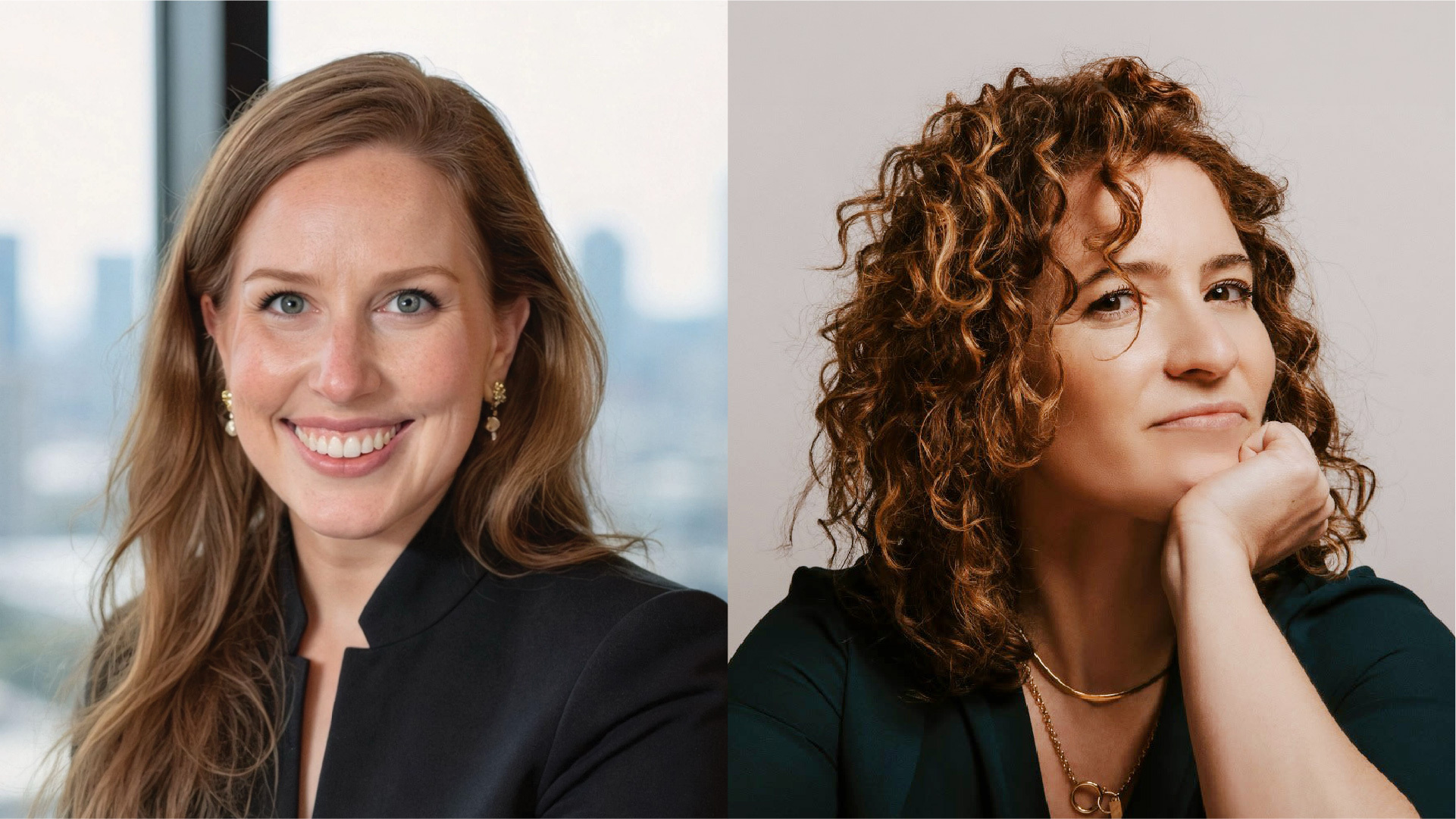
Brent Reidy, Andrew W. Mellon Director of the Research Libraries at the New York Public Library

Libraries are often thought of as quiet repositories. But at their best, they are living, evolving spaces where culture is preserved, interpreted, and reimagined.

Brent Reidy serves as the Andrew W. Mellon Director of the Research Libraries at the New York Public Library—one of the most expansive and dynamic cultural collections in the world. With a career that spans musicology, consulting with arts institutions, and nearly a decade at NYPL, Brent brings a unique perspective on how libraries function not just as archives, but as active participants in the cultural ecosystem.

In this episode, Brent reflects on what it takes to engage new audiences; how digitization efforts intersect with access and institutional mission; and how preserving the past can help shape a more inclusive and imaginative future for the arts.

Derek A. Johnson, Chief Marketing Officer of the Seattle Symphony and Benaroya Hall
EP 173
Apr 09, 2026
estimation...
Derek A. Johnson, Chief Marketing Officer of the Seattle Symphony and Benaroya Hall

The best leaders build conditions for others to shine.

Derek A. Johnson, Chief Marketing Officer of the Seattle Symphony and Benaroya Hall, has built his leadership philosophy around this very idea. Derek brings a thoughtful, people-centered approach to navigating the complexities of today’s arts landscape, drawing on years of experience across major cultural institutions like the Baltimore Symphony Orchestra and the Kennedy Center.

In this episode, Derek reflects on the power of servant leadership and how trust becomes the foundation for both strong teams and bold ideas. He also shares what it means to step into a senior leadership role at a pivotal moment for the Seattle Symphony, and how he hopes orchestra marketing will evolve in the years ahead.

Don’t Miss an episode

Don’t Miss an episode

Subscribe to CI to Eye and have your insight and motivation delivered on demand.

TUNE IN