
The best leaders build conditions for others to shine.
Attract and engage your patrons with a fully-managed ad strategy across all your platforms.
We'll help your organization use AI to save time and spark creativity while staying grounded in your values.
Your creative assets + our impeccable execution = thumb-stopping social content.
Let's harness your website’s data and uncover opportunities to optimize and grow.
We’ll partner on a strategy to level up your email program and help your ROI shine.
Ensure visibility across the search landscape with a technically sound website and content that deserves to rank #1
Attract and engage your patrons with a fully-managed ad strategy across all your platforms.
We'll help your organization use AI to save time and spark creativity while staying grounded in your values.
Your creative assets + our impeccable execution = thumb-stopping social content.
Let's harness your website’s data and uncover opportunities to optimize and grow.
We’ll partner on a strategy to level up your email program and help your ROI shine.
Ensure visibility across the search landscape with a technically sound website and content that deserves to rank #1
This episode is hosted by Monica Holt.
Libraries are often thought of as quiet repositories. But at their best, they are living, evolving spaces where culture is preserved, interpreted, and reimagined.
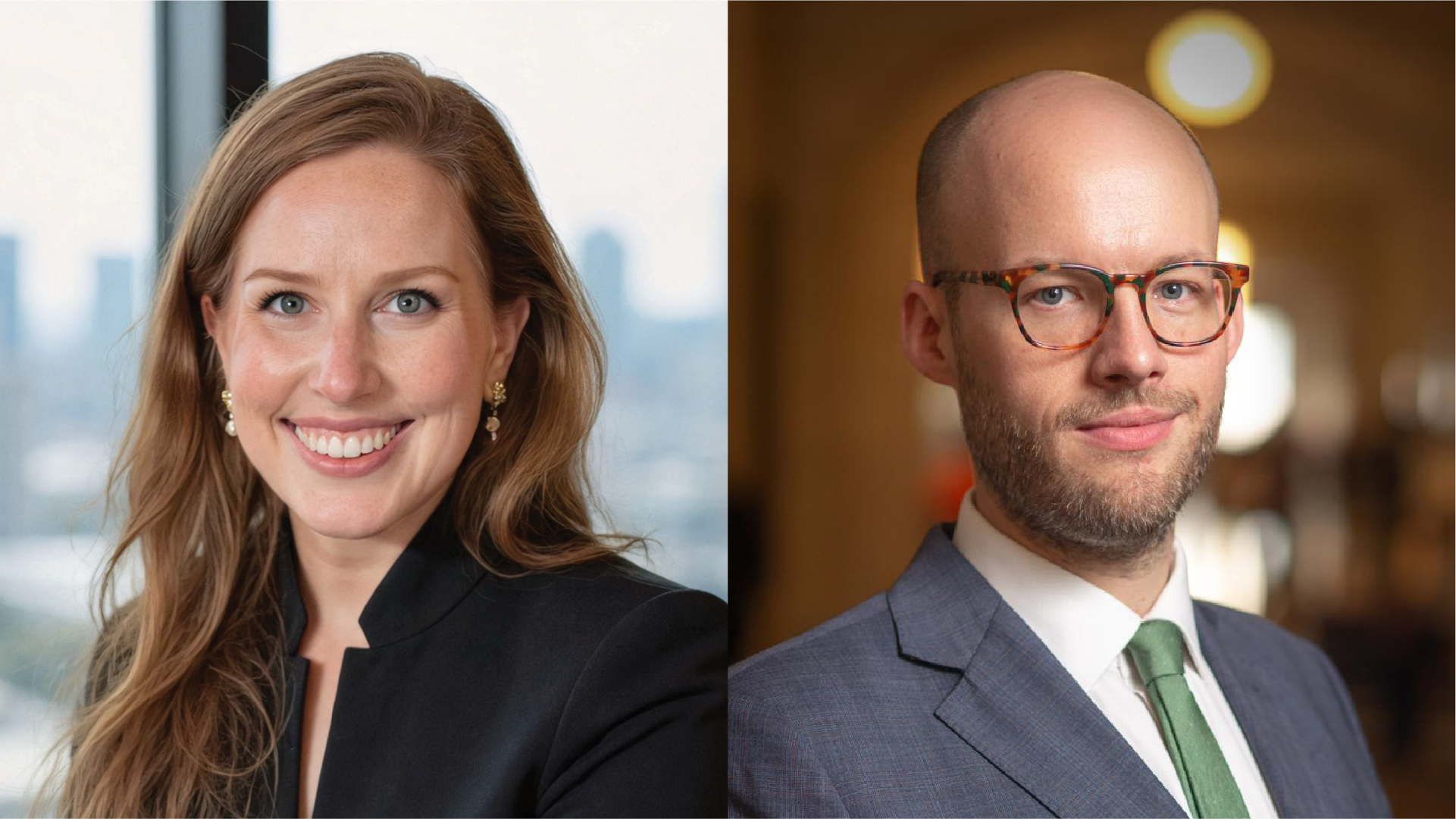
Brent Reidy serves as the Andrew W. Mellon Director of the Research Libraries at The New York Public Library—one of the most expansive and dynamic cultural collections in the world. With a career that spans musicology, consulting with arts institutions, and nearly a decade at NYPL, Brent brings a unique perspective on how libraries function not just as archives, but as active participants in the cultural ecosystem.
In this episode, Brent reflects on what it takes to engage new audiences; how digitization efforts intersect with access and institutional mission; and how preserving the past can help shape a more inclusive and imaginative future for the arts.
Monica Holt: Welcome back to the podcast. I’m Monica Holt. If you’ve been listening, you know that we end each episode asking our guests to share a favorite free resource. The New York Public Library, and especially the Library for the Performing Arts at Lincoln Center, has come up again and again as a guest favorite.
Clive Chang: Oh, the Library for the Performing Arts.
Duke Dang: The New York Public Library for the Performing Arts.
Paul Tate dePoo III: The Performing Arts Library here in New York is the best.
Ashley Hufford: The Performing Arts Library in New York is incredible, exceptional, highly recommend.
Monica Holt: So today we’re going straight to the source. Brent Reidy is the Andrew W. Mellon Director of the Research Libraries at The New York Public Library, where he oversees four research libraries, 450 staff, and more than 50 million items held in trust for the public. But before all that, Brent was just a kid from upstate New York who once convinced his dad to fill a Jeep with records, build shelves in his basement, and then make a spreadsheet and database to catalog all of them. He’s a self-described math nerd who discovered piano in the seventh grade, changed his college major after one meaningful conversation with a professor, and went on to get a PhD in musicology before spending nearly a decade as an arts consultant. That is, of course, until he found a job description that looked, in his words, like it was made up just for him. Brent and I chat about what it means to preserve the past while making it radically accessible, why digitization is never as simple as it sounds, and why great art does not require a trail of misery.
Let’s dive in. Brent Reidy, welcome to the podcast. Thank you for making some time today to talk to us. I’m so excited to get into your story and discuss all things New York Public Library.
Brent Reidy: Such a pleasure to be here. Thank you, Monica.
Monica Holt: Well, I have to say, one of the reasons that we were really looking forward to chatting with you today is that at the end of every episode, we ask folks to list a free resource that everyone should make themselves aware of and find ways to access. We have frequently gotten libraries generally. From there, there’s also a subset who have specifically called out New York Public Libraries. And then even more, there has been quite a robust ambassadorship for the Library for the Performing Arts. And we thought, well, with this being on the minds of so many guests who we’re talking to, we wanted to hear a bit from you. So before we get into the journey of Brent, could you start by just talking a little bit about New York Public Libraries? And for folks who are outside of New York, can you give a little insight into the scale and resources that NYPL provides?
Brent Reidy: Absolutely. And so happy to hear that answer. It also means that it’d be a cop out if I gave the same answer at the end, so I will —
Monica Holt: Yes. Well, you have 40 minutes to think about what your answer’s going to be.
Brent Reidy: So the New York Public Library is one of the largest public library systems in the United States, and it is both a circulating library and a research library. So circulating library, like the library you went to growing up. You go in, you take out books, you go home. Research library, a repository of unique or rare materials that we keep until the end of time. On the research side, we have over 50 million items, depending on how you count it. It’s one of the largest research libraries in the world. We have reading rooms and fellowships and exhibitions and public programs. We have about four million patrons a year who come into the buildings. And because we are a public library, we’re not a part of a university, we’re not a government institution. We are truly open and serve the full public. So you can come and see Lou Reed’s demo tapes or read letters by Virginia Wolf.
All you need is a library card. You don’t have to be a PhD.
Monica Holt: Would you describe a little bit your current role at NYPL? Also, here’s a question. Do you guys ever call it NYPL?
Brent Reidy: We call it NYPL all the time.
Monica Holt: Okay, great.
Brent Reidy: We are an institution of acronyms and we use NYPL.
Monica Holt: So would you describe your current role at NYPL?
Brent Reidy: Certainly. I have an overly long endowed title, so it’s the Andrew W. Mellon Director of the Research Libraries. What that means is I oversee our four research libraries, the librarians, the curators, the archivists, the reference and research services, conservation, programs, exhibitions, fellowships, and beyond. The research libraries are the one at 42nd Street with the iconic lions out front. That’s our humanities and social sciences. Across the street as part of the Niarchos Library, the newly renovated branch headquarters, there is a business library. At Lincoln Center, which you mentioned, is our music, theater and dance archive. And then up in Harlem, we have the Schomburg Center for Research and Black Culture. So together it’s about 450 staff. And then there’s a huge offsite service facility in Queens as well where we have people doing high-end conservation work and digitization work and cataloging and stuff like that.
Monica Holt: Big title and a big job. The ecosystem is incredible. And because so many of our listeners are tied to the performing arts, we know that the Library for the Performing Arts is a guest favorite. Can you explain or just expound a little bit on that library and what kind of materials are in its collection and maybe why it is that folks, particularly when they’re in New York or when they’re in the field and wanting to learn more and be a sponge and stay curious why it might be a good resource for them?
Brent Reidy: Yeah. So LPA — again, another acronym, Library for the Performing Arts — started in the 60s as one of the original tenants as part of Lincoln Center. It is an archive of music, theater, dance, and recorded sound. It’s both a research library and a circulating library. So you can go there and take out piano scores and librettos and other things and bring them home to study. It is one of the largest music archives in the world, one of the largest theater archives in the world, the largest dance archive in the world. And the reason why you should gravitate there if you haven’t gravitated there already in the arts is first we have material that is just everything you need for your creative practice, whether you’re a performer or a historian or just a super fan who is interested. You have full access to those things and some are unique and extraordinary things you can’t get anywhere else.
We have an archive called the Theater and Film and Tape Archive that’s been going for more than 50 years recording Broadway and off Broadway shows that have never been commercially released. So you want to see Dennis O’Hare in the 1996 Assassins because you missed it and you want to study it and think about it? You can come and make a research appointment to come and view that recording. There are also exhibitions and programs and fellowship opportunities and other things, but most important, and this is how I first made use of this library when I moved to the city, it is a free WeWork. There are places you can come and sit. You don’t need to show a card to sit down. You don’t need to sign up in advance. It is a place for you to use our resources, use the internet, and just make it your third space.
Monica Holt: Thank you so much for saying that. I feel that is such an important part of arts, humanities, and cultural spaces these days is how do we make sure people feel welcomed and invited to use them, as you say, as a great third space. And I would also just reinforce what you’ve said about the archives and the collection for folks, whether you are working on the producing or designing side of a show, or if you are on the more administrative side, if you’re working in marketing or press and you find yourself in the city or you live there already, what a resource to be able to make yourself familiar with the art that might be coming to your theater or your performing arts center and really have a way to understand that art before it gets there since you won’t always have the chance to see a performance live before it appears in your house.
Brent Reidy: Yeah. And it’s not just housing the stuff that’s there. The stuff is there to be the catalyst for the creation of new works and new understanding. And that can be a dance or a musical or a poem.
Monica Holt: As we start to look back on your journey, I think we spend a lot of time thinking about different arts organizations on this podcast, but I think the humanities piece and the role of libraries, when we think about how we share our stories, how we gather, how we ensure access to both history and creativity, I mean, these are very interconnected principles, applications, and really cornerstone institutional missions, how we look at the world and ask why and what does it mean and preserve cultural memory while looking to the future. So I think the fact that you have lived in both of these worlds is especially interesting. With that in mind, I would love to kind of rewind and take it back to the beginning and just ask when Brent was growing up, what was his first relationship with the arts and humanities?
Brent Reidy: I had a really late start in direct practice, but an early start in appreciation. So my parents, they weren’t in the arts, they were insurance agents, but they thought that music and theater and art were important for their kids. So we lived upstate in Albany. I’d say once every two or three months, we would take a trip to New York City and the agenda was get up early, drive down, go to museums, hit the TKTS ticket booth to see what show we could get half price that night for Broadway, see that show and then drive home and get home at midnight. And those sorts of outings were just kinds of things my parents invested their time in, which was incredible. I didn’t though really get involved until the seventh grade. I kind of did a couple things along the way, art class and things like this, but we were forced to take a music class in the seventh grade.
I was not that interested in it. I took the class and after the second or third day, my seventh grade teacher, Mrs. Fitting, called my parents and were like, “You should buy your son a piano. He seems to really take to it.” And my mom listened to her, [and] went out and found a cheap, beat up piano that someone was trying to give away for basically free. And I started piano lessons in the seventh grade and I started playing piano three hours a day and longer on the weekend. I just was obsessed with it. I took to it. I had no idea that was in there waiting for me. It just was because of public school and public school education.
Monica Holt: I love to hear that. There was one project that I maybe heard of from your high school days where I believe you bought from your library over a thousand LPs and started cataloging them in your basement. And I would just love to know more about what the idea was initially, what you learned, and where was the moment where you started to think about the artistic inclination and the research and analysis pieces of your brain being matched up in this puzzle of a project?
Brent Reidy: Yeah, absolutely. So I was first and foremost a nerd growing up. I love math. I love spreadsheets. I loved research. I loved logic, those sorts of things. I really, really liked algebra. I thought it was a fun pastime. And so I was just getting into music. This was in maybe the eighth or ninth grade. So I’d already started piano lessons at this point. We went to the library pretty much every week. And the highlight of the year was the local library in Schenectady had a sale every year where they were selling off books that they were weeding out of the collection. We went every year to that. One year we went and I was there with my dad and they were selling off or getting rid of their entire music collection. They were no longer going to be in the business of vinyl.
They decided they were done with it for whatever reason, and it was a fire sale. They were selling the LPs — I think it was a dollar for a brown paper bag.
Monica Holt: Oh my gosh.
Brent Reidy: I looked at my dad and I said, “I want all of these records.” And my dad was encouraging. He said, “Okay.” We had a Jeep Grand Cherokee. We filled the entire thing up with something like 40 or 45 brown paper bags of records, brought them home and then went to Home Depot and bought lumber. My dad helped build shelves in the basement. And then in the basement, I had something like 1,500 records that I spent hours and hours and hours listening to and trying to organize chronologically by date of composition. And I built a spreadsheet. And it was just like the first time I think I combined my artistic interests with my nerdy math research interests, which ended up being kind of a hallmark of stuff that’s worked in my career and those two things overlapped.
Monica Holt: Absolutely. Well, and also now as I’m recollecting, I think you still have quite a record collection even in your office.
Brent Reidy: Including a lot of those original records from that sale.
Monica Holt: Wow. You mentioned your self-proclaimed nerdy behavior. And I know as you got to college, you were thinking about majoring in math or mechanical engineering, which all kind of tracks. What then ultimately led you to the major in music? Was it still just that love for piano that you mentioned before?
Brent Reidy: Yeah, it was, I’d say, the intervention of an incredible professor who had sort of one of those Dead Poet society moments. So I was going to be an engineer. That’s why I went to Dartmouth. They have [an] incredible bachelor’s into master’s engineering program, and I was really good at math. It was the thing I was probably best at academically growing up. And when I went to college, I still wanted to do music on the side. I thought I’d do a minor in music. And two things happened immediately. The first was a total shell shock of realizing I was no longer the smartest person in the room when it came to math and science, and that I was firmly in the middle of the pack and was not the best at this. At the same time, I did end up taking a music class that first semester in composition, and I stayed after one day because the professor asked me to stay behind because he wanted to hear some of my music. I was the only freshman in the class, so I think he wanted to make sure I was doing okay. I played a few songs for him on the piano in his office, and I turned around and he said, just looking at me, he sunk into a leather chair with glasses, his fingers like this. And he said, “Brent, what do you want to do with your life?” And I knew what the answer was supposed to be. I said, “I don’t know, something with engineering.” And then he just stared at me for 20 seconds.
I remember [he] just said, “No, if you could do anything you want, what do you want to do?” And I don’t think I’d ever asked myself that question. And I said, “Music?” Almost as a question. And he just stood up and said, “Well, why don’t you do that?” And walked out of the room.
Monica Holt: Oh my God, what an origin story. He really had a flare for the arts with that kind of an exit.
Brent Reidy: Yeah. I changed my major the next day.
Monica Holt: Wow. Good on that professor. Good on that professor. Good on you for taking the advice the next day, because then after undergrad, you went and got a PhD in musicology at Indiana University. For the uninitiated, could you explain what musicology is?
Brent Reidy: Yeah, it’s a fancy word for music history that was invented in the 19th century when that particular slice of the academy was trying to be taken as seriously as another discipline. It’s from the German musikwissenschaft. So it’s a fancy word for music history.
Monica Holt: Well, there you go. Was it through that program that you realized you weren’t only drawn to the art itself, but the role that arts and cultural institutions specifically play in society at large? Was there a moment that you realized working with those types of organizations could be just as fulfilling as creating art yourself?
Brent Reidy: Yeah. So there were two moments. One in undergrad that turned me to history, then one after that turned me to the administration side. The history one was, I thought I wanted to be a composer, a performer. I had another incredible professor, Steve Swayne, who taught a history class that I was required to take to fulfill the degree, and he taught the class in such an unusual way where it was something like only studying one or two pieces of music a week and just focusing deeply, deeply on the historical context rather than trying to do the survey and getting hundreds of pieces under your belt. So I think we spent an entire week just on Beethoven’s fourth piano concerto.
Monica Holt: Oh, great.
Brent Reidy: But understanding the context of Napoleon and the context of the Orfeo myth and industrialization and everything else. And I knew that piece. I loved that piece of music before I got in the class. At the end of that week, I was like, “Oh my God, I’ve never listened to this piece of music before.” And that’s how I ended up going into the history context. Then in grad school, taking seminars and focusing on subjects like, how was the symphony commissioned? How did this piece come to be? I realized I was just as interested in the administrator or the patron who commissioned the work as I was in the composer, as I was in the piece of music. And again, I felt like I had an entirely new context to learn that would completely change how I listened to music and how I understood music. And so that just set me on this path of being interested in the making of, what are the conditions that lead to this art that I’ve enjoyed for so long? And that’s how I sort of first turned to that piece behind the curtain.
Monica Holt: I love so much hearing folks recount their story, where they are now reflecting back, because all of these pieces make so much sense when we know where you are right now. I genuinely hope that for anyone listening, if any of this is starting to resonate with you, to really think about that broad swath of opportunity out there to support artists, but also support society at the same time. I think you’ve articulated that beautifully when you learned more about that connection, and it ties into everything we talk about in terms of staying curious, always learning more. And I think for a lot of folks who might’ve been more driven to one art form or another, understanding that history that goes alongside how each of these pieces of art are created and the context that they’re in really starts to expand the way that you can be thinking about arts impact more broadly.
Brent Reidy: Yeah. And it’s such a full, beautiful ecosystem and it’s so much deeper and so much richer when you get into the how it works. And to your point, I was inspired by what you said because I think that to end up with a career in marketing or in fundraising and other pieces — in the end, that piece of work on stage doesn’t exist without those teams. And so it’s a co-composition in a way. And I think there’s a lot of pride to be taken in that.
Monica Holt: That’s a really lovely way of putting that. So as you progress through the program, do you go straight from there to AEA?
Brent Reidy: No. So the piece that happened was while I was in the program, Hurricane Katrina hit New Orleans, and I had a friend who was very involved in the reconstruction efforts there. I was, as a jazz pianist, a jazz listener, was just devastated by us potentially losing the birthplace of jazz in America, one of the most important cultural cities in the country. And we got involved in trying to do some work to raise money, to bring musicians back to the city, and trying to influence Congress to appropriate money, not just to turn the electricity back on and fix the infrastructure, but to make sure the musicians who had fled to Houston and elsewhere would come back to the city so we don’t lose that culture. I ended up going to New York to do some work with some jazz not-for-profits in the city, including doing some work at Jazz at Lincoln Center, where I was doing work on their beginnings of social media. I think I helped launch their Twitter page and Facebook page when they just started them. Early… It feels like the Stone Ages.
Monica Holt: We love those stories, right? New Media Coordinator was one of my first titles, so I hear you loud and clear on that one.
Brent Reidy: But the executive director of Jazz at Lincoln Center was the founder of AEA Consulting, and that’s how I got to know that firm and ended up being introduced to the managing principal of AEA Consulting, Libby Ellis, and getting an initial job there and starting there. So that was the connection.
Monica Holt: That’s great. And you were at AEA for almost seven years. I always find it so interesting to talk to folks who are asked to come in fresh to an organization, usually at really pivotal moments: capital campaigns, strategic planning, or moments of crises. Going from your robust education and then moving into a space where you’re likely coming in as a problem solver or at least a helper, what was that experience like? What did you learn and what were particularly your first few years of doing that like?
Brent Reidy: Yeah, I mean, it was incredible and it felt like an extension of grad school because you basically drop in with a new project, with a new organization, and you have three months, six months, maybe nine months a year to try to solve a problem or finish a strategic plan or do this. And you know the context of how a symphony orchestra organization might work or performing arts center work or museum works. But every organization is so different that inevitably you’re spending the first three weeks of a project almost feeling like you’re a new hire at the institution, trying to learn everything about a place and understand how its local context is different from how you would understand or think it would work from the outside. And to learn that at a speed so that you turn to be in a position of actually being able to provide useful product or advice or strategic innovation or other things that help that organization, I was absolutely in love with it.
It was just this incredibly intellectually and emotionally satisfying labor, especially when those projects turned out to be ones that ended up really helping an organization. The lessons along the way that I learned that were just the ones I didn’t expect first is the importance of procedural consensus rather than intellectual consensus for the boards and stakeholders, which is sometimes the hardest part of a strategic planning process is agreeing that you’re going to do it and how it’s going to be done. And if you’re able to set that and get buy-in, get people to own that process, then it will be okay to emerge with an answer that is different than some of the stakeholders expected or they don’t agree with if how they got there along the way is something that they own and understand and take part in. The other two lessons that I still think about on a daily basis, one is the hardest thing to do is to say no.
And some of the best advice we gave was convincing an organization not to build an expansion or not to start a new program. And then the third one, which is still, I think really important is it’s never as bad as you think it is.
And in my work at the library now, sometimes I’m presented with problems and maybe someone who’s part of the team is thinking like, wow, could this get worse? And I think to myself, yeah, I was part of a project at — the Stavros Niarchos Cultural Center was being built in Greece and the entire economy of the country collapsed and the library lost 80% of their staff. It can get worse. And there’s always the context to think about.
Monica Holt: Those are all significant gems of advice that I hope everyone takes into context. So after your time at AEA, what initially drew you to the library?
Brent Reidy: Yeah, so I really loved giving advice and jumping into these organizations working with six or seven at a time and that changing. But I was starting to feel, and almost every consultant I think has this at one point, like, I really want to stay and see this through and be a part of this for a couple years and see what happens or not just give the advice and walk away. And a friend sent me a job listing for deputy director of the Library for the Performing Arts, and it looked like a made up job for me that I didn’t know could exist. It was a new position to oversee the curatorial side, so the music, theater, and dance archives, the historical piece, and to be in charge of the sort of strategy and business-side reporting to the director. And so it was literally combining both sides of my background, and I thought, when’s another opportunity like this going to come?
I have to apply for this job. So I went for it and I knew I wanted to be at that library too because I had been a patron there many times over. I loved that library.
Monica Holt: Were there lessons in your brain that you took from your time in AEA that you were then able to apply firsthand in this role at an organization you were now fully embedded in?
Brent Reidy: Yeah. Yeah. I mean, it was yes and no. It was such a wake-up call on the difference between strategy and reality. And it’s like going from theoretical physics to applied physics. And I think sometimes consultants work in the world of theoretical physics and I think I was guilty of that. There’s that old mantra, like, “Culture eats strategy for breakfast.” And suddenly realizing you can be thinking about this on paper, but this is a library where a hundred people work and some have been working there for 40 years and anything you want to do has to do with the culture of a place that started in the 1960s and goes to today. And I think that was completely lost on me as a consultant. And it was such a lovely thing to realize and to grow into at the Library for the Performing Arts. At the same time, I felt like being a consultant for a number of years gave me a set of tools, almost like a superpower in that every single problem that came up or issue that came up, I had seen three or four other versions of at another organization. I’d seen how they tried to solve it. I saw what worked, I saw what didn’t work, I’d seen boards behaving badly, I’d seen fundraising not work, I had seen a reorganization that wasn’t communicated well and sort of therefore died in the trenches.
I’d seen every version of this. So it felt like I had this Rolodex of examples to go to and direct experience as a consultant that gave me a lot to work with.
Monica Holt: Yeah, I can imagine that that becomes a very useful toolbox to be able to pull from, particularly as folks are understanding what changes you might want to make and at least knowing that you have some context for how that could work across all types of organizations. How did you first get beyond the walls of just LPA and really start to learn more about the rest of the ecosystem, particularly thinking about you and your role now and how much more you oversee?
Brent Reidy: Yeah. So we had a serious issue at the library when it came to some matters of digital storage and preservation where three different teams were at loggerheads with each other, the research libraries, our IT partners, and our partners in digital. And my boss at that point, the director of the research libraries, the role I have now, was trying to figure out how to move forward, how to fix these issues. I wrote a paper, a memo, internally in which I just gave him my frank analysis of what I thought wasn’t working and what was going wrong. And it was that digitization and preservation you say is the future of the library, is the thing that we need to invest in. He was fond of saying that we had a physical library, now we have digital one and we’re trying to do both at once and it’s very hard.
It’s very expensive. And we were doing some of those things well, but what I identified was that it was sort of — responsibility and accountability were separated into too many areas without a sole leader who was making sure this transformation agenda was happening. And I recommended to him that you should consider maybe shifting things a bit to do that. And he said, “I agree with you and I’m making you do it.” And so I —
Monica Holt: Well, how about that?
Brent Reidy: Yes. So that’s how he developed a new team, which put all these digitization and preservation pieces on the digital side together and asked me to lead it. And so that’s how I got beyond LPA and started doing that. And then the other thing that happened, which is less joyous of a story, but when the pandemic happened, I was asked to lead the research library’s response because I was really good at working across the organization at that point. And so that was just an incredible and stressful opportunity to really learn how the organization works and within the context of the library overall.
Monica Holt: Well, it’s interesting you cite both of those examples because I am curious, in a post-2020 world, what the digitization landscape looks like from your vantage point? Because I assume as you approach the effort, understanding the public benefit of preservation and access, what you are seeing and kind of your mission and values for NYPL, but also thinking about this broader lens that you have on the field and what you’re seeing in terms of whether institutions you think are still prioritizing that kind of access now that we are a little further away from the pandemic, or if you think those efforts are continuing to grow the way that you would’ve hoped coming out of a moment of crisis.
Brent Reidy: That is a great way to frame it. I think that one of the things that came from the pandemic, which is a positive thing, is many institutions, including ours, realize that we need to invest just as much in digital and remote access as you are in some onsite access, and just because we are now back on site and we’re open like we used to be in 2019, you can’t sort of put that back in the box. Our patrons have a set of expectations that we should have met in 2019 in terms of providing real access and making those things possible. And especially for us, we’re a public library and one of the greatest joys is everything is free. We give away everything for free. Our programs, our exhibitions are free. You don’t have to pay to get access to materials. The reality of that is that sounds really nice to say, but unless you can buy an airplane ticket, fly here and get a hotel and spend weeks in the archive, if you don’t live here, it is a serious barrier to significant access to our collections if those collections are not digitized and available remotely.
Our mission will not be met unless we have done everything possible to make it possible for anyone to get access to this material, even if they don’t have the means to be in New York City.
Monica Holt: How well said. Do you think there’s a common misconception amidst cultural institutions about digitization projects?
Brent Reidy: Yeah. I would say the misconception is we will never digitize everything and that is normal and that is actually okay. We’ve made huge strides, but it’s drops in the bucket. So we’ve spent dozens of millions of dollars digitizing audio and moving image recordings, hundreds of thousands of them. We’re making them available slowly and surely. It is painstaking work to do. It involves everything, metadata and preservation and storage and systems and all these things. But we still are sitting on hundreds of millions of pages of material that are not part of the big books digitization projects or other kinds of projects. And if we were going to try to digitize all of those in the next say 10 years or something like that, I think we did a calculation once on the back of a napkin. It’d be over a billion, it’d be multiple billions of dollars to quote digitize everything.
And then there’s perpetual storage and description and all these things. All to say, if you handed me a billion dollars today and said, “What’s the biggest impact you can make for your patrons and in your services?” I wouldn’t say all of that should go just to digitization. There’s so many other things that we are doing and have to do. So what it is about is we digitize to preserve things from being lost forever, things that are at risk. So, film that’s falling apart, things like this. We digitize things that people are asking for that we think if we digitize it, it will provide new avenues for scholarship and other things. We digitize material that we need to for programs and exhibitions and others. It’s just, there’s only so much money, there’s only so much time and we have to do a lot of things for our patrons and balancing to do as much as we can while still meeting our other needs is what we have to do.
Monica Holt: What a sound statement. And it’s also true because even talking side by side with digitization of what you have, you’re also still acquiring all the time.
Brent Reidy: Oh my God. Yeah, nonstop.
Monica Holt: Right. You recently acquired the archive of Tom Verlaine.
Brent Reidy: Yes.
Monica Holt: And just with a constant acquisition process happening, how do you decide what items you add to the archive and what does that acquisition process look like?
Brent Reidy: Yeah. So we have an institutional vision and one that we’re refining, and part of that just has to be what does it mean to be an archive that is working on behalf of the public and is tending, shepherding that shared cultural memory. And where I’m looking to have us continue to excel and grow there is I think really exemplified by something like the Tom Verlaine Archive, which is to make sure that the archives that we are collecting are reflective of cultural practice broadly. And so the fact that we have Lou Reed, Tom Verlaine, and others, and that punk is on the shelf next to Beethoven. To me, it’s a beautiful representation of what kind of music matters. It’s all kinds. But the reality is I have very little to do with it beyond those larger conversations. We have almost two dozen curators. They have deep, incredible expertise in their field.
Their job is figuring out what collections to acquire. We have selectors who are looking at the books that we’re acquiring as well. And so figuring out, “What are the collections to bring in?” is the job of that curator to think deeply about.
Monica Holt: Wow. Of the 50 million items, do you have any favorites?
Brent Reidy: So two I’d say. One is of the moment, and one is back to my origin story. We are putting on display later this year — we have Jefferson’s handwritten copy of the Declaration of Independence. And what is so interesting about this document — it is the one in his hand that he was sharing after the Declaration was ratified by the Founding Fathers of the Congress, and it is showing the pieces of it he’s pointing out that were lost in compromise. So the things that he wanted in it, including a condemnation of the slave trade. And so it’s such a fascinating and complicated document to have Jefferson condemning the slave trade, himself who enslaved, and to have this as a way in to understand the moment and to understand just the complexity of these individuals that we idolize and still should, but should still understand them for everything they didn’t do and should have done and everything they did at the same time.
And to have this document out in the 215th anniversary of this country, I think, is a real incredible opportunity to teach and to learn. The other one I say, which is my standard answer, is we have some manuscripts in Beethoven’s hand and we have his sketch of the Archduke Trio, which is one of my favorite chamber pieces. The first time I saw it, I had to move away from the table because I didn’t want to cry onto the document. And it is so incredibly beautiful. And in musicology, we’re taught not to read too much into — it’s called score study, the idea that you can sort of see in the gestures of hand personality and read great things into it.
Monica Holt: Interesting.
Brent Reidy: It’s a trap to fall into. But with the Beethoven Archduke Trio, it really looks like he was having a bad day or was working something out. It’s just working so sort of almost ferociously on the page and you can’t help but make up a story about his composition of that work. It’s so evocative.
Monica Holt: Another thing that I’m not sure people are aware of is that NYPL has also commissioned art itself. So could you tell us a little bit about the Lunch Dances project and how that came to be?
Brent Reidy: Absolutely. One of my very first calls I made when I got the job as director was to call Monica Bill Barnes and Robbie Saenz de Viteri. They are two artists that I have admired for years. Monica started this dance company. Robbie has been partnering with her for quite a while. And their mantra is to bring dance where it doesn’t belong.
And the reason I called them was there are so many resources here that can inspire creativity and other kinds of expression. And I wanted to just do something that was about using the archives and using the space that we have to create art that would bring in audiences who weren’t necessarily scholars and to come to understand the institution in a different way, to shake the dust off a little bit and introduce a little magic. And my theory was, well, what if we did this in a way that was kind of an interruption to what was taking place in the building, but not in a way that made it impossible to research there. The kind of interruption that you don’t mind, the sort of thing that brings a little light and magic to the place, but you’re not shutting down the reading room for a day or something like this.
And so my challenge to them was, I wanted to bring them in. I said, “I want to commission you to make a dance. I want it to take place somehow in the building and you’ll figure that out and it has to relate to our collections in some way.” I gave them a three-hour tour of the building and then we left them on their own for months. They ended up doing research in the reading rooms. They shadowed staff and interviewed them. They followed patrons and just observed things and ended up developing this piece that is about a library page delivering a piece of a book or a resource to a patron in five different rooms in the library. But each of those patrons is not a scholar. One is someone who’s looking through the picture collection, this incredible collection of thousands and thousands and thousands of snipped out things from magazines and art books because this patron is trying to figure out what tattoo they want to get to commemorate the passing of their partner from a few years ago and figuring out what image to pick.
And I love that it was able to show all these different kinds of patrons, all the different kinds of stories. It was an incredible success. Robbie and Monica are geniuses. We brought it back for a second year. It’s happening again next week. When we put tickets up, I think they went in like 41 seconds.
Monica Holt: Wonderful.
Brent Reidy: So we’ll see if we can get lightning in a bottle a second time, but I think this really showed us something pretty important about this place and what people want to experience here.
Monica Holt: I believe in that. Next year will be your 10th anniversary at NYPL.
Brent Reidy: Wild.
Monica Holt: Wild, I’m sure. What is it about the institution and your work that continues to motivate you or surprise you?
Brent Reidy: The mission being so clear, so powerful, and also so just understood and embraced by all staff is such an important piece. It’s such an important thing, and it’s a thing that makes me want to be here every day. Back when I was a consultant, we’d show up at an organization for strategic planning, let’s say. And the first question was always, what’s the mission of this organization? In some organizations, you’d interview 30 trustees and 20 staff and get 50 answers.
At the New York Public, everyone just about can recite the mission word for word, but actually is invested in and believes in it and knows why they are there. And to have a north star like that, that matters so much in today’s world, is something that keeps me going, especially when we seem to be at a time where we’re more divided, a time where we’re facing a sort of crisis of loneliness and crisis of isolation to be in a place that is a third space and is about bringing people together and giving them resources to learn and grow and make new things. I cannot imagine a better place to be.
Monica Holt: Gave me goosebumps when you said that about everyone knowing the mission and being able to have a clear north star. If someone has never visited New York Public Libraries, what do you hope they would feel when they enter any of those spaces for the first time?
Brent Reidy: The most important thing I hope that they feel is welcome. I think there’s a lot of misconceptions about what a research library is. It is a place for anyone with any question and any amount of curiosity, and I want anyone who walks in this space to feel like they belong there and that this bounty is for them. The other way I’d say is I hope that anyone walking in here feels like a kid in a candy store with an unlimited budget.
Monica Holt: That’s wonderful to hear. And what is giving you hope about the future of arts, culture, and humanities right now?
Brent Reidy: I love that question. The thing that’s making me the most pessimistic has also given me the most hope, which is social media, which is a plague on our world in many ways. And some of the health outcomes and things that we are seeing are just so incredibly horrifying. On the other hand, there’s a piece of it that I hope can be retained and I hope can somehow be a thing that is lifted up, which is just like scrolling through YouTube Shorts or TikTok reels and ending up in a universe of all of these incredibly talented, creative people putting things out there that never would’ve had an avenue before, whether it’s like the 35th cover of Pink Pony Club or whatever it is, is just so inspiring. It really is. I think that got me through the pandemic. It still gives me a lot of hope now, but to suddenly have this network for just everyday creativity and people who might never end up on a stage is, to me, something that gives me a lot of inspiration.
And I hope that organizations can figure out how to tap into that, how to learn from that, how to make sure they’re not leaving behind the everyday performer for the virtual show.
Monica Holt: Me too. Well, we have reached our quickfire culture section. So what is one piece of culture that you are currently obsessed with?
Brent Reidy: I am completely obsessed, and so is my partner, Rachel, with the British panel show, Taskmaster.
Monica Holt: Yes. Concur. Co-sign.
Brent Reidy: Currently on a rewatch of the entire thing, and we also watched Australia and New Zealand versions as well. We’re completely obsessed.
Monica Holt: Oh, very good. I have not gone that far.
Brent Reidy: Oh, it is totally worth it. It’s all on YouTube for free. For those who do not know it, it is a panel show in which five people, usually comedians, have solved tasks before they show up and then they watch the tasks that they have solved and make commentary on it. And it is just like a masterclass in the joy of lateral thinking and problem solving and seeing how people figure out how to solve something or interpret a set of rules is actually just so beautiful.
Monica Holt: I couldn’t agree more. It is also chaos and comedy and everything in between. If you could go back in time, what live performance or event would you want to attend?
Brent Reidy: I’m going to cheat and name three, but all in the same year. I really wish I could have been in New York in 1976. The premier of Einstein on the Beach, to see Music for 18 Musicians in Town Hall the first time, but it’s also the year that the Ramones put out their first album and to see them playing at CBGBs, that to me would be the most incredible year to be in New York listening to music.
Monica Holt: That counts. That’s like Avengers theory, right? If you get to the same place, you can collect the infinity stones at the same time.
Brent Reidy: Yes.
Monica Holt: Okay. This is the big question. What is one free resource in any field that everyone should check out?
Brent Reidy: So there is an archive I’ve been spending a lot of time with, which is the StoryCorps archive. So [for] those who don’t know, it’s: thousands of interviews they’ve conducted over the years are online as part of their partnership with the Library of Congress. In a world where it feels like no one listens to each other anymore, to be able to just drop into… Over the weekend, I was cooking. I listened to an 11-year-old interviewing her grandfather, and these sorts of conversations. To just have this little slice of… It’s like an empathy bomb that you get to have. It’s just so incredible. It’s such a beautiful, beautiful archive, and it’s really worth just spending some time hearing humans talk to each other and be interested in what they’re saying.
Monica Holt: Yeah. And finally, if you could broadcast one message to executive directors, leadership teams, staff, and boards of thousands of arts organizations today, what would that message be?
Brent Reidy: Never forget the people. Whether it’s your team, the patrons, or the public. Part of my academic journey was realizing that what I loved about music was the people behind it in addition to music itself. And so many cultural organizations, I think, can get lost in trying to produce the greatest work of culture and leaving a path of destruction along the way. I mean, if — Great art does not require a trail of misery, and if your perfect concert exhausted your staff, then it’s not a perfect concert.
Monica Holt: I kind of want you to say that again. Great art doesn’t require a trail of misery. Is that what you said?
Brent Reidy: There’s this myth that great art requires a trail of misery, whether inside the composer and performer or around them. There’s this beautiful passage in Kurt Vonnegut’s Timequake, his last novel that he wrote. And in it, he describes that his brother Bernie, who’s a chemist, started making art, like Jackson Pollock art, and he was like squishing art between glass plates. And his brother, who’d kind of been disdainful of the humanities and his brother’s quote “artsy fartsy” career, wrote him a letter to say, “Am I making art?” Basically, he asked this. And Kurt Vonnegut’s response, which he paraphrases in this book, was that: “You’re asking me whether you’re making art, but you don’t want to share the art. You haven’t sent it to me, also. Just these photocopies.” And his response is that art is a social act and that if his brother wants to know whether his art is art, he has to show it to people. And a work of art is a conversation between two human beings.
And it’s okay to not like things. The quote that I always love is he says that, “If I were to kick a bucket down the stairs and then say the racket that I made was on par with The Magic Flute, this would not be the beginning of a long and upsetting debate. A perfectly fine response for you is to say, ‘I loved what Mozart did and I hate what the bucket did.'” But the arts are not an empirical abstract pursuit. We are engaged in a social pursuit. And I think if you forget that, then you’ve lost the whole game.
Monica Holt: Could not agree more and what a beautiful way to end this conversation. Brent, thank you so much for the time, truly. This was so fulfilling and I continue to be excited about everything that you and the team at NYPL are doing. I think it’s a great beacon for us, particularly right now. So thank you.
Brent Reidy: Thank you, Monica. I appreciate it.
Monica Holt: Thank you for listening to CI to Eye. If you enjoyed today’s conversation, please take a moment to rate us or leave a review. A nice comment goes a long way in helping other people discover the show. And if you haven’t already, click the subscribe button wherever you get your podcasts. We’ve got some great episodes coming your way and I wouldn’t want you to miss them.
A huge thanks to our team behind the scenes, including Karen McConarty, Yeaye Stemn, Stephanie Medina, Jess Berube, and Rachel Purcell Fountain. Our music is by whoisuzo. Don’t forget to follow capacity on Facebook, Instagram, LinkedIn, TikTok, and YouTube for regular content to help you market smarter. You can also sign up for Capacity’s newsletter at capacityinteractive.com. And I hope you’ll reach out to us to let us know who you’d like to hear from next on CI to Eye. I’m Monica Holt. Thanks for listening.
Brent Reidy is The New York Public Library’s Andrew W. Mellon Director of the Research Libraries, responsible for NYPL’s research centers and their 460 staff members, 45 million collection items and approximately 4 million annual visitors. His purview includes collection strategy, acquisition, preservation, and access, while also serving as a national voice on the direction of humanities research.
Reidy’s work has focused on the digital transformation of the research experience; since 2019 he has led the Digital Research team responsible for digitization, digital preservation, access for the library’s research collections. Under Reidy’s leadership, the library has doubled its digital storage, launched a digitization strategy focused on diversity, equity, and inclusion, and renegotiated its contract with Google to increase access to hundreds of thousands of digitized books.
Reidy began his tenure at NYPL in May 2017 as Deputy Director, and later Interim Executive Director, for the Library for the Performing Arts. He was previously a Senior Consultant at AEA Consulting, a global management consulting firm focused on the cultural sector. Reidy holds a BA from Dartmouth College and a PhD from Indiana University.