
What changes when artists aren’t simply invited to perform, but are given a seat at the table where ideas, policies, and solutions take shape?
Attract and engage your patrons with a fully-managed ad strategy across all your platforms.
We'll help your organization use AI to save time and spark creativity while staying grounded in your values.
Your creative assets + our impeccable execution = thumb-stopping social content.
Let's harness your website’s data and uncover opportunities to optimize and grow.
We’ll partner on a strategy to level up your email program and help your ROI shine.
Ensure visibility across the search landscape with a technically sound website and content that deserves to rank #1
Attract and engage your patrons with a fully-managed ad strategy across all your platforms.
We'll help your organization use AI to save time and spark creativity while staying grounded in your values.
Your creative assets + our impeccable execution = thumb-stopping social content.
Let's harness your website’s data and uncover opportunities to optimize and grow.
We’ll partner on a strategy to level up your email program and help your ROI shine.
Ensure visibility across the search landscape with a technically sound website and content that deserves to rank #1
This episode is hosted by Monica Holt.
How do you build a museum around a subject that’s constantly evolving?
As CEO of Seattle’s Museum of Pop Culture (MOPOP), Michele Y. Smith is helping preserve what refuses to stand still. With exhibitions spanning music, film, fashion, gaming, and fandom, MOPOP examines pop culture not simply as entertainment, but as a reflection of the ideas, identities, and social changes shaping our lives in real time.
In this episode, Michele explores what it means to preserve cultural history while remaining responsive to the present, and why our personal connections to pop culture can become a powerful source of shared experience.
Michele Y. Smith: Pop culture is an essential part of our lives. It defines us and in turn we define it. Keeping up with the culture is really sometimes honoring the past to bring forth the future for the new creators that are coming out in different ways.
Monica Holt: Welcome back to Arts Unscripted, a capacity podcast. I’m your host, Monica Holt. My guest today is Michele Y. Smith, CEO of the Museum of Pop Culture in Seattle, better known as MOPOP. Founded by Microsoft co-founder Paul Allen, MOPOP holds 85,000 artifacts across music, film, fashion, and gaming, including some of the world’s largest hip hop, sci-fi and horror collections. In Michele’s own words, pop culture defines us and we define it in return. At MOPOP, the focus is really about where culture comes from and how it creates community. And as arts education disappears from many schools, the museum is working to close that gap with teachers and young people at the core of its design. Michele’s career has spanned nonprofit and commercial experiences, and I also want to acknowledge that Michele spent a number of years at United Airlines supervising hundreds of flight attendants. We happen to be recording our conversation the day before the 25th anniversary of September 11th.
Michele was at United that morning, and I’m really grateful she took the time to share with us about that experience and the lifelong leadership lessons that she’s taken with her. Let’s jump in.
Michele Y. Smith, welcome to Arts Unscripted. Thank you so much for spending time with us today. I’m so excited to chat a bit.
Michele Y. Smith: I’m excited to be here. Thank you for having me.
Monica Holt: Well, we have a lot to discuss. You have quite an extraordinary wealth of experience and also what is happening right now at MOPAP, and we will explain that acronym shortly, is really thrilling when we think about Arts Culture Museum and what that looks like. But to start, I’m curious as you think about your own journey, what some of your earliest experiences with art and culture were.
Michele Y. Smith: Well, I went to a boarding school in Hershey, Pennsylvania, and my first memory is in Milton Hershey School and just drawing an art class. We had such a creative teacher and he was pretty famous among my friends and students that went to the school, but he just really was allowing you to express yourself and the projects that we worked on. It went from art then to woodwork to mural painting and different things like that.
Monica Holt: Oh, that’s wonderful. It makes me smile to hear you talk about the art experiences there because it’s a great school and the investment that they’re making in kids there over time has been incredible. I also know that’s kind of where maybe your interest in business started too. And so I’m curious if you could tell us a little bit more about that.
Michele Y. Smith: Well, Milton Hershey School was a private scholastic school, so they had different tracks. So if you were looking for the culinary track or the college prep track or something in business, they had these programs that you could go through. I chose both, so college prep and business. So we went through classes like accounting where we owned our own store for a whole year and would have to learn and go on an audit trail. We had typing classes and basically it would be set up like a office. So coming in, sitting at an office, having a boss to say, “I need a memo in this,” we would really be playing that everyday role of being in those situations. And so I just really loved it. I enrolled in finance when I went to college. So those practices of being in an office, having an audit trail, owning your own business were always in my DNA from when I started at the school.
Monica Holt: That’s great. That is so smart to have those tracks early enough in your life that you’re actually learning those skills before you need to then sit down for your macro micro in college economics classes and actually understand what the true implication is. I love that. Oh, that makes me excited. As we start to talk about your career, what I found so interesting learning about you is that early in your career, you worked at United Airlines in a supervisor role. And obviously, and certainly this time of year and this day that we’re recording, the day before the 25th anniversary of nine eleven, you were there working at United on that day and later you became really part of the airlines crisis response work. I would imagine that’s a formative moment in someone’s life, but also in their career. Would you be willing to just share a little bit about how you reflect on that moment and also maybe what came from it, what shaped you from there?
Michele Y. Smith: Yeah, I worked for United Airlines and I was a flight attendant manager at SFOSW. In fact, I still know my number, 273797, and I managed 400 flight attendants in my care. Back at that time, I was a qualified flight attendant because if a flight attendant was sick, I would be able to take over that route. So I went through the entire flight attendant training, but I was also a manager and really flew with my crew back and forth on different flights, looking at the service, looking at on-time starts, looking at the market track surveys, all different things that you could think of. It’s kind of surreal because flight 93 and two of those flight attendants that were in my care unfortunately passed away 25 years ago. That day I woke up at 6:00 AM and I was at the domicile getting prepared for a flight and the alarms went off and we kind of just went into crisis mode because we practiced those types of things, but this time it was real.
And honestly, the training that I got at United really prepared me to number one, lead and number two, just keep myself going throughout that time. And we had a strong domicile base of supervisors, managers, all of that. And I just can say that everybody just did what they were supposed to do within what we could do at that time.
Monica Holt: Yeah, absolutely. Thank you for sharing all of that. I’m curious, what happens in the weeks after that? How does your leadership style have to shift and evolve and change in the weeks after a world-changing moment like that? What do you think about when you move through the after piece?
Michele Y. Smith: That’s a really thoughtful question. There were so many things going on at the time. Number one, there was grief, but then there was like, “We need to move forward. I need to get my flight attendants home.” So I really wasn’t thinking about myself. I was thinking about how do I get my flight attendants back safe? How do I make them feel safe? I really felt like at the time I was serving my country, and then right then we went into leadership of we’re going into bankruptcy, we may not need all these flight attendants and all those things like that. I actually ended up taking a volunteer furlough and moving on from United Airlines at the time. It was just the time and the place for me to do it. And I knew that was what I could do as a young person moving on where there were other people that had been their tenure for a while.
And it was that type of respect that people were like, “I’m just going to take a furlough and thank you.”
Monica Holt: Certainly. And also I think what you’re demonstrating and just what you’re sharing is all of those different types of leadership. There’s leadership for the sake of being there for the community. There’s the servant leadership. There’s knowing when to step back. I mean, that’s an enormous amount to be processing in real time. It’s quite interesting, but incredibly admirable, inspirational. And so thank you again for sharing that. As I said, the timeliness is striking for me in this moment, so I appreciate that.
Michele Y. Smith: I appreciate you highlighting it with tomorrow being nine eleven, it’s the 25th anniversary. Anybody that’s a flight attendant, I really always just think of them on these days. And even when I’m just flying, I want to make sure I give them the respect dear, because there’s a lot of work that they do and they do a lot of training to keep everyone safe in the world as we go around.
Monica Holt: Absolutely. You spent some time as CFO at Woodland Park Zoo. I’m curious, what were your early days like? How did you approach immersing yourself in that new community?
Michele Y. Smith: Yeah, the Woodland Park Zoo is award-winning zoo. It’s like one of the top zoos in North America and has a very strong community and conservation program and team that was there. And I think for me, one of the biggest things when I came into town, because I had moved from Los Angeles, was that they introduced me to everyone. And one of the things I said as a leader, I was like, “I don’t know anyone here. Give me the top 50 people that I should really meet with.” And in my first 30, 60, 90 days, I had breakfast, lunch, dinner, happy hour with community leaders, government leaders. And it was just something that I thought if I’m going to be engaging with the community, I really want to know who are the local officials, who do I really need to know? I needed to make sure I understood who the donors were and what was important in the board.
We had a very big board. So from there, really, yes, I did develop my skills to make me to where I am a CEO today. Developed a lot of my board skills with business finance committees and investments and audit committees and just being next to a CEO that’s leading a board and an executive committee. It was a formative part of my years of my leadership to expand myself and my role.
Monica Holt: Absolutely. And I’m glad you named some of that. I am right now in my first CEO role, and similarly joining an organization, a brand new community, that importance of saying what you need up front, you’re right, it completely transforms what it means to really ingrain yourself in not just the organization, but the community as a whole and understanding. And I think we often don’t have executives really talking out loud about what some of the brass tacks of joining the organization are. We talk a little about the search process, probably not as much as we should, talk a little bit about what happens when we have all the success, but those first six, 12 months, that’s a messy middle that we don’t shed a ton of light on. So I think you’re giving great advice on what people should be asking for and expecting as they pursue that kind of career path.
Michele Y. Smith: Yeah. I always tell people, you got to ask. If you don’t ask, you don’t get. But also there are people that have done this role before you or people that are around you that will help you move in or feel comfortable. And so I’m always asking.
Monica Holt: That’s right. The pandemic hit while you were at the zoo. So what was that experience like for you?
Michele Y. Smith: Well, being a CFO during that time of COVID, you really went through a lot of different changes. I had people to think about. I also had animals that also could get COVID, so the virus could jump from myself to a mammal depending on the animals. So there were so many different protocols, non-unions and things. Michele,
Monica Holt: I never, and this shows that I don’t have any pets, I’m sure, but I never though of that working at the zoo. That is a wild thought and sad and scary too.
Michele Y. Smith: Yeah. We had 1100 exotic animals in our care, so there were so many different protocols that we had to do with the zookeepers at the times. It was interesting, in 2020 in January, right at the end, I was with my boss and we were at a conference and things were kind of perking up on the news and they were saying that there might be this virus over in China. And I remember standing there and I said, “Does anybody have a pandemic plan for anything?” And it’s a conference for all zoos and aquariums and CEOs, and they’re like, “No.” And so I said to my boss, I said, “I’m going to step out and I’m going to call back up to Seattle because we need to get the organization ready.” I have this weird feeling, and I don’t know, me being in crisis before, I don’t know where I got this hangering, but I was like, “We need to prepare the organization.” This was January 31st, and literally on March 5th, we were closed.
Monica Holt: Your gut, your alarms went off. You knew.
Michele Y. Smith: Yeah. So that’s honestly what happened. It wasn’t like I was like, “Hey, there’s a crisis coming.” It was just, I had some weird feelings. I thought it was weird that no one had a pandemic plan. And probably because I’ve come from a very planned organization like United where they’re always talking about a crisis, you don’t really do that every day in a normal nonprofit. So I think that kind of kicked in when I saw that little ruffle of the feather on the TV and I was like, “You know what? I think I would feel better if we did this.”
Monica Holt: Wow. I wonder that sense that you can develop when you’ve been through it, when you’ve been trained for it. Kudos to you. Well, that does get us to today. So you stepped into the role of CEO at the Museum of Pop Culture in 2023, is that –
Michele Y. Smith: I did.
Monica Holt: I should first say, for folks who maybe don’t know as much about the Museum of Pop Culture’s history and how it came to be, would you first set the scene a little bit about what MOPOP is?
Michele Y. Smith: Sure. The Museum of Pop Culture was started by Paul Allen, one of the founders of Microsoft, and he loved music, guitars, art, and he started collecting all of these amazing items. He started building the museum in 1997 and it opened in 2000, and most of the stuff is from his private collection. It started off as the Experience Music Project Museum in 2000 because of our big expansive music collection. But as we grew further into pop culture in 2016, we changed our name to the Museum of Pop Culture. We have fashion, film, gaming, and music. We have 85,000 artifacts in our care. We have one of the largest hip hop collections in the world, one of the largest sci-fi, one of the largest horror collections in the world. We build our own exhibits in-house. We travel them around the world to other museums. We have classes and camps, educational programmings, events that we do.
So something for everyone, and it’s multi-generational, and it’s something for anyone that comes into town to come see and do and spend some time with us.
Monica Holt: It’s like an ultimate meeting of how you bring culture, relevancy, and community together in one space where you’re describing. It’s so exciting. And when the opportunity opened up, how did you see yourself in the organization? What drew you in?
Michele Y. Smith: Well, I’ve always been a lover of pop culture. I’m born and raised in Philadelphia, Motown, Philly. I play piano. I started off doing the Suzuki violin. So arts culture DNA has always been in my life. So when I saw this role, I was like, “This is something I would love to do.” I had gone through the pandemic running an organization actually three times the size of this organization. So I was like, “Okay, let’s try my arm at the next move up in my life.” And really, I just saw the advertisement on LinkedIn and applied, went through that process and became the CEO.
Monica Holt: That’s amazing. And the reason I think that museum pop culture is so interesting to us is I think when folks think about museums traditionally, they’re looking backwards usually. You’re reflecting on a moment, a period, a piece of art from X, Y, Z time that is not typically immediate or recent. When you think of pop culture, it’s like it could be different tomorrow than it is today. It’s constantly evolving and moving. So how do you think about leading an institution that is both wanting to do some of that cultural history preservation, but also be really responsive to culture as it is changing around us?
Michele Y. Smith: I always like to say that pop culture is an essential part of our lives. It defines us and in turn we define it, and it’s the creators that disrupt culture that advance it. So preservation of our care is preserving the past so people can learn and research for the future. We have an exhibit right now, Never Turn Back: Echoes of African American Music, which takes you back to our collection that we have really on gospel and blues and R&B, rap into hip hop. And it really shows you how a Cowboy Carter song came from sampling a different song from the past, from the gospel or the blues. And so we’re really giving a nod to where we’ve come from and then take it into the future to where we are. So keeping up with the culture is really sometimes honoring the past to bring forth the future for the new creators that are coming out in different ways.
And that’s how we kind of think about it here. Also, we have a very big community that we serve and what we’ve heard from our community, if they don’t see themselves within the museum, why would they come? So when we do our exhibits, we’re really going out to the community and testing them. How would this sound? What do you think we should be doing? And part of our core pillars and our strategic and operational plan really follow that, that we want to be a community ally, that we want to be accessible, that we want to have expansive exhibits that really highlight the community that we serve.
Monica Holt: That’s great. I think when we talk about relevance and arts and culture, sometimes other organizations can fall into this trap of aging audiences and how do we become relevant to Gen Z? And it feels sometimes like a struggle where I think maybe the Museum of Pop Culture naturally feels a little bit more accessible for folks who haven’t necessarily been attending arts for over 40 years of their life already. Pop culture at the same time can sometimes become a little more dismissed as entertainment. So how do you think about engaging in those conversations when people question or ask, what do you mean the Museum of Pop Culture is a museum or a cultural institution? Do you ever need to really coach people through what we mean when we talk about pop culture on a bigger scale?
Michele Y. Smith: Well, a lot of people think that fine art isn’t pop culture, but it is the pop culture of their time, right? It’s just –
Monica Holt: Well said. Well, great point.
Michele Y. Smith: Yeah. It’s something that I always say. I’m like, fine art is pop culture. There’s this one exhibit that is one of our tried and true exhibits. It’s called Massive: The Power of Pop Culture. And there’s this one amazing area called The Living Room where you can program, I think all the way from the 1920s now up to 2026. There’s three different moments of pop culture that pops up on the screen. And so it’s great to see when families come, what year they put in and they’re talking about, oh, this was the year of the Wheaties and the Fraggle Rocks. And then you come up with 2024 and someone’s talking about K-Pop and things, but it’s all the same family and they’re experiencing something nostalgic that a parent can share where the kid can share what they’re looking at in the present. And so I really love that living room because it’s multi-generational.
It’s a great exhibit because it really shows the window into the work that we do. It takes you through why does pop culture matter? What does it mean to you? How does it make you feel? It also talks about why are we here as a museum? Why are we preserving pop culture? Why is it important? So that is our main exhibit that’s been here since 2024, and that really shows you what the museum is all about as you experience the other different exhibits that we have in the museum.
Monica Holt: That’s great. And thinking back to, as you were starting to talk about the museum, talking about it being multi-generational, talking about that impulse towards everyone can find a space they belong in and the museum is a space where everyone can belong together. One thing that stood out to me is that there are spaces like the Culture Kitchen and the Vinyl Lounge, which I understand people can visit regardless of if they’re going to the whole museum with a proper paid admission. When you are leading an organization that wants to think about its space not just as the brand of MOPOP, but also as just a third space, a place where people can gather, belong, be together, how do you take that mindset and really infuse that in staff values, everything that you’re doing organizationally so that it feels inherent to purpose versus a great thing that’s on the marketing materials that you can send out?
Michele Y. Smith: Well, we talk about our strategic and operational plan all the time, that we want to be a community ally. So it’s really ingrained in our DNA. It’s in all the work that we do, and it’s really the template for how we think about how we activate exhibits, how we work with the community. Moving our retail downstairs along with our food and beverage in that corner allows people to come in from the street, and if they’re popping by, they can come into the culture kitchen and eat, hang around, sit downstairs, go look and see if they want to buy a mug. We also, when you walk into the museum, you will see t-shirts that are done by artists that are within our community that we sell.
Monica Holt: Love this idea. Can I just say, Michele, that is an idea that I would love to see Broadway shows when they’re touring take up and as they go to different communities that there are artists in those communities who can create city specific show collateral for them. I think I love that you’re doing this. I think it is so cool, and I think there are so many other great use cases that you can be just a beacon of example for doing that.
Michele Y. Smith: Yeah. And we really work with different chefs within the community. So you might see your favorite chef here sometimes for a little bit of a pop-up. You might see some of your favorite coffee in the city, different beaneries or different teas, salts, hot sauces, different things like that, because we are part of a community, and so we want to reflect what we see in the community at the museum. We also put the vinyl bar in because we know that that is something very, very popular. So we wanted to be able to have that for guests to come, pop in, listen to music, maybe you’re on a five or 10-minute coffee break, but you could come in free, go downstairs and listen to some music and then step back outside of the museum. So for me, every dollar counts. You are a loyal fundraiser just by walking in my museum, having coffee, having tea.
That’s how we really think about it, is that they are supporting a community asset and they’re coming in, and so we want to be able to have things that make them feel at home.
Monica Holt: That’s wonderful. This community drive is also really prevalent in how you think about programming because you have a teacher advisory board, the youth advisory board, and that takes quite a bit of a humble attitude to invite people in that way, particularly when you’re looking at curation and programming. So would you just tell us a little more about those initiatives and what role they really play in the museum’s programming?
Michele Y. Smith: Yeah, so the Youth Advisory Board is an application-based program that’s a year long, so you have to apply, but we work with them on one exhibit a year, an exhibit that we do from our lens and then an exhibit that they do from their lens. So example, we did a Keith Herring exhibit and our curatorial team and the education team work with the Youth Advisory Board to come up with their interpretation of the exhibit as we’re building our exhibit at the same time. So they’re really getting a lesson of how do we do proof of concept? How do we think about the didactics and tell the story from your lens? What are you thinking about? What Keith thought? So they’re really the curators of their own exhibit, which I think is great because you’ll see their youth exhibit before you go into our exhibit, and it really just kind of shows you what’s on the youth’s mind or what they’re thinking about from a different lens, and it’s just a great learning for them.
We have a teacher advisory board, so we do a lot of school trips here. And so our teacher advisory board really helps us understand what type of program they need, what could we provide for them when they’re coming before, while they’re here, and what can they take back that they learned as lessons? That’s what we’re here to do is support. When I was coming up, arts and culture were a very big part of schools, right now they aren’t. And so we are bridging that cultural literacy gap. When I think about it, one of my favorite items is the 1969 Stratocaster guitar that Jimi Hendrix was playing during Woodstock, because that’s actually a history lesson. And so how do we make our artifacts teachable moments is what we try to do in our educational programs so we can make arts and culture fun.
Monica Holt: That’s great. Throughout the conversation, we’ve talked a lot about pop culture broadly, but one component that I know you’re passionate about is fashion, and I’m really curious for your perspective on it because I’m feeling this kind of resurgence in fashion and the pop culture moment that we’re having right now. So I would think there are probably some exciting things brewing in your mind about that, because I do think sometimes other than the Met Gala, that fashion might get overlooked a little bit when we think about the world of art and really all kinds of culture and what that means.
Michele Y. Smith: It’s interesting that you say that because fashion has become the new flex for the world, if you think about it. For sports, everybody’s looking at their fit when they’re walking in. When did you think in the past that you would think about seeing a basketball player worry about what clothes they’re going as they walk in the tunnel before they even go put their uniform on?
Monica Holt: Well, I think of what, only five years ago or six years ago, Lewis Hamilton would always get so much heat walking into F1 in a real fit while the other guys were wearing their uniforms, and now people seems to have caught on to what he was ahead of the curve on.
Michele Y. Smith: Well, look at Naomi Osaka. She gets a lot of flack right now. How she came out at the US Open was actually her honoring the past by putting her spin on the future, and she loved fashion. And what’s wrong with that? I am 5% CEO, and then the rest is Michele Y. Smith. So I have other things besides being the CEO of the Museum of Pop Culture that I’m passionate about, that I love. So when Naomi and all those other sports people talk about their fit, that’s really giving them an extension of their personality of who they are outside of being an athlete. And I think that’s what you’re seeing is that people are now coming out and expressing themselves with fashion. We’ve had our latest exhibit with Ruth E. Carter who was talking about atherofuturism with Black Panther, and we are working on some other big jewelry and fashion exhibits coming up.
Last year, we had a pop-up with Julien’s auction house of Princess Diana. So people are really looking at what are people wearing to the Met or what are they wearing to the Emmys or what are they wearing as a fashion sense for themselves? And I think that it’s just something that people are really feeling okay to individualize themselves through the expression of what they wear.
Monica Holt: Yes. And I think, and you’re touching on this in so many different ways, what we’re talking about is the freedom of creative expression, how creativity and imagination play in each of our lives, even if we’re not naming it as that. And it is this beautiful way to start to knit together these arts, culture, pop culture, sports and entertainment, whatever. How can we all actually be in this big bubble umbrella together? It’s fun to hear you really give a perspective as we are in this moment together that really feels like it continues to have more and more energy. Okay, so I’m curious, what are you allowed to talk about that’s coming up at MOPOP that you are most excited about right now?
Michele Y. Smith: Well, September 19th, we have our latest exhibit Styled By the Streets, which is women in hip hop and feminism. And so we’re really giving our play to the women of hip hop who have brought this genre to life through their hair and their nails. And then we have a very big blockbuster exhibit, Puget Sound Stories, really telling the stories of the Pacific Northwest, of some of the artists that you don’t know besides the grunge, but some of the jazz, the blues, that’s going to be an amazing exhibit. And then West Coast Seattle is a remake of some of the things and newer items that we have from Jimi Hendrix. That opens up November 21st, so two major exhibits coming up for us and then some exciting ones coming up in 2027. But we’re excited about this one next week and we hope people come down to see that.
Monica Holt: We’ll stay tuned for the 2027, but you certainly have your plate full this fall. If someone is visiting MOPOP for the first time, what do you hope I hope they leave seeing differently about the role of pop culture in both their own life, but also in society at large.
Michele Y. Smith: How it inspires you to think differently. I think we don’t tell people how we want them to think when they come into see our exhibit. We want them to take away something. Does that make them go read a book? Does that make them curious to listen to a different genre? Does that make them want to learn how to play an instrument? Do they have a sense of community and belonging just sitting around and having a cup of coffee? It’s a community place and that’s what it’s here for, but I would think that they come back feeling belonging and joy and that they learn one new thing.
Monica Holt: I love that. As you are thinking outside the museum, but just how pop culture is evolving right now, what gives you hope? What is bringing you hope about where we might be heading next?
Michele Y. Smith: I think that pop culture is now getting its flowers. It’s always been something that people want as part of their lives, but what you’re seeing as it, as people are using it as a political form or it’s seeing it as stories that haven’t been told that really need that light. I think that this is now growing and it’s becoming more prevalent. And I’m seeing other museums that really want our exhibits talking around pop culture because we don’t just talk around the celebrity around it. We really get into the origins and the roots of it. Why was this here? What made it important? How did it make you feel? Was it at an important time in life? So I think that pop culture is now starting to be seen as not just an entertainment, but also some scholastic information that people can learn or can understand how they can focus on the future with new ways, new tools, and new things that they can create.
Monica Holt: That’s fantastic. Thank you. Well, we are reaching the end of our time together, and so we usually do a little quickfire culture of our own at the end. So first question is, if you could go back in time to see any live performance event exhibit, what would you want to go see?
Michele Y. Smith: Prince. I’m a very big Prince fan, so yes. And he was gone too soon. I only saw him one time and I just feel like I just needed more of him so I would go back and see Prince.
Monica Holt: Great answer. What is one piece of culture, a book, a TV show, a TikTok trend, a live performance, but what’s one piece of culture that you’re currently obsessed with that you are loving right now?
Michele Y. Smith: I’m obsessed with Furious that was just on Netflix. It’s like the new show. I love twisters or things that you have to really pay attention to. The show is kind of sadistic but funny at the same time. So right now it would be Furious, but there’s so many more.
Monica Holt: I feel like we could do a whole other episode just on pop culture, popcorn. Absolutely. Is there one free resource that you love to recommend that everyone should check out?
Michele Y. Smith: That’s a good one. I love bookstores. I love roaming around and you can sit there and it’s almost like a library.
Monica Holt: They’re coming back.
Michele Y. Smith: My mom and I used to always go get the books, read the magazines, then we’d buy them. And I think the art of the bookstore is coming back, so I’m happy about that.
Monica Holt: I love that answer. That’s fabulous. If you could broadcast one message today to executive directors, boards, staff, teams at thousands of arts and culture organizations, what’s that message today?
Michele Y. Smith: I would say stay the course. We are still having a tough time in attendance. We’re not the first thing that come to people’s minds when they are looking to manage their money. So to make sure that you have engaging programming and really focus on your community because that’s what’s going to lift you up during the time. So for any arts and culture leader, I would say there is light at the end of the tunnel. Stay the course and to focus on your community.
Monica Holt: An amazing message. Thank you for this wonderful conversation. Michele Y. Smith, it has been such a pleasure to get to know you a bit more today and I can’t wait to go visit MOPOP soon.
Michele Y. Smith: Please come. You are always invited.
Monica Holt: Well, thank you.
Michele Y. Smith: Thank you so much.
Monica Holt: Thank you for listening to Arts Unscripted. If you enjoyed today’s conversation, please take a moment to rate us or leave a review. A nice comment goes a long way in helping other people discover the show. And if you haven’t already, click the subscribe button wherever you get your podcasts. We’ve got some great episodes coming your way and I don’t want you to miss them. A huge thanks to our team behind the scenes, including Karen McConarty, Yeaye Stemn, Stephanie Medina, Jess Berube, and Rachel Purcell Fountain. Don’t forget to follow Capacity on Facebook, Instagram, LinkedIn, TikTok, and YouTube for regular content to help you market smarter. You can also sign up for Capacity’s newsletter at capacityinteractive.com. And I hope you’ll reach out to us and let us know what you think and who you’d like to hear from next on Arts Unscripted. I’m Monica Holt. Thanks for listening.
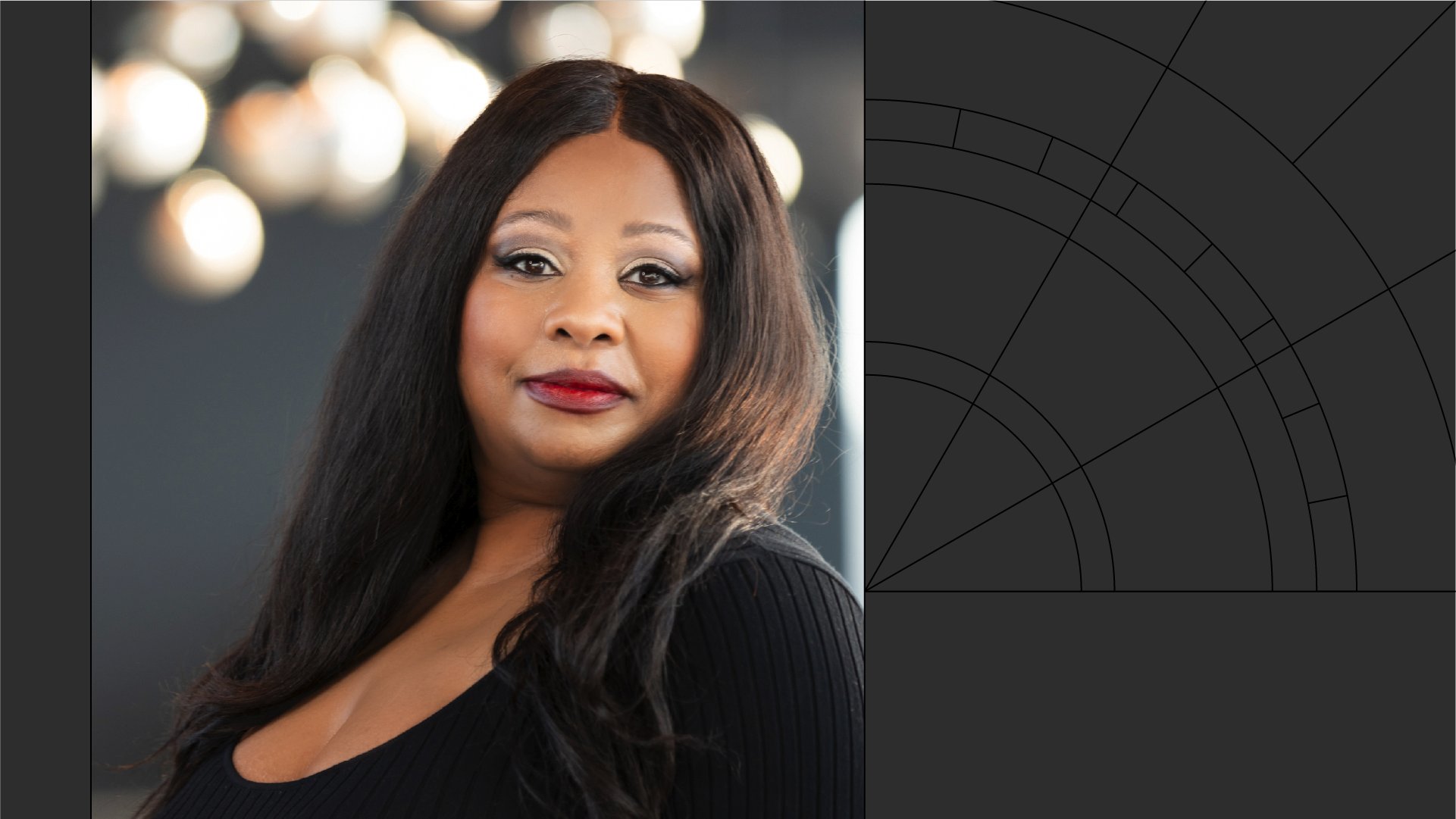
Michele Y. Smith serves as CEO of The Museum of Pop Culture (MOPOP) in Seattle. As a visionary leader and cultural strategist, she redefines the boundaries of the traditional museum. Michele leads innovative programming to resonate with diverse audiences and address contemporary issues. She challenges the status quo, fostering a dynamic environment that prioritizes diversity, equity, inclusion, accessibility, the democratization of philanthropy, and mentorship of emerging leaders.
An internationally recognized leader, Michele has delivered keynotes in Australia, Singapore, and beyond, bringing MOPOP’s mission to global audiences. She shapes impactful narratives and inspires others to think differently about the role of museums in society through op-eds in outlets such as Forbes, Hyperallergic, and Black Enterprise.
Prior to MOPOP, Michele served as Chief Business & Financial Officer at Woodland Park Zoo, where she played a pivotal role in navigating the organization through the challenges of the COVID-19 pandemic.
At MOPOP, Michele is not just preserving the past, but actively shaping the future of cultural dialogue. Her commitment to storytelling, empathy, and collaboration ensures that all voices are honored and celebrated.