Skip to content
Follow Us

Get the best of Capacity Interactive delivered to your inbox.

This field is for validation purposes and should be left unchanged.
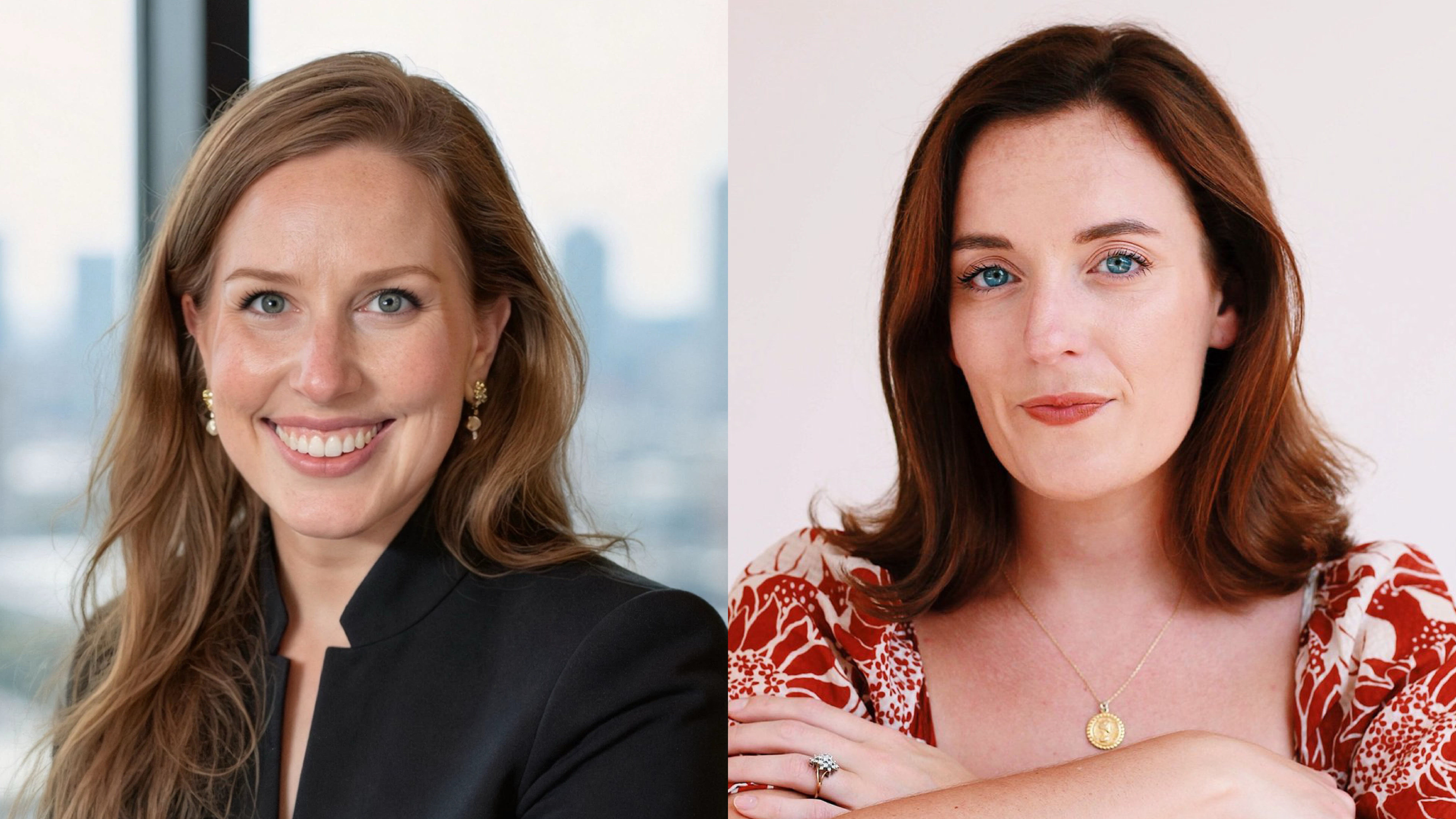
Kate Lumpkin on Casting Masquerade NYC, Building Community, and Trusting Your Audience
Episode 151
estimation...

Kate Lumpkin on Casting Masquerade NYC, Building Community, and Trusting Your Audience

This episode is hosted by Monica Holt. 

0:00 / 0:00

In This Episode

Audiences don’t just want to watch theater; they want to step inside it. Few people understand that better than casting director Kate Lumpkin. Kate has become a go-to voice in immersive performance, shaping productions that dissolve the line between stage and audience. Her latest project? Masquerade NYC: an immersive Phantom of the Opera revival now running Off Broadway. For Kate, immersive work isn’t a trend. It’s a response to what audiences are hungry for: connection, participation, and community. Her vision flips the question from “How do we fill the seats?” to “How do we open the doors wider?”

Monica Holt: Welcome back to CI to Eye. I’m Monica Holt. Most people think casting is about finding the right person for the role. Kate Lumpkin thinks it’s about building creative communities — and that philosophy is helping shape the future of American theater. Kate is the casting director behind Masquerade NYC, the immersive Phantom of the Opera that has six casts performing each night in New York and is redefining what theater can be. Now, she’s cast over 80 theatrical productions, from underground Brooklyn warehouses to Las Vegas spectacles to the upcoming off-Broadway production of Tartuffe starring André De Shields. And as an assistant professor at James Madison University, she’s training the next generation of theater makers for an industry that’s rapidly evolving. But what makes Kate’s story so compelling isn’t just her professional success. It’s her unwavering belief that audition tables don’t have to be barriers, but can instead be places where everyone gathers to create together. That shift in thinking has led to healthier rehearsal rooms and stronger artistic partnerships and those values and the investment in the people around her. Well, that’s been true since I first met her over 20 years ago when we were just two high school kids with Broadway dreams. Today we’re talking about building artistic families, audiences under 40 who are driving theater’s future, and why Kate believes we’re living through one of the most important moments in American theater. Plus, she’ll tell us why every regional theater should consider doing Starlight Express in their parking garage. Let’s dive in. Kate Lumpkin, welcome to CI to Eye. It’s so good to see you.

Kate Lumpkin: Hi Monica.

Monica Holt: I’m so glad you’re here.

Kate Lumpkin: Me too.

Monica Holt: This is a crazy thing. So Kate and I have known each other since high school. Kate is responsible for most of my Broadway education, and so Kate in my mind always seemed destined for New York and destined for the stage. She also loved hearing people’s stories. You were always learning about people. You wanted whole stories, you wanted backgrounds, you wanted the lore. So talk to me a little bit about how this alchemy of knowledge and specificity about what the Broadway world entailed and desire to be a part of it all merged ultimately with the Kate who also deeply cared about every human that she interacted with.

Kate Lumpkin: When I left high school, I knew I was going to go straight to a BFA musical theater conservatory, and right after that I was going to get a job on Broadway and I was going to be hoofing on Broadway until the day that I died. There was nothing else. I look back on that and I think so much of that was because I just didn’t know what other opportunities actually existed in the world of what we do. And so I had gone to New York. I had been an actor. I was doing all of that. I was working with Bill Esper at the William Esper Studio studying Meisner technique. And Meisner is foundational in the practice of listening. Everything about Meisner is like, listen to the other person. Listen to what they’re not saying, and allow then your reaction to come from what you’re seeing, hearing, and what their body is telling you. The practice of listening made me realize that I was more interested in listening than the talking part. And so when I decided I wanted to go back to school, I really was interested in, what is the study of humanity? What is the study of the in-between of the community? And how did those communities get built? And that’s anthropology and that’s folklore, right? That is the stories we tell communities to teach them who they are and to teach those outside of the community who they are as well. And so that’s what I care about, right? At the end of the day, I think commercial theater is what got me into it. I was like, give me a kick line, give me a parwall. I want to hear skrelting for the gods, and I still love that. Let’s be very clear.

Monica Holt: Oh, it’s forever. Forever.

Kate Lumpkin: I will cry, right? But I think as I grew older and realized what was actually calling me about that was not the shiny, shiny of the kick line, it was the folks holding each other’s backs as they did it, and why our industry feels so much more like a community than so many other industries that exist.

Monica Holt: That actually raises one of the questions I had for you, which is, when you were pursuing your degree in cultural anthropology, did you already know that you wanted to apply that lens in casting, directing, education spaces or did that happen after as you emerged from school?

Kate Lumpkin: It happened after I was in college. I got a job at National Geographic and I was working at Nat Geo and after about six months of that, I was like, God, I have to get back. And so I knew though if I was going to go back, I didn’t want to go back in the same way that I had before. It wouldn’t serve me in the way that I wanted to because for me, my experiences in auditions? Not it. They were not healthy, they were not great. And I also really wasn’t liking the pictures I was seeing on stage, the bodies I was seeing on stage, the identities I was seeing. It was so repetitive. It was so white, it was so homogenous that I was so interested in that. So I think I kind of took that anthropology into Nat Geo where I learned a lot in that space and then decided I’m going to go back and do casting.

Monica Holt: Would you talk a little bit about how looking at the whole human became part of your initial approach to running a casting room and how that’s evolved over time?

Kate Lumpkin: I mean, I remember even before I met you, I was auditioning. I was like a child actor noodle doing all the things. And I remember when I was a kid, I was probably about 10 years old. I was auditioning in New York for a production of the Sound of Music. And I had been called back multiple times and I just remember being in the room and overhearing someone say, she’s far too fat. I don’t even know how she got this far. About me! I was 10. And I am now almost 40 years old and I can still feel it. I remember what studio I was in, I remember where I was standing. It shook with me to my core and created a worldview for me that has impacted so many things in my life. And I think I knew when I went back into casting, that was common practice in so many different ways. Not the saying of that, but the concept that we were not actually looking at people, but we were looking at product in space. And that doesn’t mean that we’re not creating a product. We are. Right? And it doesn’t mean that all the pieces in it are not a part of that, but I really felt like there was a lack of remembering the humanity and honoring the humanity of the space. And I think part of that is because commercial theater is expensive and renting studios for people to audition in is expensive. And so we’ve got to move fast. We’ve got to make it a machine. We’ve got to do the thing. And I respect that. I get it. And there is a way to honor humanity while moving quickly. And so I think when I came back into casting, I really knew that’s how I wanted to lead.

Monica Holt: One thing that I remember you talking about earlier in your casting career is this idea that there is no other side of the table and that you just think about the table as a place where you’re all gathering. And the magic that can come from that, it changes the lens and can really open up a whole new level of freedom of expression and safety. The way you talk about that is so encouraging in a space that oftentimes feels gate kept.

Kate Lumpkin: Yeah, we talk about this table. Tables in all societies, right? We’re going to get back to anthropology. Tables are a space of communion. Tables are a place of community, and we’re using it as a wall. So if you want to say I’m on the other side, then call it what it is, call it out for what it is and say, I am separate from you. Do not try to lie. People can read it in a room. I think about the Knights of the Round Table. I think of these places where people come together to put their weapons down and make. That’s a table. That is what that is. And so when people say I’m on the other side of it, I’m like, what side of it? It’s round, it’s square. It’s a place we all meet. And so with casting, a big part of what I wanted to do was let people know what the heck this art form is. In general, I think people have decided that all casting directors are the villain. That’s okay. I can be the villain in your story if I need to be, but I won’t be if you know what we actually do. And so a big part of what I wanted to do is demystify the role of a casting director, as I quite frankly was learning how to do it. I didn’t know it’s an apprentice based business. I had to learn through doing. And as I was learning, I was like, I want to use social media to share what this job is. I want to educate people on what this job is, and I want to give people an opportunity to practice in a really cost effective way.

Monica Holt: Do you remember what some of the first projects you were casting for were?

Kate Lumpkin: Oh, for sure. My first casting job was in a small theatrical office and I was a casting assistant. And then my boss went to Italy and there was a project that I had been kind of assisting on, and he was like, okay, well I’m leaving. You’re going to be running the room. The first room I ever ran was for a Kerrigan and Lowdermilk musical called The Bad Years, which turned into my first immersive piece of theater, which has led to my entire career. So I always am so grateful that that man decided to go to Italy. In that room, in Pearl Studios, I met Kerrigan and Lowdermilk, which I have worked with them now for quite a long time. And it was a young show. It was a show about a bunch of people who are late high school, early college. So I was meeting my peers, who were interesting and excited people who were doing pop rock musicals at the time, people who were interested in weird immersive Brooklyn stuff. And I loved being in that room and I have loved growing up with those people. And we are still making art together. So many of us that worked on the bad years are still making art. In fact, the show I’m working on right now, Masquerade, the producers of The Bad Years are the general managers of Masquerade. We’ve been doing this now for almost 15 years together and we have grown up together and we continue to make together. And so that show, actually the first big casting credit I have, was a show that changed my whole life.

Monica Holt: To your point about say yes, just say yes and do your thing and you don’t know what’ll come.

Kate Lumpkin: And the truth is, Monica, I had no idea what I was doing. I had never led a room before. I had never even been in the room before because I was a casting assistant. So I had been setting up auditions, I had been monitoring, I had never run a room, but I was like, here we go. I got to try some time. And saying yes, and walking into that room and running it truly fundamentally set off every domino for the rest of my career. It’s bananas.

Monica Holt: It’s bananas. And what was it like just watching the immersive field grow from The Bad Years all the way to where we are now and who knows where we’re going in the future? What is it like to have a front row seat to that? And what do you think was captivating people and what surprised you about it?

Kate Lumpkin: I think the coolest thing is that people have always wanted it. That was, I think, the most interesting thing, is that there are people who have always wanted to step into the art. And we see this in cosplay, we see this in LARPing, we see this that people who are not professional actors, they want to be a part of it. They want to experience everything. They want to talk to the characters, they want to be a part of it. That has always existed, that market has been there and has been champing at the bit for experience. So what I will say is like, producers haven’t always understood it. Sometimes it’s hard to get people to write a check if they haven’t seen it work, but when tickets went on sale for The Bad Years, it had many iterations. The first iteration was kind of in a loft. The second iteration was in a warehouse in Brooklyn. The show takes place at a house party, in essence, in the suburbs. And so a house was built inside a Brooklyn warehouse that then people were invited to this backyard house party. And I just remember people walking around with iPads talking about Ableton and how they were going to make it work in different rooms. And I was like, this is wild. And I was working on the marketing team at that point and casting and doing all these things because we all had 19 jobs to try to make something that had never been made before work. So I remember I had an earpiece in, and I’m running the line outside of the warehouse while a fire marshal’s being called because we didn’t get the fire marshal credential in time for the — it was mayhem.

Monica Holt: And a bunch of people in their twenties trying to make something that they had never seen before. And when it hit? God, there was a number at the end of the show where everyone was just jumping. Everyone who came to see it was jumping up and down together and singing together. And there’s this video of a guitar in the air just pumping with these lights and you see people crying and people had never experienced anything like it. And then they walk out and they go to artichoke pizza and they get a slice and they get on the G train and they go home. It was so cool to see all of those different things and then to now be working in this space where it’s happening in Las Vegas and it’s happening in New York, in this kind of huge, off Broadway way, it’s been so cool to watch the people who are willing to struggle to make the art thrive now be in a place where it’s not… it’s not not a struggle, but they were willing to throw down for so long that now it’s like the roses are growing. And now, I mean, it’s built on the hustle of all of you all who created The Bad Years and who created experiences like that back when there wasn’t — were more questions than answers when folks thought it was too risky. And now it feels like it’s everywhere in all different forms and qualities. You’ve also I think become the go-to for what a lot of these experiences require from a casting perspective, because it’s not as straightforward as a proscenium presentation, both in what is required of any given role, but also what the makeup is behind the scenes. How do you compare the experiences of casting for a standard classic or contemporary musical or play versus a 360 immersive experience?

Kate Lumpkin: So I think a couple things. First and foremost, even just you using the word standard means everyone has an understanding of what they’re signing up for when they do that. So a big part of the casting and contracting is just explaining what it is that you’re actually signing up to do. Even if you’ve gone through the whole audition process, it’s like, no, no, no. Let me be very clear. One more time. You’re going to be running up and down six flights of stairs. You’re all going to be sharing a dressing room, depending on what the project is. A lot of the things just are inherently different and people who haven’t done it don’t know. The other piece is, so many actors get very used to acting in a space that has a balcony, and you have been taught to project in a certain way and perform in a certain way and cheat out, and all of these things that you’re taught and in your classes, and immersive theater is so different than that. In many processes that I’ve worked on, you have to do a scene and then you have to look at someone and say, okay, great. Now pretend you’re in a room with 12 people and you have to do the exact same scene we just did, but there’s a person a foot away from you, and you have to know they’re there but not know they’re there. Stay focused on the thing that you’re doing, and it has to feel really intimate. And a lot of actors clearly are capable of this, but that muscle has never been stretched. And so my job is kind of like, how do we run a standard, normal musical theater audition, let’s say with the standard kind of big three, singing, dancing, and acting? Then how do we create something that serves the creative team to let them know how these humans will work in an immersive environment? And then how do we also take care of the actors and their representation to make sure they actually know when they sign that contract what they have signed up for? And so those two other buckets are big additional steps that you don’t normally have to do when you’re just like, no, it’s a private contract. You’re going to be at the Majestic Theater and you’ll have your dressing room on the second floor. People know what that is, but when you’re doing a house musical in a Brooklyn warehouse, it’s a different experience to explain to someone as well and to create a room that shows you what you would need in that space.

Monica Holt: Yes, and I think casting directors are often kind of positioned as translators between the creative team and the actors and folks joining. As you’re creating that kind of creative family, I imagine that work is tenfold with what you’re describing in something like this. And again, your background and your education really, I think, serves that translation skill well.

Kate Lumpkin: Yeah, I think it’s this interesting combination of, like I was saying, the Meisner technique of listening and being present and reacting mixed with — that kind of anthropological sense really is super helpful when you’re also thinking, people hire me a lot and they say they hire me because I’m really good at finding people who are good on the bus, quote unquote. Which goes to touring lingo. Like, who’s somebody who might be good on the bus? Someone who will show up on time, who’s going to be a good citizen of the company, who’s going to be there? And so a lot of times I’m hired because I’m really good at finding really hard challenging finds, and because the people I find I really — we lovingly say in my office, we don’t hire assholes. So that’s also a big part of immersive is trying to make sure you get a group of humans who are all ready to play in the same game. It’s not even just making sure we’re all playing the same sport, but making sure that we are in the same exact game, in the same arena with the same players and that everyone is going to work together because it’s really challenging, really physical, really intimate, really personal.

Monica Holt: But that’s great hiring advice across the board. I mean, good on the bus. That’s a term that we should all be using all the time. Since we’re talking about immersive…

Kate Lumpkin: Yeah?

Monica Holt: There’s one big project you’ve mentioned: Masquerade, Off Broadway in New York. A huge endeavor. Certainly different, I would imagine, in scale than The Bad Years, although the hustle might be the same. I was lucky enough to go see it last week. It’s gorgeously done. Gorgeously sung. The casting is astounding just from a quality standpoint, but oh my God, the complexity of this show, the way I want to see the stage manager’s script, the way that I want to have a behind the scenes view of every room and how it all works and is turned over. I’ll let Kate explain, but there are six different casts every night doing the show. I said that — six different casts of essentially Phantom of the Opera. So Kate, could you tell us a little bit about the concept of Masquerade and how you approach casting something that, as you said, you’re going to have to do a lot of translating for, but also you’re probably going to need about 3000 Excel spreadsheets to understand how it all knits together?

Kate Lumpkin: The spreadsheets are my favorite thing. Yeah, I mean, I think, so I got a prep call that I was being considered for the project, and everything inside of me started to buzz out of fear. And that’s when I knew I must fight to do this. If something is this scary, I have to do it and I have to find a way to do it. So I did everything in my power to try to convince the producers and Diane Paulus to choose me to work on this project. And for some reason they said yes, and I am forever grateful to them for having me be a part of this process. And it was so hard. My body was right when it was like buzzing with fear because it just hasn’t been done like this before, especially for a musical and a musical that everybody has some knowledge of. I would say up there with Hamilton, this is one of those musicals that people just know. They hear that, and you know what it is, which is so cool and so scary when you have to hold that weight as you start a project. We were doing it in a different way. That’s what I think is so beautiful about this project is, its Phantom, but it’s also its own creation from Diane’s brilliant mind. And so when they approached me and said, there are going to be multiple companies, I was like, okay. And then when it was like, we think there are going to be six companies and coverage, I was like, ah! Sir Andrew Lloyd Webber wrote a very challenging piece of music that you have to have a very specific style of instrument to navigate, and there’s an expectation of what that instrument is going to sound like. That already is hard, but the hardest part, actually — there are six shows. They start 15 minutes after each other. So some people are doing multiple shows a night, i.e., they are an ensemble member who does their track for all six shows or three of the shows or whatever. Then to have to find nine to 10 people to play the role, including the six who are doing it, and then all the covers who also, by the way, are covering those roles and have to play other things in the show every night was just really, really challenging to figure out. Also, throughout this process, who was going to cover — what rooms people could be in to be able to play this thing and then also play this thing. But we were also doing it under the veil of secrecy, which made it even harder. We couldn’t actually talk about what show we were working on for so many reasons that are valid and important. So I was also trying to convince agents to send me people for this untitled project that was immersive, and they know me. So they thought this was like underground EDM, like shwack shwack boom in a Brooklyn basement. And I was like, no, no. I promise this is real. This is —

Monica Holt: It’ll be worth it.

Kate Lumpkin: This is a big thing! Tony Award-winning creative team! And so I think it stretched every single piece of my business and my creative and my directorial brain, all of these pieces to build what this world is and also to make sure they be good on the bus because this was the first time. Think about it, that means during rehearsals you have six men who are playing the Phantom and two covers in a room together learning the same role. And that could have been an egotistical mess if you just think about it. And they’re like a brotherhood. They are all good on the bus. It’s the same. All of these people who are playing the same role at the same time, they’re sharing that role and there’s such a respect for it. So we also really were looking for people who felt comfortable doing that. And that’s not everybody. That’s hard. That is hard to let that go. So yeah, it was complicated.

Monica Holt: Folks, like it or not, have a predetermined idea of what they think a cast of Phantom of the Opera should be, particularly if they’ve seen it before, particularly if they’ve seen it on Broadway or the movie or what have you. So talk a little bit about how the lens along with the rest of your creative team was applied into a space where you have a pretty constrained set of needs for these roles because of the immersive, but you also have an opportunity to have six casts that can maybe sound, look, feel different from each other. They don’t have to be mirror images of each other throughout the night. And this idea that you can uphold identity in spaces that maybe haven’t had that type of freedom before. How did you tackle that for a product like this?

Kate Lumpkin: Yeah, I mean, I think part of the reason why I got this job is because I was like, if you hire me, this is not going to look like it has in the past. This is a really incredible opportunity to allow a myriad of different perspectives to come into play here. And so if we’re being really honest and we just look back, the fact that I can name the five performers of color who have played a Christine Daaé or a Phantom or Raul on Broadway, that makes me sad that in 30 years of actors I can just be like, oh, here they are and name them. And so something that I was really passionate about and that Diane was really passionate about, was making sure that this world was inhabited by so many different identities and personhoods and ages, and we have just a beautiful array of humanity telling the story in very different ways. And this is, to my knowledge, the first time that we have three people of color leading the production every night in New York City where we have a black Christine, an Asian Phantom, and a Latinx Raul. And that’s just one of the six companies. So that to me makes me so proud. You go to see this show and you actually see the world that exists around you, and the casting director has the opportunity to open doors. We don’t get to make final decisions, but we sure get to open doors. And so when you are given a project like this, to be given the agency by the creative team to make suggestions that maybe other people might not have considered in the past, it was an incredible gift. And I think that it has been really beautiful to see the response to just so many different pieces of identity. Not just race, but body and age and just personhood in general has been really cool. And I’m very, very proud of where we landed with this company.

Monica Holt: You should be. Also, it gives people a great excuse to go see it more than once to experience.

Kate Lumpkin: I keep telling them, I think we should do a punch card where if you see all the [casts], you get something special.

Monica Holt: I love that.

Kate Lumpkin: It feels a little like going to a pizza restaurant, so maybe not.

Monica Holt: Listen, we should all be so lucky if our local pizza restaurant takes us through a full Andrew Lloyd Webber phenomenon on our way.

Kate Lumpkin: That’s our next project. Immersive Pizza Hut.

Monica Holt: Yeah, Immersive Pizza Phantom. What does it feel like to be part of the Andrew Lloyd Webber renaissance?

Kate Lumpkin: Monica. We started this conversation by saying I was your neuro-spicy 14-year-old friend who was obsessed with things. So what the listeners at home don’t know is that my house and life, my office, all of these things, are basically like a museum of Broadway. I have been a collector of things, set pieces, all of these things, my whole life. And so two of my most prized possessions are the original Coke can from the set of Cats on Broadway, and Christine Daaé’s pointe shoes from one of the original companies in the eighties signed by the whole cast. I love Andrew Lloyd Webber. I am unabashedly the biggest fan of even By Jeeves and The Beautiful Game, all of these things.

Monica Holt: All deep cuts. Deep cuts.

Kate Lumpkin: Deep cuts! Deep cuts. I’m not just giving you Joseph here, friends, we’re going back to By Jeeves. I love Andrew’s work. And so to have this moment where — I’m also an educator, I’m also a professor, and my students are discovering Andrew Lloyd Webber for the first time because of this renaissance. And they’re coming in and they’re so excited about Evita. It’s so beautiful to have someone like Rachel Zegler coming in and bringing this whole new generation of people into these gorgeous, lush, unabashedly big, beautiful stories. And something that I love about Lloyd Webber’s work is that it’s full of feeling. No one writes feeling. You can’t listen to it and not be overwhelmed by love or overwhelmed by fear or

Monica Holt: Or fully radicalized by the new production of Evita.

Kate Lumpkin: There you go. You feel it always. When I’m teaching my students, I say, you feel Lloyd Webber in your sternum. It just cracks it open. And I think even people who are not super fans can admit that even if it’s not their favorite music or they don’t listen to it all the time, that it’s a wallop when you hear it of sound. And so to even be the tiniest part of this moment is insane. 16-year-old Kate is crying every night just kicking her little feetsies in her bed, like, how did we get here? And it’s just really cool to think if I do nothing else after this, I was a part of a very special, important, landscape-changing piece of art.

Monica Holt: Yeah, that’s right. And also just the relevancy piece of the renaissance is what I find fascinating because with each of these Andrew Lloyd Webber shows that are having this moment, there is something experiential about each one, whether it’s the Jellicle Ball and the way that you’re just geared up in that audience and you are part of the ball, even if you’re sitting in your pretty chair… Obviously Masquerade, you are in the world. You are part of the story. You are watching Christine get the Think of Me solo right in front of you.

Kate Lumpkin: Sunset Boulevard and Evita bring it to the people!

Monica Holt: I know. This is my big thing is Evita is saying eight things at once with that scene. And even the people at the beginning who were unsure about that choice, I think have come around because you realize, again, you are creating broader communities, you are inviting more people into the story, into the art form, and it feels so important. And I love that it is happening with this wall of music and emotion that comes with every show that Andrew Lloyd Webber creates. And it’s spectacular. And to think about your students learning about this… So I’d love to talk about the work that you’re doing at JMU. You’re an assistant professor there. You are teaching, you are mentoring, you are directing, you are bringing all of your knowledge into a room, but you are also probably getting a lot from being with the next generation that rises. So talk to me a little bit first about how you decided to engage in coming back into the education space from this professorial lens and what that meant to you and how you kind of grappled with that choice alongside all of your other commitments.

Kate Lumpkin: Yeah, I mean, I think like everyone else in the arts, COVID was a massive moment of reflection and reinvention. When that happened, I mean, I lost 22 contracts in 24 hours and within the first two months we had to disband my office. It was awful. And luckily something that I had done prior to COVID — I’d been so fortunate because of my casting career to go to a lot of colleges and do masterclasses and teach in that way. I worked for a company called the Broadway Collective where I was the head of education and was touring around the country and teaching masterclasses. And I love it. I love it. And so after the first year of COVID, I got a call from someone who was working at James Madison University that they were doing a production of Once and needed a director choreographer. And I knew this person and they knew that that was my favorite show, my dream show. I’ve always wanted to direct it. So they were like, Hey, what are you doing? And I was like, exactly nothing. What are you doing? They were like, do you want to come make this thing? You have total agency, you would be directing and choreographing. You could build whatever you wanted. And I said, sign me up. When I got here and got to work with these students, I was like, oh, this whole chamber of my heart had been empty that I didn’t even know. My whole body was running and my heart was working, but there was a whole piece that was not full. And when I got here, I was like, okay, I have to find a way to get blood pumping in there all the time. And luckily while I was here, someone got another job and left. And so they were like, hey, you’re going to be here anyways, making this show. You want to teach a few classes as a visiting professor? And I was like, okay. And once I did that, I mean, it was a done deal. So I applied for a position and I was like, look, I’m not going to give up my business. I’m not going to give up this career that I have and these things that I want, but I want to find a way to make them work. Because also I think that our education system for the arts needs a reboot in a big way. And my experience in — I started in an undergrad program and I left because it was very unhealthy for me. I wanted to create spaces where people could learn in a healthy, holistic way. I wanted to provide real education about what’s happening in the industry right now by someone who’s still doing the thing, not someone who did it 20 years ago. And also I find that I am better at my career in New York because I get to work with my students all the time and hear what they like, see what they’re interested in, talk to them about their lives. It makes me better at the commercial entity that I’m doing outside of the educational entity. It all feeds each other, which is why I think every regional theater must have an educational department and must do educational outreach because your theater will be better if you are in a space where you are learning from the next generation of theater makers.

Monica Holt: Yeah, looking to the next generation feels very important. It also seems very important for the specific work you are doing to also be able to craft a little bit about the expectations. How are you good on the bus? How can you be instilling that in folks from a really young age in a way that traditional conservatories in the past 20 years I think were kind of ignoring, right? That wasn’t the focus, certainly.

Kate Lumpkin: No, not at all. But I also wish that we were providing a space for more people who are professional artists to be able to work consistently in higher education as well, to not just come be a guest artist, but be embedded in the fabric of higher education so that we are continuing to teach what can be instead of what was.

Monica Holt: Yeah. We’ve really made a point of talking about a lot in the past few episodes, the idea that artists defy categorization and our systems are set up in a way that say, you are an artist who does X and this program is for that art form, and therefore you are an artist of that art form.

Kate Lumpkin: And if you think you want to do anything else, then go do that instead.

Monica Holt: Exactly. Either or, not and. So I’m curious, how do you encourage that kind of multihyphenate life for artists and thinking beyond silos with folks who are just getting started in what their careers could be?

Kate Lumpkin: I think that it is truly just a reminder that if you are siloed, you do not work anymore. And so I try to remind my students that if that’s the case, we have to be multi-makers. We have to create so many different avenues for our art and that it doesn’t make you less than, it makes you a richer, more full, more complete human and artist as you explore all the different facets of who you are. And the more things that you’re passionate about that you lean into, the more opportunities you have to be a better, more brilliant version of yourself. And that took me forever to accept because that was not at all what was taught to me. And once I started learning like, oh, I can leave that if it’s not serving me and I can walk away and do this thing and then come back and use the information and the knowledge and the cool things that I learned over here back in my art and it’s probably going to make me have a better job. All of those things are so apparent right now and in our faces that it is becoming easier to teach that too.

Monica Holt: That’s great to hear. And I think that’s right. So what are your students teaching you right now that you wish more people would listen to?

Kate Lumpkin: I think mostly what they teach me all the time is just the power of community. We’re doing something very right here. I feel very positive about the way that our students treat each other, talk to each other, love each other, make together. It is mind blowing the power of the community together. It is nice to be around artists who are excited to make still, and that is what I think makes me better at my job in New York. There’s no one who’s jaded here. They’re still learning, they’re still growing. They still want this because they care about this, not because they care about the prestige or they care about the awards. There are no awards to be won. They are doing it because they like singing. They’re doing it because they like the feeling in their body when they dance. And so it is nice to be around that energy all the time. And honestly, I think that kind of goes back to the immersive of it all and why I think that is so important and why I think it is the future of what we’re doing. We have the best proscenium theater in the world streaming in our hand every day. It’s called TV and film. We have the best actors of every generation making these beautiful stories that we cannot walk into, that we cannot be present in. And we have access to those all the time. What we don’t have is the ability to step into that movie and be a part of it and feel it and touch it and smell it. And a proscenium is beautiful, but doesn’t always give you that. And so I think when you ask what I’m learning from my students, it’s that I am learning from them: I want to be in it. I want to be a part of it. I want the churchgoing of a theatrical experience, which feels different in 2025 than it did in 1975. They are teaching me to meet the moment. That is what they are teaching me.

Monica Holt: Are there things that you’d like to see more theaters or performing arts centers doing in their spaces to help create that sort of experiential notion?

Kate Lumpkin: I think that we need to trust that audiences are excited about experiencing something new. So someone asked me the other day, what would you do if you had to take over a regional theater? And I was like, I would try to find a way to put my audience on the stage and my actors in the seats. That would be the first thing I would try to do.

Monica Holt: Love that.

Kate Lumpkin: Flip the theater. You say you can’t do immersive theater. Have you tried? You say you can’t fit something in this theatrical space. Says who? It might not look like Masquerade NYC, but there are so many different areas, crevices, places, things that you can use. Why not? Do you have a parking deck? What if you did a show in your parking deck? What does that look like? Who says you can’t do Starlight Express in your parking deck? There are so many —

Monica Holt: Brilliant.

Kate Lumpkin: — and that might sound asinine to people listening to this, and that’s fine by me. Let me be asinine, let you have the better idea. But I think that we put so many limitations on our spaces when really there are ways to open those doors and play that you just haven’t tried. And there are audiences who are excited to do that. Tap into your local communities of people who are playing D&D, who are LARPing, who are cosplayers, who are theatermakers, and other avenues, and bring them into your space. Ask them what they want. How can they be a part of the making that you are doing? Community outreach for people who are already doing creative play. How do we bring them into their spaces and their communities into your spaces and build from there instead of just ticket subscribers who have always been there for generations. Who are the people who are actively playing right now outside of your space, and how can you make them play inside in a new way?

Monica Holt: Open your doors and play.

Kate Lumpkin: I mean, it sounds so silly, but isn’t that what the whole point is?

Monica Holt: No, it doesn’t sound silly at all. And it is the whole point. It’s joy and community. That’s what it’s always going to come back to. Okay. Our quickfire culture questions are next.

Kate Lumpkin: Oh my gosh. Oh my gosh. These are my favorite. Okay.

Monica Holt: Are you ready?

Kate Lumpkin: I dunno. We’ll try.

Monica Holt: Okay. What is one piece of culture you’re currently obsessing over?

Kate Lumpkin: Okay, a couple things. I’m currently obsessing — I’m rewatching Downton Abbey because I’m so excited about the final movie that’s coming out. Think about that what you will. I am currently unabashedly obsessed with Masquerade NYC. I know I’m a part of it, but I am obsessed with it.

Monica Holt: We love. We stan.

Kate Lumpkin: And I’m also really excited about this cultural moment of going outside. The renaissance of being outside.

Monica Holt: Being outdoors. We love her. It’s also so interesting. Several folks have mentioned one of the things they’re currently obsessed over is a show that they’re rewatching or like an older show that they’re watching right now. And obviously all I do is rewatch shows that I love because I have anxiety, and that’s a very soothing process when you know how it’s going to end. And I wonder if that is true of more people, that it’s not just the comfort of, you know, like it, it’s not actually about taking risks. It’s more about, I know how it ends and we are in a moment right now where I think I’ve never known less what’s going to happen tomorrow, next week, in five minutes, in five years. Downton Abbey is a great rewatch though.

Kate Lumpkin: I think I also, I love period dramas and I rewatch them all the time. And I think it is for that reason. I know how it’s going to end. But also the problems are very different, but they still exist. And the thing that is always persistent is passion and family and community in all of them. And that has been there forever. Are we nervous about in the gilded age that the trains are coming? Yes. But really is the gilded age about the trains? No, it’s about the people. And so I also am really drawn to period dramas that remind me. It’s just about the people. Focus on the people in your life.

Monica Holt: If you could go back in time, what is one performance or event that you would want to be present at?

Kate Lumpkin: Monica… This list is like 30 long for me. I would love to have been present to see Audra McDonald in Carousel in that production of the 1994 Lincoln Center production of Carousel. And to witness the newness of her doing that. Oh, I would’ve just died to have seen that. I would’ve loved to have seen Julie Andrews in The Boyfriend and the newness of Julie Andrews in that piece and who is this human being. Also, I would’ve loved to have been at the very first performance of Wicked on Broadway. And just to hear that and to feel the audience be like, what are we about to see?

Monica Holt: How much are we going to cry when they actually sing For Good in Part Two on our screen? Because I’m already crying about it.

Kate Lumpkin: I can’t talk about it Monica. I’m not ready. I’m not ready.

Monica Holt: What is one free resource that can be applicable to any field — it doesn’t have to be theater — that everyone should check out?

Kate Lumpkin: Their local public library. If you have not been to your local public library since you were a child, the time has come, the walrus said, to get your booty to your local public library. Get yourself a library card to prove that they are still incredibly important cultural centers for every local community. Get to your local public library, get a book, check it out, sit there. Enjoy the space. Look at all of the other educational resources they have, the classes they have. The people who run those spaces are the backbones of your community and you should engage with them. Don’t forget they exist.

Monica Holt: Well said. The time has come for your CI to Eye Moment. If you could broadcast one message to boards, executive directors, leadership teams, and staffs of thousands of arts organizations right now, what would that message be?

Kate Lumpkin: People are desperate for art and people are desperate. So now is the time to find ways to bring your art to the people and remind them that it is the thread to our humanity. It is the thing that will save the polarization of this country, and it’s the thing that will save all of us. But if we keep it behind doors and we keep it in price points where people have no access to it, we will continue to rip. And I think now is the time to sow. So find a way to open your doors and make sure that the art that you are creating is actually consumable.

Monica Holt: Bravo, Kate. Thank you. Thank you for the time, but also thank you for being a fundamental part of my life.

Kate Lumpkin: Thanks for teaching me about A Chorus Line when we were 14 years old. The one show I knew nothing about.

Monica Holt: That’s a big win for me that I told you about Chorus Line. She told me about literally everything else, but that’s the one thing I’m going to hold onto.

Kate Lumpkin: She said, have you ever heard of this show? I don’t know how I hadn’t, but thank God for Monica.

Monica Holt: Thank God. All right. Thank you. Love you.

Kate Lumpkin: Love you.

Monica Holt: Thank you for listening to CI to Eye with Monica Holt. If you enjoyed today’s conversation, please take a moment to rate us or leave a review. A nice comment goes a long way in helping other people discover the show and hear from leaders in the arts and beyond. If you haven’t already, please click the subscribe button wherever you get your podcasts. We’ve got some pretty incredible episodes coming your way, and I wouldn’t want you to miss them. This episode was edited and produced by Karen McConarty and co-written by Karen McConarty and myself, Monica Holt. Stephanie Medina and Jess Berube are our incredible designers and video editors. Our music is by whoisuzo. Don’t forget to follow CI on Facebook, Instagram, LinkedIn, YouTube, and TikTok for regular content to help you market smarter. You can also sign up for CI’s newsletter at capacityinteractive.com and you’ll never miss an update and you can always reach out to let us know who you’d like to hear next from on CI to Eye.


About Our Guests
Kate Lumpkin
Kate Lumpkin
Founder and Lead Casting Director, Kate Lumpkin Casting, CSA

Recently named one of the Broadway Women’s Fund’s ” 50 Women to Watch on Broadway,” Kate Lumpkin (she/her) is the Founder of and Lead Casting Director at Kate Lumpkin Casting, CSA. Collectively, as a casting professional, she has worked on over 40 TV/Film productions and 90 theatrical productions in New York City and across the USA including shows at The Kennedy Center, The Actors Theatre of Louisville, The A.R.T, NYTW, and most recently, Andrew Lloyd Webber’s Masquerade.

Kate is also a Director/Choreographer and teaches workshops in New York and at numerous Colleges + Universities. She is an Assistant Professor of Musical Theatre at James Madison University. She has a degree in Anthropology and Folklore from Indiana University and is a graduate of the acting program at the William Esper Studios in NYC.

Read more

Related Episodes

Babatunde Akinboboye on Hip Hopera, Authenticity, and Letting Audiences Lead
EP 154
Oct 16, 2025
estimation...
Babatunde Akinboboye on Hip Hopera, Authenticity, and Letting Audiences Lead

Reimagining a centuries-old art form takes more than talent; it takes courage, curiosity, and a deep belief that tradition can evolve. Few embody that spirit like Babatunde Akinboboye.

A classically trained baritone and viral “hip hopera” artist, Babatunde is redefining what opera can sound like—and who it’s for. His mashups of rap and arias have captivated millions online, and garnered attention from The Ellen Show, America’s Got Talent and TIME Magazine. He’s now channeling that distinctive style into his upcoming debut album.

In this episode, Babatunde shares how he discovered opera by chance, what it took to find his artistic voice in a space that didn’t always reflect him, and how blending genres can make opera feel newly accessible. He also offers insight into building genuine audience connections and broadening ideas of what great music can be.

Tom Gabbard on Cultivating Creative Cities and Building Space for Innovation
EP 153
Oct 09, 2025
estimation...
Tom Gabbard on Cultivating Creative Cities and Building Space for Innovation

Can a performing arts center change the identity of a city? Tom Gabbard has spent more than two decades proving it can as CEO of Blumenthal Arts in Charlotte, NC.

Under his leadership, Blumenthal has grown from a regional performing arts center into a national force. The organization not only ranks among North America’s Top 10 markets for touring Broadway shows, but also fosters experimental projects in Blume Studios, a 44,000-square-foot “arts R&D lab” that pushes beyond traditional stages.

In this episode, Tom reflects on how he balances commercial success with cultural mission, programs with local artists and community needs in mind, and pilots immersive experiences that redefine what arts participation can look like.

Don’t Miss an episode

Don’t Miss an episode

Subscribe to CI to Eye and have your insight and motivation delivered on demand.

TUNE IN