Skip to content

Resources /  Podcast

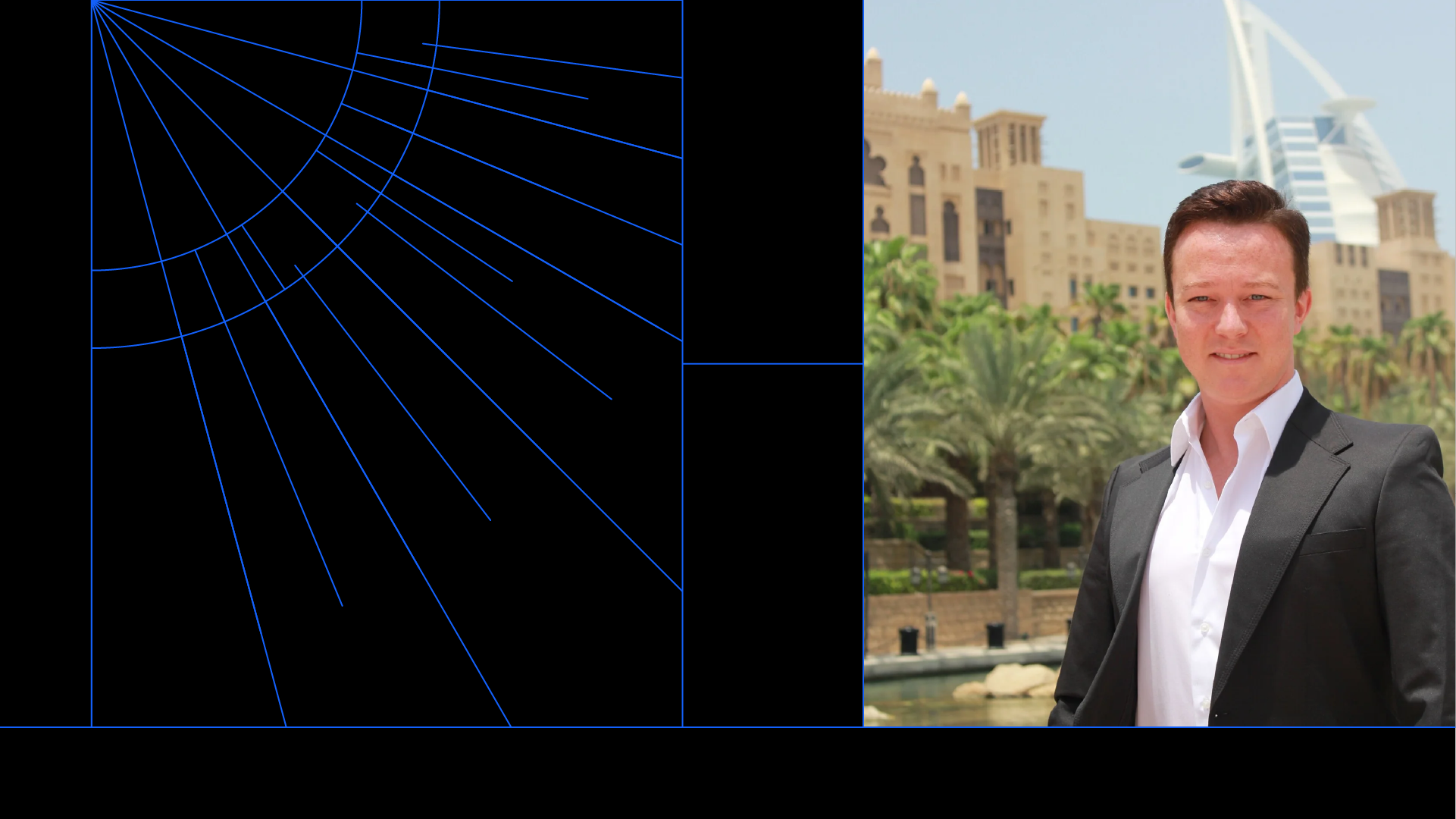
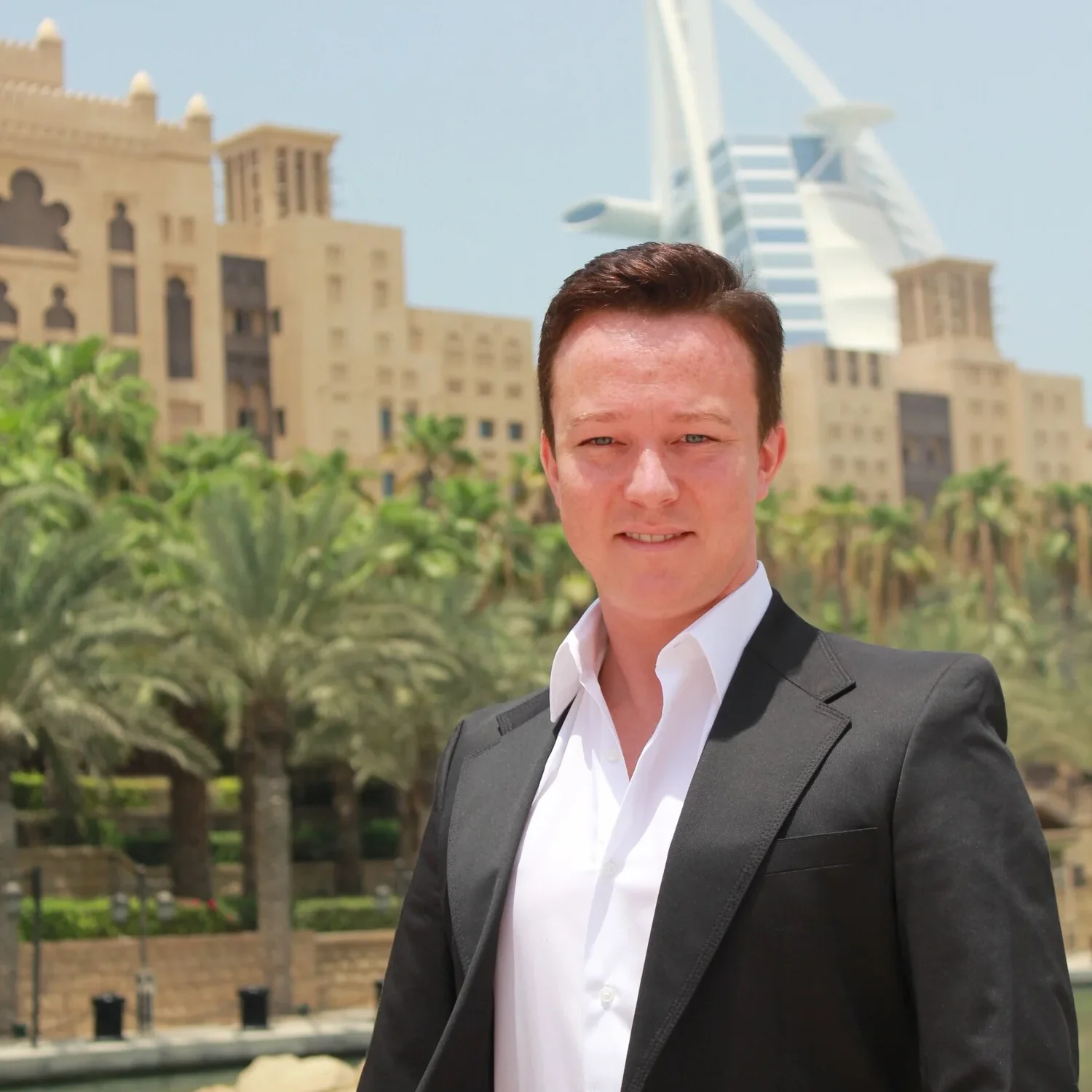
Joseph Fowler, Head of Arts & Culture at the World Economic Forum

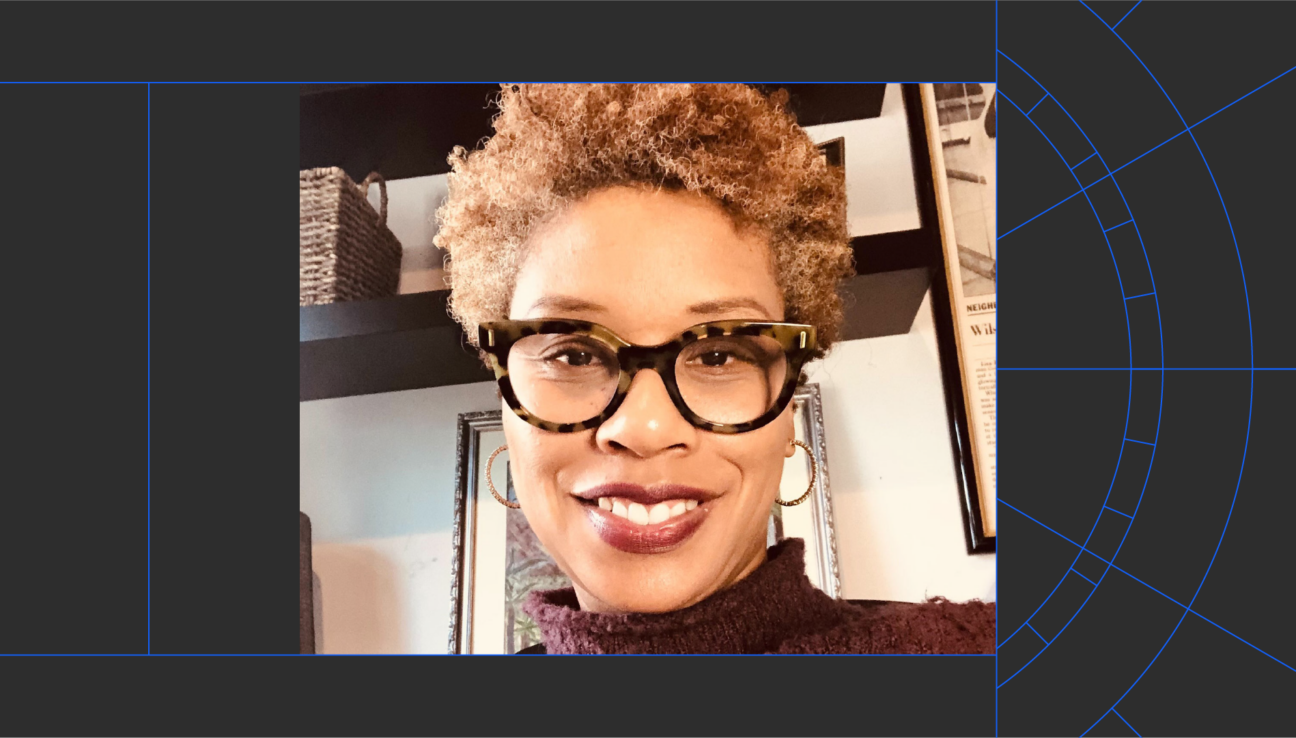
This episode is hosted by Monica Holt.

--:--:--
Ep 191
0:00 / 0:00
Tune In

IN THIS EPISODE

What changes when artists aren’t simply invited to perform, but are given a seat at the table where ideas, policies, and solutions take shape?

Joseph Fowler has spent his career moving between artistic disciplines, institutions, and cultural ecosystems around the world. After training at The Royal Ballet School and performing professionally as a dancer, his curiosity took him behind the scenes as a director, producer, programmer, and cultural leader—from London to Paris to Dubai. Today, as Head of Arts and Culture at the World Economic Forum, he brings artists and creative thinking into conversations about some of the world’s most complex challenges.

In this episode, Joseph reflects on the evolution that took him from performer to cultural leader, makes the case for creative imagination as an essential tool for solving problems, and explores why technology represents an opportunity as well as a challenge for artists. He also takes us inside the World Economic Forum’s arts and culture programming, including the 2026 opening concert in Davos and The Cultural Table—an initiative designed to put artists at the center of conversations with leaders across business and civil society.

Transcript

Joseph Fowler: Cultural institutions should be accessible platforms to anyone in the local community within which that cultural institution exists, that the local community take possession of it, they make friends with it, they understand it, it’s not intimidating, it’s their home they can go in, they can enjoy what’s there, and they recognize themselves in that space.

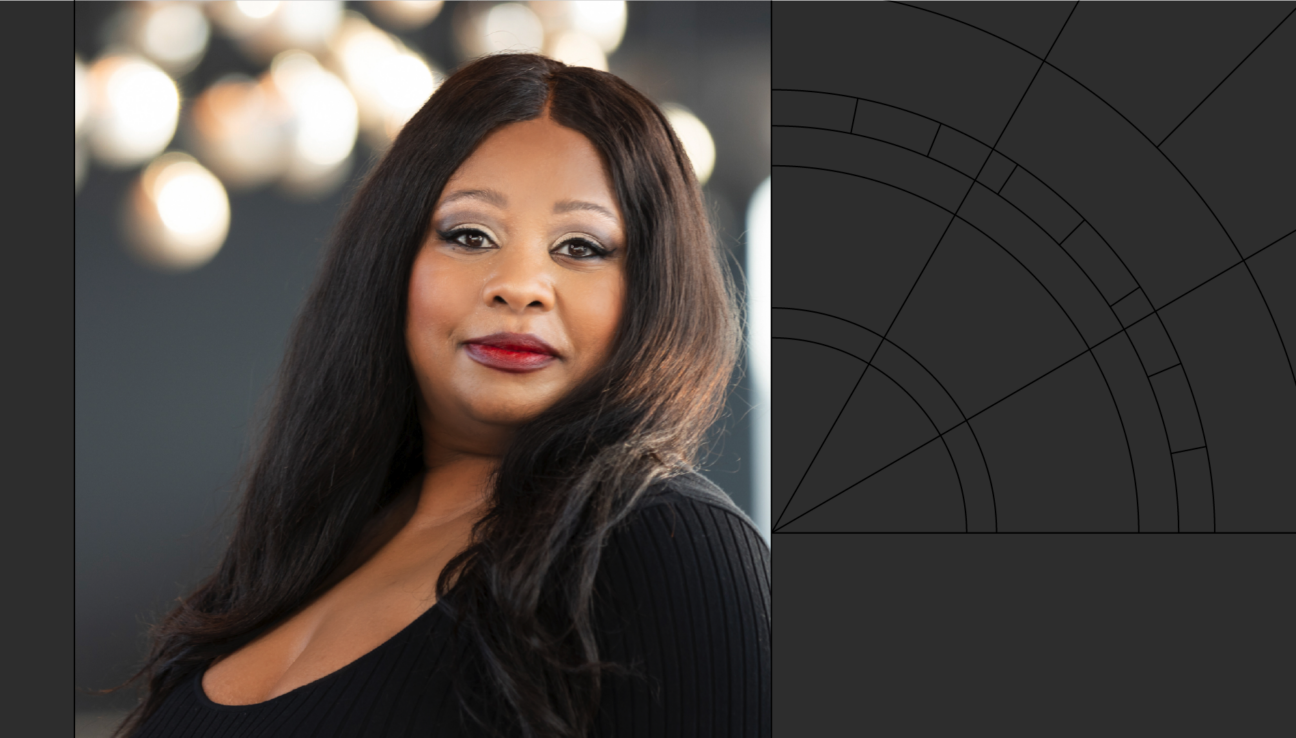
Monica Holt: Welcome back to Arts Unscripted: A Capacity Podcast. I’m your host, Monica Holt. My guest today is Joseph Fowler, Head of Arts and Culture at the World Economic Forum. Joseph started out as a dancer. He trained at The Royal Ballet School in London and then went on to dance with The Royal Ballet and Zurich Ballet. Eventually, he moved behind the scenes and his path took him to Dubai where he ran the Dubai Community Theatre and Arts Centre, which was the first not-for-profit cross-community creative center in the Gulf. Today, Joseph’s work brings artists into conversations about business, economics, and global politics, where the artist’s imagination is essential. And that also means that some of his most visible work right now is programming art for audiences that never bought a ticket for it. Let’s jump in.

Joseph Fowler, welcome to Arts Unscripted. Thank you so much for spending some time with me today. I’m so excited to chat with you.

Joseph Fowler: It’s a pleasure, and thank you so much for reaching out and asking me to join you. It’s a wonderful way for me to finish my week.

Monica Holt: Well, we are grateful, and I think there are so many things to chat about today: your career path, your journey, the work you’re doing now at the World Economic Forum, which is incredible, but we like to start in a broader scale. And the podcast is really built around the idea of promoting collective joy and bringing us together. I’m curious, when you hear collective joy as a phrase, what does it mean to you?

Joseph Fowler: Collective joy for me is acceptance, it’s equity, it’s appreciating difference. I always say that the world would be such a boring place if we all were alike. So I think the collective joy in my life is embracing and discovering everyone’s differences, and I think that’s what makes the world a joyous place.

Monica Holt: What a fabulous answer and great way to get started. Collective joy becomes such a piece, I think, of every artistic experience, whether you are on stage or in the audience or entering into the museum for the first time. For you, when did art first come into your life?

Joseph Fowler: Art first came into my life at a very early age. So my mother noticed that at the age of three, I apparently had a coordination problem, so I wasn’t walking in a, let’s say, a normal way. So she decided music and movement would be the solution for that. So I went to a music and movement class, which is a little bit like Dalcroze Eurythmics for any of our listeners that are familiar with that. So it was very simple. It was walking in time with the music, clapping rhythms back, and I apparently enjoyed it a lot. And that then led on to dance classes and then set me on the path towards the career as a dancer that I then embarked upon.

Monica Holt: I mean, you had quite a career as a dancer. You trained at The Royal Ballet School in London. You went on to dance professionally with Royal Ballet, Zurich Ballet. Moving really into a ballet world can be, we know, so demanding, certainly physically, but also the kind of mental precision, discipline and those demands. What do you think you learned in those years beyond the execution and the expression through dance, but in terms of the actual process of being part of a company, were there lessons that you still think about today?

Joseph Fowler: I think the lessons I learned started before I joined a professional company. The Royal Ballet School is arguably one of the, if not the most exquisite and disciplined dance schools in the world. And the discipline that was instilled in me started from, I mean, without sounding corny, the day I stepped foot into the school, it was all about discipline. It was about self-discipline, it was about dedication, it was repetition. Every day going back to the barre, every day doing the same exercises for many, many years and being taught by some of the world’s best teachers who’ve had renowned careers in dance. So very fortunate, very lucky, but discipline was from the ripe age of 10 when I started really pursuing dance in a serious way. And then of course those lessons get carried through and that discipline then becomes instilled within you. And so it’s not only the rigor and the requirements from a physical and mental dimension for becoming a dancer.

It also stretches and lives way beyond that. It’s mental discipline, but it’s also health discipline. How do you look after your body? How do you eat well, nutrition, the importance of rest and recovery, recuperation. So it gave me a really robust toolkit when I left the framework of school and then set out on my journey as a dancer.

Monica Holt: Okay. So then you move into professional companies and then at a certain time you decide that maybe you would like to see the world from behind the scenes as a choreographer and a director. Can you talk a little bit about that journey and how your thought process kind of changed along the way when you knew it was time to explore maybe something else or what was next in that world?

Joseph Fowler: Oh, I’d love to. So it wasn’t really a choice to stop dancing. It was a combination of realizing that maybe a dance career that I imagined or would like to have would not actually be the dance career I would end up having. So I was not born with a body that was pre-programmed to be a dancer. So everything was a struggle and everything was very much in the training as to persuading, if you will, my body to do things that it wasn’t pre-programmed to do. So I wasn’t technically the best dancer by any means, but I knew that from a very early age. I understood from seeing other boys in my class as we were developing and going through the training that they were outstandingly brilliant for many reasons and primarily because they were pre-programmed to dance, therefore things came slightly easier to them than they did to me.

But what I realized, what my strength was, was my artistry. I realized that I was artistic and I could act well, I could embrace and become a certain style very quickly from a different choreographer for one particular style versus another style. And I was very, very open in my curiosity and I started to think, what would it be like to create things myself? What would it be like to direct things myself? And so it was almost like not a decision to say, “Okay, I’m going to stop at the end of this season. I’m going to do this.” It was really a transition and the two overlapped for a period of time. I left the framework of a dance company. I became a freelance dancer, which is precarious but exciting. And it also enabled me to do other things and not only dance, it enabled me to dance, but it also enabled me to be an assistant director.

I had the fortune to work alongside Timothy Sheader, Sir David McVicar, to name a few. So I was learning from the best. And I slowly started to dance less and associate director more and started to direct and choreograph myself. I very quickly realized that I was an extremely bad choreographer, so I stopped that quickly. The self-awareness again. But directing I enjoyed. And that directing then naturally led me to project management, production management, venue management, and then programming. And I’ve now transitioned to the other side, if you will. And I think that experience of being a young 10-year-old entering into The Royal Ballet School, going through the training at that level as a dancer, and then having the dance career I had, performing the pieces I did, working with the dancers that I did, really gave me a toolkit that now I am on the other side, I feel is almost like a secret power because when you’re working with artists — now I work with many, many artists in many disciplines from visual arts to performing arts, literature, architecture, culinary art — I have that understanding what it is to be an artist, what it is to be a creative and create artworks.

And that has become, as I say, it’s almost like a secret superpower because I can adapt the process to accommodate to that creative mindset. So it wasn’t a decision, it was an evolution and a lot of good luck as well and meeting some very generous people that gave me the opportunities to try new things and evolve and develop professionally.

Monica Holt: Well, we’re so grateful for certainly the people, the mentors, and the door openers along the way. It strikes me that you talk about curiosity, flexibility and self-awareness. In addition to your artistic superpower, I mean, that’s just a personality trio that is somewhat unstoppable because you’ve been with artistic communities in London, in Zurich as we talked about, but Paris, Dubai, you spent a significant part of that next part of your career that you talked about in the Gulf region and you were leading the Dubai Theatre and Arts Centre. It seems like you have this mindset of lifelong learning and the ability to see from multiple perspectives. I’m curious, wrapping that all together and then going to a kind of relatively young developing cultural ecosystem like it was in Dubai when you were there, what was that match like? What was it like when you were walking into that environment and how did you see all these skills and experiences start to manifest in such a different setting?

Joseph Fowler: Well, it was certainly a contrast to go from cold, gray, wet Paris to sunny, beautiful Dubai. That was first of all, a big shift and change.

Monica Holt: It sets the scene nicely, I think. Yes.

Joseph Fowler: Oh, absolutely. But again, it was opportunity. So to follow on from what we were just talking about, it was a circumstance of coincidence to some degree, but really door openers. And at the time, as you say, the arts and culture ecosystem in the UAE was not what it is today. And just to situate listeners, we’re talking about — this was in 2010, 2011. And yet there was a strong appetite for arts and culture. There was a strong vision, which the UAE is obviously known for, this very forward-thinking vision. And this was manifesting now in the arts and culture space. And the position I was hired for was general manager of the Dubai Community Theatre and Arts Centre. It was a large complex comprising two buildings, a visual arts building and a theater building. And it was this very large complex sitting on top of the Emirates Mall.

And if any of our listeners have been to Dubai, that’s the mall where the ski slopes are. And the curious thing was, this space was very in advance of its time. So my first question when I arrived in Dubai and took up the position of the general manager was, how come this has been built? And it was interesting that the deeds for the land upon which the Mall of the Emirates was built, one of the conditions was a community creative space would be built. This really underscores that kind of value that was being placed on arts and culture in the UAE and arts and culture for the community and for the community to meet one another because Dubai at the time was, I think, something around 18% Emiratis and the rest were all expats. So I arrived in this exciting position, slash scary, because it was also a world I didn’t know about, meaning I wasn’t familiar with the landscape of the UAE.

I’d been a couple of times before I started the job, but I was very much a foreigner and arriving in a world where I wasn’t so familiar with the local culture, the heritage, the history. So I very quickly — going back to my curiosity and my curious side of who I am, is — I immediately just read as much as I could. I experienced as much as I could. I tried to spend time with locals and understand their customs and understand what’s the shape of their week from a cultural perspective. So it was about immersing myself into that culture. And then it was really about how do I create something meaningful in this amazing opportunity that I have, not only for the expat community and to celebrate the immense diverse cultural palette of Dubai, but also how do we really amplify and celebrate the culture of the UAE and how do we make sure that the expats understand that there is a rich cultural heritage in the UAE? Be it architecture, be it fragrance, be it jewelry, be it tableware, be it calligraphy, be it literature, music…

There’s so much. It’s incredibly rich. And the community center became this amazing creative hub where people would come and on one hand there’d be children making pottery and the Paris Opera Ballet came and it was a wild combination of everything you can imagine from the visual and performing arts. And it was an incredible opportunity. It was incredibly forming for me too professionally on many, many levels, running a venue of that type, the complexities of running a non-for-profit and also building up a cultural and creative community that goes on to exist today. So after the community visual arts performing arts center that I ran as general manager, I then went on to be artistic director of the Dubai Opera. And then following that, I was director of opera and arts and culture for the World Expo in Dubai before I then occupied the position I now do with the World Economic Forum.

Monica Holt: And having lived in these worlds of artist, director, project manager, leading a nonprofit, being in these different mental spaces in different places around the world, how did those different vantage points kind of shape your understanding and maybe your ideas about what an arts institution can or should really be in a civic ecosystem?

Joseph Fowler: Well, I’ve collaborated with many different cultural institutions in different parts of the world for different projects in different contexts. And what I have understood and I firmly believe is that cultural institutions should be accessible platforms to anyone in the local community within which that cultural institution exists, that the local community take possession of it, they make friends with it, they understand it, it’s not intimidating, it’s their home they can go in, they can enjoy what’s there and they recognize themselves in that space.

And on the flip side, I believe that cultural institutions should also be accessible platforms for creatives. And I’m saying that because quite often what happens is cultural institutions have obviously a defined mission and vision and that mission and vision then carves out what their particular focus and purpose is. And that can very quickly become almost like a semi-closed or semi-open, if you see the glass half full or half empty, door to who from the creative world can enter in and be embraced and be nurtured, welcomed and have their work developed and shown.

And so what can often happen is we become like a tiered approach to our cultural institution. So if you are circulating on one particular level or tier, they are accessible. But if you are not yet on that tier, it’s harder for them to be accessible. It’s harder for you to get in. And to your point, when you rightly said there’s been people along my career that have helped me and opened doors, I believe that that’s also one of the roles of cultural institutions. They should be there to help and assist and open doors and connect and forge creations and collaborations and lean into their local creative ecosystem and how they enrich that and strengthen it and set it up so it’s robust for all creatives to have a home somewhere they can go to. So that’s what I think cultural institutions should do.

Monica Holt: I really appreciate what you said about the artists who do and don’t have access to certain institutions and the uplift that can come from there, but also that idea of, what does opening doors mean? For whom, to what end, and with what sincerity, authenticity, and generosity? You can open the doors before a show and that feels very different than I think what you are talking about in terms of opening doors of opportunity that go well beyond sitting together in that auditorium.

You are now able to take that broad but deep perspective somewhere like the World Economic Forum, which you’ve mentioned. So you currently serve as the head of arts and culture at the World Economic Forum. Before we go too deep, I would wager that there are some listeners who might be surprised to learn that the World Economic Forum has a head of arts and culture. So would you explain just a little bit about how your role fits into that ecosystem?

Joseph Fowler: I sometimes say very tongue-in-cheek that arts and culture is the World Economic Forum’s best kept secret. So the World Economic Forum was founded by Professor Klaus Schwab over five decades ago. And what the forum seeks to do is bring together key players in many, many areas of focus and work and discipline for them to listen to one another, to find solutions, to appreciate differences, and hopefully work towards common goals. In a nutshell, that’s what the World Economic Forum does. And arts and culture represents the humanity and the empathy within that equation. So my role at the World Economic Forum is I have the responsibility of leading the arts and culture strand of the work at the World Economic Forum. So the World Economic Forum is not a cultural institution and arts and culture is not necessarily the top priority of the World Economic Forum, yet it manages to infiltrate into the work across the board and it does it in many different ways.

But one of the key ways the arts and culture manifests, and it’s probably one of the areas that excites me the most in my job, is when creatives step out of the arts and culture and creative space and step into a space which is business or philanthropy or economics or geopolitical conversations and contributes to those spaces and conversations. And what artists do and creatives do, which I believe no one else does or doesn’t do as well, is they have an incredible imagination and that imagination enables us to say, “Hey, wait a second. If we just pause on this particular problem here, let’s be crazy for a minute. What happens if this happened or we did this and this?” And it might not be feasible immediately. It might feel very farfetched and very fantastical, but that component to a conversation is essential within the work of the World Economic Forum because it encourages everyone in the room to think out of the box and out of the framework and suddenly think, actually, yes, what happens if…? Or, what if we did this?

And that brings me back to the mission of the forum, which is to bring people together, often opposing opinions together, to listen to one another, to appreciate and understand one another, and then find some kind of common ground to do something which doesn’t yet exist. And in order to do that, you need to have imagination. We also — at the Forum, I also commission artworks. I also produce the opening concert and commission scores and new music and all kinds of things. I don’t do it alone. Obviously, I have amazing colleagues that work alongside me. I’m a firm believer no man is an island. And you asked me earlier about what I thought of the role of cultural institutions, and I try and apply that to the work that I do at the forum, so walk the walk, and I try to make sure that there is this really diverse, multifaceted cross-section of different creatives from different disciplines, from different parts of the world, at different stages in their career.

So you can have, for example, this year in Davos, Marina Abramović, and we had a brand new work from Marina Abramović, but at the same time, we also had an incredible artist called Ronen Tanchum, that lots of people won’t know, but is a phenomenally gifted, talented artist. And bringing those two together in the same curated arts program is what we do at the forum. It’s an accessible platform. We’re bringing different artists at different stages in their career from different disciplines into the same space and curating these programs that are multidisciplined and multifaceted. And the artwork we’re commissioning is work that is responding to the mission and vision of the forum. So if we’re talking about gender equity, we’re talking about the refugee crisis or forced displacement or the climate crisis, we’re bringing artists in that correspond to that. So they’re also interpreting and reinforcing problems that the whole world are facing, but more importantly, they’re presenting solutions to that.

Monica Holt: Yes. And I think it’s so interesting that looking back at the 2026 annual meeting, it opened with music, it opened with the concert that you produced. And I think that says something where people are probably expecting that maybe it would’ve opened with a policy session or a kind of traditional high level, high profile conversation. But you set a different tone when you start with music, when you start with that shared experience. How do you start to think about producing that concert together and how you then take it back to the small group that has to make some of those key proposals or decisions that are going to land?

Joseph Fowler: It’s a very good question. So coming back to something I said earlier, the World Economic Forum is not a cultural institution. That’s an important thing to keep in mind when we’re considering the opening concert. So when I’m thinking about the concept, thinking about the artists, I’m devising and producing a musical moment to a public who has not bought a ticket to come to a musical moment. They have come to a — rightfully so — very serious annual meeting where very serious global concerning issues are going to be addressed. So very important to keep returning to that because you have to then curate a musical moment that is not too long, that is not catering to one type of preference. By that I mean it’s not just classical music, it’s not just modern music, it’s not just world music. It’s important that it’s accessible, it’s meaningful, and that it also is a reflection of the overarching theme of the annual meeting of that particular year because every annual meeting has a different overarching theme.

And it’s also, what do we want to achieve? What do we want those participants to step away with and remember as they step into the annual meeting that then follows? It’s not only about the actual concept of the concert, it’s also what is happening in the world at that time. What’s the mindset of our participants, of our heads of state, of our world leaders, business leaders, thought leaders that are coming to the annual meeting? What are their concerns? What’s on their mind? What state is the world in? That’s also very important. And at the top of the year, we were in a particularly fragile state globally. There were tensions in many areas of the world, and rightfully and understandably participants were coming with concerns. So when I was thinking about the concert, I was thinking, well, what we need to do is create a moment where our participants are able to migrate slightly away from those concerns and have a moment where they feel connected to one another that was achieved through music because arguably music is the most powerful thing to bring people together.

And then it’s a question of who can do that? Who has the power? Which musician has the capability to do that, to be all appealing, all encompassing and unifying, and it’s a very difficult thing to achieve. So fast track now to the concert and the architecture of it, we decided to create it into two parts. The first part was very much focusing on classical music. We had the Mahler Chamber Orchestra, which is an outstanding, world-renowned and respected classical chamber orchestra. We had Renaud Capuçon, the concert violinist who was spectacular, and they performed together a program of approximately 20 minutes. And the backdrop to that, we have a very large e-screen at the back of our main stage, and I commissioned a work from an artist called Ronen Tanchum, whose focus is in digital art and is very, very astute and curious about technology. And he created a system where the artwork would respond to the music.

So the artwork you’re watching responding to the music that was being played. So we have classical music and visual art. And then we transitioned into a second part. We continued with the same artwork, but in a totally different vein, the look and feel changed. The orchestra remained and continued to play with Jon Batiste and his band. And we had this phenomenal communal moment where all participants were standing, they were dancing, they were holding hands, they were shining the lights on their phones. It was quite honestly, it was a surreal moment. I think it’s fair to say to everyone in the room, what we wanted to do was connect our participants, bring them together in a moment of joy, enable them to connect not only physically, but in the moment and the atmosphere and the feeling, what it made them feel, how it made them feel, and then to continue that energy through the week.

The difficult thing is how do you top it each year?

Monica Holt: Well, I was going to say, and next year?

Joseph Fowler: So watch this space.

Monica Holt: Yes, exactly. Exactly. No, thank you for walking us through that. The concert was such a talk of that moment because of how much we know that music and shared experience can achieve at the highest levels for bringing people together, as you said, and community. But the stakes feel high in the, as you said, high expectations from yourself, but also from a community of folks who didn’t buy a ticket. I like how you put that.

Joseph Fowler: The other thing that I wanted to say too was when I was watching from the side, enjoying slash extremely nervous, and I see everyone standing, all the participants stand, and I was thinking to myself, this is why we have arts and culture at the forum, because only artists can do this to a room of a thousand people, everyone without exception up on their feet, everybody moving almost in the same direction at the same time to the same rhythm… that really struck me. And I think that’s only an artist. And Jon Batiste, I mean, if anyone has seen him who’s listening will understand he’s absolutely phenomenal.

Monica Holt: Yes. As you were describing what you needed, I was like, oh yes, check, check, check. Here’s — Jon Batiste is waiting in the wings for this moment. Exactly. The other thing, because of the commissioning work, the producing, the art that you are infusing the World Economic Forum with, you are also bringing more artists into that space, as you said, on footing with these leaders from many, many sectors of business and otherwise politics around the world. What has been your experience in seeing an artist outside of the performance, watching an artist maybe shift the tenor of conversation amongst other leaders at the forum? And did it reveal anything to you about what having an artist’s imaginative and creative perspective in those spaces can bring that maybe we should be thinking about, not just at the World Economic Forum, but universally in business and around the world?

Joseph Fowler: So there’ve been many moments, and it’s not only their creativity and their artistry and their imagination, what’s also very powerful is when artists talk about lived experience, things that they feel very strongly about that they advocate for, and there’s something very powerful about a public personality because for some crazy reason, we feel like we know them. And so when you actually meet them or when participants come to a session or a talk, there’s already this kind of affection because we feel, ‘Oh, we know you because we’ve been listening to your music for 25 years and I love you,’ but we don’t actually know them. We know their public persona, but we don’t actually know them. So to give you an example, two years ago I pitched to invite Melanie Brown. Now, people may not know immediately who Melanie Brown is, but she’s better known as Scary Spice from the Spice Girls.

So Melanie Brown has, through a lived experience, unfortunately, been through a very, very difficult marriage through which she was a victim of domestic abuse. And she is the ambassador for Women’s Aid, which is the largest non-for-profit in the UK, which does phenomenal work for women and men who are victims of domestic violence. The reason I wanted to invite her to Davos was because I felt that one, domestic violence is unfortunately something that exists within our society, so therefore it’s something we should be talking about in Davos. But it’s a very complicated topic to talk about. And I felt that who would be a better person to talk about it than a woman who can talk about it with full awareness, sincerity, and honesty as Melanie does. She wrote an amazing book called Brutally Honest, which is just phenomenal, which tells her whole story. But also we like her and we know her and we love her because she’s a Spice Girl.

So when you step into a room and you see Melanie Brown, and if anyone has, they’ll understand she’s overflowing with sunshine and you can’t help but like her, but also she’s a Spice Girl, so we feel like we know her. But then she talks about this very serious topic. So it’s almost like a triple whammy because you’re taken aback. You though she was going to talk to you about the Spice Girls, but no, she talks to you about something which is very personal, very powerful, and what she’s doing about it, the time she’s given to Women’s Aid, what Women’s Aid does, and raising awareness about domestic violence. And the silence in the room and the leaning in and the outcome from that conversation was phenomenal. And so we were able to talk about something that was extremely important. We were able to do that through Melanie in a respectful way, in an informed way, in an intelligent way, and that would not have been possible with a social scientist, with someone who studied, with someone who is a journalist, or it just wouldn’t have happened in the same way. We could only do that because it was an artist and because it was Melanie. Only artists can do that.

Monica Holt: I think it’s so important to name all of that together and hold space for the ripple effect of impact that you’re talking about that goes beyond and that artists can singularly be at the center of creating. We’re talking a lot about the annual meeting of the World Economic Forum, but I also wanted to take a second because there are other initiatives that you’ve created and one of them is the Cultural Table initiative. And I think that’s a really beautiful example of how you can bring people together in a room to really safely have these meaningful conversations. Would you just share a little bit about the Cultural Table and what the initiative is, what its goals are, and what you are looking forward to in those conversations?

Joseph Fowler: Definitely. So the Cultural Table was created in 2023. It’s a series of seated dinners. We welcome between 70 to 80 guests at those dinners. Every Cultural Table has a different overarching theme, and that theme is then seen through a cultural lens. And the evening is punctuated by three or four fireside chats with really inspiring cultural leaders who are in some way, shape or form responding to that overarching theme. The guests are a combination of business, civil society, and arts and culture. And the key mission of the Cultural Table, if you will, is to bring together those communities in a space which is friendly, it’s not over-curated. The idea is you have stimulating, interesting conversations with unlikely table guests punctuated by these incredibly inspiring cultural leaders who share insights into their work and their lives and what they’re doing in response to the overarching theme. And participants leave with new connections, hopefully new friends, and it goes on to be relationships that live beyond the table and become professional collaborations and lead to other projects.

And that has happened. We’ve had some wonderful collaborations that have come from the Cultural Table. We’ll be hosting the 10th Cultural Table in just over two weeks at Carnegie Hall, which is very exciting. First time we’ll be there to host the Cultural Table. And then we’ll be in Paris in October in alignment with Art Basel and in partnership with the Getty Trust and then in Madrid in alignment with the Autumn Festival in Madrid, which is one of the largest Hispanic performing arts festivals in the world.

And the Cultural Table has really become a key component to arts and culture at the World Economic Forum because it manifests within the framework of forum-led summits. But importantly, the Cultural Table has also stepped outside of those frameworks and has now become a beacon of arts and culture in its own right. It’s taken a lot of tenacity and resilience, I would say, to achieve where we are today. But where we are now is we can now really start to see the fruition of the meetings that have taken place, the connections that have been forged, the collaborations, the projects that have happened, the careers that have taken off following Cultural Tables because of connections that have been made. And now we’re even in a position where we have people asking, “Is it coming back? I’d love to come. Can I bring so-and-so?” So it’s been a really lovely journey and it continues to be an absolute pleasure to curate and share these Cultural Tables with anyone.

Monica Holt: It’s wonderful to hear and even better that the growth has continued. I think one thing that often comes up as a topic of conversation and it’s certainly on my mind is the fact that we are in a place right now, it feels, where artists are still being brought into solution spaces after the solution has already really been developed. So they’re more being presented with what an outcome is that has been determined by policy, business and technology rather than having been in the room to help create the solve or determine the opportunity. And I think the Cultural Table strikes me as such a wonderful opportunity to really empower artists to be in those spaces where they are building that collective future, which we know artists are great at. And so I credit you and the work of your team in creating these moments to make sure that we’re involving artists in the cultural community earlier because housing issues and health issues and any other issue that might come up is also an issue for artists.

It is an issue for creatives, and it is also one that we are constantly solving for. It’s just to date it has been more siloed. You are solving for it in a narrower scheme when those solutions can be applicable so much more broadly if we’re just all at the table, no pun intended, together from the jump.

Joseph Fowler: What I would just like to say about your comments on the Cultural Table is they’re absolutely accurate. And what the cultural table does is it’s primarily an arts and culture initiative. So it’s flipping the script. It’s not saying, “Let’s invite artists into this conversation.” We’re saying, “This is actually an artist-led conversation and we’ll invite you into our conversation.” And artists are talking about the work they’re doing in response to the overarching theme, which then stimulates the imagination of participants that are coming — that are not from the arts world or might be from the arts world but not familiar with those particular artists. And that stimulates then the conversations about potential solutions to problems and creating new projects and ideas. But it is a arts and culture-led initiative which places arts and culture and cultural leaders at the forefront. And then we’re inviting you into this arts and culture space, which is why the speakers are always cultural leaders.

Monica Holt: Which is even better. As you’re looking across these different cultural ecosystems right now, what are the ideas or experiences that are making you particularly hopeful about the future?

Joseph Fowler: I would say technology. I know that sounds like a bit of an odd thing to say, but I would say technology because in the arts and culture space, when we talk about or when we read about technology, we often see it as a threat. But technology interests me because of the opportunity that technology presents. We’re so focused on the threat of technology and so we should be, and we should put guardrails in place to protect IP, copyright, plagiarism, everything in every space. And I don’t challenge that or think otherwise, but I also think we need to create time and space to think about, well, what can we actually do now creatively with technology that we cannot do without it? And when we think about that, looking over different ecosystems, it’s like, well, this could be a phenomenal platform for people to collaborate with one another.

Someone living in Africa could collaborate with an artist in California and they could do it through technology. We can experience art differently through technology. We can think about — we can imagine art in the public realm, which is in virtual reality. We’re all walking around with handheld devices almost surgically attached to our hands. Why don’t we use them as a device to explore art, to discover artists, to discover creativity? And it can be music, it could be fashion, it could be photography, sculpture, digital art. We’re really leaning more into layered realities. It’s that space that excites me. And bringing artists into that space that don’t necessarily exist within it at the moment I think is interesting, especially doing that in collaboration with an artist that is. So there’s almost a bit of handholding to take someone into the space, artist to artist. So that really gives me hope, that opportunity and just exciting to think that we’re going to be creating things that are beyond our imagination. We can’t even imagine what they could be. That gives me hope.

And people consuming art gives me hope. Young kids, if they’re fortunate enough to have access to creative education — and I know coming back to the top of our conversation, what that did to me because my mom put me into creative education at the age of three. And kids discovering music, discovering dance, it’s such a powerful thing for us to experience as humans. But also, we also talked at the top of our conversation about skill sets and what did I gain from being at the Royal Ballet School? When you sing in a choir, when you work towards a performance or you do something creative, you build something as a child, it’s a team effort. Everyone is playing into the same thing. And I know I’m stating the obvious, but we seem to have come so far away from that.

And I think I’m hopeful we will lean back into that. A lot of children come from very difficult and complex personal circumstances, and sometimes education is the only framework they have to hold onto. And if you remove the creativity from that framework, it’s a very black and white space. And I think that, not I think, I firmly believe that exposing young people to creativity won’t turn them into artists and painters. Some of them may be, but majority not, but that’s not the point. The point is it will enable them to create that muscle of imagination we’ve been talking about, and it will enable them to reimagine who they could be and what their lives could be, and then imagining what other people’s lives could be and what impact they could have.

Monica Holt: Well, I’m grateful for you naming both of those things. The impulse of how do we move away from a fear-based conversation about technology? And we know largely we’re talking about AI and GenAI when we’re saying that. How do we move away from that fear-based conversation into one of opportunity, growth, building collective creativity, as you said, that crosses countries, crosses the globe, really? One of the last things I did at the Kennedy Center was start a creativity and technology summit with just that premise. I think technology is such a beautiful tool when it is used and executed in coordination with the human spirit. We know that the possibilities that can unleash, we can’t even imagine yet. And I love that you said that. And I think it’s really important to name that if we’re coming from a place of fear, we’re going to miss out on a lot that we could be building, growing, and expanding.

And I do think there’s this tie between the tangible physical art and the act of being together and how we can start to marry that with an understanding that the internet allows for the democratization of art in a way that wasn’t possible 25, 30 years ago. And that creates a lot of access for people who might not have had it before to understand what it even means to see a particular art form or to become an artist or to try painting or whatever it might be. So I was very energized and inspired by what you just said, and I appreciate you sharing all of that. So thank you. We do try and end with a little quickfire culture speed round here.

Joseph Fowler: Okay.

Monica Holt: So first, what is one piece of culture that you’re currently fascinated with?

Joseph Fowler: Gaming.

Monica Holt: Ooh, a good one. In this household, a very good one, but we don’t have time for that. Okay. If you could go back in time to a live performance or event, what one would you choose?

Joseph Fowler: There are so many that are going through my mind. Can I say a couple?

Monica Holt: You can rapid fire them. Yes, absolutely.

Joseph Fowler: I have a very dear friend called Tamara Rojo, who is a dancer. She’s the artistic director of San Francisco Ballet. I would love to go back to one of her performances as the Black Swan in Swan Lake, which is probably one of the best things I’ve ever seen in my whole life. I’d love to go back to [Live Aid]. I’d love to be at [Live Aid]. And then I have one that means nothing probably to anyone who’s listening, but I’m going to say it anyway because it’s also sprung to mind, is I’m a big, big, big, big fan of an Italian singer called Mina. And she stopped performing decades and decades and decades ago, but still releases about three albums every year. And I would love to go back to what has now become her last performance, which I think was in ’74.

Monica Holt: Great answers. What is one free resource that you would like more people to avail themselves of?

Joseph Fowler: Dancing. It feels good. It’s good for the body. It’s good for the mind. It keeps you fit and it’s enjoyable. And anyone can dance. It doesn’t exclude anyone. Everybody can dance.

Monica Holt: We might have a new favorite answer. Fabulous. And finally, if you could broadcast one message to executive directors, leadership teams, boards, and staff of arts and culture organizations around the world, what would your message be today?

Joseph Fowler: Collaborate. Collaborate with one another. Reinforce our network. We’re all friends. We’re all playing off the same song sheet. Let’s join forces because we live in times which are very complicated. Arts are not accessible to everyone. And we have, without going into any kind of stormy weather, we have administrations that are not the most supportive, and I think that we need to have strength in numbers within our community. And it isn’t each man for himself. I believe it’s we are one community and we should be reinforcing that network, not just because of the times we’re living in, but just for the longevity of our passion and the future of our creatives.

Monica Holt: Wonderful. Joseph Fowler, thank you so much for your time.

Joseph Fowler: It’s been a pleasure. Thank you so much.

Monica Holt: Thank you for listening to Arts Unscripted. If you enjoyed today’s conversation, please take a moment to rate us or leave a review. A nice comment goes a long way in helping other people discover the show. And if you haven’t already, click the subscribe button wherever you get your podcasts. We’ve got some great episodes coming your way and I don’t want you to miss them.

A huge thanks to our team behind the scenes, including Karen McConarty, Yeaye Stemn, Stephanie Medina, Jess Berube, and Rachel Purcell Fountain. Don’t forget to follow Capacity on Facebook, Instagram, LinkedIn, TikTok, and YouTube for regular content to help you market smarter. You can also sign up for Capacity’s newsletter at capacityinteractive.com. And I hope you’ll reach out to us and let us know what you think and who you’d like to hear from next on Arts Unscripted.

I’m Monica Holt. Thanks for listening.

View More
About Our Guests
Joseph Fowler
Joseph Fowler
Head of Arts & Culture, World Economic Forum

With over 20 years as an Artistic Director, Cultural Programmer and Producer, Joseph Fowler has established himself as a dynamic cultural leader with an innovative professional identity and unique vision. Prior to his current position as Head of Arts & Culture at the World Economic Forum, Joseph has held multiple prestigious leading positions in the arts and cultural sector which include Resident Director at Theatre du Chatelet (Paris), Artistic Director at Dubai Opera, Movement Director at La Comédie-Française (Paris), Associate Director at Regents Park Open Air Theatre (London), General Manager at Dubai Community Theatre & Arts Centre (the first non-for-profit, cross community creative center in the Gulf) and Director of Opera, Arts & Culture at Expo2020. 

Joseph spent a decade professionally based in the Gulf and has programmed international festivals, and commissioned work in collaboration with some of the world’s leading artists and cultural institutions. He has also collaborated with some of the largest international organizations, including UNESCO, UNHCR and the United Nations. He is the recipient of several awards including the Joan Lawson Award, the Kenneth McMillan Award and the Sheikh Mohammed bin Rashid Al Maktoum Patron of the Arts Award.

FeaturedEpisodes

Arts Unscripted
Tune In

Listen Now

New Episodes Weekly