Libraries are often thought of as quiet repositories. But at their best, they are living, evolving spaces where culture is preserved, interpreted, and reimagined.
Attract and engage your patrons with a fully-managed ad strategy across all your platforms.
We'll help your organization use AI to save time and spark creativity while staying grounded in your values.
Your creative assets + our impeccable execution = thumb-stopping social content.
Let's harness your website’s data and uncover opportunities to optimize and grow.
We’ll partner on a strategy to level up your email program and help your ROI shine.
Ensure visibility across the search landscape with a technically sound website and content that deserves to rank #1
Attract and engage your patrons with a fully-managed ad strategy across all your platforms.
We'll help your organization use AI to save time and spark creativity while staying grounded in your values.
Your creative assets + our impeccable execution = thumb-stopping social content.
Let's harness your website’s data and uncover opportunities to optimize and grow.
We’ll partner on a strategy to level up your email program and help your ROI shine.
Ensure visibility across the search landscape with a technically sound website and content that deserves to rank #1
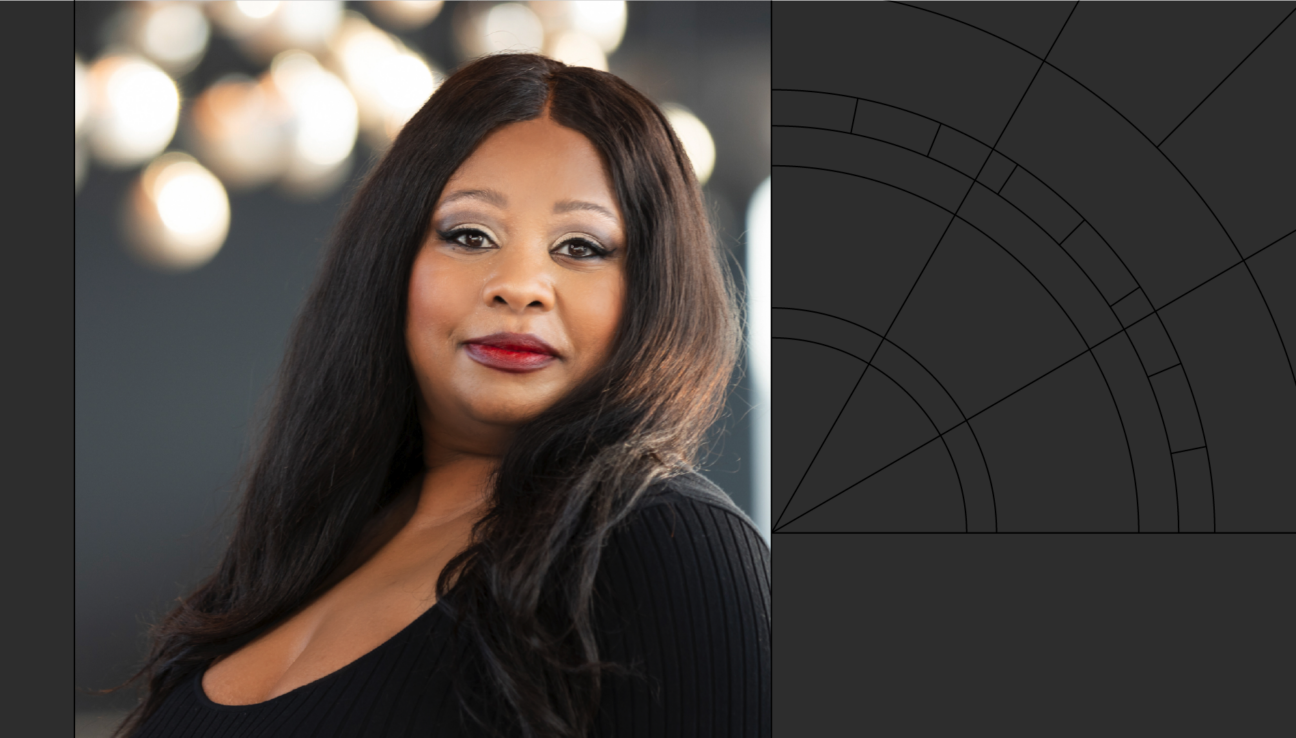
This episode is hosted by Monica Holt.
A festival lasts only a few weeks or months each year, but the work of leading one never stops.
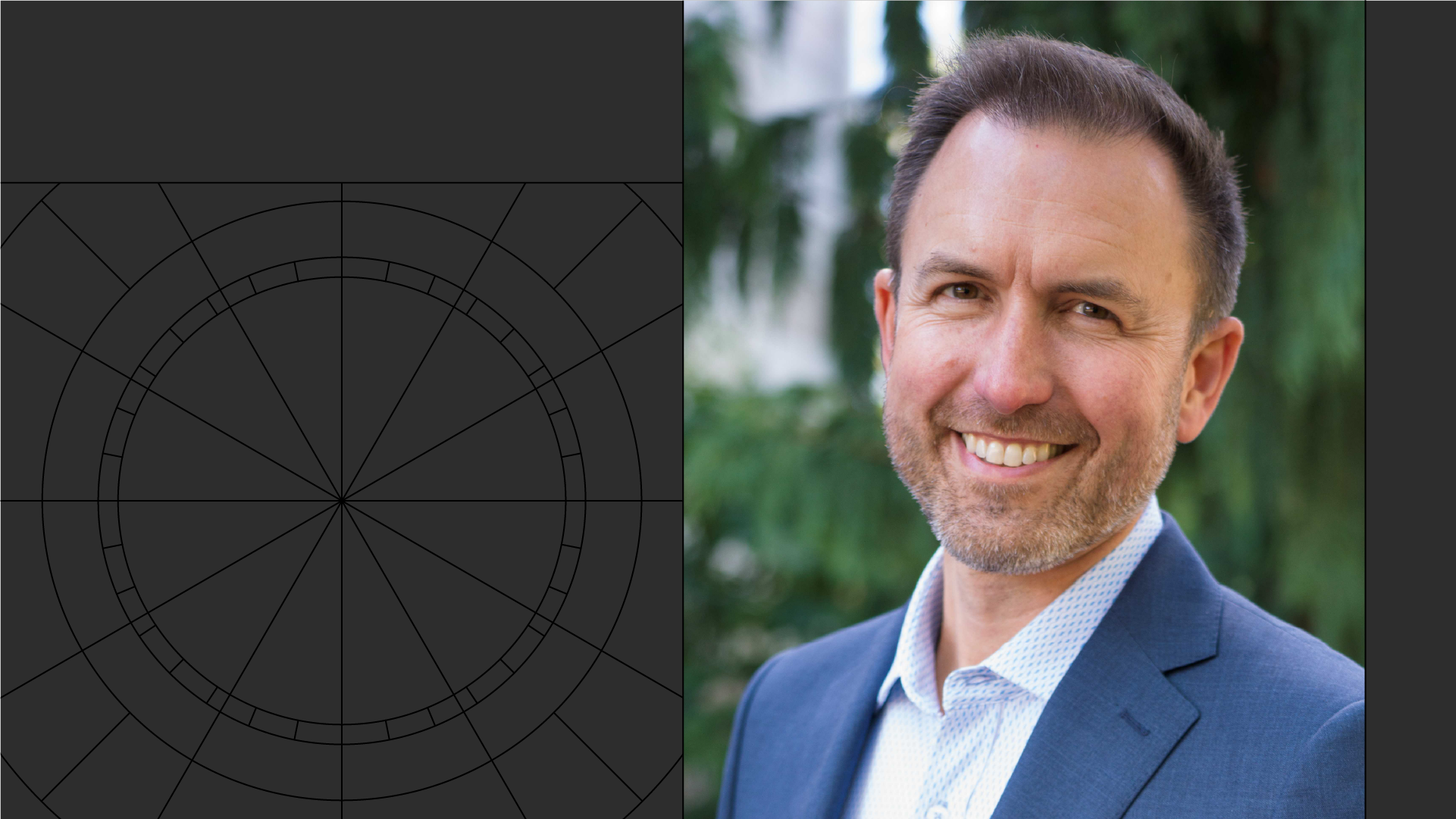
Jeffrey Haydon has spent his career at the helm of some of the country’s most respected music festivals, including Ojai, Caramoor, and now Ravinia Festival, where he serves as President and CEO. Drawing on a background that bridges music and business, he has led major capital projects, expanded educational and community programs, and navigated moments of organizational transformation.
In this episode, Jeffrey reflects on what makes festivals such distinctive cultural institutions; the leadership lessons he’s learned across three decades in arts management; and how Ravinia continues to balance its rich classical legacy with new audiences, artists, and ideas.
Jeffrey Haydon: We are the joy and inspiration being brought into the communities. And yes, there are a lot of complicated issues out there that art can help address and work through. But we can’t forget our first job is to inspire.
Monica Holt: Welcome back to Arts Unscripted. This is Monica Holt. My guest today is Jeffrey Haydon, President and CEO of Ravinia Festival, the oldest summer music festival in North America. Jeff spent his early career moving through orchestras on both coasts until he spent nearly a decade leading the Ojai Music Festival. It was there that he fell in love with the music festival format and never turned back. He joined Ravinia in September of 2020, walking into an institution in the midst of a COVID shutdown. But Jeff found that the absence of business as usual was actually a true opportunity. This summer, Ravinia will open a fully renovated $70 million pavilion that started as a list of broken equipment that needed fixing and became a project completely re-imagining the whole facility. That tells you something about how Jeff thinks about leadership, risk, and what it means to steward a place people love. Let’s dive in.
Jeff Haydon, welcome to Arts Unscripted. Thank you so much for being here today. It’s so nice to get a chance to get to know you and hear about everything going on at Ravinia.
Jeffrey Haydon: Well, thanks so much for having me. I’ve been listening to CI to Eye, which is now Arts Unscripted, for many, many years, and so it’s really fun to be on the actual side of the microphone now.
Monica Holt: Well, thank you. We love hearing that. Because you’ve been listening, I think you kind of know where we’re going to start, which is: will you take us back and tell us a little bit about what your earliest experiences with art were?
Jeffrey Haydon: Absolutely. I vividly recall going to the San Francisco Symphony with my grandparents and my sister for a holiday concert and coming away with a stuffed mouse. And that was my first experience going to the symphony and my parents were both very supportive of getting me in the high school band and music lessons and the love just continued from there.
Monica Holt: Did you play an instrument in band?
Jeffrey Haydon: So in fourth grade I started playing trumpet and by the time I got to junior high, my band director said, “Congratulations, you’re promoted all the way down to tuba.” I ended up doing okay, I guess, and got an honor band and ultimately a scholarship. And I was just so fortunate that my junior high band teacher, I swear, was Mr. Holland’s Opus in the movie and he still inspires me today. Robert Ethade. And I took piano lessons from my sister’s piano teacher who happened to be the wife of the high school choral director, who then hoodwinked me into joining the men’s chorus in high school instead of signing up for shop. And that became my love affair with voice and singing.
Monica Holt: That’s incredible. All of these stories — I mean, we love hearing about mentors and teachers that are such a critical part of the journey of what makes any of us who we are, but certainly those of us in the arts field. I think there is always a through-line to the people that first supported us, believed in us, and showed us what was possible. You mentioned that you were getting to go to concerts with your parents and with your family. Do you remember what it felt like sitting in the concert hall as an audience member when you were younger?
Jeffrey Haydon: I was in awe of going into this beautiful space and hearing this incredible music wash over me and hearing the brass was very exciting to me. So playing all the different brass instruments just about over my career was really fun. And fast forward now to be able to work with Chicago Symphony Orchestra’s brass section is a real treat.
Monica Holt: Oh, I’m sure. What’s funny is your parents exposed you to music and the world of what ensemble playing means, but they also were entrepreneurs. So you were also looking at the world of business from a young age, which is kind of a nice complement as you have these two worlds around you. What did you find interesting about running a business when you were growing up?
Jeffrey Haydon: Well, as I grew up, all different parts of my family had different businesses and so I just thought it was normal, whether it’s a retail store or real estate development or we ran a Christmas tree farm for a while. And so you really learn things don’t happen unless you do it and you don’t have grocery money unless you figure out how to make it work and it doesn’t matter what’s in anybody’s job title, everybody kind of has to figure it out. And so in many ways that kind of sounds like running a nonprofit.
Monica Holt: It sure does. Do you think there was some amount of risk taking you saw when you were young that you’ve carried with you throughout your career?
Jeffrey Haydon: Yeah. As an entrepreneur, you’re faced with risk all the time and you have to decide what level of risk you’re going to take, but at the end of the day, you have to be able to pay your bills. And so there’s sort of that uncomfortable balance of, “We’re not going to make it if we don’t take risk, but if we take too much risk, we go into bankruptcy.” And so again, very similar to nonprofits. You have to take a certain amount of risk in order to move forward, but everybody has to be very sober about what those risks are and mitigate against those on a daily basis.
Monica Holt: So you get to undergrad and you kind of have your first festival-adjacent experience when you were chairing the performing arts series on your college campus. What drew you to that and what did you learn in those first few years of being in the field, so to speak?
Jeffrey Haydon: So I was really fortunate that this small liberal arts college, University of Puget Sound in Tacoma, Washington, had a student programs division that was sort of a partnership between the president’s office and student government and they had different divisions. You could run the lunchtime band division or the movie division or the lecture division. And of course I noticed at the activities fair that there was this table with posters of Arturo Sandoval and Tito Puente and all kinds of jazz greats playing at the university. I thought, wow, how does that happen? That’s interesting. And so I talked to the guy standing behind the table who I met at band a couple of days before. He signed me up and after working concerts, hauling lighting cable, and driving artists to the airport, it began a massive love affair that I have never left since.
Monica Holt: And did you know at that moment that this intersection was the career that you were going to pursue? Music, business, backstage… how it all knit together?
Jeffrey Haydon: It was interesting. So when I went to college, I went in as a business major and a music minor and I thought, well, maybe I’ll just follow the real estate path that my dad had and buy buildings and fix them up. Then I realized, wow, there’s this business side to the music that I love and there are two different languages here that I actually understand and it’s fun to put it together. And actually my dad ends up having the last laugh because he said, “Yes, you did all of that, but you actually are also in real estate development because you’ve done a lot more cooler projects than I probably have over time with capital campaigns.”
Monica Holt: That’s a really interesting point. And I think one that folks who are in the field and maybe growing their leadership don’t realize just how much development, construction, operational, real estate will all rear their heads the more that you dig into an organization. So the mission is still the number one and yet here we are having so many conversations about property. Okay. So after you graduated, can you tell us a little bit about the fellowship with the League of American Orchestras and what that entailed?
Jeffrey Haydon: Well, I think the fellowship was absolutely invaluable. This is truly an apprentice industry. We know that being a musician, but all of us on the business side of it, we point to all of our mentors that got us to where we are today. And the fellowship was that in spades. And my hope is that there’s even more of that going forward because an MBA can’t teach you sitting in a boardroom, sitting in a leadership team meeting, trying to deal with all the different issues of the day. So I was fortunate. I was at the Aspen Music Festival sort of pre-fellowship and then I had a chance to work at the Baltimore Symphony in David Zinman’s last year and help plan a tour to Japan. And then I had a chance to work at the Fort Wayne Philharmonic in Indiana, which is probably one of the best-run regional orchestras. And it taught me the wild world of fundraising and that got me my bug for fundraising. And then I pivoted and went back to the Seattle Symphony and had the opportunity to help move the Seattle Symphony from the Opera House to Benaroya Hall. And they actually entrusted the 22-year-old Jeff Haydon to run their day-of music with 35,000 people going through that day.
Monica Holt: That is so fun. You talked a little bit about Aspen Music Festival and we’ve mentioned now Ojai Music Festival and obviously you’re now at Ravinia. What is it about this format of live performance, this festivalized nature that keeps drawing you back?
Jeffrey Haydon: It’s very interesting. I went through the Orchestra League’s fellowship program and I was going to be a CEO of an orchestra. And I did actually take my first steps working back at the Fort Wayne Philharmonic [as] director of fundraising and going to the Chicago Symphony in fundraising as well. And then I ended up with a very interesting phone call from a recruiter saying that she was recruiting for the Ojai Music Festival executive director. And I did end up taking the interview and flying out there and it was fantastic. It was very entrepreneurial and I’ve never looked back since.
From a music festival standpoint, what I love is that yes, the music is always tops, programming is always tops, but just right below that is the experience. And a music festival forces you to think about, what’s the experience in which you are presenting the music? And usually they’re in beautiful places — witness behind me, beautiful Ravinia Park.
There’s that luxury to think about, what’s the audience experience? What’s the musical interconnectivity? You might have people’s attention longer than two hours. They might give you an entire day or a half a day. And so here we do a hundred concerts in three and a half months. So when we’re in the thick of it, it’s a lot, but we also have almost nine months where we’re planning and it’s really satisfying to be able to plan and then see that come to fruition.
Monica Holt: It is so interesting to think about all of these different models. And I love that you really are speaking on how paramount experience is to the festivals that you’ve worked at because I also think that’s something that our, let’s say, standard year-round organizations need to be learning from and adopting into their culture too. And we’re seeing that more and more certainly, but I think we all can always keep learning and growing there. I realize Ravinia is well known in the Chicagoland area, but just for a listener who might not be as familiar, could you share a little bit about the festival’s history?
Jeffrey Haydon: Sure. It’s an amazing history. So Ravinia is actually the oldest summer music festival in North America and it’s three months long. It’s June through… actually [it] bleeds mostly into September. This is 36 acres in very nice real estate about maybe 25 miles north of Chicago, right on the train line. And it was started actually as an amusement park by the railroad barons who wanted to be able to make some money on the railroad line on the weekends. And so they attracted audience members from Chicago and Milwaukee, but that park model did not last more than three years. And there were some local leaders that ended up buying the bankrupt shares of this amusement park and turned it into the opera destination of the country and it was glorious, all the posters. And of course that all came to a halt in 1929 with the crash and he was aged out as well.
So then a group of community leaders said, “We don’t like seeing this park fallow. We do not want to see it turned into houses,” which is what happened all around it. And so they essentially bought the park and they wanted to figure out how to anchor it. The Chicago Symphony Orchestra was trying to figure out how to become more of a year-round orchestra. And so they basically guaranteed the solvency of the Chicago Symphony Orchestra’s residency to reopen Ravinia Park back in 1937, I believe.
So fast forward to today. And with the festival environment, particularly with Ravinia, it’s very unique even within the festival space. People that don’t live in Chicago don’t understand, Ravinia Announcement Day is like Groundhog Day for Chicago. It is sacred. It’s always like the second Thursday of March and it’s inevitably after a big snowstorm and it’s the first thing that gives people hope that summer is coming and everybody holds off on their summer planning until the schedule drops and all the newscasters want to talk to us as good news.
And I think it shows the important role that all of us have with live music. It’s like, we are the joy and inspiration being brought into the communities. And yes, there are a lot of complicated issues out there that art can help address and work through, but we can’t forget our first job is to inspire. And sometimes we get distracted by trying to figure out all the issues and that doesn’t work if our hearts and minds aren’t clear and inspired. And that’s what that announcement day reminds me of every year of just like, I could have heard all of the terrible things that happened in the news that day and then it breaks to traffic and the weather and then Ravinia and it’s like the whole world changes in that newsroom and that’s what we bring to the world. And I would argue it’s the most independent of all of the music festivals in the country.
And what I mean by that is that we essentially rent the Chicago Symphony for six weeks. They’re not in charge of Ravinia. They don’t program Ravinia. We own our own 36 acres, which comes with all of the benefits of home ownership. The property’s not owned or run by a municipality like Wolf Trap or Hollywood Bowl. We are also in the middle of a suburb environment. So we’re not isolated. We’ve got a train that comes right by and we also are not programmed by Live Nation. So we are fully independent and we also are fully integrated because we have music education programs, conservatory programs, and all different kinds of mainstage programs featuring artists at all stages of their career. So to me, it’s really fun, but it means there’s no safety net because we are fully independent.
Monica Holt: I was going to say it sounds ideal, but with the high reward opportunity certainly comes a bit more risk on that side. So you joined Ravinia in September of 2020…
Jeffrey Haydon: Yes.
Monica Holt: What did it feel like to step into leadership of this, as we’ve just described, historic institution while the world was in the midst of so much turmoil and change?
Jeffrey Haydon: What struck me during the interview in… I think it was very late June of 2020, was that all of the interview committee made it a point to come in person to Ravinia Park and we figured out how to sort of set up like the United Nations where we were all like 20 feet apart from each other. And I was the first of several candidates that were to come through that day, and we started 20 minutes late because everybody was so happy to see each other and equally happy to be back at Ravinia. And it showed me the love that the board had for each other personally and the love that they had for this park that far outstripped anything I’d seen with the board and an arts institution in my career to this day. And I walked away saying, “This is where I want to work. I want to work for people that love a place this much.”
Monica Holt: It strikes me that coming in in that timeframe, there’s a pretty clear priority set right in front of you that you’re being handed. How did you as a leader space out the short-term response versus long-term strategy when you were stepping into the organization for the first time at its home?
Jeffrey Haydon: It’s a very good question and it actually ended up being a fantastic time to join, certainly not without its challenges, but as you said, all of a sudden there is this clarity of focus in the organization and it was all about, how do we reopen in 2021? We have 36 acres outside and so let’s just take the path that we are going to open and just figure out how. And so all the typical nattering and multiple agendas and social obligations and everything else just fell off the table. Everybody was focused on their Ravinia hat and “I have a certain skill or connection that can help us reopen.” And so how do you sort of collect all of those different opportunities as a leader to make a plan? And then as soon as you get a plan, then something else changes and then you pivot, you make a new plan
That actually was perfect for a new leader coming into a team, some of whom had been there for well over 20 years and board members who had been there for over 20 years. And it forced us to learn more about our business and how to work with each other better and no one could say, “Well, I know how this is supposed to happen to open a music festival in a pandemic.” No. And you can’t say, “This is how we always do this” either because that might not work.
And so one of the questions I asked to our team, I said, “What are some of the things that you have always wanted to do that you know will work that you haven’t been able to do because of the inertia of no?” And I said, “Let’s put those on the table and if it seems like those can work, let’s slip that in as part of the conversation.” And so there’s just this wonderful sense of experimentation and learning and we quickly sort of started joking to ourselves that we felt like we were living through an MBA case study and six years later we still talk about that.
Monica Holt: Sure. We’re always evolving at an arts organization, it does feel, but thank you for elaborating on that a little bit because it is this striking opportunity and it’s so wonderful that you were able to kind of take it as a moment to embrace instead of to proceed in fear. So fast forward to present day, can you tell us a little bit about the Hunter Pavilion? Because you’re in the middle of that renovation, which is going to be completed for this summer. How do you know, with a space like yours, when is it time for a refresh versus when is it time for modest improvements, and what can we all expect from the reimagined pavilion?
Jeffrey Haydon: So I remember coming in from my interview and walking around the ground and seeing Ravinia’s iconic pavilion and looking inside and I looked at the board chair and I said, “Seems like there’s a little bit of a refresh that needs to take place here at some point” because the seats look like they were a hundred years old and the stage looked like it was from the very early ’90s and geometric crazy shapes. And he smiled and he said, “Yeah, you’re probably right.” And we left it at that, but it wasn’t until when we were reopening for 2021 that our production team came through my office on a weekly basis saying, “We went to go start up a light and we found the electric circuits are not working well” or “The stage walls are not moving well, they’re rusted.” And just every day it was like a different thing and you can fix any one of those things, but the list started to become a little bit longer and I said, “Time out, let’s not sign those contracts to fix those specific things. Let’s get some help to assess, how do we fully renovate this pavilion?”
Of course, when you say fully renovate, you think of it in limited arts administration style of like, “Oh gosh, how much money can we really raise? And so what’s the minimum viable that we can do to get by?” And so that was kind of the first pass and there was a wonderful family that came forward, the Hunter family who had long been part of Ravinia that wanted to do a legacy gift. And so they said, “Great, we’ll do $10 million.” And at that point the project was maybe around $30 million. And so we were feeling pretty good. Like, “Yeah, I think we could raise $20 million.” Then the list started to get a little bit longer.
And we have another board member who’s been a longtime, exceedingly generous donor that’s very wise. And I went to ask him for his gift and he said, “I’ve been listening to the board meetings and I think what you’re doing is great and I understand that you’re very mindful of your resources, but I know that once you mobilize, you need to do everything. You need to walk away with no stone unturned. And so let’s do everything for the… I want to do the water main, I want to do the backstage, I want to do the loading dock. And so here’s a big gift and we’re going to double the budget for this project so that you can do all the things that nobody’s going to name.” So all of a sudden we had a much bigger project and then of course you run into inflation and tariffs and everything else. And so by the time we open up in July, we’ll have a $70 million completely refurbished state-of-the-art pavilion of which I think we still have only $5 million left to raise, which… We’ll get there.
We’re very, very excited about how this has brought everyone together and to see that we have a very unique facility. We have the Chicago Symphony Orchestra and then we also have Sting and Pitbull and Music of the Baroque, and how do you have a stage and a facility that can support all of that? And for the first time we will have a purpose-built facility that can support that. And as James Taylor said when he came last year, he said, “You don’t know how great it is for a musician like me to be able to perform at a place that’s actually built for music in a world-class way. So thank you.”
Monica Holt: What a gift and what a gift for all of us and for audiences who are going to get to experience this grand reopening and all of the artists that are going to feel like they are being supported in the best way possible. You walked us through the campaign and how it evolved, which is fascinating. Capital campaigns, particularly when they’re tied to infrastructure, can be very exciting and in some ways substantial in the amount of effort to raise that much money, but easier to talk about because it’s so tangible. You’ve had so much experience fundraising throughout your career. What are some principles that you’d share or advice you’d share to folks who maybe are coming off of a capital campaign or don’t have one in sight, but are trying to reinvigorate their audiences?
Jeffrey Haydon: Well, fundraising can be terrifying for somebody that hasn’t done it before. It’s like, “You want me to go ask somebody for money? How do I know how much? That’s awkward. It’s hard enough to ask mom and dad for money, let alone somebody else.” And you’ve got to put the fun into fundraising, first of all, because people want to have fun giving, but they give to a vision. They give to people, to relationships. They give to how an institution is walking the walk. They don’t give to a glossy brochure. And you have to be a little bit bold sometimes in all of it and sort of stand up for yourself and the institution in the conversations, which feels a little uncomfortable sometimes when we feel like the supplicant asking for money. But in reality, we are the guardians of these institutions. And so I would say go into it with a clear vision, a clear need, tenacious, dedicated, be creative, and it takes time.
I remember in Ojai, the last gift that I got for the bowl was someone I’d been talking to for two months that would never end up giving. And I said, “Alright, you’ve got a day to decide and I need $2,500 to make the campaign whole.” And he said, “Well, can I underwrite the urinal?” And I said, “Yes, you can. That’s fine.”
Monica Holt: Great.
Jeffrey Haydon: The last piece of it is you have to start with the annual fund campaign. And if somebody wants to sort of move their money, I’ll say, “No, I’m not going to take it. This place will not exist if we can’t pay for the lights. If we can’t pay for the mission. This is above and beyond and you only get that privilege to put your name on something if you’re also supporting the organization from an annual fund standpoint.” I’m really proud to say with Ravinia right now, our annual fund is up over a million dollars compared to last year at this point and we have raised a lot of money this year toward the projects. Now we’ve still got a lot more to go, but that’s fine. We’ll still have fun doing it.
Monica Holt: Great advice all around and good reminders. Switching gears a little bit from the fundraising piece to the programming piece: You alluded to this. As you said, Ravinia is known for so much more than classical music. I think about Labyrinth and Jacob Collier coming this summer, which we love to see. How do you think about the balance of the traditional music forms that Ravinia has been known for for so many years with artists that might appeal to a different audience or a broader audience?
Jeffrey Haydon: It’s a great question and Ravinia obviously started off with Chicago Symphony and classical and dabbled with jazz, Louis Armstrong, Ramsey Lewis, and now Kurt Elling. But as we started to get more into the pop realm, there was sort of this purist thought of, well, we do that to pay the bills, but it’s sort of at the little kids’ table from an artform perspective. And the pandemic gave us a great opportunity to come in and recognize that it’s like, Sting is every bit of an accomplished musician as Yo-Yo Ma is and we need to recognize all of these musicians equally. There are some classical musicians that it’s just a little bit more fun and dessert, just like there is with rock as well, and that’s fine. It’s all part of a balanced diet. You can’t eat meat and potatoes all the time.
What I’ve loved coming into this is Ravinia has really forced me to broaden my musical appreciation and understanding, and you learn the musicianship that each one of these artists really has. To be able to see Pat Monahan with Train and just how masterfully he engages an audience in music that’s just fun, and then to see the Danish String Quartet come the next day into a small theater setting and bring their own light set to create a sense of place with it… I just love seeing that interaction and seeing audiences. I’m like, “Wait a minute, I saw you at Steve Miller last night and now you’re here at the jazz concert today and they’re talking about going to the Tchaikovsky concert with their grandkids.” And so it’s like the whole-of-music approach and we have just now got to the point at Ravinia where we fully embrace that on the board and on the staff and as a community.
Monica Holt: Would you tell us a little bit about some of the other initiatives outside of the core programming that we see on stage? You mentioned some of the educational initiatives as well.
Jeffrey Haydon: So Ravinia is known for the big stage programming with the pavilion and Chicago Symphony, but what people don’t usually know about is that we have probably one of the biggest and most comprehensive music education and community development programs in the country: Reach, Teach, Play. And so it starts off in preschool and goes all the way through high school and it’s anything from family music school where you have three or four generations taking music classes together, to artists-in-residence in schools that don’t have music, to actually a program where we’re putting instruments in kids’ hands and we’re giving them music lessons and they’re performing and rehearsing at Ravinia and we bring other orchestras to play side-by-side with them. And so it’s some of the most rewarding activity that we do and it’s a massive part of our mission work and it integrates with every single part of what we do at Ravinia and that’s been going on for about 25 years now.
And then I would say the other piece is the Stains Institute, which will be celebrating its 40th anniversary in a couple of years. This is where you’ve got sort of pre-professional and early professional musicians that go through a very competitive process to be in residence here at Ravinia and they’re here all free. We pay for everything — room and board, tuition — they just have to get themselves here. That’s the only thing that we ask of them. And then our alumni are the best of the best. This year we had 20 alumni up for GRAMMY awards. So really it’s a fully developed ecosystem of arts here, which is great.
Monica Holt: I’m so glad that you drew our attention to that ecosystem of work because I think that’s how you talk about how we transform institutions through all of these pieces, understanding what the whole is and not just seeing them as different streams or different silos that happen to be under one roof. What’s one piece of advice that you wish someone would’ve given you earlier on in your career that you could impart for our listeners now?
Jeffrey Haydon: I think it’s actually a variation of what we just talked about is that a lot of us do come from the classical music world and we’re not immune to rock and roll and culture and whatnot, but I think to really force ourselves to understand the art of non-classical music. I was struck by board members that were as devoted art aficionados of rock and roll as my classical music donors were. We presented an artist from India named A. R. Rahman and he is the king of Bollywood and he has actually produced more CDs than any other artist in history and won just an insane number of GRAMMY awards. It was not a sellout concert. We sold probably 60%, but something like 75% of that audience was new-to-file, brand new. I had more fun during the entire show. I did not know anything that he was performing. The audience loved it. We were singing, we were dancing. It’s still one of my top five favorite shows and it showed me the power of music to unite a community, to bring people together, and just to be a sacred place. And so we’ve used that as a great operational example, but more importantly, an audience development example.
Monica Holt: We’ve talked about some of the places that you worked throughout your career, obviously focusing on Ravinia, but you also mentioned Caramoor and just thinking about the diversity of experience at all of these institutions and being across the country… In this moment, what is giving you hope about the future of live performance and the arts in general?
Jeffrey Haydon: That live music moment. We are just becoming so increasingly digital, but people literally want to come and touch grass at Ravinia.
Monica Holt: Well said.
Jeffrey Haydon: And people want to be together. And I walk around on a night where there’s 14,000 people in the park and they’re all from different backgrounds — socioeconomic, experience, political, religious, you name it. And nobody cares. Everybody is there to enjoy each other, to love the moment. And once you taste that, you have a thirst for that that grows. And we just have to get past that inertia to just give people their first dose again. And so how can we be the dealers of music and inspiration?
Monica Holt: Well, before I let you go, I’m going to walk through our quickfire culture segment. So I hope you’re prepared and if not, it’ll be even more fun. What is one piece of culture that you are currently obsessed with?
Jeffrey Haydon: You actually mentioned him earlier, Jacob Collier. As a singer, I just love him. And his musicianship, of course, is insane. His creativity. But just that ability to unify 14,000 people in the drop of a beat. And I saw that also in a different way with Lindsey Stirling with her electric violin and there’s something that we need to embrace with that.
Monica Holt: If you could go back in time, what is a live performance or event that you would want to attend?
Jeffrey Haydon: I would say Louis Armstrong coming here in 1956 and then George Gershwin actually played Rhapsody in Blue here a year before he died. And so to me, to be able to have heard those two concerts here at Ravinia, I mean… just amazing history.
Monica Holt: Oh, those are great choices. What is one free resource in any field that everyone should check out?
Jeffrey Haydon: So I’m a huge fan of Jim Collins’s Good to Great. And you go to his website, jimcollins.com, and there’s a lot of great resources, and building the flywheel, knowing what your BHAG is, and your hedgehogs and all of that are just really important. And if we could all be level five leaders, the world would be fantastic.
Monica Holt: And then our last question is, if you could broadcast one message to executive directors, leadership teams, staff and boards of thousands of arts organizations, what would that message be?
Jeffrey Haydon: Wow. I would say remember why we’re doing this. We’re here to inspire. We are stewards of these amazing organizations and while we’re always being pulled on the short term, we need to keep thinking long-term and we’re going to make the best decisions if we do long-term. And then short-term is a solution to get to the long-term. It’s hard when you have to make payroll next week, but we have to put that in context because we’re here for the long term.
Monica Holt: That’s right. Well, Jeff, thank you. Thank you for the time. Thank you for the great advice and for giving us a sneak peek at what’s to come at Ravinia. I’m excited to get out there myself, hopefully this summer.
Jeffrey Haydon: Well, thank you so much for having me. It’s an honor to be on here. I’ve loved listening to this series over the years and always tell my staffs, if you want an MBA in music business, just listen to all the podcasts and you’ll have it.
Monica Holt: Well, thank you.
Jeffrey Haydon: Thank you. See you at Ravinia.
Monica Holt: Thank you again to Jeff for the conversation, and that’s now a wrap on our spring 2026 season of Arts Unscripted.
A huge thanks to our team behind the scenes, including Karen McConarty, Yeaye Stemn, Stephanie Medina, Jess Berube, and Rachel Purcell Fountain.
Most importantly, thank you so much for listening, sharing, and being part of our community. We’re taking a brief summer hiatus, but we can’t wait to be back with you this fall with more exciting guests, great conversations, and library shout-outs. Take care of yourselves and each other this summer and don’t forget to reach out to me and Capacity to let us know what you want to hear most on Arts Unscripted.
Drawing on 30 years of arts management experience and a lifelong love of music as both an avid audience member and musician, Jeffrey P. Haydon serves as President and CEO of Ravinia Festival, a post he has held since September 2020. He positioned Ravinia as one of the first venues in the country to reopen in 2021 out of the pandemic. Since then, Haydon has led Ravinia to secure over $75 million in support of the endowment and capital projects; recruit Kurt Elling as Jazz Advisor to on- and offstage programming; deepen the impact of Ravinia’s Reach Teach Play® music programs in underserved communities; expand engagement with Steans Institute alumni on- and offstage; launch the Breaking Barriers Festival, highlighting women leaders in classical music and connected fields, with Ravinia Chief Conductor Marin Alsop; and invest in both audience- and guest artist-experience enhancements invest in both audience- and guest artist-experience enhancements through the renovation of all of Ravinia’s stages, including the iconic Pavilion.
Prior to joining Ravinia, Haydon served as CEO of Caramoor Center for Music and the Arts for eight years, leading a renaissance at the Center by raising over $40 million to quadruple the endowment and invest over $15 million into the historic 90-acre estate. He also launched several new programmatic initiatives and led Caramoor to expand its yearly programming by over 80 percent, and he initiated numerous community collaborations, all while improving Caramoor’s financial performance by over 20 percent.
Haydon also previously served as Executive Director of the Ojai Music Festival, where he led the festival through a number of major transformations to further position it as one of the preeminent musical destinations for artists and audiences alike, including rebuilding Ojai’s historic Libbey Bowl. Earlier in his career, Haydon held positions with the Chicago Symphony Orchestra, Fort Wayne Philharmonic, Aspen Music Festival, and the University of Puget Sound’s Cultural Events Series. As part of the League of American Orchestras’ Orchestra Management Fellowship Program, Haydon worked with the Baltimore Symphony Orchestra, Fort Wayne Philharmonic, and Seattle Symphony.
Haydon earned a Bachelor of Arts in Business Administration through the Business Leadership honors program and a minor in music from the University of Puget Sound. He also completed the Stanford Business School’s competitive Executive Non-Profit Leaders in the Arts program in association with National Arts Strategies. Outside of Ravinia, Haydon enjoys singing in a semi-professional choir and spending time with his family.