
“Great Art Does Not Require a Trail of Misery”
 AUTHOR:
Capacity
AUTHOR:
Capacity
In today’s world, leadership requires vision, adaptability, and an ability to unite others toward a common goal. These qualities aren’t just taught in business schools—they’re also cultivated through arts and culture, where creativity, resilience, and collaboration thrive.
At a time when our communities need bold, grassroots leadership, the arts provide a powerful foundation. They teach us how to listen, how to inspire, and how to bring people together toward a shared vision. The skills we develop through arts and culture don’t just enrich our creative work; they prepare us to tackle the world’s most urgent challenges and lead with purpose.
At CI, we’ve spoken with leaders across industries who credit their artistic backgrounds for shaping the way they lead. Here are some of their best insights:
Executive Director, Orlando Family Stage
Stage managers could run the world. Think about the process of creating a show. You have to collaborate together. You have to communicate to designers and creatives and technicians and people building it. And all of this stuff has to come together and then work at the same time.
But more broadly, theater creates belonging and connection. It opens up your mind to learn new things, be inspired, learn creativity, and ultimately at the end of the day, build stronger connections with those around you.
Stage managers could run the world. —Chris Brown

President, Capacity Interactive
In conversations with new people, they’re often surprised to hear I went to school for musical theater. But to me, it makes perfect sense. In many ways, my theater training prepared me for my role as president of CI.
One big takeaway was learning about my “blank canvas.” As actors, we had to understand ourselves—how we move, think, and react—before we could take on a role. That introspection taught me to recognize my own defaults as a leader and adjust them intentionally. For example, am I listening to respond, or am I listening to truly hear someone?
Being on stage also built resilience. In live theater, anything can happen; you have to adapt in real time, stay flexible, and be highly aware of your surroundings. That ability to think on my feet has been invaluable in leadership. And, of course, theater helped me feel comfortable in the spotlight, whether it’s speaking at our annual conference or navigating other high-visibility moments. Clear communication and staying present are skills I carry with me every day.
In live theater, anything can happen. That ability to think on my feet has been invaluable in leadership. —Priya Iyer Doshi

VP, Managing Director, Capacity Interactive
I was a band geek, and was lucky enough to have a really amazing band director from sixth grade until I graduated from high school. He was an incredibly compelling man. I actually learned the fundamentals of leadership that I employ today from him, way back then, through art. And I know so many people who can tell stories like that.
I learned the fundamentals of leadership that I employ today through art. —Christopher Williams

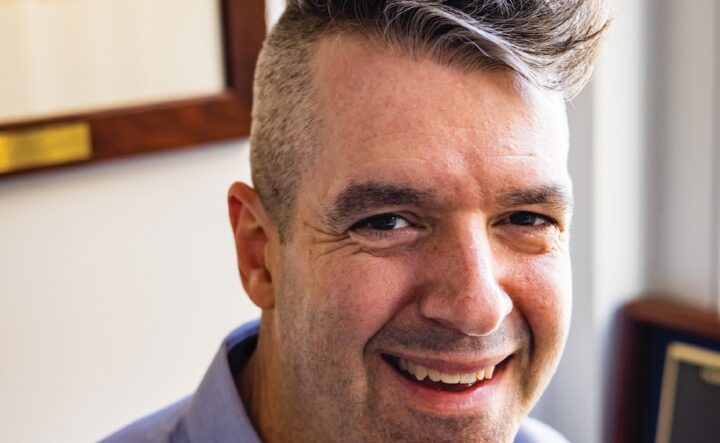
Executive Director, Art-Reach
When I was younger, I found that when I played music, I felt different. I never learned how to read music. I couldn’t ever figure that out. But playing music did something different to my brain. I used to call it “tricking my brain.” And it’s an accommodation that I still use today.
I have instruments everywhere in my workplace and at my house. Whenever I’m stuck writing a grant or developing a plan, I grab an instrument, think of a song, and figure out how to play it by ear until it’s there. Once I put that puzzle together in my head, it’s like I’ve got a baseline to go back, sit down with my work, and put a coherent grant application or business plan together.
Playing music did something different to my brain. It’s an accommodation that I still use today. —John Orr
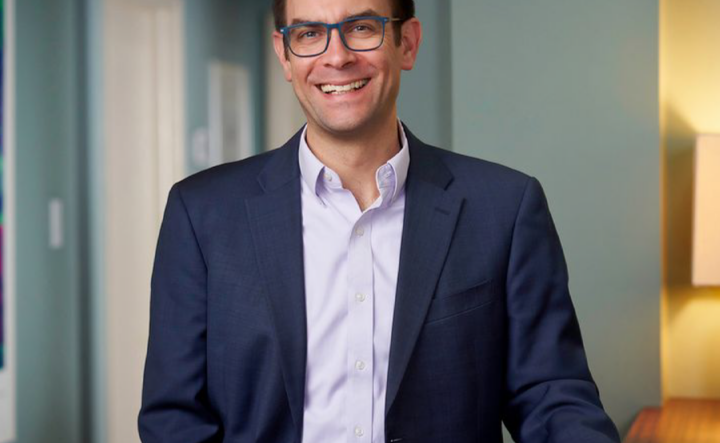
Principal, Praxis Consulting Group
I acted all throughout high school, and often reflect on how theater is such a great foundation for leadership. You learn teamwork, self-awareness, and how to lead yourself before leading others. It’s fascinating how the different threads in our lives might seem disconnected, but then other times they come together and we realize how all of those experiences added up to something.
Theater is such a great foundation for leadership. You learn teamwork, self-awareness, and how to lead yourself before leading others. —Matthew Hancock
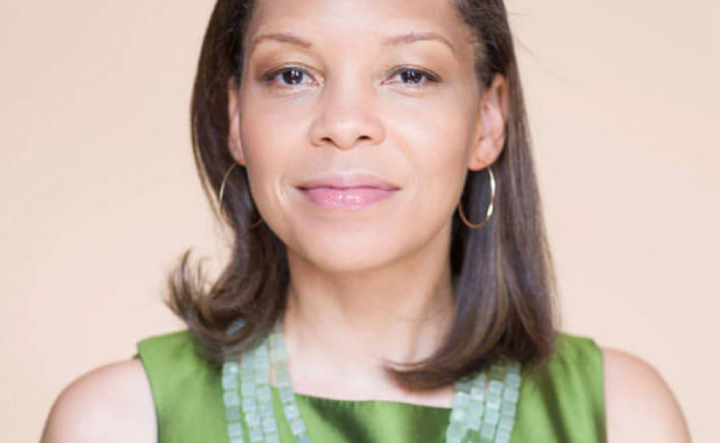
Arts Entrepreneurship Speaker and Coach
What is the essence of business? It’s creating something valuable that people want, and then building the relationships to help people understand it and experience it. That’s what we do in the arts. Creative people totally have a leg up when it comes to building that connection.
Creative people have a leg up on building connection. —Jennifer Rosenfeld

Chief Executive Officer, Dance Theatre of Harlem
When I was in law school, I was also dancing with the second company of Dayton Contemporary Dance Company. I would have my books backstage in the dressing room, reading, staying up late.
What’s interesting to me is that both pursuits required discipline and focus in order to succeed. That’s truly how I got through law school and passed the bar; it was that discipline and focus. There’s also structure and creativity in both. You have to find those crevices to be creative and sort of look at things differently.
Both dance and law school required discipline and focus in order to succeed. —Anna Glass
Former VP, Connecticut Sun and New England Black Wolves
You learn teamwork in marching band. If you’re marching to the left when everyone’s marching to the right, or you’re on the wrong foot, you don’t want to be that person standing out. You really want to make your team proud.
It’s the discipline, the 6:00 AM band practice. You have to be there. You don’t want to let the band down. I think being the head of the band really instilled some of those lessons that I use every single day. Having the discipline to do a certain thing the right way, and making sure you’re not cutting corners, makes all the difference in the world.
Having the discipline to do a certain thing the right way, and making sure you’re not cutting corners, makes all the difference in the world. —Amber Cox

More than ever, our local communities need changemakers who can step up, rally others, and drive meaningful impact where it matters most. When we invest in the arts, we’re not just supporting creativity—we’re building the next generation of leaders who will shape a better future.
Check out our podcast and explore other industry resources for insights into how creativity fuels leadership.
![The Data Behind a Changing Arts Landscape [Updated]](https://capacityinteractive.com/wp-content/uploads/2026/04/2026-Blog-Header-Brand-Redesign-The-Data-Behind-a-Changing-Arts-Landscape-848x478.png)