

Skip to content

ResourcesPodcast

Sydney Symphony Orchestra on Creating a Culture of Collaboration

This episode is hosted by Monica Holt.

--:--:--
Ep 179
0:00 / 0:00
Tune In

IN THIS EPISODE

Arts organizations thrive when teams stop operating in parallel and begin building together.

Take it from the Sydney Symphony Orchestra, which is wrapping its biggest season in over a decade. By creating shared goals across teams and building systems that encourage communication instead of competition, the Symphony has seen unprecedented audience growth in just a few short years.

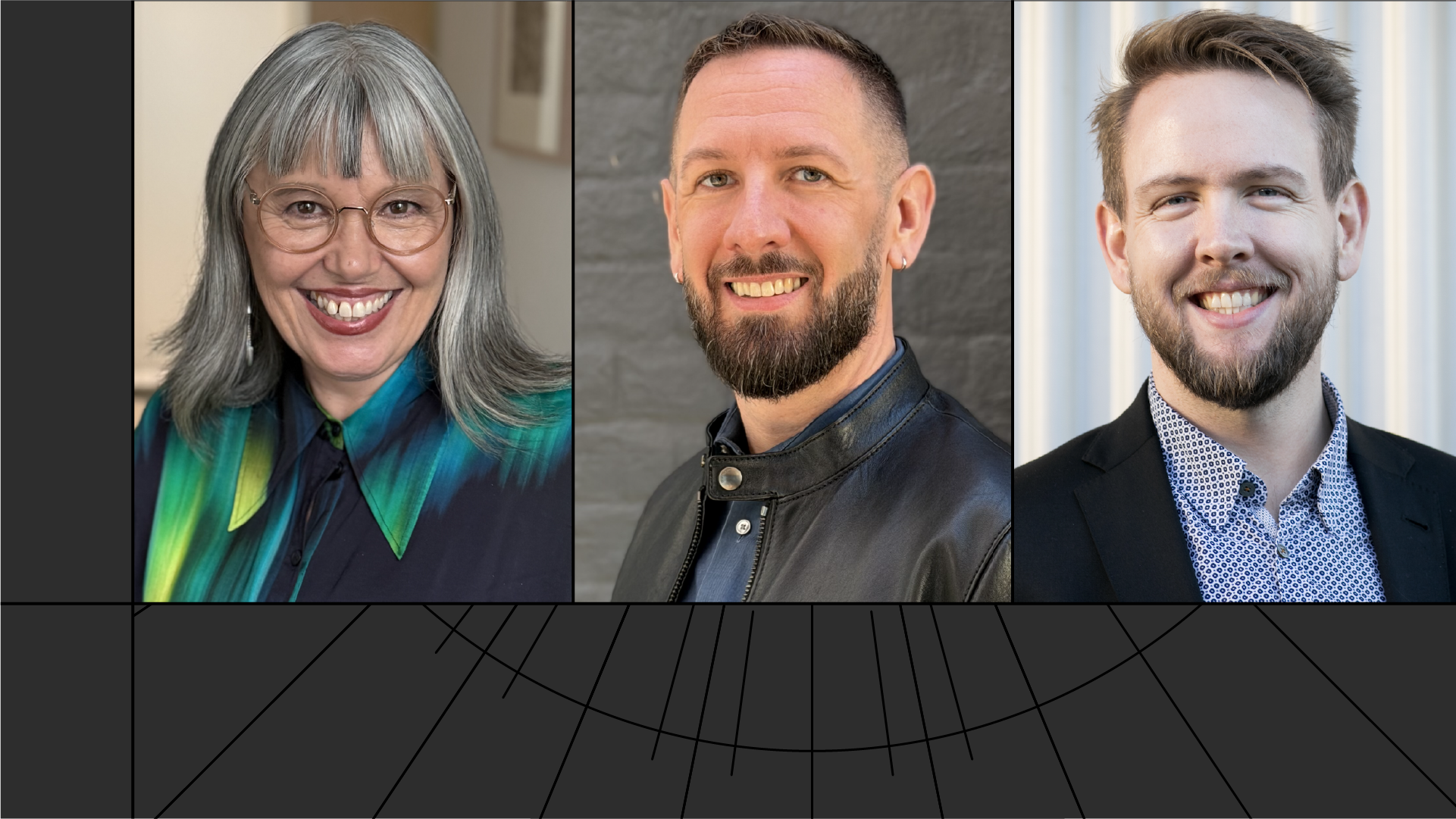
In this episode, Monica sits down with three leaders from across the organization—Director of Marketing Charles Buchanan, Director of Artistic Planning Melissa King, and Director of Learning & Engagement John Nolan—to explore how deeper collaboration has reshaped both internal culture and audience experience.

Transcript

Charles Buchanan: Don’t default immediately to no and why things won’t work. Let’s ask the questions and think about, is there a path to this being successful? There’s always the chance something won’t work, but if you go that way, you’ll end up saying no to everything. An organization isn’t going to grow that way. They’ll just kind of be in a culture of a slow decline.

Monica Holt: Hey everyone. I’m Monica Holt and this is Arts Unscripted. Most arts organizations can get stuck in a familiar information-sharing machine. Programming makes the decisions, then they hand it off to marketing who sells it. And then when a show underperforms, it becomes pretty easy to point fingers. But organizations who are evolving past that machine and finding a truly trusting workplace, well, that’s shown that there are real results that occur across metrics for the organization.

Enter: Charles, Melissa, and John. Respectively, they’re the directors of marketing, artistic planning, and learning and engagement at the Sydney Symphony Orchestra. They operate without silos, without handoffs, and without a hierarchy of programs. The result? Record revenue, record audiences, and a learning and engagement program that has gone from marginal to world-class in just two years. Let’s dive in. Welcome Charles, John, and Melissa. Thank you so much for being here on Arts Unscripted today.

I think maybe the best way to get started is with some quick introductions. So could we do a little bit of background on each of you and maybe what your first interaction with the arts was? And then I’d love to hear a little bit about your current role at the Sydney Symphony. Does Charles want to kick us off?

Charles Buchanan: Thank you, Monica. Good to be here with you today. My first memorable interaction with the arts was as a teenager going to see Phantom of the Opera in the big city of Buffalo, New York, which was three hours from where I grew up in a very rural area on the border of New York and Pennsylvania, where we didn’t have a lot of access to big performances or productions. So that moment for me was like, “Wow, I didn’t know about this.” And I from there went on to work across ticketing jobs like many people in the arts do and eventually led to marketing. And I worked in marketing at the New York Philharmonic and at the Detroit Symphony before coming to the Sydney Symphony about two years ago as the director of marketing, where I oversee all of marketing, communications, and customer service for the organization.

Monica Holt: Wonderful. Melissa, will you give us a little bit of your background?

Melissa King: Thanks, Monica. I grew up in New Zealand and my sort of pathway to the arts was that my mom loved how music made her feel. And so I grew up with her playing Marian Anderson and Mario Lanza records and things. And she loved the Greek Piano Concerto. So I think I was about 12 or 13 and she said, “Don’t make any plans on Sunday. There’s something I want you to watch with me and I think you’ll like it.” And it was the opera Rosenkavalier. I thought my head had been blown open. So I ended up actually going the drama path through the box office as well, like Charles. And my first orchestra that I worked for was the Sydney Symphony in the ’90s. And since then I have gone off and worked at the New Zealand Symphony and then the Melbourne Symphony. And now I’m back at the Sydney Symphony for my second tour of duty and to close the circle.

I’m the director of artistic planning, so I’m responsible for the programming and the season planning and my team and I sort of put that big jigsaw together.

Monica Holt: Wonderful. And John, last but certainly not least.

John Nolan: I can’t honestly say that I remember, which is a bit tricky, but I grew up in a little tiny desert town called Alice Springs, right in the center of Australia. I think probably the first time I ever heard an orchestra was the Darwin Symphony Orchestra performing in the dry riverbed in the middle of town where they put up a stage and did an amazing performance. I also remember going on a school trip to see Peter and the Wolf at the Araluen Arts Center and absolutely hating it and never being so bored in my entire little life. But I think like Melissa, I had a mum who loved music and just made sure it was always there.

I remember one day looking in a university handbook and seeing that one of the degrees could lead to a career in arts administration and up until that point it had never occurred to me that that was a thing. And I just thought, great, I’ll do that.

Monica Holt: Easy peezy.

John Nolan: That was it. But I think uniquely for someone in my job, I’m not a musician or an educator. I’m a career administrator. I’ve done the rounds of the Australian symphony orchestras. So I’ve worked at the Queensland Symphony Orchestra in Brisbane and the Melbourne Symphony Orchestra at the same time as Melissa six years ago. I’ve also done a stint working in the learning and participation team at the Royal Opera House in London and started my career at the Sydney Children’s Choir 15, 16 years ago. So now I’m director of learning and engagement at the Sydney Symphony Orchestra. So I look after all the schools and family programming and our emerging artists programs and regional touring, probably some other things that I’m not remembering right away. Our Music for Health program…

Monica Holt: So as listeners are tuning in, it probably won’t surprise anyone that the theme of our episode today is going to be collaboration and how these wonderful leaders all work together and demonstrate a form of leadership and collaboration that I think we can all learn a lot from no matter where we are in our careers or organizations. But before we dive into that, for listeners who may not already be familiar, could you describe the Sydney Symphony Orchestra today? What makes it unique?

Melissa King: Well, we’re the largest orchestra in Australia, a professional orchestra, a quadruple wind, so 104 players, and we do over 200 performances a year and have sort of a large subscription season plus a very large learning and engagement program thanks to John that is continuing to grow. And then a portfolio of special events that include collaborations with pop stars and movies and sort of new work.

John Nolan: I think what’s maybe special about the SSO right now that is perhaps different to how it’s been in the past is there’s been a real broadening of the program. And more than ever before, this is an orchestra that’s reaching beyond the Sydney Opera House, which of course will always be our home and is a massively important part of our identity. But complementing that with really broad programs right around the city and the state is I think maybe a characteristic of our current chapter, which is pretty exciting.

Monica Holt: Yeah. Could you give us a flavor of how your three departments would traditionally function and how is that similar or different from the SSO?

Charles Buchanan: I think that there’s a very sort of typical relationship that exists between the areas that do artistic programming and the marketing team that I’ve seen across my career. I think that typically it’s a relationship where you don’t talk till the very end of the process, you’re not really involved in each other’s pieces of work, and then it’s always the question of when something does well, who takes the credit and then when something isn’t the success you hope, who takes the blame? And I think that’s anybody listening can relate to that.

Monica Holt: Yeah. It’s funny to hear you say that. I think about when I was in marketing, we used to feel like if a show was successful, programming got the credit and if a show failed, marketing got the blame. And then when I was in programming, I found that it felt like when a show was successful, everyone was saying marketing did a great job of selling it. And when a show wasn’t, it was, “What was programming thinking putting this on the stage?” So I think you’re absolutely right that all of us can relate to feeling like there is one lane that we’re supposed to be in and wondering who gets the glory and who gets left with the scraps.

Melissa King: Yeah. I used to describe it as a healthy tension, but actually it’s not healthy, and it doesn’t need to be like that.

Monica Holt: Take us back for a second to 2024 when Charles and John joined the Sydney Symphony. What was or wasn’t working and what really prompted the shift towards the deeper collaboration that you’re enjoying today?

Melissa King: Yeah. I mean, I came back to the orchestra during COVID in 2020 and obviously it was a very scary time for all performing arts organizations. The opera house was closed for this huge renovation. So there’s a lot riding on things and the tensions were very high and it was a little bit more stereotypical of the relationship between marketing and artistic. “Suspicious” might be a word that I would use to describe it, and not an environment where there was this free flow and discussion of, “Well, what are your concerns about this program?” — which is so normal for us now — and that sort of fear of not making targets. And so yeah, this could not be more different. And I’ve done this work for orchestras for more than 30 years and this is the first experience quite on this level.

Charles Buchanan: I think part of that is that each of us had worked at symphonies before. So we’d learned things along the way at each of the symphonies we worked at, that we all kind of — our mindsets were in the exact same place without even knowing that. For me personally, I found several years before coming to this role that the closer that myself and my team drew into artistic, the better success we had. And so I kind of came in with that mindset and I do recall being in an interview with Melissa actually for this position and I think they asked me who was my closest working relationship, and I said it was the artistic person at the Detroit Symphony Orchestra. Our teams tried to do things together and be coordinated from start to finish of any campaign or any program. So I wish I could say that we did a lot of work to make this happen, but it kind of took off quite quickly.

Monica Holt: Yeah. And what “this” is that you’re talking about, the idea that marketing, artistic planning, and learning and engagement are all involved from the very beginning… I mean, this is the arts administrator’s dream of a perfectly matrixed organization. Will you share a little bit just what really changes when all of these departments feel involved and engaged from the very beginning instead of being brought in later in the process?

Melissa King: I think where an orchestra finds itself now, it used to be so compartmentalized from a programming perspective too. So you would have your really important core subscription program, and then if there was any time you’d do sort of a crossover and a movie and then if there was any time left, you’d let education have like a couple of calls. And that’s not what an orchestra is anymore. I mean, those boundaries have blurred. So it makes perfect sense that between the three of us, there’s no boundaries either.

John Nolan: And I think for learning and engagement or the education program, we’re in a sort of unique situation in that we don’t actually hold the keys to anything. The director of artistic planning holds the keys to the planning process and the schedule. The director of marketing holds the keys to the audience, the director of orchestra management holds the key to the orchestra. I don’t have a key to anything. So I’m actually really, really reliant on my colleagues being collaborative and respectful in the way that we are here or else it’s so easy. And you see it everywhere that really these programs become marginal, small scale, not really considered core to the business of the organization. So for me, when we work like this, it’s utterly transformative. It’s the difference between the program being ambitious and world-class or not.

Monica Holt: Absolutely. And you even mentioned this, I don’t know if it’s totally normalized yet across the industry. So before we even talk about tactics for keeping your teams in sync, what sort of philosophical shifts needed to take place first?

Charles Buchanan: So I think a big part of some of the change that we’ve experienced in how our three teams work together is because within marketing we’ve reframed the mission of what we do. So I think a lot of marketing teams have their financial target and their external goal, like finding audience and making these budgets. And we’ve reset that view to be that we’re equally supporting the internal teams. I think when marketing teams’ resources are tight, you’ll just focus exclusively on that external goal and the revenue around it. And then what immediately happens is you’ll prioritize only the concerts that make the most money. So they come to the top of the list and everything sort of starts to sort by what’s going to bring in the biggest external gains and returns. And so we’ve done a lot to shift the views and expectations within marketing that we’re supporting everything equally and that even comes to the support for all of the programs, whether it’s our big subscription series concerts or some of our big presents with films, but also we’re also going to give equal effort and attention and campaign support to any learning and engagement activity.

Monica Holt: That’s great.

Melissa King: And I guess the thing we’re trying to do here in artistic planning is not have a hierarchy of activity that everything that the orchestra chooses to do in its limited amount of time in a year is equally important, otherwise we wouldn’t be doing it. And so having that support from marketing and the way that John and I plan this season is holistic as well. It’s not like, “Here is — you can have these two days,” it’s “How can we make this work and how can we interweave what you need to do and what we’re all trying to do and do it together?”

And the flow down effect of that has been even when we present the season or we’re at a full company strategic summit, traditionally I would be standing up there presenting the season or talking about future artistic planning. We always do it together, the three of us, because it’s the three of us who are sort of building this future together. It’s not just me through the choices that me and my team make and then they just sell it. It’s the story that we’re telling, it’s the way we work together, it’s around and within the core season.

Monica Holt: I love what you’re saying about there’s no hierarchy in programs, which I think is a really interesting and important idea for all of us to process and think about together.

John Nolan: And I do think the trust bit I think is absolutely key. I think we know that we are three people in the right jobs who know what we’re doing and I’ve never seen a moment where Melissa puts on the table some crazy wild idea and Charles or Charles’s team goes, “Oh God, here we go again.” There’s just none of that there because there is total trust that if it’s something Melissa is putting on the table, it’s the right thing. And I think that sort of goes in all three directions.

Monica Holt: How then do you align on shared goals across departments? I mean, hopefully we are all lucky to find our compatriots to create a system like this, but just talking tactically for a second, how does that go? Are there certain meetings that keep everyone together? Why don’t you walk me through the process a little bit?

Melissa King: Our marketing-artistic weekly meeting, it’s at 4:30 on a Tuesday. And Tuesday is a very heavy meeting day. So for me, it’s my fifth meeting of the day and you would think stale, tired and over it by then. But actually, it’s really energizing and fun. And part of the reason I think all three of us are enjoying this so much is that in all of our roles, it’s sort of lonely, isn’t it? Being the one that has to make the decision and decide is it successful or failure and what is that measurement. And you’re there on your own. Well, when you work like this, you’re not lonely.

Charles Buchanan: It is one of our funnest meetings of the week. I think there’s no blaming. I think when things go wrong or don’t meet the measures we’d set out for success, we’re not asking what went wrong, actually. We’re kind of asking, what did we learn from it? What did work? Because something always works. It may not be a financial success, but it might have attracted new audiences or reframe to the public what the orchestra can be if it’s a new format. So it’s a very open space of trust and respect and always looking at what we can learn from what we’re doing.

Monica Holt: I have to say, this is something that I really tried to preach a lot of by the time I was in my last position at the center working with all of the different curators there because my empathy for my marketing colleagues was such that I know often it felt like programming really wanted to wait until something was in really good shape before handing that off to marketing. Not wanting anyone to get ahead of their skis, not wanting an idea to feel like it was reality before it was ready. So I’m curious, how did you navigate past any of that tension or concern that might otherwise have existed about how you look at projects that might not be in their final form but still want to be part of the conversation early on with your colleagues in a different team?

Melissa King: I think it’s that sort of trust that we have in each other that there isn’t the fear or the defensiveness to share things before they’re cooked. In fact, we really look forward to sharing ideas in real time because we want them to be as strong as they can be. And we’re very lucky to have colleagues who it’s so exciting to have enthusiasm and their eyes are shining and that they’re looking forward to things like you and that it’s very open. They can comment and say, “What about this?” or “This would be the angle we would take.” So we’re all learning at the same time. I mean, it’s great when you’ve worked in an industry for 30-something years and you can still on a weekly basis learn something and find new angles and be interested.

John Nolan: We have an additional meeting, which is Charles’s team and my team every fortnight, which is more focused on implementation, I suppose, working through stuff that’s coming up in the year. And so that existed before Charles, but it’s been amazing to watch how that meeting has changed from one where we were very much different teams to one where it feels like we’re sort of the same team. We had one yesterday where we had a really good result for a schools concert in regional New South Wales and there was such a strong sense of it being a shared victory. It was a real moment of “we are one team” and it was very special.

Monica Holt: Yeah. Can you talk a little bit about what ways this type of collaboration has filtered down to each of your teams? So have you seen changes in the ways that they communicate and work together and share ownership?

Charles Buchanan: We’ve been working over the last two years to get our teams to talk more outside those meetings. Don’t wait for the meetings to do all the work and have all the conversations. Like, keep the work going in between, go talk, go walk — we’re not in a very big office. Walk to someone’s desk, talk to them more. That’s the other big key to what we’re doing is lots and lots of communication and conversation so that we’re now at a point there’s not just this connection among the three of us at the top of our departments, but there’s lots of connecting points beneath us and between our three teams. And so it’s helping us to do even more and just be more efficient.

Melissa King: And we also have chat groups on Teams, for instance. And that used to be letting everybody know things in real time changes, thoughts… but it’s actually evolved now and it’s quite chatty. And it’s, “Oh, have you seen this?” “Oh, I listened to this piece of music the other day.” Not only are we working together, but actually we’re kind of sharing enthusiasm and wanting to share musical possibilities with each other. And yeah, I mean, it’s very, very special.

Monica Holt: Maybe one of you can talk us through an example of a program — maybe, I think, Listen to This is something that you’ve told me about before — and how it comes to life or is made better through this type of really meaningful, dedicated collaboration.

John Nolan: So Listen to This is one of those concert formats where it’s just a single work on the program and the conductor speaks to the audience throughout and pulls the work apart on stage for the audience to really get into it. So it’s a sort of illustrated lecture with full orchestra. This was something the SSO used to do for a long time, but we hadn’t done it for, I think, 14 years maybe. But when I started, Melissa and I very quickly agreed that we wanted to bring that back as a sort of flagship feature of the learning and engagement program and really built it from the ground up with marketing. So everything from venue to duration to format to price, the whole thing was actually co-designed with marketing and it was wonderful. And it was from the very first conversation, the marketing team was so enthusiastic.

And I have in the past experienced that moment where you put a new product on the table and the marketing team goes, “Oh, we don’t have the capacity to deliver that.” Or, “Oh, that’s going to be very difficult to build an audience for.” But it was absolutely the opposite. And I think this is a feature of the way we work together, that the ambition was shared. My ambition immediately became their ambition as well. We did the first one in the series this year and it’s basically sold out. The net promoter score for it was, I think, the highest we’ve had for a concert this year. We do it in the Sydney Opera House because that’s what the marketing team wanted. I wanted to do it in a smaller venue, but they were more ambitious than I was. And from day one, the result has exceeded all of our expectations.

Charles Buchanan: Yeah. A lot of the people in our team were immediately excited by it and we really appreciate the opportunity to be involved from the very beginning because that just means that no matter what happens, all of us are sharing in the outcome. And in this case it was, as John mentioned, nearly sold out. It made its financial target. And I think most importantly of all, it was a very big new audience, a lot of even tourism sales through the Opera House. So it really ticked tons of the conventional metrics of success, even if you focus just on the financials, but it also had a lot of other important gains and was a massive, amazing launch to the series, which still has more to come throughout this year.

Monica Holt: I’m curious if this approach has enabled more risk-taking in your programming.

Melissa King: I mean, what is risk-taking? Is it Schoenberg? Then, yeah, we did Gurre-Lieder and sold out two performances. But actually when you work like this, there’s not some scary, spiky, spicy thing sitting in there scaring the hell out of everyone. There’s no huge risk because you’ve kind of built it together.

Monica Holt: Why do you think people think of certain programs as risky then? Is it because it’s actually marketing concerned about selling those tickets?

Melissa King: Yes.

Monica Holt: So one might say that because of the collaboration, you get to bypass that. Is that fair, Charles?

Charles Buchanan: Yeah. It’s so interesting, an artistic brain versus a marketing brain. Like, what risk means to you. So as you say that, Melissa, I understand that someone’s brain — for an orchestra, you go immediately to the most out-there, unheard-of work that an orchestra could play. My brain went to — for thinking about, are we taking risks? I think we have. And we’ve taken a lot because I think about with the way we’re working, what have we done? And if we weren’t all of us in our roles working this way, what would we have not done? And that’s included things like performing in new venues and unlocking potential there to experiment with taking the orchestra into new locations or new venues all around Sydney. Like we talked about already, some of the new product lines like Listen to This and Masterclasses. New formats of concerts that we’ve done. But even things like within our core programs, like our core classical or our core commercial product line called Sydney Symphony Presents, there’s a lot of things that I don’t think would have happened if we didn’t have this completely free flow, like “Let’s grow, let’s take risks.” Last year we had the potential to do more concerts on a program several times and every time we were like, “Yes, let’s do it. Let’s unlock it.”

If we can do five Toy Stories, let’s do it and let’s not hold any back. Let’s just put them all to market and let people do their thing. Beethoven Nine was doing really well and usually we only do — on a core classical week, we’ll do four concerts. That’s our maximum. And we have a 2,700-seat concert hall, so four of those is a lot of seats. And Beethoven Nine sold out. We were like, “Is there a chance to add a fifth one? We’ve got audience asking for it.” We did that just a few weeks ago. We added a second Anna Lapwood recital and had only six weeks to sell it, which normally would be a marketer’s worst nightmare. But because we’re talking so much, we knew there was a potential to add it. Melissa’s team was communicating along the way with me like, “Okay, it’s almost here. We think we have all the things approved.” So I was able to get marketing ready to go so that we pushed it to market and sold it out.

But you could see where another marketing team who’s worried about something not selling would’ve said no to all of these things, and that’s dozens of performances right there in just the last two years.

So to me, that’s what I think about the risks. All of them are, “Could this thing not sell?” and then everyone is upset about something not making revenue. So that’s where we’ve shifted the culture of what we’re doing quite a bit and we’re still even working to set that example for the whole institution so that with that amount of putting out new events, there’s always going to be something that won’t make target. And I feel like the 10% out of… We’re probably having like a 90% success rate right now and I think that that 10% something here or there not making the targets we hope for is the trade-off.

And we just have to work as a group to reframe that when those few things come along that aren’t meeting the success metrics we set. We have to remind the organization and our teams that, okay, yeah, but look at these other like nine things that did terrific.

Monica Holt: I like your framing of that 10%. I would go one step further and say trying and the act of doing all of this is the success. So something not meeting target becomes less about success and failure and more about the process being what it is and being able to look at the macro and having that tolerance for trying new, going together instead of alone, creates an environment where you’re not living and dying by every single show’s capacity.

I’m curious, Charles, how you felt empowered to take that approach where you weren’t having to fall into the usual trap of prioritizing the dollars, which so many marketing teams can get very risk averse to compromising.

Charles Buchanan: I think I experienced a lot of things that just weren’t efficient. I’ve been in organizations where artistic and marketing barely speak. They speak once and it’s when you hand the programming over to sell. There’s just so much that’s lost in that when you don’t have more interactions. So I kind of just learned that through trial and error across a few other organizations. It’s something I try to model as well for the team. Don’t default immediately to no and why things won’t work. Let’s ask the questions and think about like, is there a path to this being successful? And if there’s a path, well, let’s explore that. There’s always the chance something won’t work, but you can’t — if you go that way, you’ll end up saying no to everything. An organization isn’t going to grow that way. They’ll just kind of be in a culture of a slow decline. If there’s nothing new, nothing can change. There’s no yeses.

Monica Holt: That’s right. That’s well said.

Melissa King: Look, I think that the orchestra as a whole, they’re turning up and everyone’s working extremely hard. They have these huge houses and people are loving the experiences that they’re having in the hall with them. And so I think there is kind of an esprit de corps in the organization that we kind of feel like we’re in a moment in the history of the organization that is sort of golden or that there’s a forward momentum and it comes at a great effort by everyone in the organization. But I think it’s part of if you’re in the Sydney Symphony, we want to lead, we want to be an exciting orchestra, we want to make courageous decisions, we want to touch as many lives as possible. And so there’s a degree of pragmatism in terms of health and safety for players, their employment contract. But in the case of adding a second Beethoven Nine in a day, we’re very aware that that was a huge ask and we did consult widely and the players are extremely generous and agreed to do it. And that was another 2,600 people who’ve had the best time. So yeah, it’s pretty great that we all feel like we’re a part of something.

Monica Holt: I think that’s remarkable. And I think as you talk about the trust building between the three of you and how that trickles down to your team, to me, that rings true that musicians or folks who might not be involved in the meetings we’re talking about or some of the process that allows the work to happen, but are truly the reason that people are having transformative experiences with the arts… I think that speaks volumes. It’s pretty remarkable and certainly an active leadership as a whole for the musicians and the organization.

For all three of you, as you think about going from building a season to packaging and talking about that work and you’re doing that together, how do you think through at each decision point who is leading? Because even in a collaboration at a certain point, decisions need to be made. And so how do you think about that handoff as you go from artists to audience in such a collaborative environment?

Charles Buchanan: So I don’t think we actually have a point where there’s ever something being handed off and then owned elsewhere. When I say we’re collaborating from start to finish, it truly means that we’re pulled in at the very earliest stages of the artistic or the programming process. And then there is the point where the work comes more to us and that we’re now about to run the campaign and sell it and leading up to the concert, but we’re still connecting back with the artistic planning and the learning and engagement teams all along the way, even as we’re trying to think about audiences, trying to craft the messaging or the campaign, like we actually give them a chance to weigh in on the copy we’ve written for each of the things for the season because we’re trying to basically make sure that the direction we’re going with the public, that it’s really true to the vision and also that they’re speaking with artists, they know a lot that we can learn and take it directly to the audience.

And even after something’s on sale, we’re still connecting and talking about what’s working and what’s not and how to get access to artists for social media or whatever for media. So I feel like there’s not ever a point that there’s like a handoff because I feel like that’s what’s very traditional. There’s usually like, when is it handed off and who’s owning it at each point? There isn’t really that. We’re actually kind of all collaborating throughout the entire life cycle of any of our programs.

Melissa King: We had a meeting, for instance, yesterday and we are at that pointy end where in the olden days we used to hand it over and we’d never see it till there was a brochure. But yesterday we had a meeting, our marketing meeting, and it was really interesting. So the people in Charles’s team who are actually starting to work on the actual campaign now shared some of their thoughts about packaging, or “What are the pillars do you think?” And actually it was just a really free room. “What are the highlights for you?” “What do you think is the…” And it was a really great way for all of us to reframe the season. So if you’re in artistic planning, you’re sort of looking at this month by month. If you’re in marketing, you’re thinking, who’s in the piano series? So we actually had a — and it was a really creative time. So it’s so nice for us at that end of the business to be involved as much as I think for marketing to be involved when we’re agonizing over a violin concerto.

Monica Holt: Yeah. Melissa, your point is really well taken that just as we want to think about how marketing can be in the room with programming and learning and engagement early on, to your point, programming is quite an asset to be in the room with marketing through the end. I like this kind of no-handoff discussion because I think that is a little bit more difficult of a concept to really hang onto than just the, “We are better collaborators when we are in rooms together.” I think really making it clear that this is something we co-own start to finish is the crux of what’s making the work that the three of you are doing together so special. So I appreciate that.

It seems to me from what I have learned about the SSO that the 2026 season is the biggest in over a decade. Do you have any data you can share to illustrate that growth to our listeners?

Charles Buchanan: Yeah. So I guess anyone might be curious how everything that we’re doing, how that translates into audiences. So as John’s team and Melissa’s team have expanded our programming activity and existing programming or adding new things, we’ve basically taken an approach of, let’s put everything out to the audience and let them decide. The one thing marketing has asked of both of their teams is like, let’s get things on sale as early as possible to leave lots of time because with lots of new products, you need time to build the audience.

So we started growing in 2025 and then obviously the biggest expansion is this year in 2026, but just looking at last year, it actually was our highest revenue in the organization’s history. We’ve had year-over-year subscription growth every year coming out of COVID and last year was the highest of that and we have more new audience than ever. So we’re actually bringing in, I want to say since before COVID, about 25,000 more ticket buying households.

And then we also have — number of tickets are restored back to what the peak was in the decade before COVID. And that was all just as of last year, but so far this year where we’ve added on even more activity, we’ve actually seen our subscribers adding a lot of that on. So we’re getting new audiences into some of the new series, but subscribers are deepening their relationship and we saw the average number of tickets each subscriber was buying grow this year. So they were the first in line to take us up on the Listen to This or some of the other things. It’s in my mind no exaggeration to say that a lot of that activity and growth wouldn’t have happened without the tight collaboration between our teams.

Monica Holt: That’s incredible.

John Nolan: Yes. Yeah. I think when you were talking about risk before and does this way of working together allow risk, I was thinking it really also allows growth. Learning and engagement has historically been very strong here, but I think it had a tough time during the pandemic and the opera house closure for refurbishment. And so my role was created in 2024 really with a view to bringing this program back in a strong way. So that kind of set me up well working closely with Melissa to rebuild this program. And ’26 is kind of the first year that we see it in almost its full form. So we’ve brought all of our schools concerts into the Sydney Opera House for the first time. We’ve reestablished the Discovery Series as Listen to This. We’re doing open rehearsals for the general public for the first time ever. We’ve got our Masterclass series to let people get closer to our artists.

We’ve established a subscription series in the Western Sydney Coliseum, which is an amazing new venue. The regional touring program has expanded. Our fellowship program, which is our 24-year-old —

Monica Holt: There’s so much.

John Nolan: Yeah, it is a lot. I’m really tired right now, but —

Monica Holt: I was going to say, do you need a nap? How are you doing all of this? This is enormous.

John Nolan: Well, we can do it because we work in a way without friction. We couldn’t do this if there was friction and inefficiency in the way we were working. It only works because we can lean really heavily on our other departments and colleagues to help us deliver all this. And it only works because, as Melissa said, it’s treated equally.

Charles Buchanan: And I think if any audiences listening to this are asking like, “Oh, could I do this?” The other thing I would remind them is this is just in two years what we’ve done. So anything is possible and you could start tomorrow.

Monica Holt: And if you were starting tomorrow, what would you start with?

Charles Buchanan: More conversations, more talking between your teams, and starting to create the space to trust and respect each other’s work and then think about what’s possible. I think saying yes to as many things as you can, because that’s what we’re doing. I think we’re saying yes to almost everything really.

Melissa King: I remember the day after Charles started, I went — one of your first days, I remember I walked across the office and I sat on your desk and there was a hushed shock in the organization and I went, “Everyone’s staring at us because artistic and marketing are talking to each other.”

John Nolan: So that’s the secret. You’ve got to go and sit on the director of marketing’s desk.

Melissa King: There you go. You’ve just got to make the first step.

Monica Holt: I think that is great advice. You just have to make the first step. Ask questions, be curious, and be teammates. Don’t do things just because they’ve always been done the same way.

I would love to know from each of you, what is giving you hope right now about the field, whether that’s the orchestra field or the arts more broadly?

Melissa King: Those two. It’s true. I’m at the end of my career. I’m the old one and I’m having fun. I didn’t think I was going to have fun, but yes, I feel quite energized and yeah.

Monica Holt: That’s beautiful.

John Nolan: Yeah. I mean, yes, yes. And I think my professional life would be very different and a lot harder without these two. So yes, I echo Melissa’s very generous statement, but I do think we’re on a really exciting path towards a new model of an orchestra in the 21st century that makes me excited and gives me hope.

Charles Buchanan: I know it’s kind of a difficult moment for this sector and it has been really since COVID and some people might say before as the subscription model began to become less of a thing in today’s modern world. But I think there’s a lot of excitement in where we’re at because I think a lot about our business models wasn’t working for a long time and the moment of COVID and post-COVID with challenges finding audiences, it’s actually forcing people to have a lot of difficult conversations that should have happened decades ago about how the performing arts should work and creating access for the arts to more people. I feel like that’s happening a lot in the last five, six years. So some people could find that really terrifying, but it actually is the most exciting thing because I think a lot of change is going to come out of it and new things will be created that didn’t exist before and I think a lot of institutions like ours that have been around for decades will adapt and kind of come into a new era and grow like we’re doing.

So I find all of that really exciting, but I also recognize a lot of people find this the most terrifying time to work in this sector and I think that’s probably — there’s similarities in what we’re going through across Australia and America that everybody kind of understands.

Monica Holt: No, I like that. I think holding together the hope, the darkness, the light and the fear all at once is something we all have to get better at. And so what you’re talking about really speaks to me right now.

Alright. Well, we have reached our quickfire culture questionnaire. We’re going to be speedy little mice here. What is one piece of culture — a TV show, a book, a TikTok trend — that you are currently obsessed with?

Melissa King: I guess the last thing I watched was The Other Bennett Sister.

Monica Holt: The Other Bennett Sister. Did you like it?

Melissa King: I did. Yeah. I love a Jane Austen.

Monica Holt: I mean, amen. John, your obsession.

John Nolan: I have abandoned all streaming services for the last couple of months.

Monica Holt: Well, I guess you have 3000 programs to run, so you just simply are out of time. I understand.

John Nolan: But I am on my 18th book this year and I just finished When The Crows Fly South by Lisa Ridzén and it was just one of the most magnificent things I’ve ever read and I cried for days. Read that.

Monica Holt: Well, that’s a stunning endorsement. Charles.

Charles Buchanan: I do love Wicked and I’ve been an OG Wicked fan. I read the books, saw the musical in the earliest days. I’ve seen the musical many times. So anyway, I definitely enjoyed that it finally — a great story like that was made into the films, which both I’ve watched multiple times.

Monica Holt: Couldn’t agree more. You are in great company. They have now been added to my Jon Chu plane movie collection.

Charles Buchanan: I actually have a CD-ROM that’s burned with a bootleg recording someone took of the original Broadway show illegally.

Monica Holt: Charles, we’re the same person right now.

Charles Buchanan: I don’t even have a way to play it anymore.

Monica Holt: Do you still have a QuickTime movie file of Idina’s final night in the red tracksuit?

Charles Buchanan: No, but I’ve seen that.

Monica Holt: Because like…

Melissa King: No, but he wants it!

Monica Holt: We’re going to coordinate. Okay. If you could go back in time, Melissa, what live performance or event would you want to attend?

Melissa King: The Rite of Spring in Paris.

Monica Holt: Amazing answer.

John Nolan: That’s a good one.

Monica Holt: John?

John Nolan: I reckon it would have to be Freddie Mercury and Montserrat Caballé performing Barcelona in front of the Magic Fountains in 1992. There we go.

Monica Holt: Wow.

Melissa King: And if you paid us a lot, we would reenact it for you, but there’s no time.

John Nolan: I would obviously be Montserrat.

Melissa King: Obviously.

John Nolan: Obviously, you’d be Freddie.

Melissa King: Yeah, exactly. Duh.

Monica Holt: Charles?

Charles Buchanan: I don’t know exactly, but it would be something before any audio or video existed.

Melissa King: Come to Rite of Spring with me!

Monica Holt: That’s a beautiful answer, and collaboration travels through time and we love that. Okay. What is one free resource — this can be in any field, in any way — that everyone should check out?

Charles Buchanan: I’ve come across a few Substacks in the past couple years and the one that I’ve been reading most recently is Emil Kang’s, who I think worked in different executive leadership roles or board roles. And as an executive leader, it’s been a resource for me just to learn about how to create the best dynamic of an executive team and a board, but also to realize that the challenges that exist today have been there for decades because he’s talked a lot about his experiences. So that’s the one that comes to mind for me.

Monica Holt: That’s lovely.

John Nolan: What does resource include? What can I include in that?

Monica Holt: Anything. Say literally anything that comes to your mind.

John Nolan: SBS On Demand is free and has over a thousand movies on it, but you can’t access it outside of Australia.

Monica Holt: So everyone first get a VPN and then visit SBS online and hopefully what I’m talking about is not illegal.

Melissa King: The only other thing I use is I have a pet cow and I don’t really know what to do with a cow. So YouTube’s been very useful for my farming to teach me what to do with a cow.

Monica Holt: I feel like we’re getting into the… We need to restart this episode.

Melissa King: I’m the YouTube farmer, the original YouTube farmer. And the chickens is very good on YouTube as well.

Monica Holt: Amazing. Okay. So now to shift gears, although I definitely want to hear more about your cow: The final question always on this pod is if you could broadcast one message to executive directors, leadership teams, staff and boards of thousands of arts organizations, what would that message be?

Melissa King: Don’t be afraid. Just open yourself up and jump in. There is shared purpose.

Monica Holt: Gorgeous answer.

Charles Buchanan: I think to kind of have a growth mindset and take risks, which we’re doing here. And I think that we have the same issues like every arts organization is facing, like rising costs and we have a structural deficit, changing audience behaviors, subscriptions are declining. And if you don’t actually try to grow and take risks, nothing’s going to happen. I know most people’s reaction is to scale back or retreat or cut things, but we’ve done the exact opposite and we’ve had really strong results very quickly by doing that.

John Nolan: I suppose I could add, if I think about my own little niche of learning and engagement: treat it with the respect it deserves and treat it as though it matters as much as everything else, because that’s why you just don’t see it succeeding at so many organizations and why we are succeeding here.

Monica Holt: Three great answers. Thank you all for doing this together. Thank you for the work you’re doing and the leadership you’re showing all of us by doing it collaboratively and with great spirit and laughter and joie de vivre for all that’s to come. I really, really loved spending this time with you, so thank you.

Thank you for listening to Arts Unscripted. If you enjoyed today’s conversation, please take a moment to rate us or leave a review. A nice comment goes a long way in helping other people discover the show. And if you haven’t already, click the subscribe button wherever you get your podcasts. We’ve got some great episodes coming your way and I don’t want you to miss them.

A huge thanks to our team behind the scenes, including Karen McConarty, Yeaye Stemn, Stephanie Medina, Jess Berube, and Rachel Purcell Fountain. Our music is by whoisuzo. Don’t forget to follow Capacity on Facebook, Instagram, LinkedIn, TikTok, and YouTube for regular content to help you market smarter. You can also sign up for Capacity’s newsletter at capacityinteractive.com. And I hope you’ll reach out to us and let us know what you think and who you’d like to hear from next on Arts Unscripted. I’m Monica Holt. Thanks for listening.

View More
About Our Guests
Charles Buchanan
Charles Buchanan
Director of Marketing, Sydney Symphony Orchestra

Charles Buchanan has spent more than twenty years working at the intersection of artistic ambition and audience growth across some of the world’s most prominent performing arts organisations in Australia and the US.


He currently serves as Director of Marketing at the Sydney Symphony Orchestra, where he leads audience development, brand strategy and revenue performance. Prior to the SSO, Charles held senior marketing and sales roles at the Detroit Symphony Orchestra and the New York Philharmonic. Under his tenure at the DSO, he shepherded the organisation through pandemic recovery.


Earlier in his career, Charles worked on the marketing teams at the Sydney Opera House and New York’s 92nd Street Y. At the Opera House, he was part of the team that launched its inaugural marketing data and insights function, using audience analytics to sharpen campaigns and deepen understanding of audiences.


His work is grounded in a belief that culture and collaboration are not soft assets. They are the engine of sustainable growth. That conviction shapes how he leads, and what he looks for in the organisations and people he works with.

John Nolan
John Nolan
Director of Learning & Engagement, Sydney Symphony Orchestra

John Nolan is an arts executive with a focus on artistic collaboration and public engagement, working across orchestral music, opera, and large‑scale participatory performance. He is currently Director of Learning and Engagement at the Sydney Symphony Orchestra, where he leads programs and partnerships spanning schools, families, public engagement, artist development, and major creative collaborations. 


Prior to joining the Sydney Symphony Orchestra in 2024, John held senior leadership roles at the Melbourne Symphony Orchestra, including Director of Programming and Director of Learning and Engagement. Earlier positions at the Royal Opera House, the Queensland Symphony Orchestra, and Gondwana Choirs shaped a practice grounded in artistic collaboration, participation, and cultural leadership.


 John is particularly interested in the role major arts organisations can play in public life: creating work that is artistically ambitious, socially connected, and genuinely engaging. His projects often bring together professional artists, young people, and communities through experiences designed to feel immediate, contemporary, and alive. He holds postgraduate qualifications from King’s College London and the University of Melbourne.

Melissa King
Melissa King
Director of Artistic Planning, Sydney Symphony Orchestra

Melissa King is Director of Artistic Planning at the Sydney Symphony Orchestra, where she shapes the orchestra’s season strategy, long-term artistic vision, and collaborations with conductors, soloists and composers of international standing.


With more than three decades of senior leadership across major cultural organisations, Melissa brings rare breadth to her work. Before joining the SSO, she held senior artistic planning roles at the Melbourne Symphony Orchestra and the New Zealand Symphony Orchestra, and served as CEO of Craft Victoria, a range of experience that spans orchestral programming, visual and applied arts, and organisational leadership at the highest level. She was recently appointed to the Board of the New Zealand Symphony Orchestra, reflecting the regard in which she is held across the Australasian arts sector.


At the SSO, her role sits at the junction of artistic ambition and institutional life, working closely with Chief Conductor Simone Young and the orchestra’s musicians, as well as across programming, marketing, operations and executive leadership to build seasons that are both artistically compelling and strategically coherent.


Melissa is a thoughtful voice on the relationship between artistic and commercial imperatives in major cultural organisations, how programming decisions ripple through an institution, and what it takes to build genuine audience connection over time.

FeaturedEpisodes

Arts Unscripted
Tune In

New Episode

Episode 176